Friday, June 9, 2017

Street Artist Shepard Fairey Celebrates 21 Years as an Art Gallerist

Street Artist Shepard Fairey Celebrates 21 Years as an Art Gallerist—Who Knew?

Subliminal Projects is a gallery for artists who don't fit the blue-chip mold.
Shepard Fairey DJing at an opening at Subliminal. Courtesy of Mark Hunter AKA the Cobrasnake.
Shepard Fairey is having a big year. In January, his “We the People” poster series became some of the most ubiquitous imagery surrounding the international protest marches against the inauguration of President Donald Trump, perhaps equaling the success of his iconic 2008 Barack Obama “Hope” poster.
Soon afterwards in February, the artist received the Tony Goldman Lifetime Artistic Achievement Award at Art Wynwood in Miami. Now Fairey is celebrating 21 years of operation at Subliminal Projects, the Los Angeles gallery he opened in 1995. It’s an achievement that’s less about Fairey and more about the scores of artists to whom he’s given a platform over the years, especially the street and skate artists who might not otherwise get such exposure for their work.
A poster from the We the People series by Shepard Fairey. Courtesy Obey Giant.
A poster from the We the People series by Shepard Fairey. Image courtesy of Obey Giant.

“Subliminal initially started as a concept for a skateboard brand,” Fairey told artnet News. “We were always talking about how skateboarding was a very creative culture, but the artists kind of sat in the background. Athletes were the ones who got all the attention, but everything was really driven by graphics on skateboards, on t-shirts, on stickers…. We decided to do a brand that was about putting the artist out front.”
PUBLICIDADE
The brand didn’t last, but Fairey’s desire to erode the barriers between graphic art, street art, skateboard art, and fine art carried over to his gallery of the same name, intended as an homage to the original Subliminal concept and an extension of its philosophy. “It was about celebrating things that were, in our mind, really strong art but might not be really finding favor in the gallery space yet,” he explained.
“Good art comes in a lot of different forms,” said Fairey. “Just being open to the idea of art outside of the elite paradigm of the fine art world was important to our mission.”
DabsMyla, <em>These Are the Days</em>(2016). Courtesy of Subliminal.
DabsMyla, These Are the Days, 2016. Image courtesy of Subliminal Projects.
At the time, there were very few places in the Los Angeles art world that catered to the kind of urban contemporary, non-blue-chip art that is Subliminal Projects’s bread and butter. “I was seeing an abundance of artists who were doing great work with no places to show,” Fairey recalled. “I said, let’s make a place where our crew can show.”
Over the past two decade, that’s certainly changed. “The art world in LA has really blown up, so there’s a lot of galleries that show work from worlds that we were initially one of the first to champion,” said Fairey. “There’s a lot of competition now.”
Shepard Fairey and Mark Hunter AKA the Cobrasnake at an opening at Subliminal, circa 2005. Courtesy of Mark Hunter AKA the Cobrasnake.
Mark Hunter AKA the Cobrasnake (left) and Shepard Fairey (right) at an opening at Subliminal, ca. 2005. Image courtesy of Mark Hunter AKA the Cobrasnake.
The current exhibition, titled “Twenty-One,” is both an overview of the gallery’s history and a celebration of the artists who have been part of it over the years. The building also houses the Obey Giant design firm, and Fairey’s print shop.
“When we started Subliminal, we understood that the gallery might not make money. If the rest of the business had to absorb the overhead for it, we could live with that,” said Fairey. “It’s something that we want to do not because it’s financially rewarding, but because it’s important to us culturally.”
“Twenty-One” is a huge salon-style show that takes up almost all of the gallery’s available wall space. “We’ve got a lot of artists who we’ve shown who have gone on to do bigger things,” said Fairey. “Maybe they don’t need a gallery like ours anymore, but they still wanted to be part of the show, which is exciting.”
"Twenty-One," installation view. Courtesy of Subliminal Projects.
“Twenty-One,” installation view. Image courtesy of Subliminal Projects.
The wide range of work on view, much of which is quite affordable, includes pieces by Aaron Rose, Curtis Kulig, Jeff Ho, POSE, Space Invader, Travis Millard, and many more. The show also includes behind-the-scenes photographs and archival materials of the early days at Subliminal Projects.
“We were able to dig up a lot of stuff from the mid ’90s when we were first formulating the idea for the gallery. None of us knew how to use a computer,” he added. “We found all sorts of ephemera that shows the space’s DIY roots.”
Given Fairey’s undeniable success, he believes that “it’s important to remind people that there was a lot of risk-taking to get where we are.”
Curtis Kulig, <em>Rumors</em> (2017). Courtesy of Subliminal.
Curtis Kulig, Rumors (2017). Courtesy of Subliminal.
Of course, the gallery has come a long way in the years since. When Jeffrey Deitch was director of LA MOCA, he was a regular at openings, and could be counted on to “bring some sophistos with him,” said Fairey. Subliminal has also shown work by a-list names such as Billy Al Bengston, Ed Ruscha, and Raymond Pettibon. “Those people don’t need our help, but it’s nice to cross-pollinate with the blue-chip crowd.”
There have also been a number of high-profile music performances in the gallery parking lot over the years, featuring Billy Idol, Blondie, members of the Sex Pistols, and LL Cool J, to name a few.
One particularly memorable concert came during a tribute show to the band Bad Brains, featuring band bassist Darryl Jenifer, Moby, and Dave Grohl. “There were kids climbing up on the scaffolding on the building next door to us,” Fairey recalled. “I really thought it was going to fall down!”
Billy Idol performing at Subliminal in 2014. Courtesy of Subliminal.
Billy Idol performing at Subliminal Projects in 2014. Image courtesy of Subliminal Projects.
Fears aside, Fairey sees that sort of enthusiasm as a sign that the gallery is striking a chord with the community. “There’s a youthful energy that’s still really important to me,” he said. “Art is the focal point in our creative ecosystem, but it’s not the only thing. Art and music and activism, all of those things are relevant to us, and we want to be a home for all of that.”
Another tense moment includes a 2003 Ryan McGinness show called “Sponsorship” that was too popular for its own good. Instead of showing art, McGinness only exhibited the logos of brands that had agreed to sponsor the show. Each company also gave out a bunch of branded merchandise, which ended up causing the problem.
Michael Hsiung, <em>Merman on Earth</em>. Courtesy of Subliminal.
Michael Hsiung, Merman on Earth, 2016. image courtesy of Subliminal Projects.
“You can get a few people out to see paintings, but you can get a lot of people out for free product,” said Fairey, who suddenly found himself with 500 guests in a space zoned for 175. “The fire marshal came and shut us down. I already had a criminal record for all my street art stuff, so my wife took one for the team and took the blame.”
Less dramatic highlights from the gallery’s history include a show with Space Invader back in 2005, where the anonymous artist actually cemented one of his trademark mosaics on the gallery wall. “We had to leave it in our old space, because we couldn’t get it off the wall,” Fairey recalled. “Somebody got a new office space with a Space Invader in the corner.”
Compared to traditional dealers, Fairey doesn’t have the time to devote to wooing collectors, but he’s still very committed to the Subliminal program. “I think I’ve missed one opening in the history of the gallery,” he said. “I DJ at most of them!”
Space Invader and a friend at his show at Subliminal, circa 2005. Courtesy of Mark Hunter AKA the Cobrasnake.
Space Invader and a friend at his show at Subliminal, ca. 2005. Image courtesy of Mark Hunter AKA the Cobrasnake.
That being said, he’s plenty busy with his own artwork. Next on tap is a museum-scale show called “Damaged” that he’s staging himself in Los Angeles.
“Our politics are damaged, our ways of communicating are damaged, our media—other than artnet News, of course—is damaged,” Fairey said. “We’re seeing the consequences of dysfunction. I’m working with themes of scapegoating, fear-mongering, immigration, climate complicity, conspicuous consumption… my usual laundry list.”
"Twenty-One," installation view. Courtesy of Subliminal Projects.
“Twenty-One,” installation view. Image courtesy of Subliminal Projects.
“I’m going very big for this show,” he added, promising large-scale ambitious installations. Fairey has had a number of museum shows over the years, but he’s not about to wait for the next opportunity.
“If I’m not getting the invitations, I’m going to do things on my own that I think are at a competitive scale,” Fairey said. “I’m lucky to be able to have the resources to do that.”
“Twenty-One” is on view at Subliminal Projects, Los Angeles, June 3–June 15, 2017. 
Follow artnet News on Facebook.
SHARE
Article topics

Why Sculptor Flora Mayo Was Written Out of Art History

Why Sculptor Flora Mayo Was Written Out of Art History

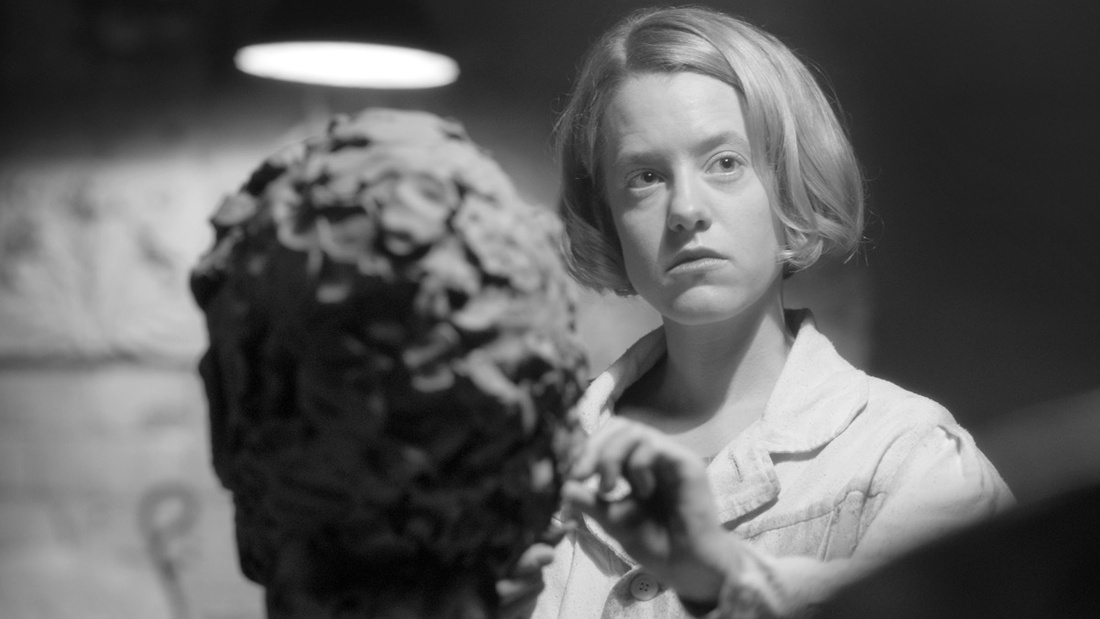
  • Film still from Teresa Hubbard and Alexander Birchler, Flora, 2017. Courtesy of the artists, Tanya Bonakdar Gallery, New York and Lora Reynolds Gallery, Austin.
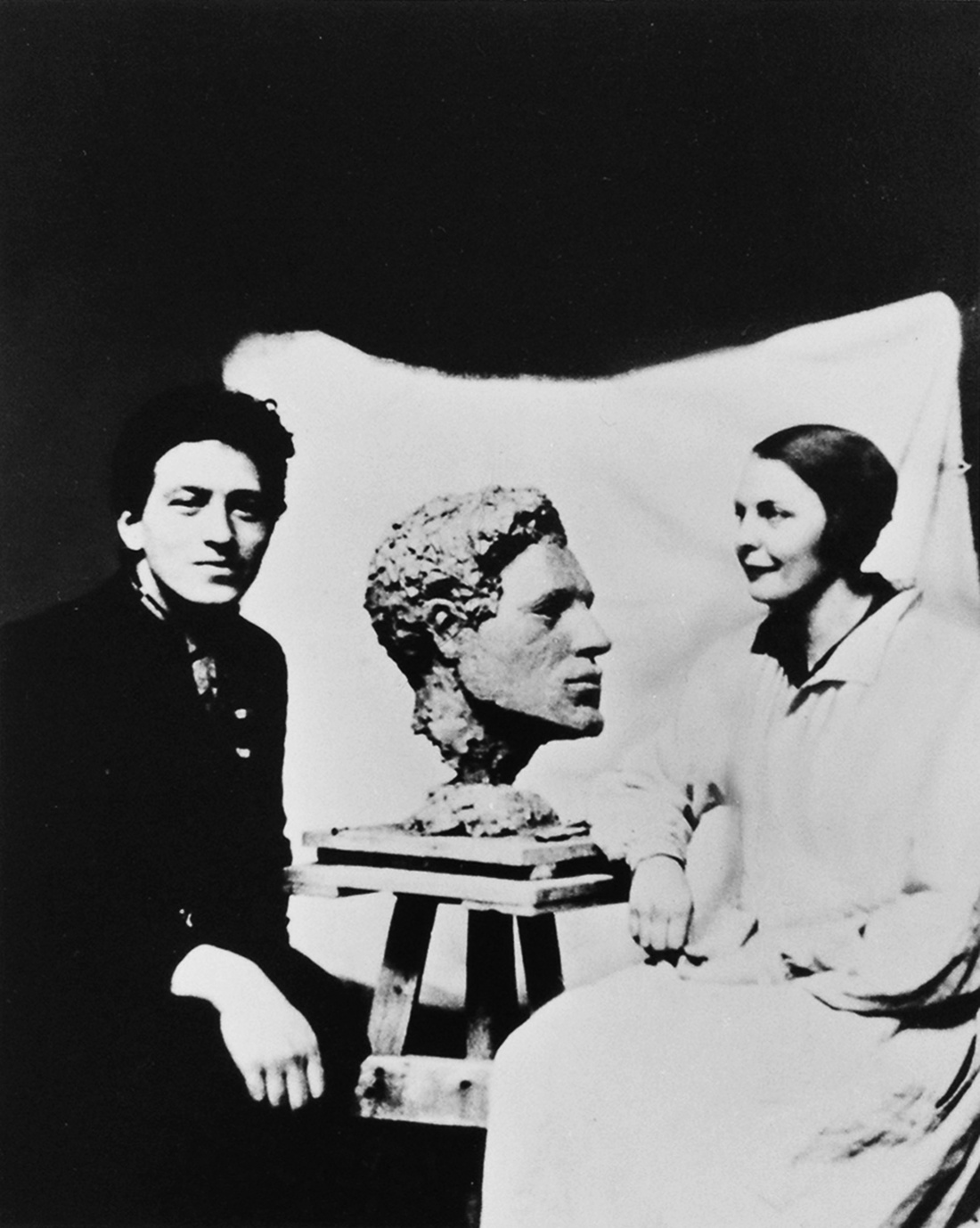
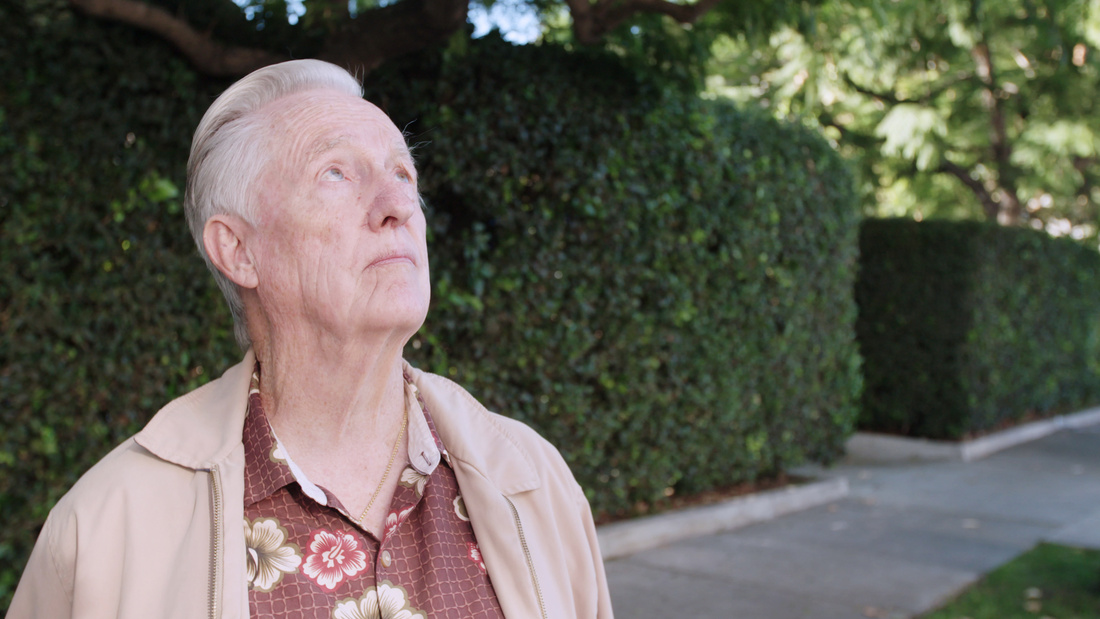
Alberto Giacometti is remembered by history as a sculptor, not a muse. But one photo, tucked in the artist’s 1985 biography by James Lord, tells a different story. In it, Giacometti sits beside a sculpture of his own head. Next to them is the bust’s maker: Flora Mayo. She looks over her portrait and subject with authority.
If Mayo’s name doesn’t ring a bell, you’re not alone. Until this past May, Lord’s Giacometti biography was one of only a handful of art history books that included her name. There, she’s discussed only in passing—and in blatantly sexist terms. “Flora looks at her lover wistfully, as she had cause to do,” Lord writes, describing the photo of her and Giacometti. “She is attractive but not beautiful, and there is something weak in her face.”
Artist duo Teresa Hubbard and Alexander Birchler, however, are setting Mayo’s record straight. Their 30-minute film, Flora (2017), is on view in the 57th Venice Biennale’s Swiss Pavilion through November. For the first time, it uncovers the circuitous, heartbreaking story of Mayo’s life and work, which were both shaped by expectations imposed on women during her lifetime.
  • Teresa Hubbard and Alexander Birchler, Bust, 2017. Photo by Ugo Carmeni. Courtesy of the artists, Tanya Bonakdar Gallery, New York and Lora Reynolds Gallery, Austin.
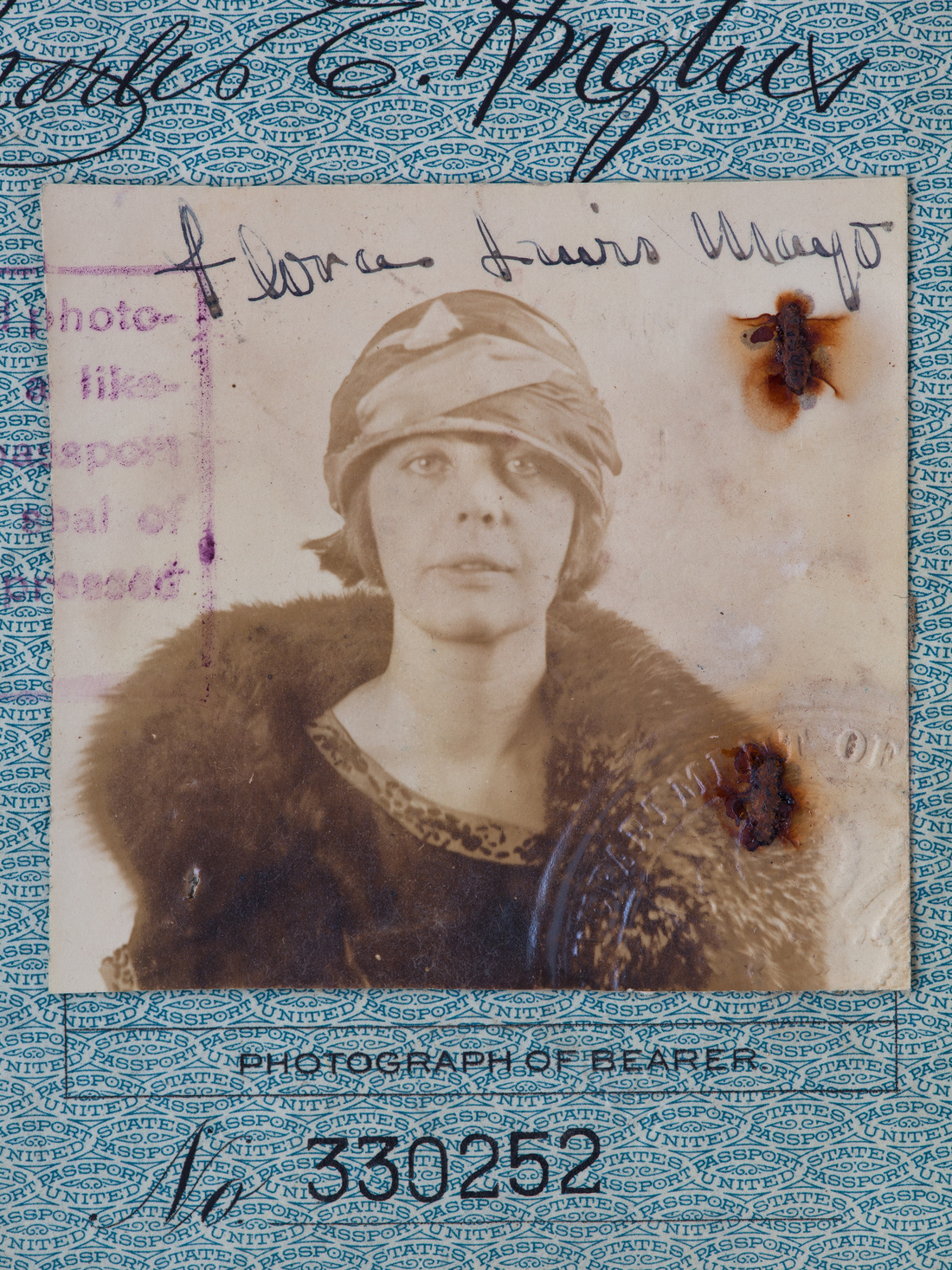
  • Production still from Teresa Hubbard and Alexander Birchler, Flora, 2017. Flora Mayo’s passport issued 1923. Courtesy of the Artists and Tanya Bonakdar Gallery, New York and Lora Reynolds Gallery, Austin.
Hubbard and Birchler have long been inspired by the forgotten histories of the places they encounter. They began their Biennale project by researching Giacometti’s insistent refusal to represent Switzerland in Venice during his lifetime. But while reading his biography, it was the “sexist, brief mention of Mayo,” says Hubbard, that that stuck with them. Curiosity piqued, they embarked on an exhaustive effort to uncover the details of the forgotten artist’s life.
Lord’s text filled in some of her biographical details. Mayo was born in Denver to a wealthy family and was a free spirit from a young age. Her conservative teachers and family weren’t pleased: “You’re the kind of girl at whom the devil looks up from hell and says, ‘I want you down here,’” scolded one headmistress.
In an attempt to subdue Mayo, her family pushed her into a marriage to a man she didn’t love. Stifled, she escaped to New York and began taking classes at the Art Students League. At 25, she landed in Paris, rented a studio, began making sculptures, and befriended Giacometti, a fellow student at the Academie de la Grande Chaumiere. Later, they became lovers. She called him “Jack;” he called her “the American.”
  • Film still from Teresa Hubbard and Alexander Birchler, Flora, 2017. Courtesy of the artists, Tanya Bonakdar Gallery, New York and Lora Reynolds Gallery, Austin.
Lord’s account revealed little more than this. Big questions lingered for Hubbard and Birchler: Where did the rest of Mayo’s life take her? And where was her art? When other art history tomes proved useless, they turned to shipping and ancestry logs, census and housing records, and local newspaper accounts.
It wasn’t until Birchler made a “crucial research discovery,” says Hubbard, that they were able to flesh out Mayo’s story. The missing puzzle piece was Mayo’s son, David. He knew a different side of his mother that transpired after she left Paris, set her art aside, and made a new life in California. It was David who would become the subject of Flora.
“No one has ever contacted me wanting to know about my mother, Flora, ever,” says David, now 81, in the film’s opening moments. He was shocked when Hubbard and Birchler reached out to him, but an exchange began: The artists explained to David what they knew of Mayo’s life in Paris, and David what he knew of Mayo in her later years.
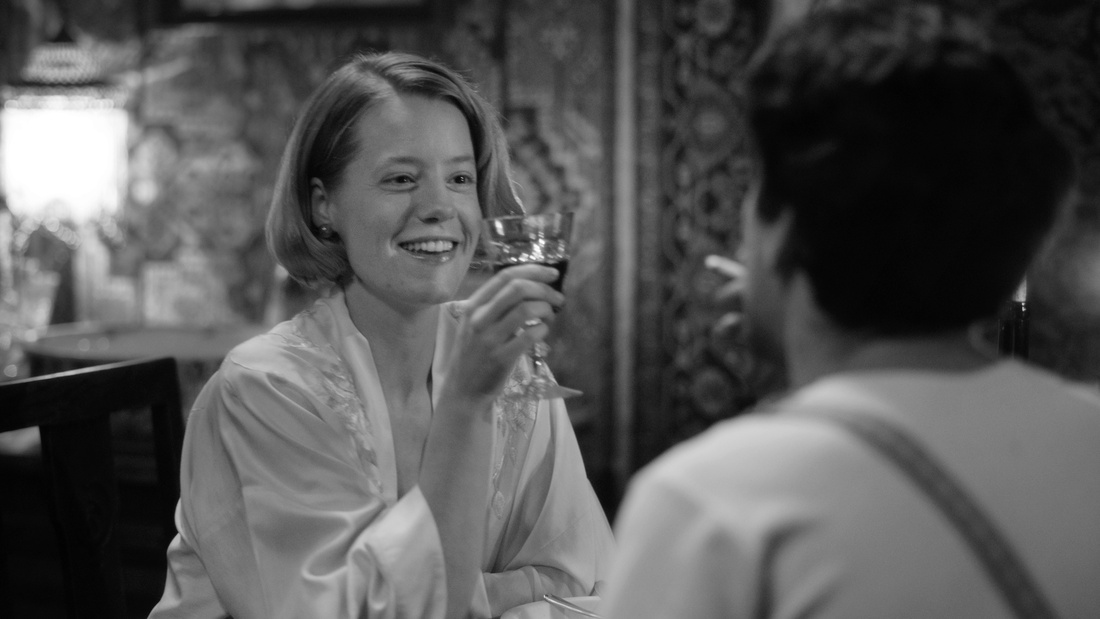
Flora weaves together these two distinct existences: in Paris, as an artist; and in California, as a mother and factory worker. The two-channel video is projected on opposing sides of a large screen that hangs in the Swiss Pavilion. On one side of a large screen, we see a fictional reimagining of Flora in the happy, confident throes of creating Giacometti’s bust. An actress portrays a young, lovely Mayo careening around her studio, studying her muse and building her sculpture.
  • Film still from Teresa Hubbard and Alexander Birchler, Flora, 2017. Courtesy of the artists, Tanya Bonakdar Gallery, New York and Lora Reynolds Gallery, Austin.
On the other side of the screen, a tender interview with David unfolds, as he recounts Mayo’s later years, and struggle to support her son. David flips through photos of Flora. “My mother mentioned when I was a young person that she had a friend by the name of Giacometti,” he says. “I didn’t relate to that at all.”
It’s one of several moments in the film that emphasizes the sharp distinction between Mayo’s time in France and her years in the U.S. She was forced to leave Paris after her parents cut her off, so she returned to the states without money—and without her art. “She never told me anything other than she could not afford to bring the works that she produced home,” recalls David. “And I was never curious about what she did with them.”
After returning to the United States in the early 1930s and becoming pregnant with David (he never knew his father), Mayo quit artmaking. She worked as a turret lathe operator in a factory during World War II, and later as a janitor. But while she rarely spoke with David about her past life, she still longed for it.
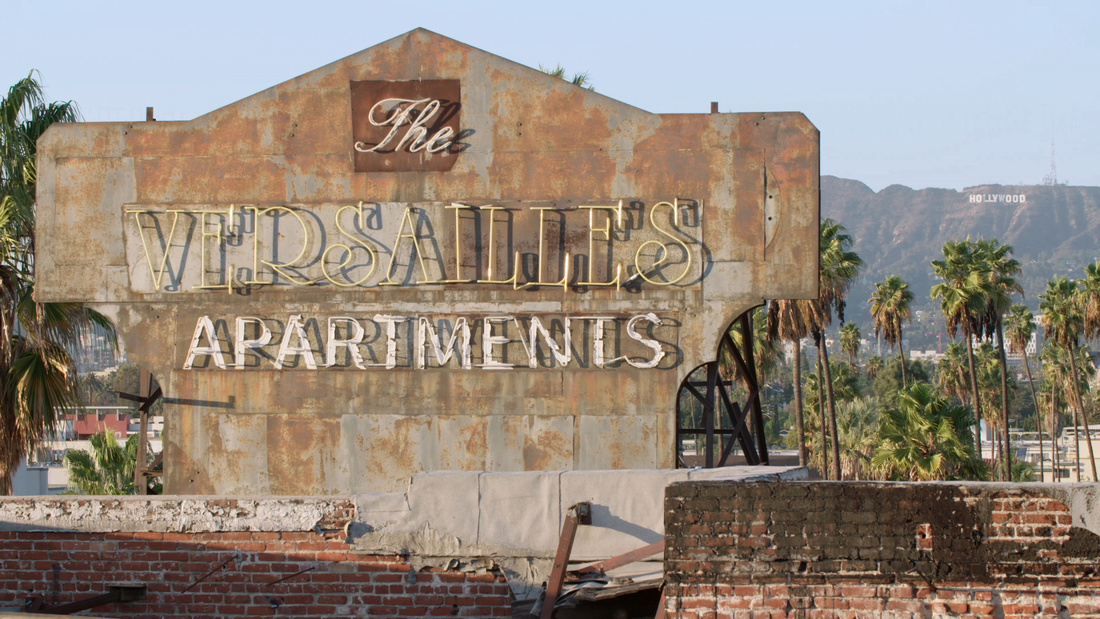
As the film comes to a close, David recounts his mother’s last years. When he was 26, Mayo scrounged enough money together to go back to Paris by herself. The experience was disappointing; by that point, her friends were long gone. “I think perhaps she was living a little bit of a fantasy and found out that it was unrewarding,” David recalls. Not long after, Mayo headed back to the United States and lived out the remainder of her days in a building in Los Angeles called—seemingly by no accident—Versailles.
  • Film still from Teresa Hubbard and Alexander Birchler, Flora, 2017. Courtesy of the artists, Tanya Bonakdar Gallery, New York and Lora Reynolds Gallery, Austin.
Flora is the story of a woman whose dreams of becoming an artist were thwarted, but whose unbridled independence buoyed not only her own life, but that of her child. It’s not the film that Hubbard and Birchler set out to make, but pursuing unexpected storylines that emerge during their research is part of their process. “What’s important for us is curiosity in the seemingly mundane,” Birchler says, “and that our work continuously engages us in a journey in which we don’t know how, or where, it will end up.”
That journey’s resonance will come to fruition later this summer, when Hubbard and Birchler will bring David and his wife to Venice to see Flora. David never liked Lord’s description of his mother in Giacometti's biography. “[Lord is] totally ignoring her fortitude, that strength when she lost everything, and was doing her best to raise her son,” he says in the film.
With Flora, David will see his mother’s history rewritten—and at least some of her artwork come back to life.  

—Alexxa Gotthardt


Why Clement Greenberg Defaced David Smith’s Sculptures

Why Clement Greenberg Defaced David Smith’s Sculptures

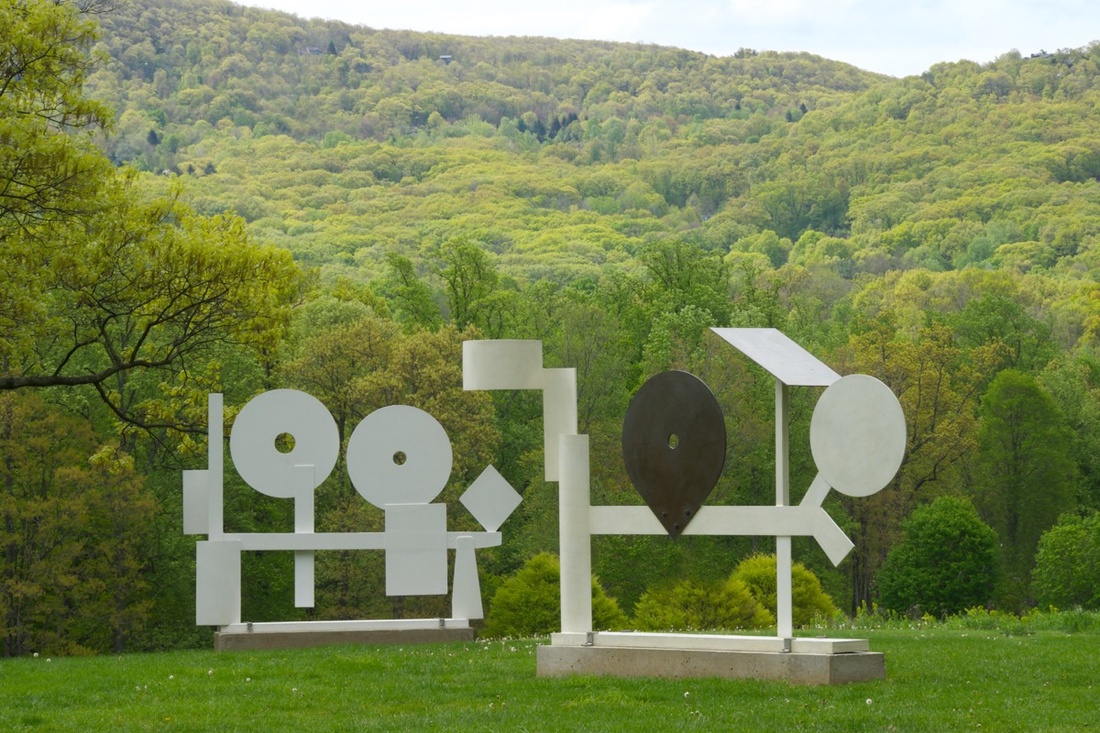
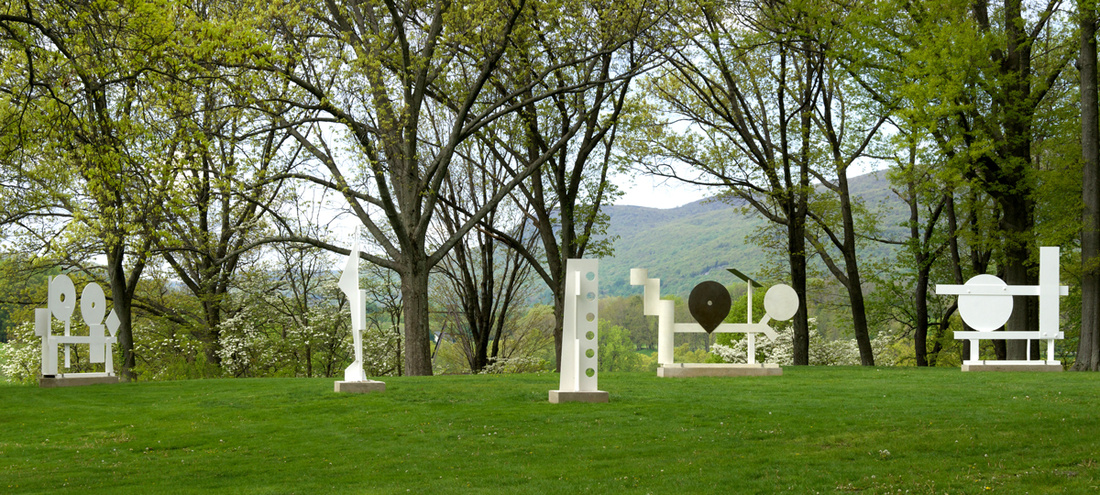
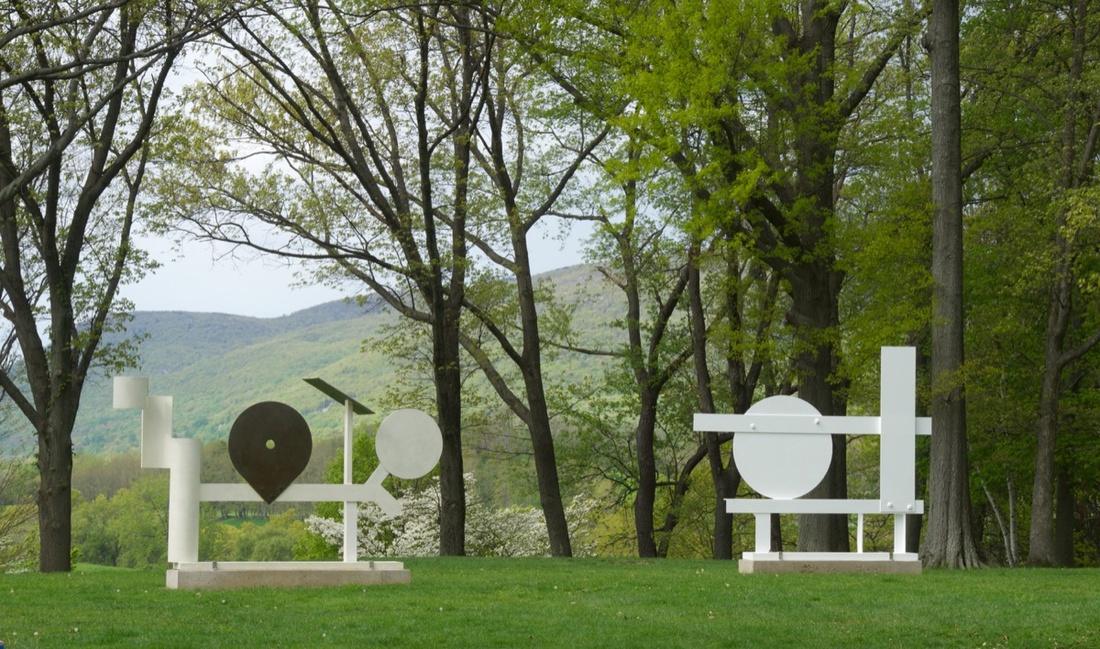
  • David Smith, Primo Piano I, 1962. Courtesy of The Estate of David Smith, New York, and Hauser & Wirth. © The Estate of David Smith/Licensed by VAGA, New York, NY. Photo by Jerry I. Thompson, courtesy of Storm King Art Center.
Clement Greenberg, arguably the most influential art critic of the 20th century, never liked David Smith’s painted sculptures.
Although he was a dedicated advocate of the American artist’s work, Greenberg believed that Smith’s use of color (as in all mid-century modernist sculpture) was problematic. “I don’t think he has ever used applied color with real success,” he wrote. In 1951, the critic went so far as to ask Smith’s permission to repaint a multicolored sculpture the artist had gifted him.
“It should be black,” Greenberg wrote in a letter. “We can always scrape it off again.” (The artist’s reply, if there was one, has never come to light.)
Then, in 1965, Smith died unexpectedly in a car crash. He was 59 years old, at the peak of his artistic career. Greenberg was named as an executor of his estate, along with artist Robert Motherwell and lawyer Ira Lowe. They were left to tend to Smith’s 80 acres at Bolton Landing—a parcel of land in the Adirondacks where Smith lived, worked, and displayed his pioneering welded-metal sculptures.
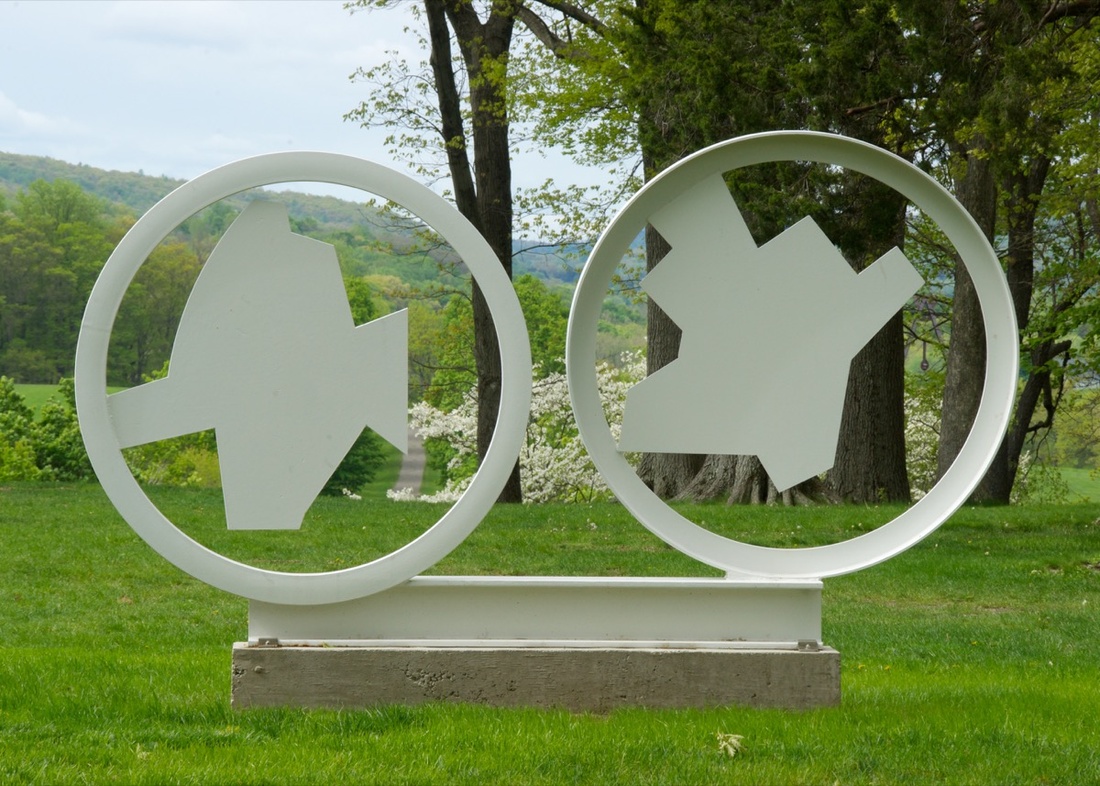
  • David Smith, 2 Circles 2 Crows, 1963. Private Collection, Florida. © The Estate of David Smith/Licensed by VAGA, New York, NY. Photo by Jerry I. Thompson, courtesy of Storm King Art Center.
Years passed, and photographer Dan Budnik, who had befriended Smith a few years before his death, returned to Bolton Landing again and again to document the sculptures lining the fields. Sometimes these were silhouetted against snowdrifts, other times against a clear blue summer sky. In 1974, however, Budnick realized that more than the backgrounds were changing—a handful of sculptures had been deliberately altered.
He brought photographic proof to Art in America, which enlisted art critic Rosalind Krauss, then an associate art history professor at Hunter College, to write an accompanying essay. Her story would send shock waves through the art world, launching a contentious debate about the primacy of an artist’s intention.
As Krauss reported in the magazine’s September/October issue, several sculptures, originally white, had been “deliberately stripped of paint,” while others were simply left to flake in the sun without proper maintenance.
“Given the identity of the executors of the estate, all this becomes particularly disturbing,” she wrote. “These pieces reveal an impairment of the integrity of the oeuvre of a major artist, an aggressive act against the sprawling, contradictory vitality of his work as Smith himself conceived it—and left it.”
  • Installation view of work by David Smith. Courtesy of The Estate of David Smith, New York, and Hauser & Wirth. © The Estate of David Smith/Licensed by VAGA, New York, NY. Photo by Jerry I. Thompson, courtesy of Storm King Art Center.
Greenberg took sole responsibility for the changes, stating that the sculptures were unfinished and their surfaces in bad condition. By stripping the paint, allowing them to rust, and then varnishing them, the critic argued that he had returned them to a more authentic state. (Smith had been known to leave sculptures outside through the winter, in order to achieve a particular level of rusting.) “Smith would hate to know that those seven sculptures stayed covered with alkyd white,” Greenberg claimed in 1978, citing his two-decade friendship with the artist.
There was an outpouring of opinion from historians, artists, dealers, and curators alike. Their responses appeared in the pages of Art in America and the New York Times—a debate, notes art historian Sarah Hamill, that hinged on the assumption that the white paint was simply a primer. Some agreed with Greenberg, that a temporary coat was less true to Smith’s intention than raw steel. Others argued that Smith’s artistic process itself should be preserved.
As sculptor Beverly Pepper wrote in Art in America in 1975, “Should we not value phases of an artist’s research as much as the conclusions he came to?”
  • David Smith, Primo Piano II, 1962. Courtesy of The Estate of David Smith, New York, and Hauser & Wirth. © The Estate of David Smith/Licensed by VAGA, New York, NY. Photo by Jerry I. Thompson, courtesy of Storm King Art Center.
In the end, white won out. His reputation tarnished, Greenberg resigned from the estate in 1979 and eventually apologized for his actions. Smith’s daughters took over, repainting the sculptures so they looked as they did when the artist died. This summer, five of these works are on view at Storm King Art Center, in upstate New York, as part of the exhibition “David Smith: The White Sculptures.”
But in the decades following the controversy, historians have wondered if perhaps Smith viewed white as more than a primer. According to Storm King curator Nora Lawrence, Smith said he applied up to 25 coats of paint to several of these works. “He had worked at a Studebaker factory in the 1920s, so he would say ‘I think that’s actually [more coats] than a Chevrolet,’” she said.
And these sculptures were white for several years before Smith’s death, Lawrence adds. “He was living with them like that,” she said. “It’s not completely clear that they were necessarily going to always remain white, that that was his final intention for them. But it is clear that he was interested in them.”

—Abigail Cain


The New Collector’s Guide to Reselling Art

The New Collector’s Guide to Reselling Art

Contemporary art dealers in the multibillion-dollar art market get most of their supply directly from artists, but a fair amount of what comes up for sale is pre-owned, sent back into circulation for one reason or another. Often this is due to one of the “three Ds” (death, divorce, or debt), but resales can also result from the evolution of a collector’s taste or an opportune moment.
In 2016, dealers in contemporary art received about 69% of their inventory from the artists themselves, according to a survey of roughly 1,100 dealers conducted for The Art Market | 2017, a report commissioned by Art Basel and UBS. The second-largest channel was from private collectors, who accounted for 15% of supply. For other sectors of the market featuring long-dead artists, that share is of course much higher, ranging from 31% for Modern art to 46% for Old Mastersand Impressionist works.
When it comes time to sell, there are good and bad ways to go about it, and a seller should keep a few things in mind in preparing to part with an object.

What’s the best sales channel?


Traditionally, art bought through a gallery should go back through that gallery, for a variety of reasons. The first is out of courtesy, says Leon Benrimon, director of Modern and Contemporary Art at Heritage Auctions. Galleries work hard to modulate the price trajectory for their artists, and bringing a coveted work to auction can send prices soaring and instigate a rush of opportunistic selling. This obligation—in the form of a resale agreement—is sometimes even a condition of purchase, notes Adam Biesk, a Los Angeles-based art advisor.
But a gallery’s main advantage is its familiarity with their artists’ collector bases, as well as the institutions that may be interested in an artist’s work.
“The dealer should be the person who has the most understanding on who is interested in buying, should have most experience in selling that artist’s work, and should have the most expertise in relation to that artist’s career,” says Jasmin Tsou, founder of JTT, a gallery on Manhattan’s Lower East Side. She also notes that the dealer will be in the best position to know when to bring the artist into the conversation, since artists typically wind up hearing whether one of their works has been resold.
If a gallery owner seems reluctant to help resell it, has conveyed that demand for the work for sale is thin, or for any other reason declines to take on the consignment, an auction house—one of the larger brick-and-mortar operations such as Sotheby’s or Christie’s, or a smaller or online-only outlet—may be a better bet, since they offer wider exposure than to the dealer’s immediate circle of collectors. Biesk recently advised a client to bring four works by an artist, who happens to be out of favor right now and whose private market was nearly nonexistent, to an auction house.
Auction houses are, by definition, agents for the seller. They aim to get the highest price possible, meaning there’s a lot more upside potential, says Benrimon, but also more risk if for some reason the work doesn’t sell, since sellers pay the auction houses a commission for their work.
“Auction houses are very straightforward,” says Benrimon. They’ll take a work they believe they can profit from, and if they can’t, “They’ll say, ‘I can’t sell the work, there’s not a broad base of collectors’” for it, he says.
A dealer may not want to say they can’t sell it, in order to avoid making the original buyer feel conned, so the dealer may take it back for a year or two but not be able to find a buyer for it, Benrimon adds.

Advice and research


Benrimon suggests starting with a little independent research, going on art websites for auction results and gallery price listings, for example. It also helps to know where the overall market stands. In 2014, for example, emerging artists were selling for high prices at auction, but a cooler and more conservative market in 2016 shifted sales activity to the private market.
He also counsels seeking advice from several sources—checking with the gallery first, then perhaps a second gallery (if that artist is represented by more than one gallery), an art advisor, or an auction-house specialist—and then making an educated guess.
“It’s like going to the doctor,” Benrimon says. “You want to get a second opinion.”
Tsou says dealers need to get more comfortable providing those opinions, especially in a climate when gallery models are precarious. That, for her, means putting aside the negative stereotype of collectors who sell, and do their best to offer the resale service in a way that works for the dealer, the collector and the career of the artist.
“A wise dealer should be able to listen to their client’s needs and see how to work with them,” says Tsou. “We need to be really welcoming and adaptable.”
She also advises collectors to be sensitive to where the dealer stands.
“This is a very emotional and very personal business, and a lot of these dealers are very stressed financially,” Tsou says. “Put thought into how you talk to them about this artwork no longer being what you want.”

Pricing and patience


A seller is, unsurprisingly, hoping to earn money from a sale. The first thing clients ask when selling, says Biesk, is “What is this thing worth?”
What a seller will ultimately receive for a work depends on several criteria: how strong demand is, how long a client is willing to wait to sell it, and whether the advisor or dealer works with other dealers, which could possibly entail a higher commission or fee since the two would then be sharing it. But Biesk says sellers can expect to pay around 10% of the price to whoever sells their piece.
Auction houses may vary the seller’s commission they charge depending on the work and how badly they’re competing for it, but a typical commission will be 10% of the “hammer price,” or the price bid at auction, before the buyer’s fees are tacked on.
Biesk will typically take about two months to explore private channels for placing an artwork, either through his own collector network or by reaching out to other dealers or art advisors who work with collectors he thinks may be interested. After a few months, if nothing’s materialized, he’ll typically sit down again with the client to consider other options.
If neither a private nor public auction sales channel makes sense for a particular work, Benrimon often advises clients to consider donating a work, either to a museum if one is interested, or to another institution in their community. For example, a Chicago-based collector donated a large painting to an Illinois community college, instead of shipping it at great cost (because of its size) to an auction house where it may only have fetched a few thousand dollars. Donations enable collectors to receive a tax write-off for at least the purchase price of the work, or potentially more, depending on the valuation.
Tsou counsels patience for collectors who are interested in seeing their work wind up in a museum. Even with strong relationships to institutions, she says, “These are very long conversations.”
But, she says, “You can have your name on an object in an institution forever, if you’re willing to have patience.”
Speaking of patience, Biesk says it’s a quality he’s noticed is getting scarcer. Many of his clients browse new artwork regularly on Instagram, and are always itching to buy something fresh.
“The problem with people now is so many new things come along that they forget about the new thing they just bought last week,” he says. “The speed at which they flip through Instagram is the speed they want to flip through their art collection.”

—Anna Louie Sussman