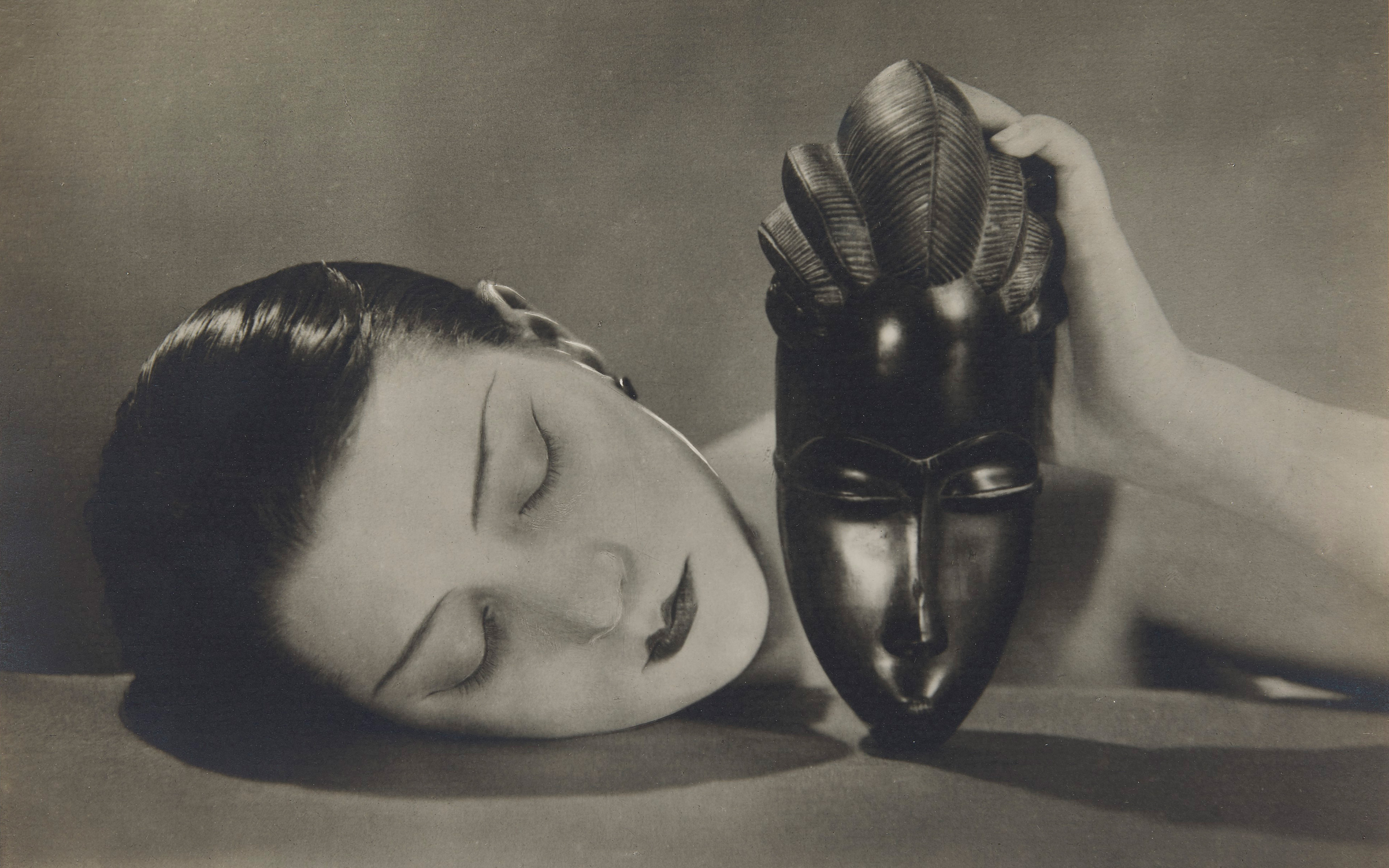
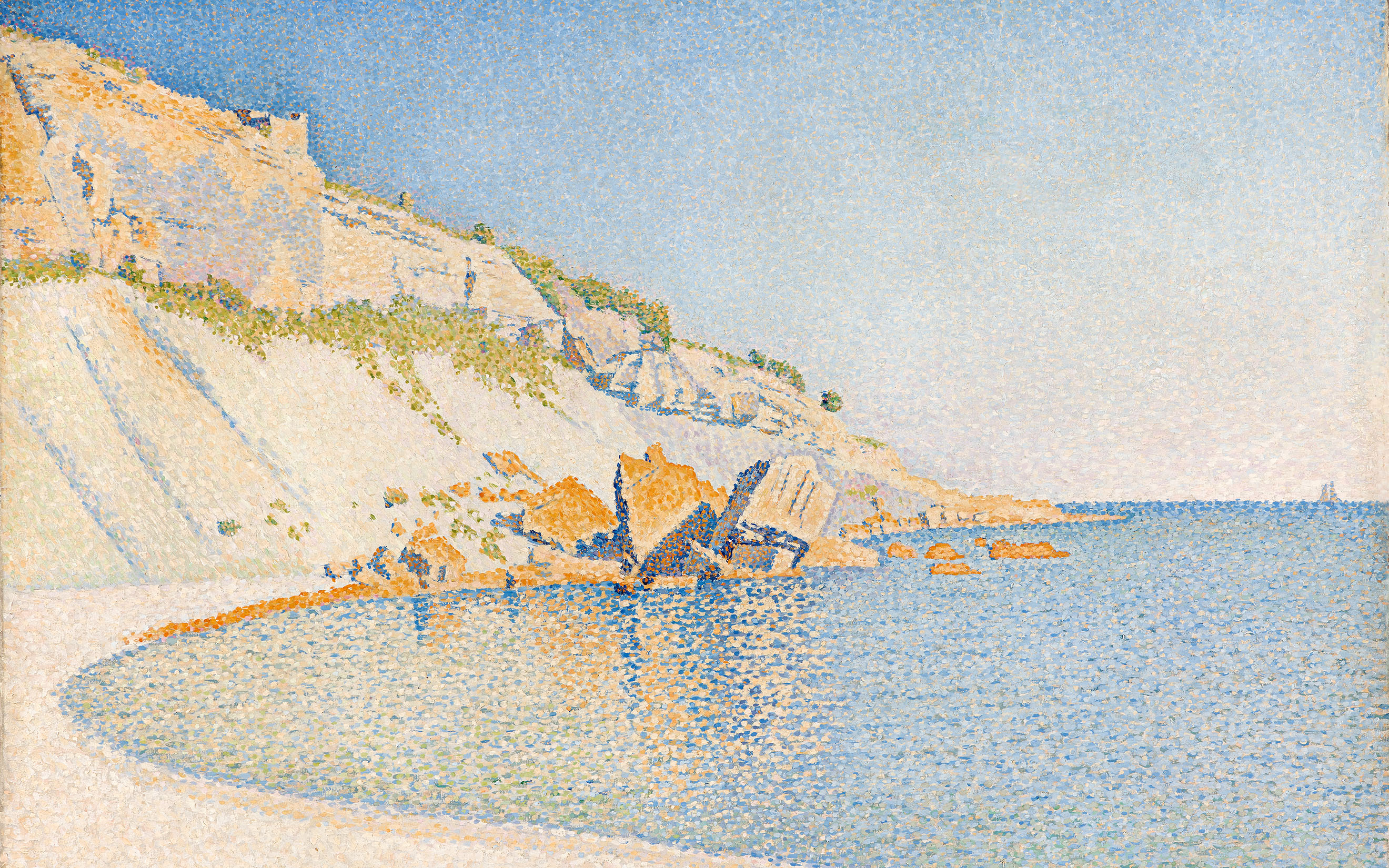
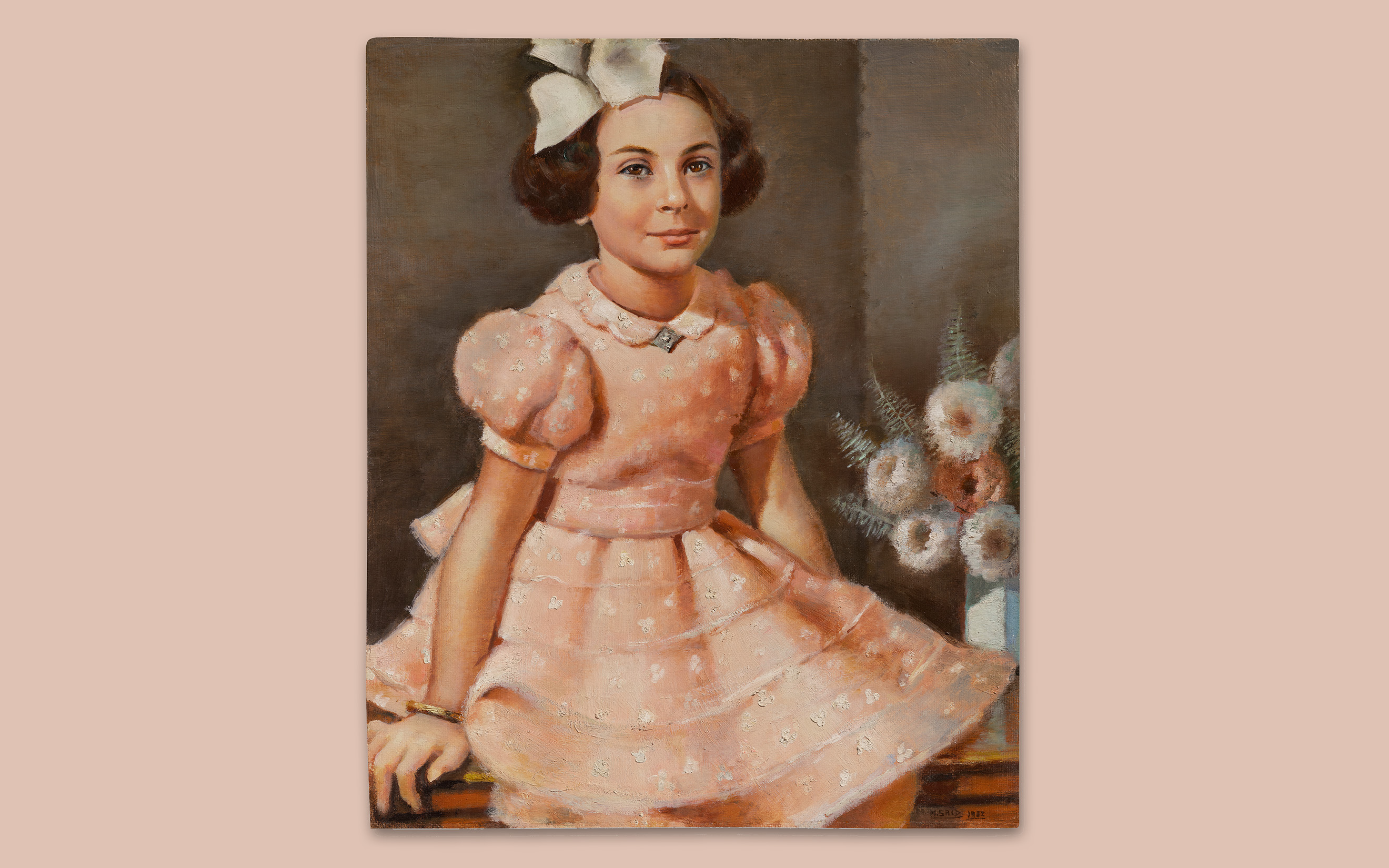
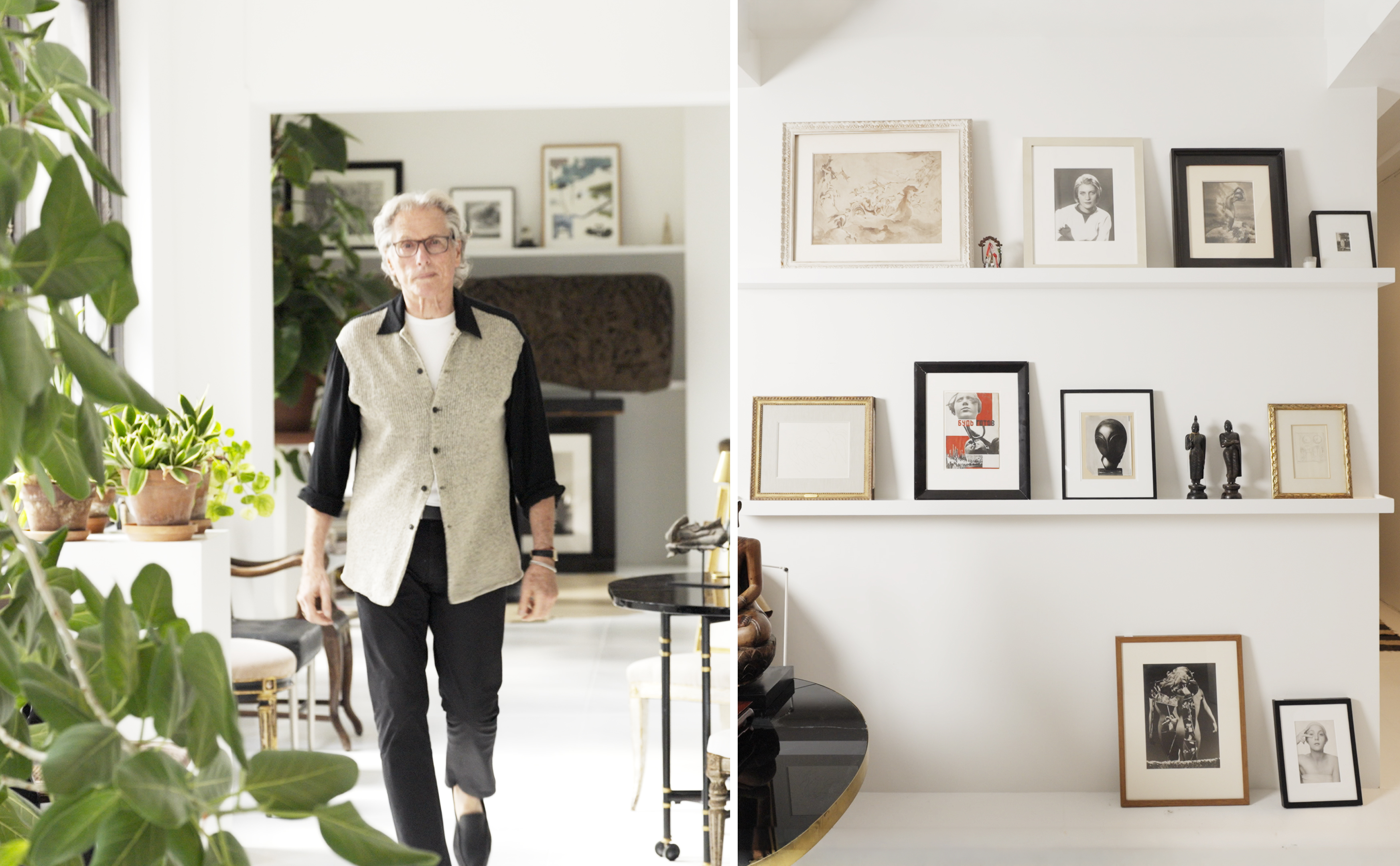
The photography collection of Roger Therond: ‘One is always looking for the image that seems to have been made for oneself’
Assembled by the editor-in-chief of Paris Match over several decades, the collection amounts to a history of the medium in France from the 1850s to the 1960s, full of unforgettable images and extraordinary rarities. It is now being offered over three sales at Christie’s in Paris and online

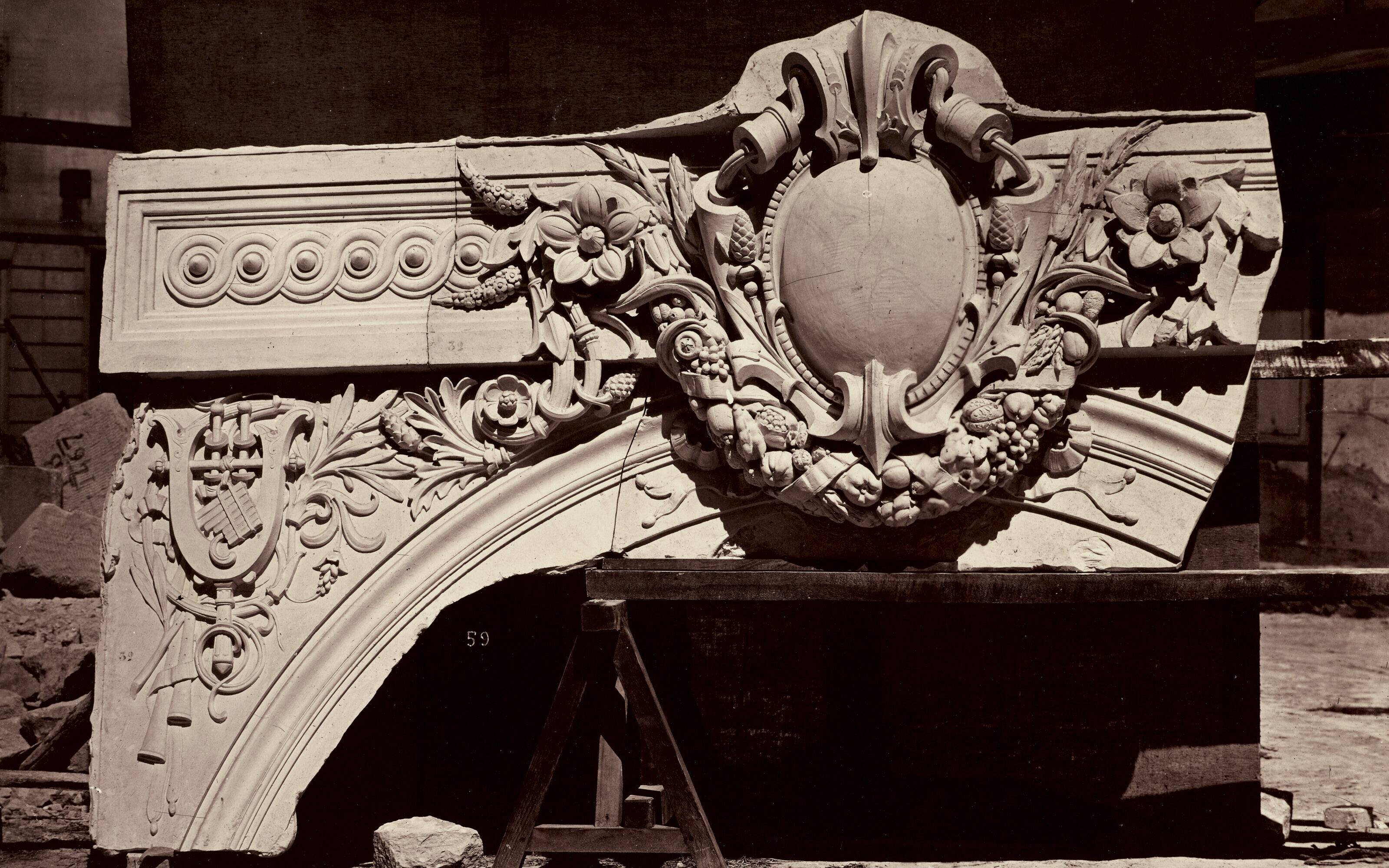
Left: Félix Teynard (1817-1892), Egypte et Nubie, Sites et Monuments les Plus Intéressants pour l’Etude de l’Art et de l’Histoire. Paris and London: Goupil & Co. and Gambart & Co., 1851. Estimate: €300,000-500,000. Right: Nadar (Félix Tournachon) (1820-1910), Autoportrait avec sa femme Ernestine et son fils Paul, vers 1863. Gelatin silver print, printed circa 1900. Image: 20.3 x 15.5 cm (8 x 6⅛ in). Estimate: €10,000-15,000. Both offered in Collection Roger Therond, une passion française — Evening sale on 13 November 2026 at Christie’s in Paris
In 1999, one of the most remarkable photography exhibitions ever to be staged in Paris opened at the Maison Européenne de la Photographie. Une passion française brought together 240 works from the collection of Roger Therond, editor-in-chief of the hugely popular magazine Paris Match. Therond had an instinct for images that would seize the public imagination, earning him the nickname ‘The Eye’ from Henri Cartier-Bresson. During his tenure, the magazine showcased a golden age of photography.
Instinct aside, Une passion française revealed Therond’s absolute devotion to the craft. For more than 30 years, the editor, armed with a torch and a magnifying glass, had spent his evenings and weekends hunting for vintage photographs in bookshops and flea markets, as well as visiting galleries, auction houses and other relevant institutions. The thousands of prints he accumulated formed an extraordinary history of the medium.
‘He discovered amazing things,’ says Elodie Morel-Bazin, European head of Photographs at Christie’s in Paris, ‘and he also saved hundreds of images from certain destruction.’ In the early 1970s, market traders at the Porte de Clignancourt used to wrap their goods in pages torn from old photo albums. ‘There was little understanding of what these images were, so he was creating a very important archive.’
Roger Therond in his office at Paris Match for the magazine’s 50th anniversary. Photo: Michel Marizi
In 1985, Therond sold part of his collection to the Musée d’Orsay in Paris, most notably daguerreotypes by Baron Gros from the 1850s depicting the ancient ruins of Athens, and plates from an album documenting the travels of the Duc de Chartres in the Middle East. When asked what had led him to collecting photography, he said: ‘I think collectors generally begin without any preconceived idea — they are simply captivated, and one photograph leads to another. Gradually, something takes shape that exists in its own right and becomes a kind of self-portrait.’
That self-portrait began in the Mediterranean port of Sète, near Montpellier, where Therond was born in 1924. He trained as a journalist and worked as a reporter before joining Paris Match in 1949. With a substantial budget at his disposal, he courted the great photographers of the age, among them Cartier-Bresson, Brassaï and Robert Capa, while championing younger talents such as Helmut Newton. The magazine’s circulation soared, thanks to its heady mix of celebrity gossip and reportage. When sales hit the million mark, Therond coined the phrase ‘the weight of the words, the shock of the photos’ to explain his Midas touch.
.jpg?maxWidth=3200&maxHeight=2400)
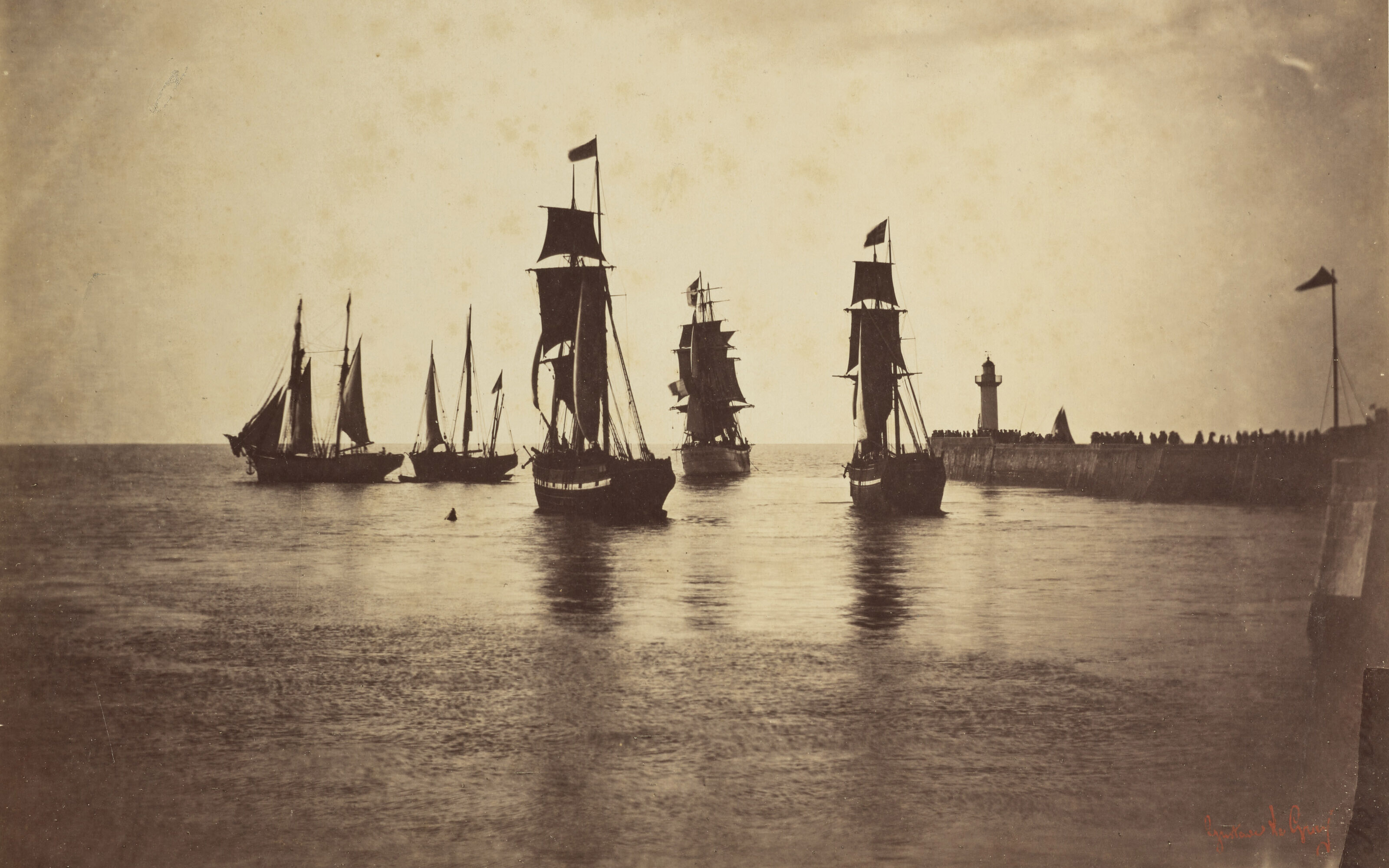
Gustave Le Gray (1820-1884), Marine, bateau quittant le port, 1856-1857. Albumen print, from two collodion glass negatives, mounted on card. Image: 33 x 43.8 cm (13 x 17¼ in). Estimate: €500,000-700,000. Offered in Collection Roger Therond, une passion française — Evening sale on 13 November 2026 at Christie’s in Paris
A quarter of a century after Therond’s death in 2001, Collection Roger Therond, une passion française is being offered at Christie’s in Paris across three auctions: evening and day sales on 13 and 14 November 2026, and an online sale, 6-17 November. Spanning the early days of photography in the 1850s to the avant-garde experiments of the Surrealists in the 1930s and beyond, the collection offers both a history of French photography and a portrait of the collector.
The story begins with Marine, bateau quittant le port, 1856-1857, an early, sepia-toned seascape of Sète, Therond’s home town. It is by Gustave Le Gray, a pioneering figure who was among the first to use photography as an artistic medium. Like J.M.W. Turner, he sought to capture the sublime in the natural world.
.jpg?maxWidth=3200&maxHeight=2400)
Jacques Henri Lartigue (1894-1986), Guitty, Biarritz, 1905. Image: 10 x 6.5 cm (4 x 2½ in). Gelatin silver print. Estimate: €20,000-30,000. Offered in Collection Roger Therond, une passion française — Evening sale on 13 November 2026 at Christie’s in Paris
The sea would remain an enduring theme for Therond: for the cover of his 1999 exhibition catalogue, he chose the photograph Guitty, Biarritz, 1905 by Jacques Henri Lartigue, which shows a young woman running into the Atlantic surf, her black coat flying behind her like a raven’s wings — a headlong dash into the Belle Epoque, with all its promise of modernity.
Eugène Atget brings his uncanny silence to the Ile Saint-Honorat near Cannes, where a fortified monastery sits in lonely isolation; and there are 12 photographs by the Surrealist Dora Maar, including one of Picasso in 1937, sitting on the beach with a bull’s skull. Maar’s images embody what André Breton described as the ‘derangement of reality’: the Surrealist impulse to take something familiar and transform it into something strange and disquieting. Sans titre (Mannequin-Etoile), vers 1935 is a striking portrait of a woman with her head concealed by a star. ‘It is a mystery,’ says Morel-Bazin. ‘Dora Maar never said who the model was, or where it was taken.’ It is thought that it might have been made to illustrate Breton’s poem ‘Mad Love’, about his infatuation with the artist Jacqueline Lamba, who became his wife.
.jpg?maxWidth=3200&maxHeight=3200)
Man Ray (1890-1976), Le Baiser, vers 1930-1931. Gelatin silver print, mounted on paper. Image: 23 x 17.6 cm (9 x 6⅞ in). Estimate: €250,000-350,000. Offered in Collection Roger Therond, une passion française — Evening sale on 13 November 2026 at Christie’s in Paris
.jpg?maxWidth=3200&maxHeight=3200)
Dora Maar (1907-1997), Sans titre (Mannequin-Etoile), vers 1935. Gelatin silver print, mounted on card. Image: 29.7 x 16.9 cm (11¾ x 6⅝ in). Estimate: €100,000-150,000. Offered in Collection Roger Therond, une passion française — Evening sale on 13 November 2026 at Christie’s in Paris
In Man Ray’s Le Baiser, vers 1930-1931, two lips almost touch, and there is a constructivist sense of drama and obsession in the ecstatic blur of shadows and light. It’s an image that highlights the personal nature of Therond’s collection. Not long before he died, Therond reflected on his fascination with the photographic medium and its power over the beholder: ‘One is always looking for the image that seems to have been made for oneself, and in the end this creates a world of its own.’
Sign up for Going Once, a weekly newsletter delivering our top stories and art market insights to your inbox
Collection Roger Therond, une passion française is on view 7-14 November 2026 at Christie’s in Paris. Explore the auctions
.jpg?mode=max)
.jpg?mode=max)
.jpg?mode=max)
.jpg?mode=max)
.jpg?mode=max)
.jpg?mode=max)
.jpg?mode=max)
.jpg?mode=max)
.jpg?mode=max)
.jpg?mode=max)