T f T is very NOW!
https://galeriavantag.blogspot.com/2026/02/t-f-t-flipados-team-digital-collage.html


\\\|||///
T f T is very NOW!
https://galeriavantag.blogspot.com/2026/02/t-f-t-flipados-team-digital-collage.html
\\\|||///
Art history is being made in real time but that won’t stop you from being ghosted for someone higher up the food chain. Just don’t take it personally, advises Janelle Zara in a new diary from Miami’s biggest fair.

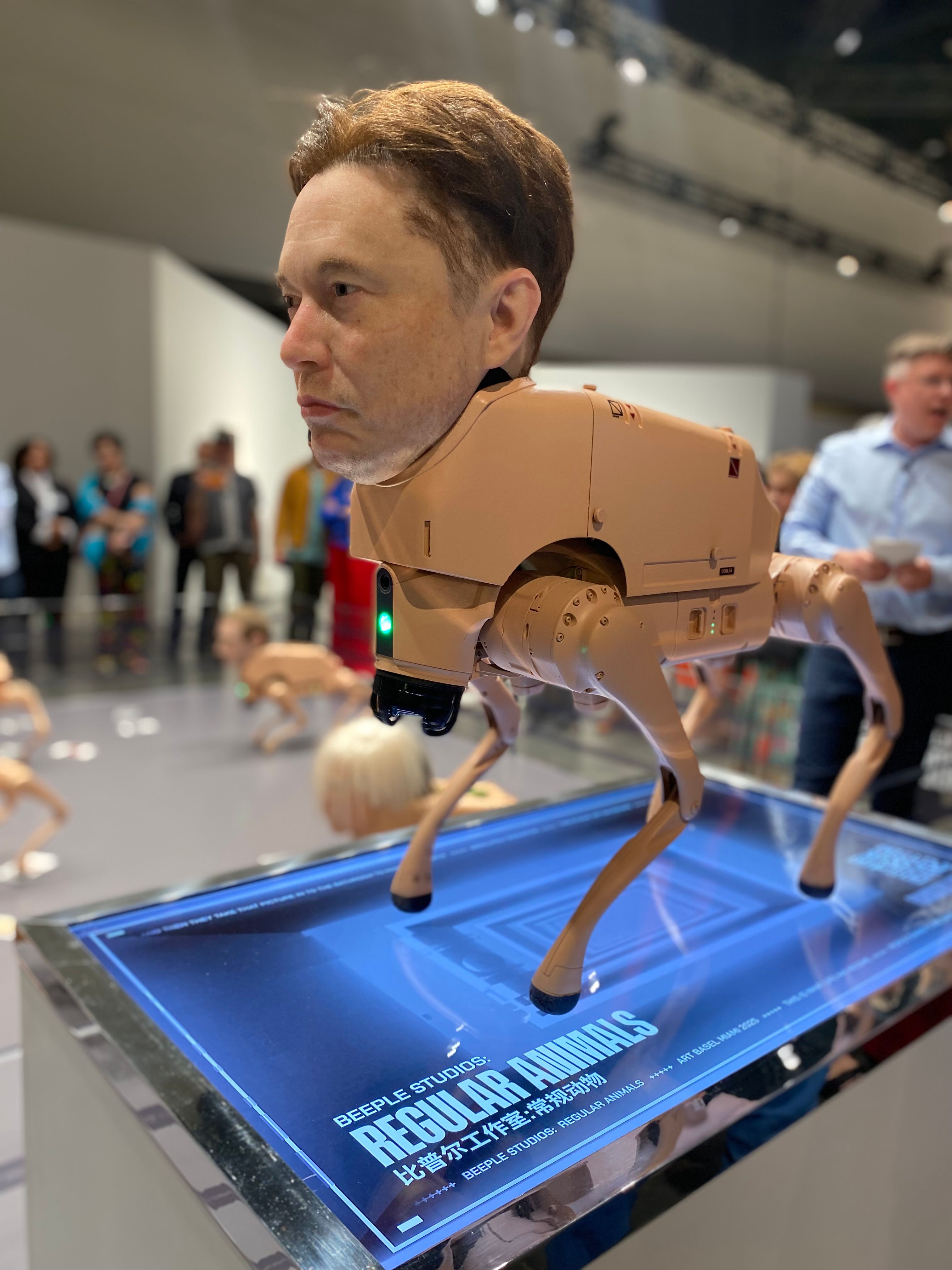
On Wednesday afternoon, a few hours into First Choice at Art Basel Miami Beach (ABMB), a woman introduces herself to Mike Winkelmann, the American artist better known as Beeple, as ‘Blockchain Ben’s mom’. Standing in the plexiglass pen of Regular Animals (2025), Beeple’s group of fleshtone robodogs with the hyperrealistic faces of artists and tech billionaires, I couldn’t help but wonder: Is Blockchain Ben 13 years old or 35?
This is my third day in Miami, on what is maybe my eighth or tenth time attending ABMB since 2010. What’s different this year is Zero 10, a new sector at Art Basel for ‘art of the digital age’, another way of bringing some speculative energy back into the mix. When Beeple turns to me to ask how I interpret the piece, I tell him, ‘This is my worst nightmare’: a future in which tech oligarchs control our military weapons and surveillance technologies. The robodog next to us poops out an AI-generated photo; a woman points to it and asks, ‘Who’s that?’ Beeple replies, ‘That’s Picasso. Shame! You guys need to learn your art history.’
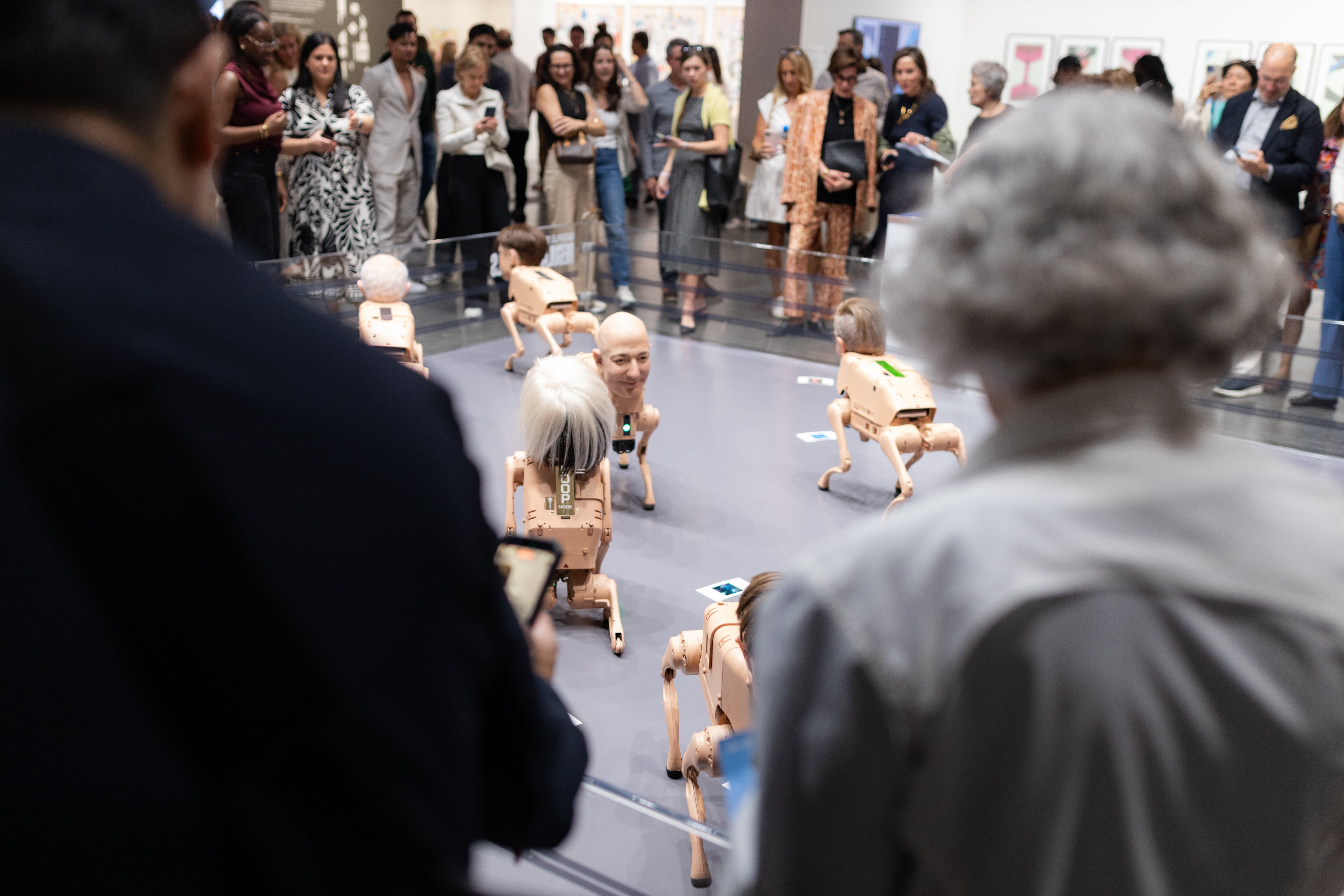
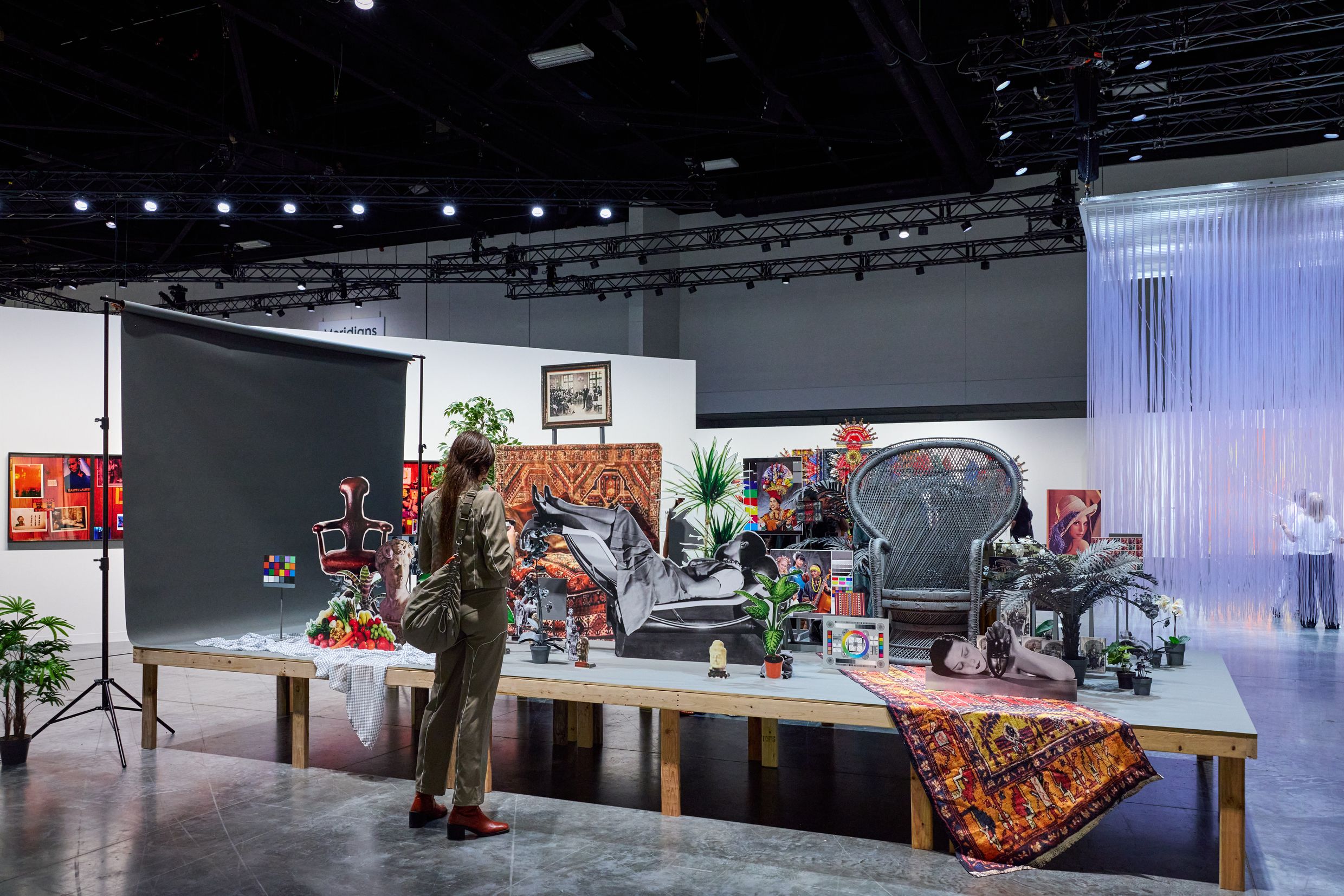
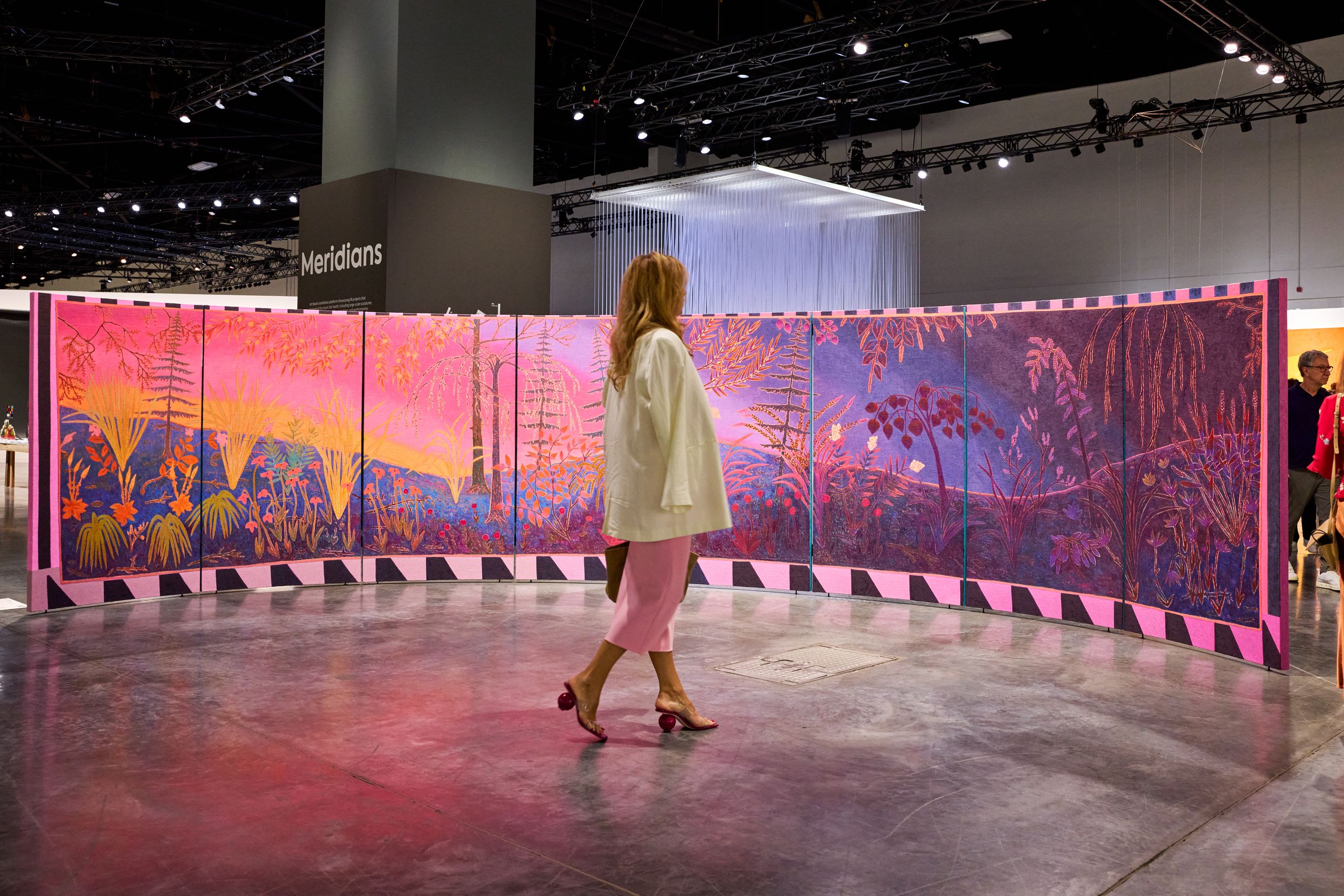

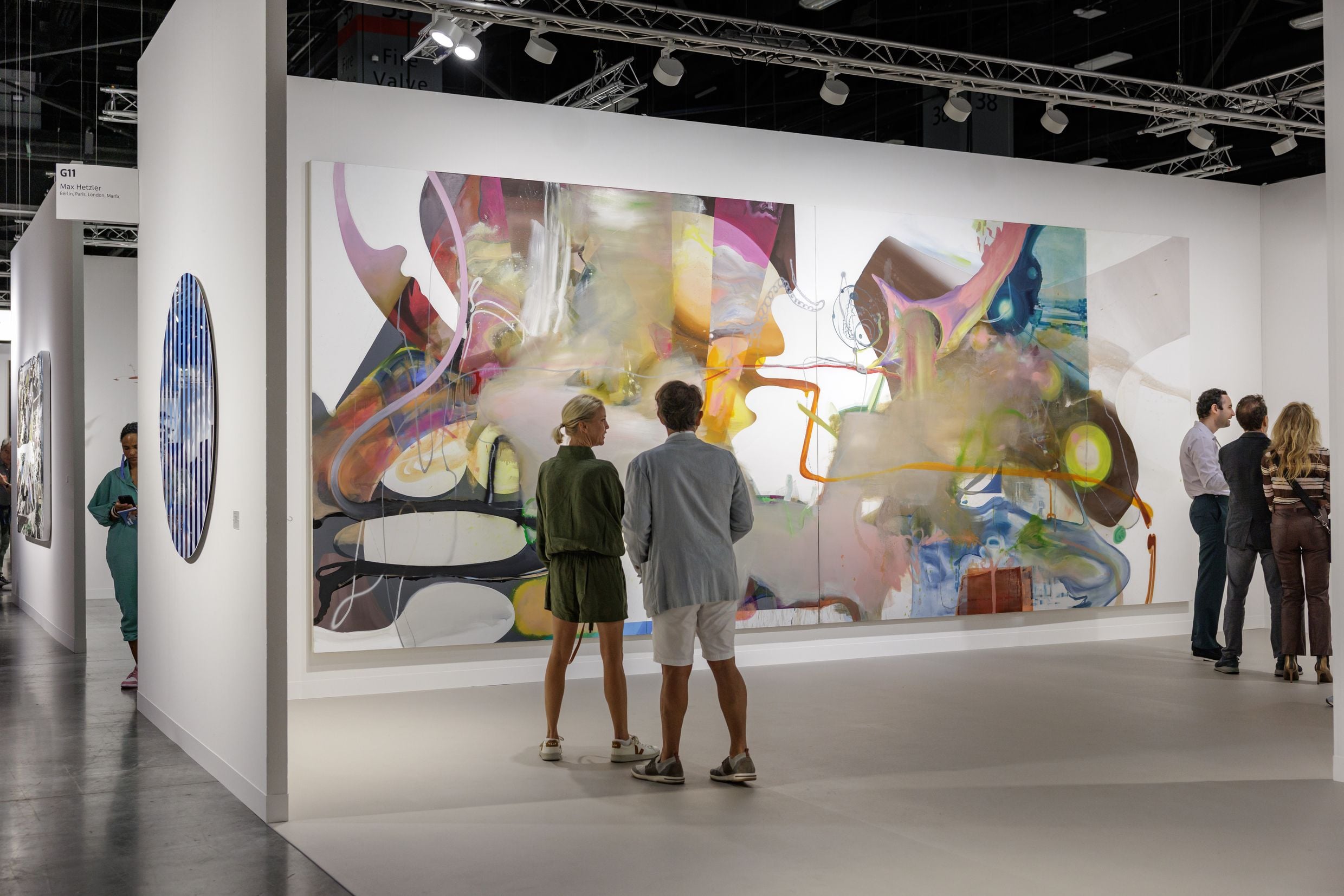
This is the art you get in the absence of art history, but everyone deserves to experience the art that moves them. What we’re witnessing now is the tech industry making their own art history in real time, using AI to trace their handprints onto the cave walls. Despite not being to my taste, I think Beeple is not only a legitimate artist but an artist of his time—a period shaped by the end stages of capitalism and a dwindling aesthetic sensibility. Real People is also a less-good version of Sun Yuan and Peng Yu’s Old People’s Home (2007).
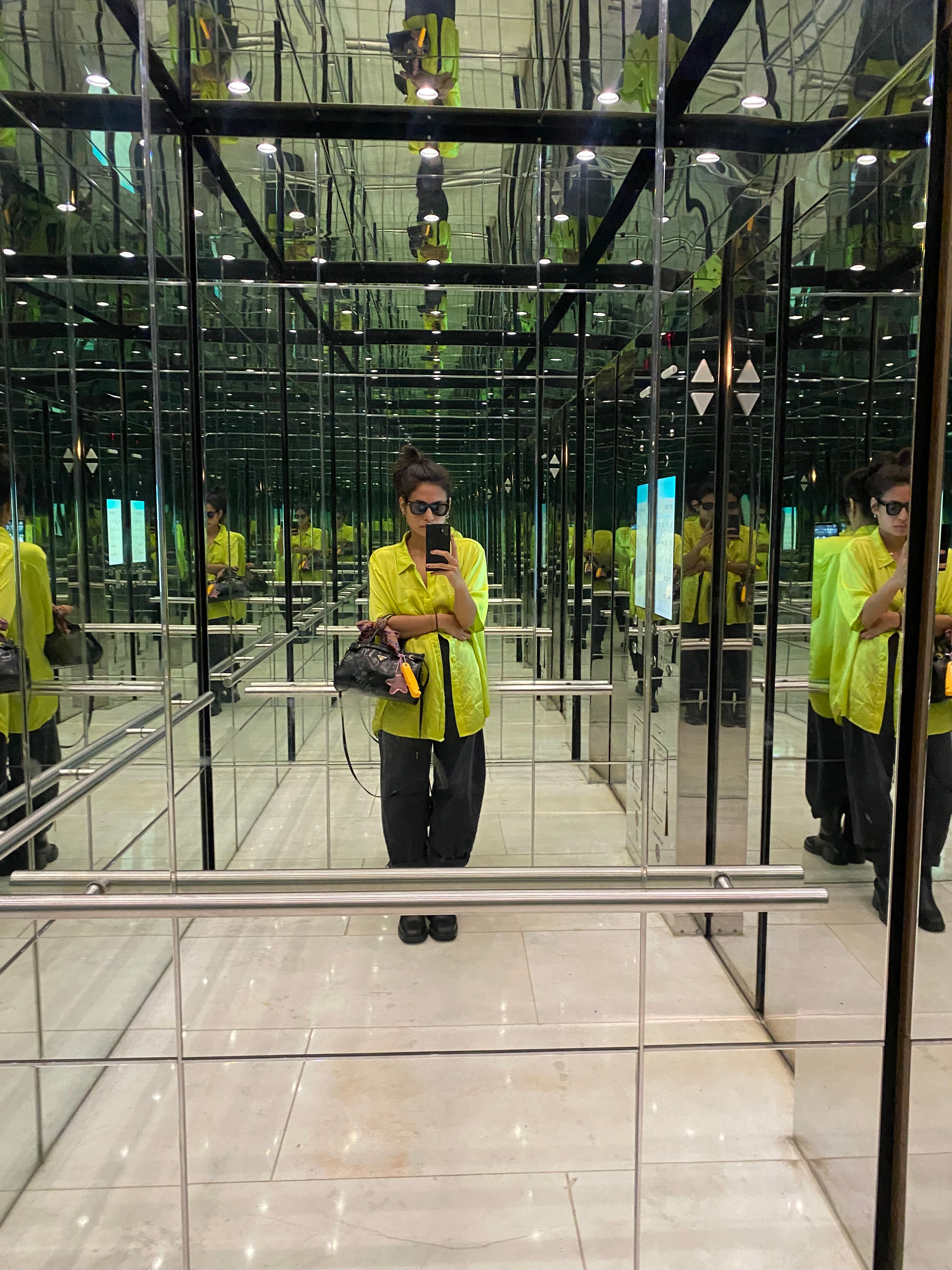
Reach for the most expensive-looking version of you. I also like to put on a pair of sunglasses light enough to wear indoors or at night to prevent overstimulation. It’s like lowering the display contrast on your phone. I don’t care if it makes me look like an asshole.

On the ground, you can feel that the economic conditions of ABMB’s halcyon days no longer exist; the seated dinners and all-night open bars we once enjoyed have been replaced by light bites and two-hour cocktails. The challenge ahead for young artists whose markets have collapsed is developing their practice until it matches its price tag. But otherwise, things are great. There’s a lot less filler art, and ‘the volume of peripheral people has gone away,’ says Tury Sandoval, one half of the L.A. artist duo FriendsWithYou. ‘What remains is the people that can’t help it.’ Tensions among dealers are consequently high. When I run into a Gagosian director in the bathroom, we hug, scream ‘Hiiiiiii!’ and diligently keep it moving. As I leave, a publicist bestie who’s here for the first time (throughout this story, we’ll pseudonymously call her ‘Veronica’) texts me:
i just told someone that this whole week is sinister hahahaha am i actually having fun or overcompensating
You mean when someone abruptly abandons your conversation for someone with more money or prestige? No, you shouldn’t. Almost everyone is here just to make money, and a lot of them are on cocaine. All of us have been ghosted for someone higher up on the food chain, and eventually, you’ll do it to someone else too.
In a heartbeat. I’m one of the people who can’t help it.


At the Pace dinner (Mediterranean, standing) my boyfriend Joe Reihsen and I make small talk with a collector couple, and we like none of the same things. The next night Veronica and I arrive so late to the dinner co-hosted by Malta International Contemporary Arts Space and galleries Xavier Hufkens and Karma (seated, featuring special guest ambassador of Malta) that we’re shuffled to an empty overflow table. Remarks go into overtime just as we stand to leave, so I sit back down while she takes off running. She mouths ‘sorry, girl’ from the exit, but honestly I’m not even mad.
Once your eyes adjust, the silver light of a full moon can feel like the sun. The one time I go to the beach is Thursday night to watch American artist and musician Cynthia Daignault destroy one of her paintings, a performance she began a decade ago by assigning each canvas a date of destruction. As she cuts the unstretched canvas with scissors, she speaks of the beauty of art outside ‘the church of commodity’. The moon intermittently disappears behind the clouds, shrouding the scene in darkness until the clouds pass, an apparent metaphor for the cyclical nature of death and rebirth. Nothing on this earth is meant to last, and not even change is permanent.


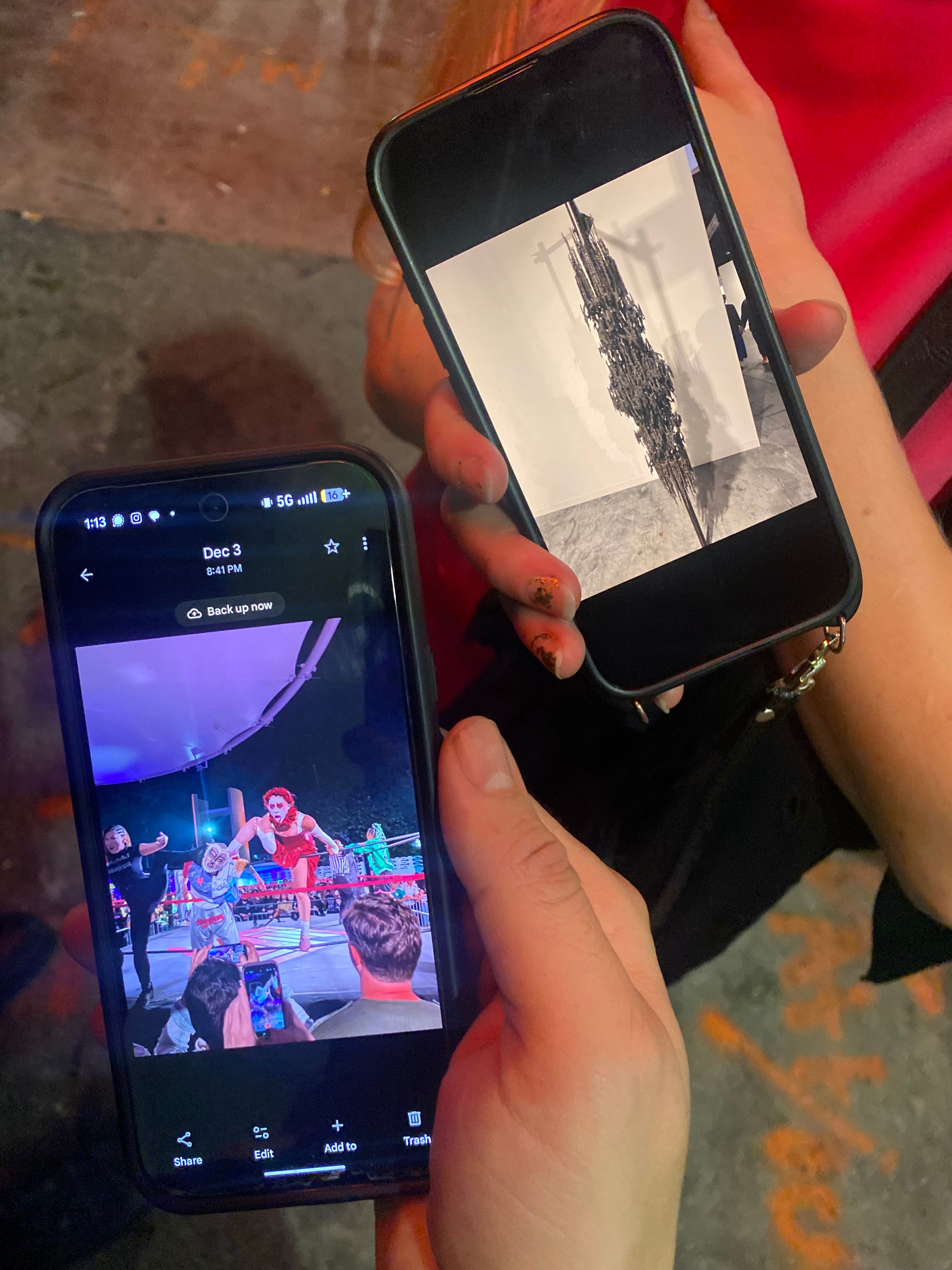
Did I mention that before leaving for Miami, I bricked Instagram on my phone? Suddenly my brain feels the most energised it has in a long time. In lieu of doomscrolling, brain rotting, thirst trapping, or FOMO, I’ve simply taken up smoking. Outside of Mac’s Club Deuce, I’m going through scrolling withdrawal with cigarette in hand, asking to see photos of the best things people saw. L.A. critic Andrew Berardini shows me a Japanese wrestler in a vinyl costume taking a boot to the face. Then I finally head to Twist, a gay labyrinth of multiple dancefloors and the one place in Miami I feel fully actualised. On the way a man yells ‘FASHIONABLE!’ at a woman crossing the street, the best catcall I’ve ever heard.
At the bar I order the trifecta: a club soda for hydration, a Coke Zero for caffeine, and a tequila soda to keep the party going. Suddenly its 5am, Friday morning, and my bestie for the night (a handsome art media guy I met a few hours ago) asks, ‘Do you have a lot of work tomorrow?’ This is gay for ‘Can you leave so I can hook up?’ and so I happily oblige; my man is actually at the hotel waiting for me. He’s asleep when I get in at 6am, and I unbrick my phone, releasing a deluge of internet slop into my brain. Wow, I think. I’ve missed so much yet nothing at all. At 8:40am I start getting ready for my 9am interview with Mexican artist Abraham Cruzvillegas, desperately hoping that washing my face is enough to make me look normal. I arrive at 9:01am with sunglasses over my eyes, and the artist is standing in line for coffee with bare feet on the linoleum floor. We have a great interview, I think. He says, ‘People don't need to buy art’—the last thing Art Basel would like to see in print. Hans Ulrich Obrist walks out of the elevator and we pretend not to smirk.
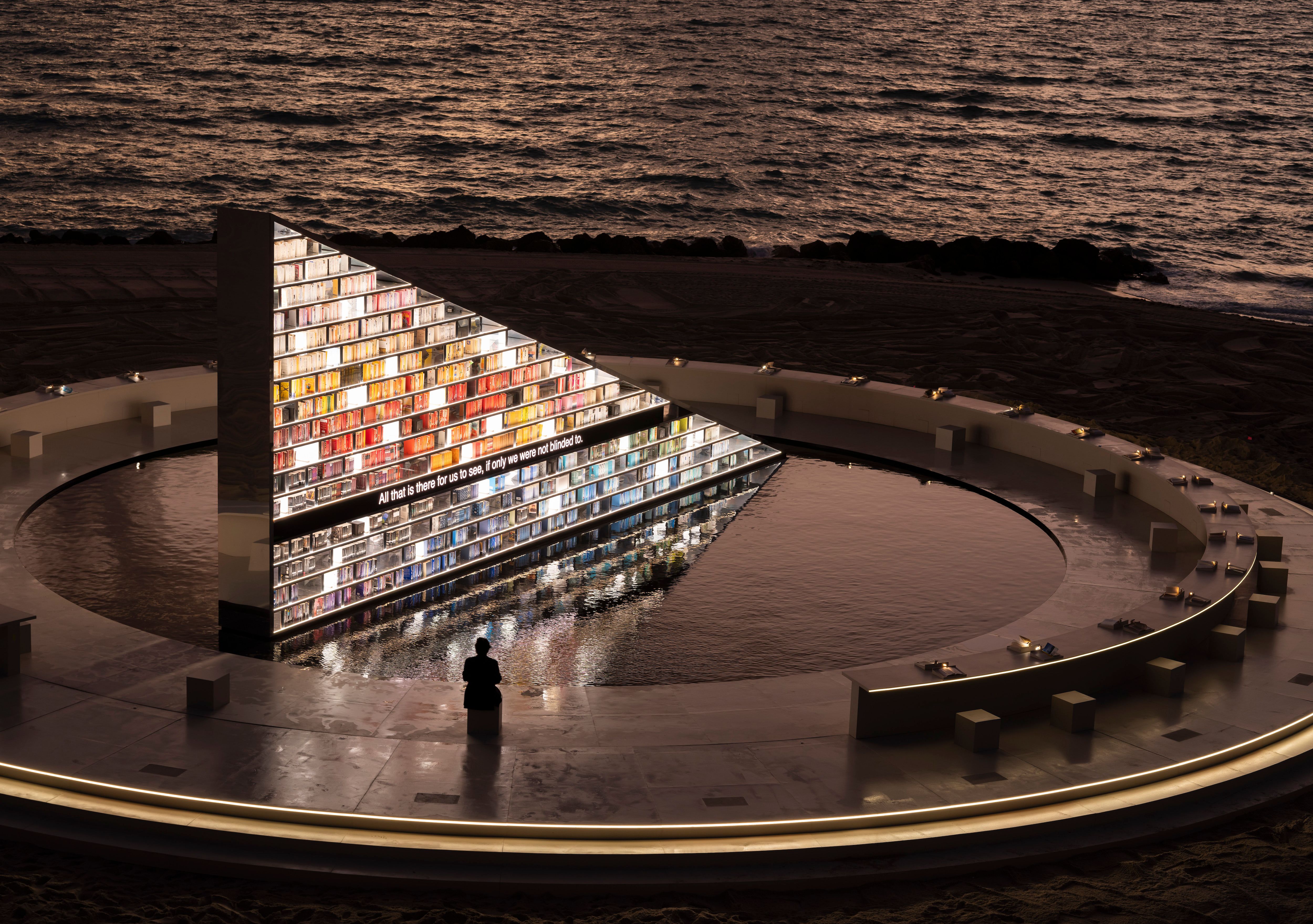
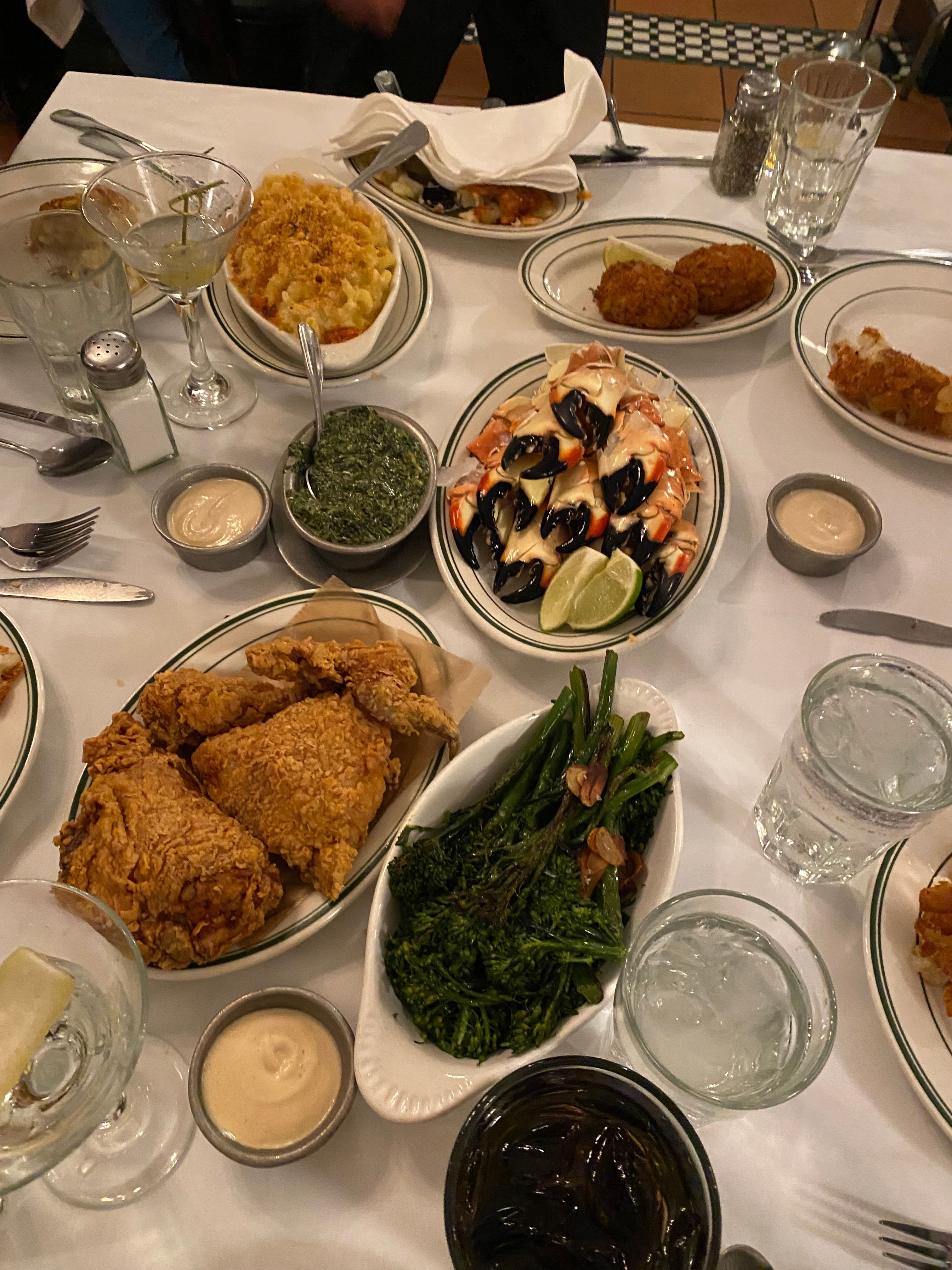
For five people at Joe’s Stone Crab on Friday night, I order for the table: two portions of the large claws, lobster mac and cheese, broccolini, crab cakes, fried chicken, and creamed spinach. A nearly perfect amount of food. The waiter asks us if we’ve seen ‘that library on the beach’—English celebrity stage designer Es Devlin’s Library of Us, a rotating sundial of books. ‘Art Basel’s come a long way since the banana.’
Swimming through the Silencio crowd in the basement of EDITION, I hear a Gen Z voice say, ‘I heard Miami is kinda Millennial.’ A chorus of young women reply, ‘OMG it issssssss!’ I feel the elation of basking in the glow of the stage and a mix I’ll call ‘Millennial Nostalgia (Electronic)’: Metronomy, Feist, et cetera, with a club beat. The music switches to techno so I go upstairs to recharge in the safest of safe spaces: the patio of EDITION’s restaurant, Matador Room, where my boyfriend, his best friend Tony Lewis, Tony’s wife Emily, and gallerist Eric Gleason are drinking a bottle of something very expensive. I put on my sunglasses and recline to rest my eyes, and Ray Bulman, senior director of The Hole, asks me if I’m having a stroke. Veronica arrives and says that she felt euphoria on the dancefloor. She says the thing I’d been hoping she’d say: ‘I’m having a great night.’ —[O]
Never have we produced more images than at the time of their death. A million sharp knives carefully planted into the beating heart of the image. It looks around. Et tu? Yes, you. Yes, I. Yes, we. We have killed the image. 2025 will go down as the year the image died.
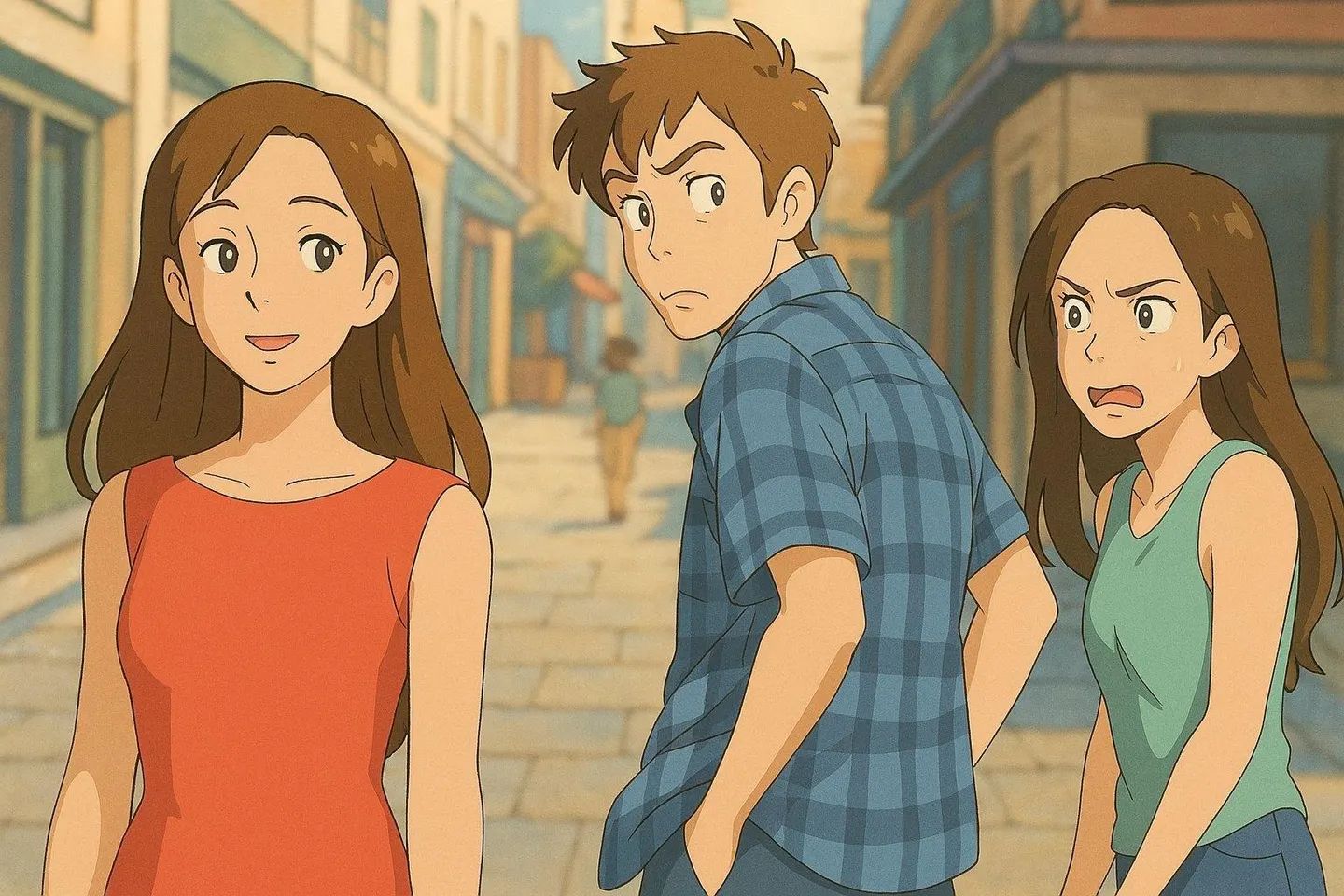
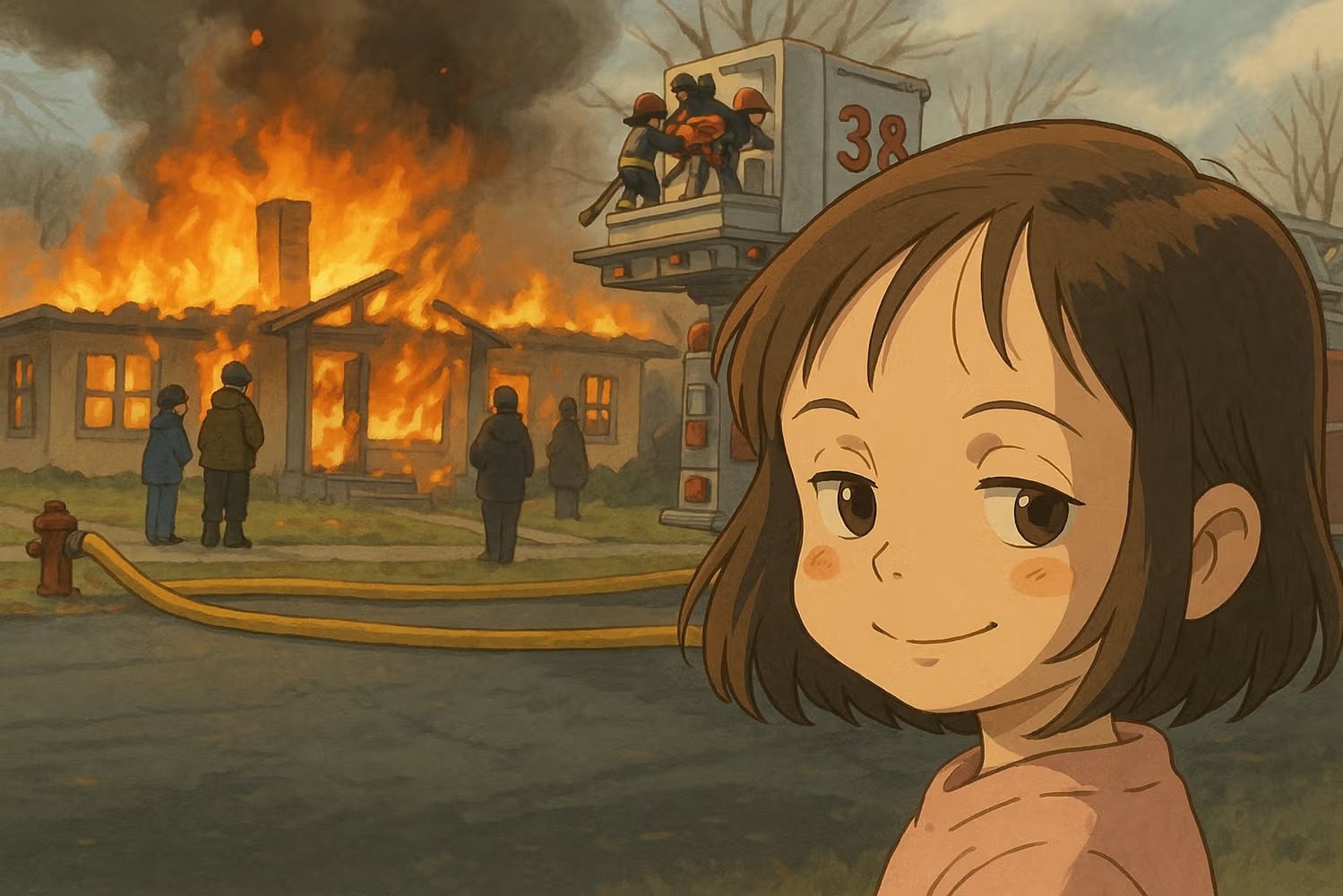
One of my favourite image-related anecdotes of the year occurred in March, when OpenAI released a new image model with a style emulation feature that took the internet by storm and pushed AI-image generation into the mainstream. Specifically, the storm swirled around the model’s ability to generate images in the style of beloved animation company Studio Ghibli. It allowed users to input an image, which the model then returned as a cute cartoon version in the style of Japanese animator and filmmaker Hayao Miyazaki’s whimsical films. The most interesting datum was that, in the week of its launch, 700 million images were produced, a significant amount of which were in the pseudo Studio Ghibli style. I want to pause here for effect because that number is absolutely insane: 700 million images. In comparison, in 2022 (according to Domo’s Data Never Sleeps report), all Instagram users grouped together produced just 665 million posts per week. We are being inundated with so-called images, at the exact moment that they are slowly dying and losing their power.
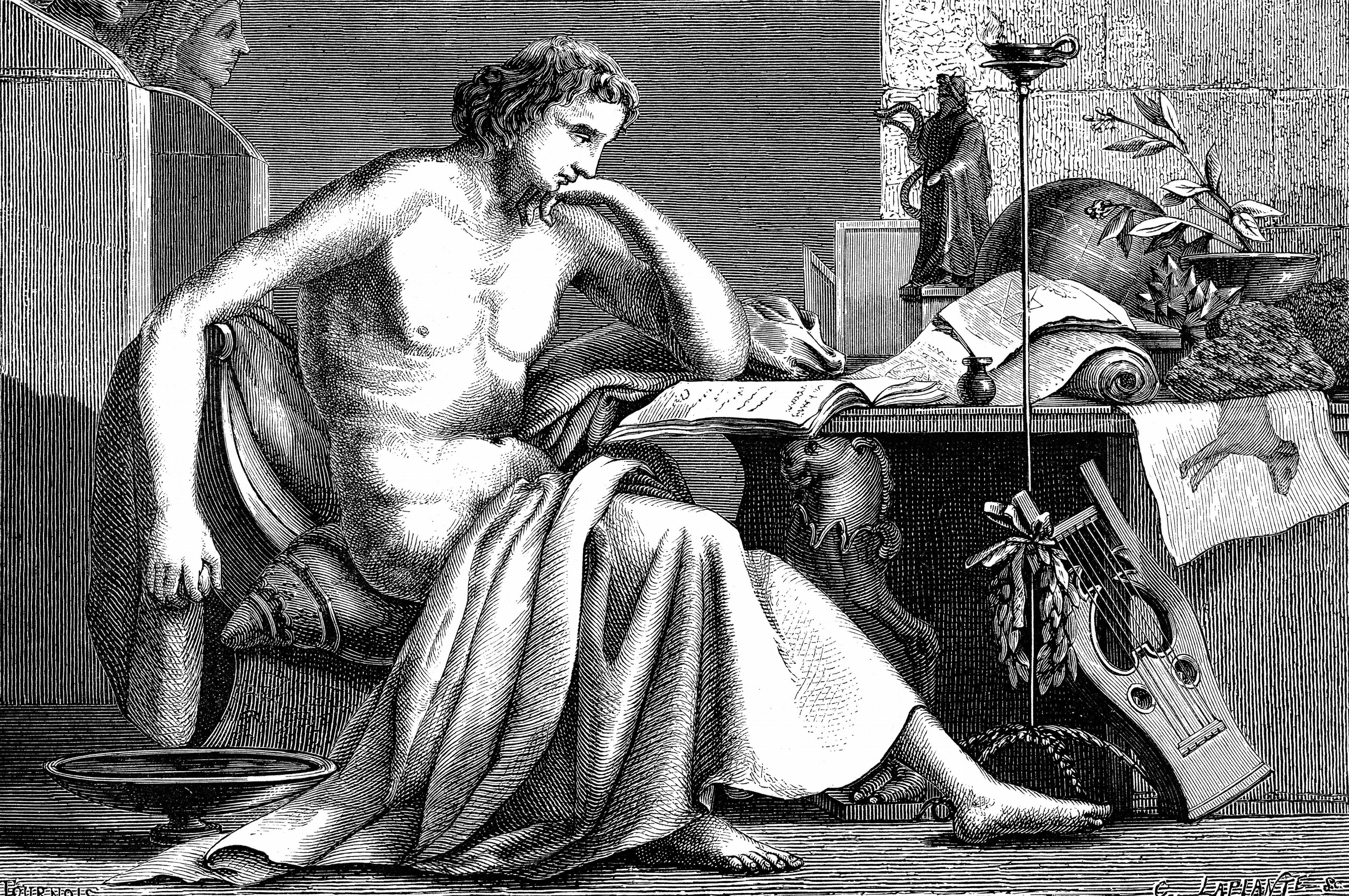
Images had a good run. For around 75,000 years, we used them to create representations of our physical world. Images were tools of ‘mimesis’ aiming to represent nature. In around 340–322 BCE, Aristotle wrote in De Memoria et Reminiscentia of images as a medium of recollection. However, he also warned us in De Insomniis, another short work in the collection Parva Naturalia, about the potential for the dream-image to mislead, because the dream-image can be indistinguishable from waking perception. The soul, deprived of corrective sensory input, accepts images as if they were real. Though he was writing specifically about sleep and dreams, Aristotle intuits what later philosophers will identify, which is that images possess phenomenological force independent of truth.
This concept was renewed by philosopher Vilém Flusser many years later in his book, Towards a Philosophy of Photography (1983). He wrote: ‘Essentially, this is a question of “amnesia”. Human beings forget they created the images in order to orientate themselves in the world.’ This amnesia is one of the effects of images, which (when maintained in controlled numbers) we have enjoyed and utilised to produce culture. When immersed in a film, we temporarily forget that what we are watching is fiction. When we encounter a striking image, like the one of the Buddhist monks standing on rubble from the earthquake in Myanmar in April, the apocalyptic images of the L.A. fires, or even the crowds almost cinematically placed around the casket of Pope Francis, we forget the framing, the choices the photographer made. Unfortunately, when images overtake reality, they stop representing reality; they stop serving as evidence. They change and are no longer guides to make sense of the world. Rather, they exist as independent entities.
The death of the image was caused by two phenomena: the treachery of images and what I call ‘default fakeness’. In 2023, I wrote an essay called ‘The Treachery of Images’, which stated that the Image was entering a crisis—one being brought about by the advent of widely disseminated AI-generation technologies, specifically diffusion models, whose ability to produce realistic images was growing rapidly with time. The term ‘Treachery of Images’ comes from Surrealist Rene Magritte’s 1929 painting of the same name. The painting depicts a pipe juxtaposed with an inscription below: ‘Ceci n’est pas une pipe.’ Or, in English, ‘This is not a pipe.’ This is the paradox of the image: it represents the thing but is not the thing.
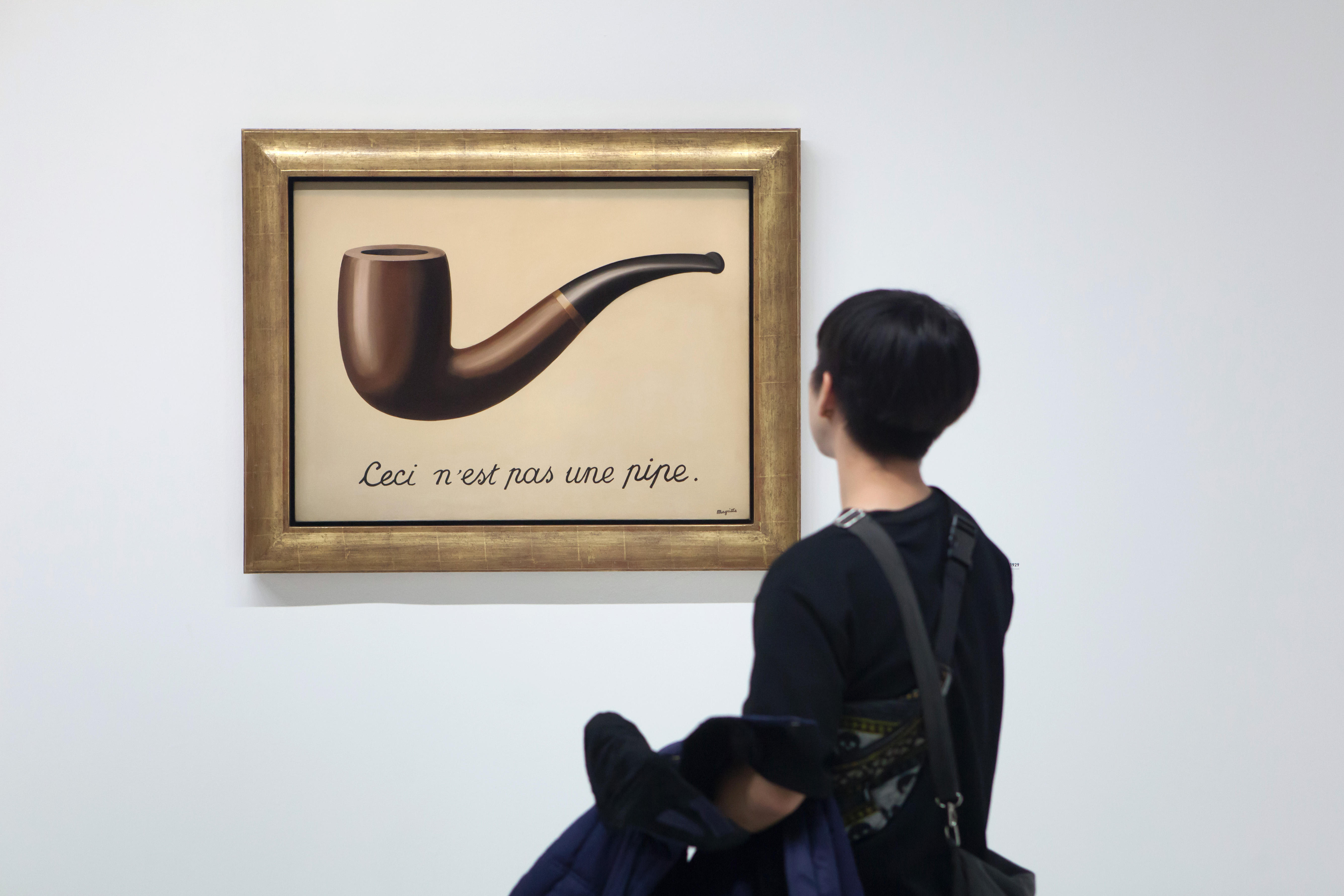

This crisis is what happens when the image is free from authorship and relationship to reality, when it is fully emancipated and transformed into a new entity, closer to Aristotle’s concept of the dream-image, an image with no relation to the material world. Think of it this way: the AI-image represents a rupture in the role of images (something many artists and theorists have tried to grapple with this year, including Hito Steyerl in her recent book Medium Hot). This theory captures something materially observable: that once humanity acquired the capacity to produce images, it did not—and, most importantly, could not—stop. In this generated deluge, the world is submerged by dream-images.
The other phenomenon is ‘default fakeness’. It’s an epiphenomenon of the first. ‘Default fakeness’ describes an epistemological change or a change in how we acquire knowledge when faced with the preponderance of computer-generated images. Because of the uncertainty that these generated images’ presence causes, we enter a state of epistemological scepticism, whereby the entirety of the image corpus is now put into question. Every image encountered now is seen as ‘default fake’. Upon encountering an image on X or Instagram, like the false image of the Hollywood sign going up in flames during the L.A. fires, and discovering it to be AI, we start to assume that all images are generated or fake until proven otherwise. Instagram has even instated a tag for AI-generated images for clarity.

I have previously written about an upcoming decisive moment: the time when there will be more AI-generated images than human images. I called this the ‘pictorial flippening’. In retrospect, there was an error in my calculations of when this moment would occur. I underestimated the exponential character of image production once the technical threshold had been crossed. I predicted that there would be fewer human images than AI-images by 2044. I had assumed a bold growth rate of 50 percent in our AI-image production and still I underestimated our societal desire to produce new, fictional images. That estimate now appears overly conservative and wrong. Given the velocity and ease of contemporary AI-image generation, we have already met the threshold. The treachery of images accelerates itself and we are in the world of exponentials and not linearity: the easier images become to produce, the more images we produce, and the faster reality is submerged beneath their accumulation.

Wakes and dirges can be sombre affairs, but the death of the image need not be sad. When images lose their representational power, we awake from our 75,000-year-long sleep and must orient ourselves through the world with new tools. Faced with an avalanche of images, reality regains its lustre. Suddenly, the real matters again, because it is all we can trust. In that spirit, Broadway attendance for live theatre increased 15 percent this year and Lyas’ fashion show watch parties, where people gather at bars to look at runways together, took off, causing lines around the block in New York and Paris. Through our newfound scepticism, we learn to love our senses and mediate the world with the immediate. The image is dead. Long live the image. When the funerary veil is lifted, when the grief settles, reality looks oh so lovely. —[O]


