 |
|---|
 |  |  |  |  |  |  |  |  |  |
|---|
| Private Museum Insights | 5 August 2026 |
|---|
| It Felt Like Saying Goodbye to the Family — Why Nurlan Smagulov Gave His Entire Art Collection Away |
|---|
|
|---|

| It Felt Like Saying Goodbye to the Family — Why Nurlan Smagulov Gave His Entire Art Collection Away |
|---|
| / |
|---|
| / |
|---|
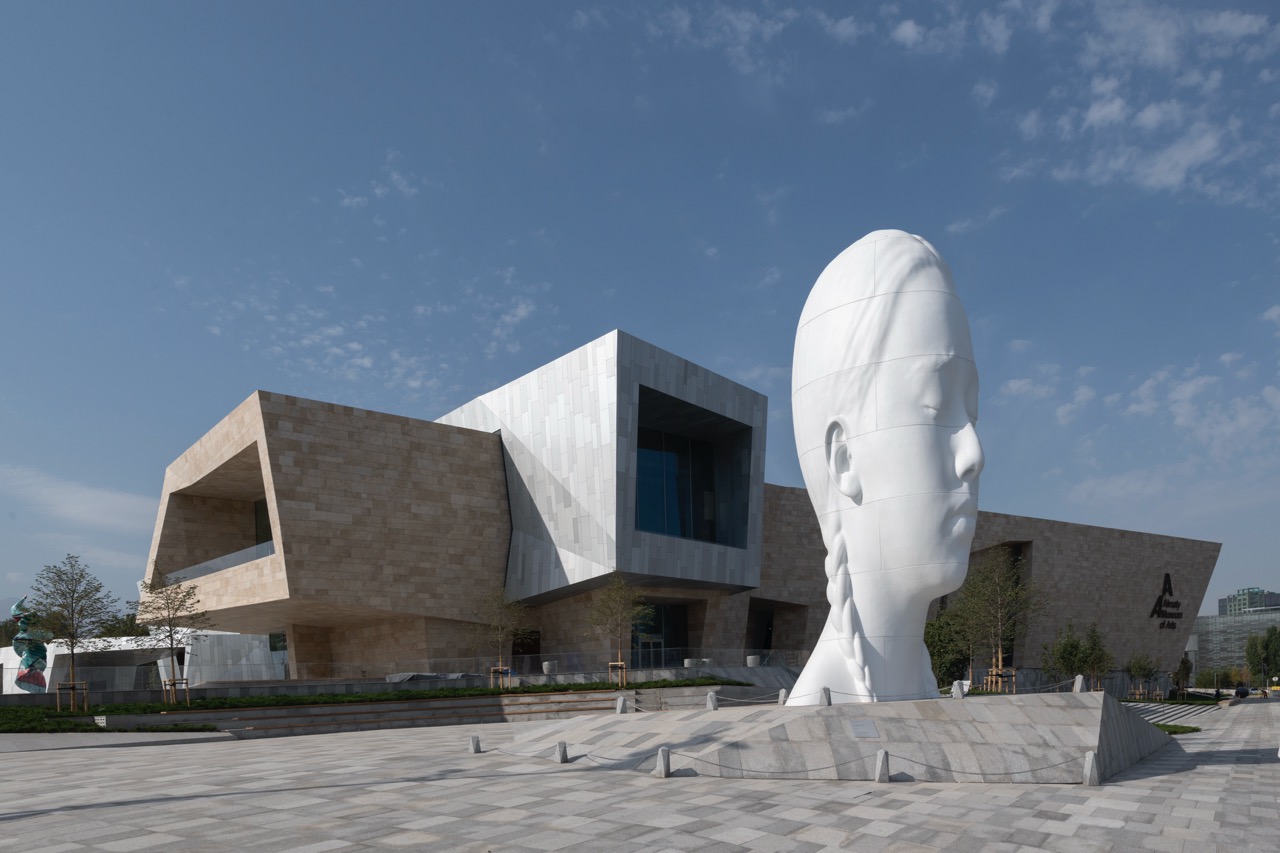
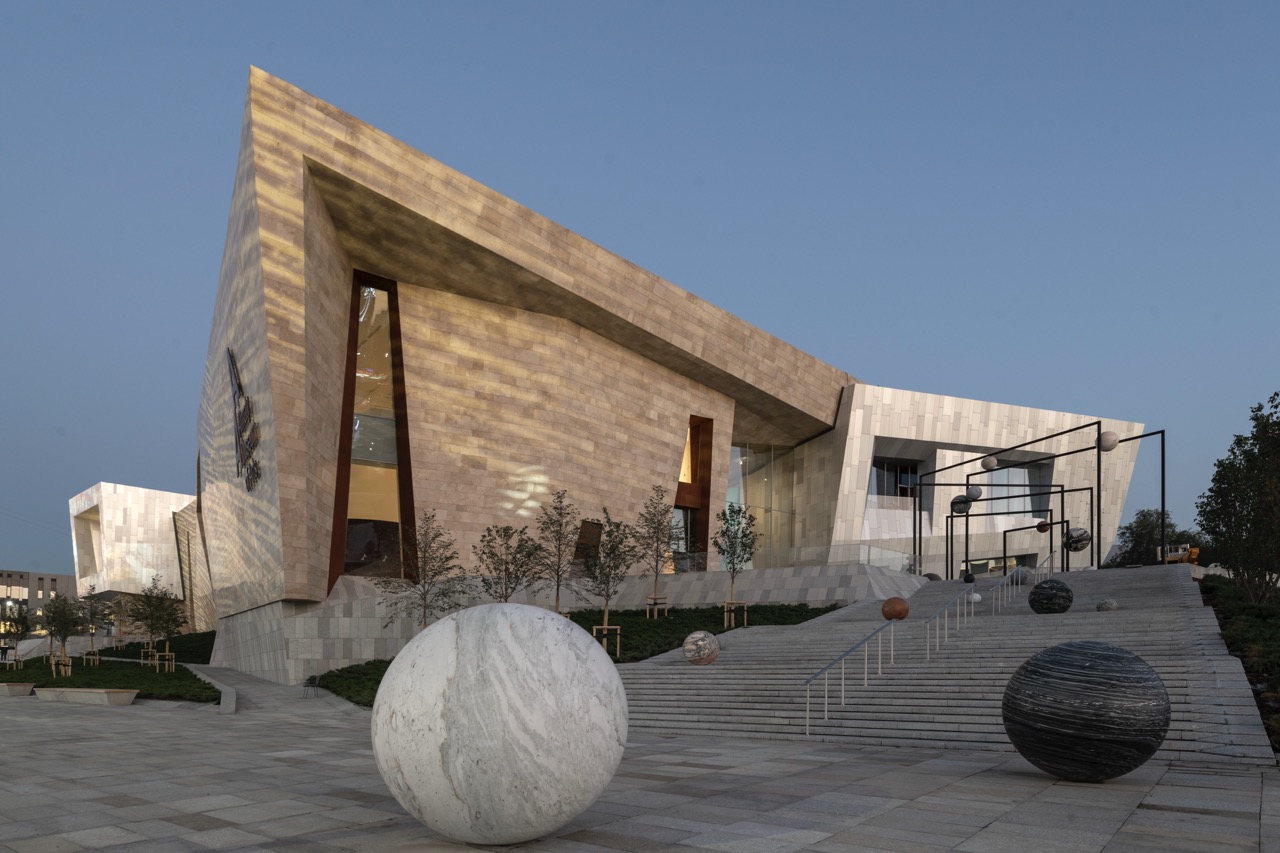
Opened in autumn 2025 in the heart of Almaty, Kazakhstan, Almaty Museum of Arts, founded by collector Nurlan Smagulov is the first museum of its kind in Central Asia. At the core of the museum is Nurlan’s personal collection. Accumulated over the past three decades, it features over 700 works of modern Kazakh art—one of the largest private collections of its kind. The museum has since continued expanding its collection, focusing on contemporary art from Kazakhstan, Central Asia, neighboring regions, and beyond, embracing a diverse range of media, genres, and perspectives. The museum’s design is inspired by the juxtaposition of Almaty’s natural landscape and urban environment, symbolized by two ‘L’-shaped structures—one representing the mountains, clad in limestone, and the other symbolizing the city, covered in aluminum. Currently, Almaty Museum of Arts is showcasing Bill Viola’s first exhibition in Central Asia and the first exhibition of this scale dedicated entirely to video art in the region. LARRY’S LIST spoke with Nurlan, who talked about his motivation to share his art collection with the public, how the museum cultivates audience, how the collection has evolved since being donated to the museum, why it is important to acquire works with which people form lasting relationships, and his visions for the museum in the upcoming years. He also shared the insight that knowledge is what allows a museum to endure and remain relevant for generations to come. |
|---|
| / |
|---|
| Read Full Feature |
|---|
| Follow us on |  |  |  |  | Tell a friend |  | Unsubscribe |
|---|
It Felt Like Saying Goodbye to the Family — Why Nurlan Smagulov Gave His Entire Art Collection Away


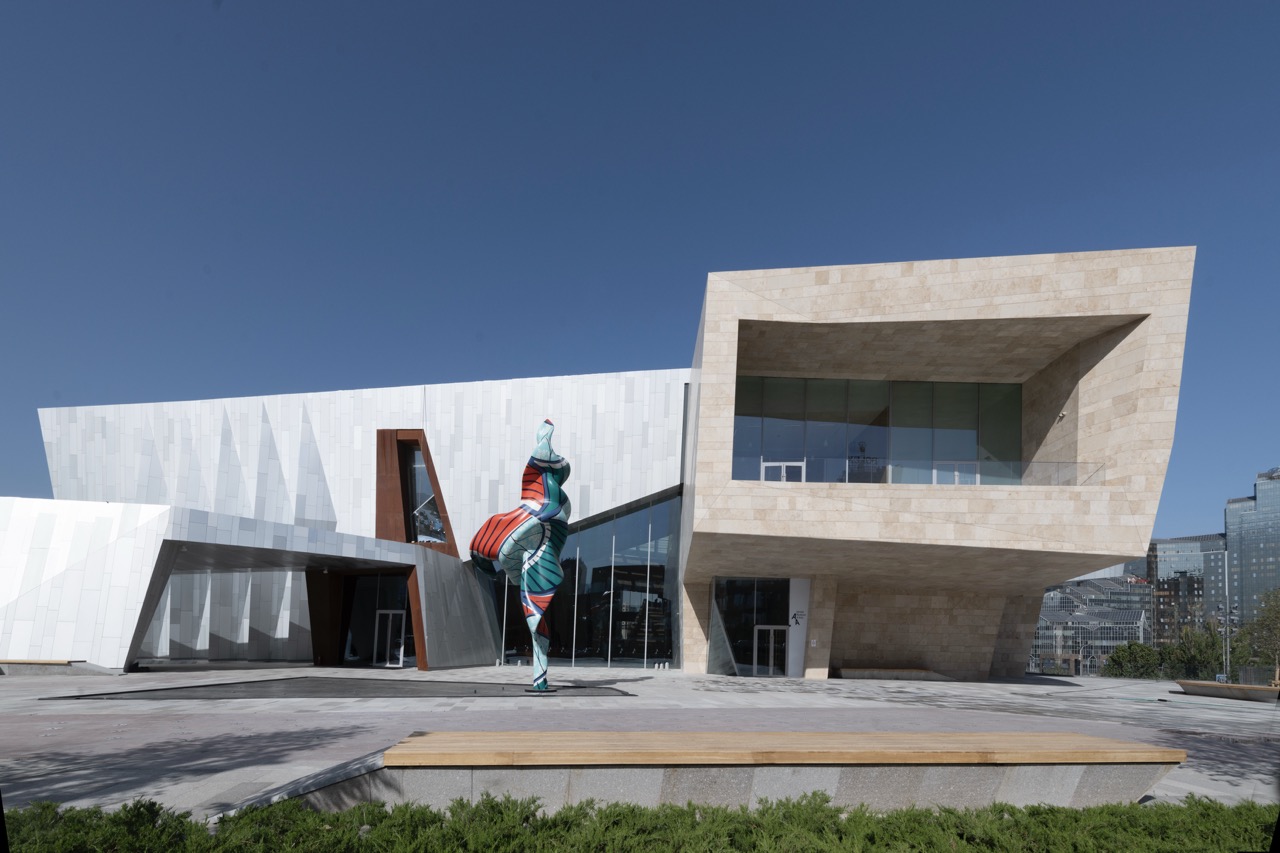
Opened in autumn 2025 in the heart of Almaty, Kazakhstan, Almaty Museum of Arts, founded by collector Nurlan Smagulov is the first museum of its kind in Central Asia. At the core of the museum is Nurlan’s personal collection. Accumulated over the past three decades, it features over 700 works of modern Kazakh art—one of the largest private collections of its kind. The museum has since continued expanding its collection, focusing on contemporary art from Kazakhstan, Central Asia, neighboring regions, and beyond, embracing a diverse range of media, genres, and perspectives. The museum’s design is inspired by the juxtaposition of Almaty’s natural landscape and urban environment, symbolized by two ‘L’-shaped structures—one representing the mountains, clad in limestone, and the other symbolizing the city, covered in aluminum.
Currently, Almaty Museum of Arts is showcasing Bill Viola’s first exhibition in Central Asia and the first exhibition of this scale dedicated entirely to video art in the region.
LARRY’S LIST spoke with Nurlan, who talked about his motivation to share his art collection with the public, how the museum cultivates audience, how the collection has evolved since being donated to the museum, why it is important to acquire works with which people form lasting relationships, and his visions for the museum in the upcoming years. He also shared the insight that knowledge is what allows a museum to endure and remain relevant for generations to come.
Motivation and missions
What is your motivation behind opening a museum? Why is it important for you to share your collection with a wider public?
I began collecting art more than thirty years ago. Over time, I came to understand that art needs viewers, conversation, and disagreement. It becomes fully alive when it enters public life.
Opening Almaty Museum of Arts was therefore not simply an extension of collecting. It was an opportunity to create an institution that could serve the city and contribute to the cultural development of Kazakhstan. In many ways, it is my way of thanking Almaty for nurturing generations of cultural leaders who have shaped the identity of our country.
The museum’s collection has also evolved beyond the scope of my original private collection. It includes works by emerging artists from Kazakhstan and Central Asia alongside leading figures of international contemporary art, including Richard Serra, Bill Viola, Yinka Shonibare and many others. I wanted the people of Almaty, as well as those visiting the city, to have the opportunity to experience these extraordinary works first-hand, without having to travel abroad.
A museum, even a private one, should be an independent cultural institution with high professional standards, artistic vision, and public responsibility. Sharing the collection is important because cultural heritage cannot remain the possession of one individual. It should enter a wider history and be passed on to future generations.
Why did you choose this city and location for opening the museum there?
Almaty is the city where I live, where I built my businesses and where I was formed as an individual. It has long been one of Kazakhstan’s leading intellectual and cultural centres.
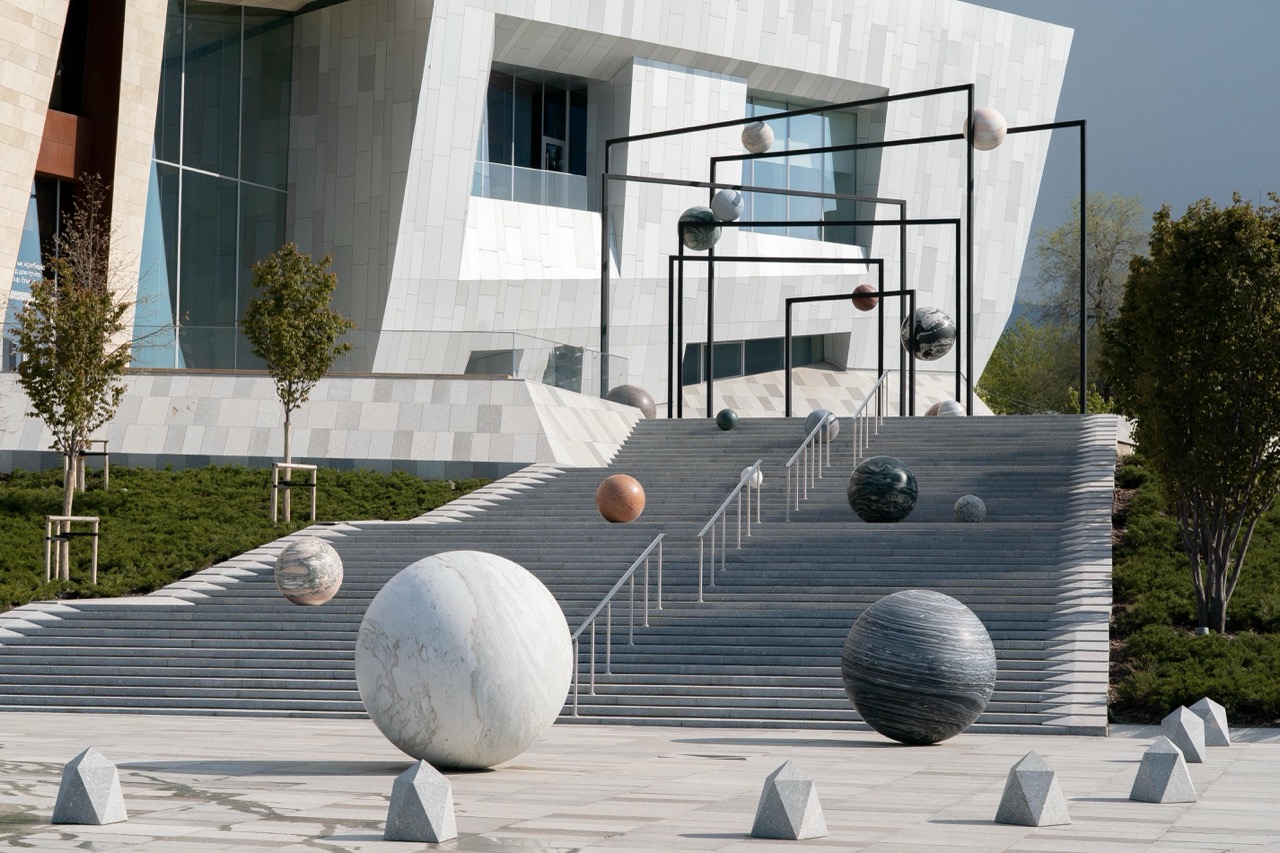
The museum is located at the intersection of Al-Farabi and Nazarbayev Avenues, two of the city’s busiest streets, in the very heart of Almaty. The plot, leased to the museum by the government, was one of the last significant undeveloped sites in this part of the city. We were extremely lucky to have the opportunity to create a museum here.
Today, many new museums are repurposed industrial buildings or located on the outskirts of cities. I had the rare opportunity to build a museum at the very centre of Almaty – a city of roughly two million citizens. Because of its very central location, the museum is not a place people visit only occasionally. It has become part of the daily rhythm of the city. People pass by it on their way to work, on the school run or while moving through Almaty. When art becomes part of everyday life rather than a special occasion, that is when a museum can have its greatest impact.
What are the missions of the museum? What are the ways to achieve these missions?
Our missions are to create conditions for personal and societal growth through art and open dialogue, and to connect Kazakhstan and Central Asia with wider international cultural conversations.
We work towards this in several ways. The museum preserves, researches and presents art from Kazakhstan and Central Asia, while placing it in dialogue with major international artists and institutions. We organise exhibitions, commissions, research projects, publications, talks, performances and educational programmes for audiences of different ages and backgrounds. We are also committed to accessibility and inclusion. A museum succeeds only when people feel that it belongs to them.
The collection
How many artworks do you own, and how many of them are currently displayed in the museum?
When I decided to establish the museum, I donated my private collection to it. That gift became the foundation of what is now a collection of more than 700 works.
Donating the collection was an unexpectedly emotional experience. Watching the museum team take my favourite paintings from my home and offices, where many had lived with me for decades, felt like saying goodbye to members of the family. At the same time, it gave me enormous satisfaction to know that thousands of people would now be able to experience them every day.
What are the criteria to decide what from your collection to show in the museum?
These decisions are made by the curatorial team. The starting point is always the intellectual and artistic purpose of an exhibition. I believe that a museum collection should be continually reinterpreted. The same work can acquire a different meaning when viewed in another historical or thematic context.
Do your private collection and the collection in the museum have different focuses, regarding the artists or genre of art?
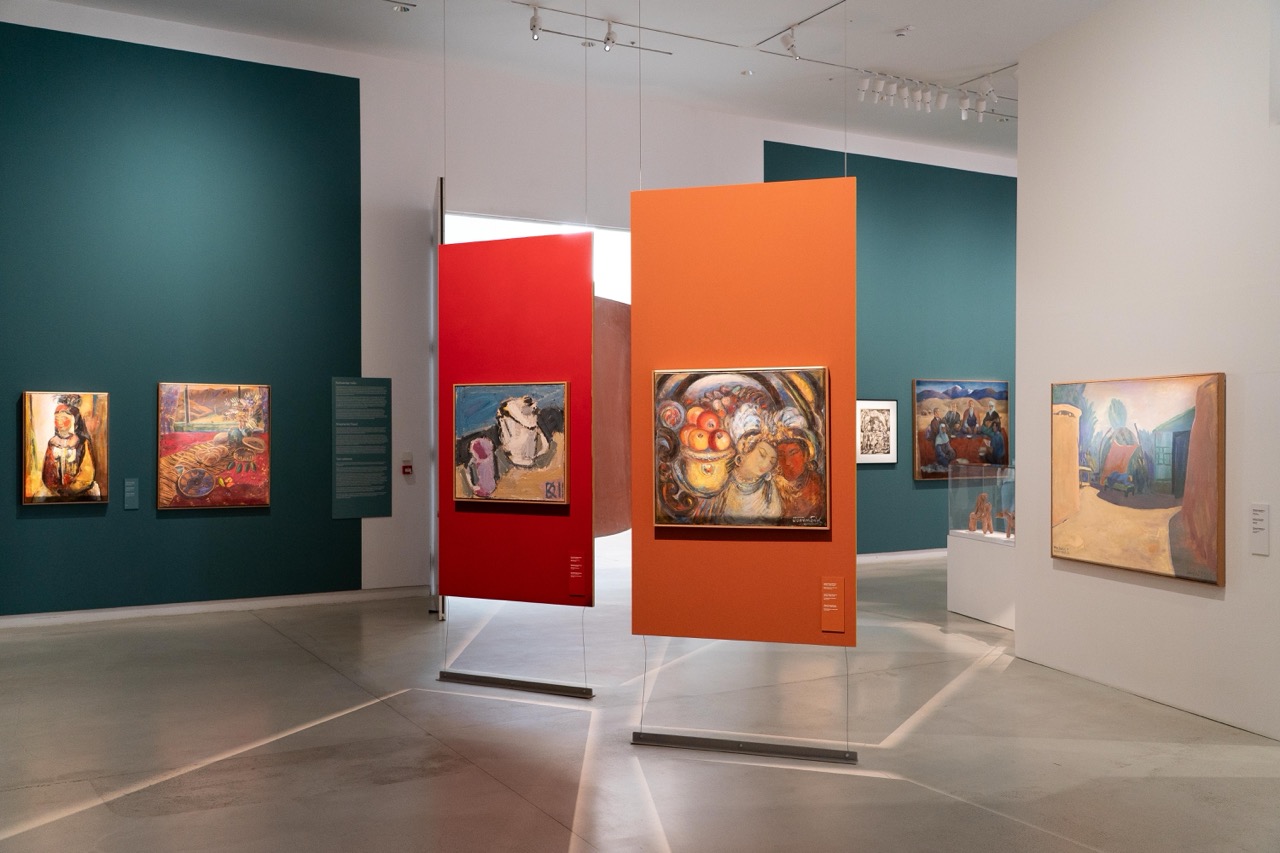
The museum’s collection grew out of my private collection, so they share the same foundation. My personal focus was on the art of Kazakhstan, particularly the generation of artists who emerged in the 1960s, the so-called Sixtiers. They looked to the nomadic heritage for inspiration and played a defining role in shaping a national school of art.
In the beginning, I collected instinctively and was guided by artists who were also my friends. Sometimes building a collection was also a matter of persistence and luck! For example, I was fortunate to assemble one of the largest collections of the Buryat artist Serenjab Baldano, who spent much of his career in Almaty. As an institution, we have since expanded it significantly through new acquisitions and commissions. Today the collection continues to grow through the acquisition of works by younger artists from Kazakhstan and Central Asia, alongside major figures of international contemporary art. The most recent acquisition has been a work by Nam June Paik. The scope of collecting has also changed. As a private collector, for example, I rarely acquired video art. Today, moving image is an important part of the museum’s collection, and we commission new video works from artists.
The programming
How much do you involve in the programming as well as the curating of exhibitions in the museum?
I am closely involved in the strategic development of the museum. I may participate in discussions about the museum’s long-term direction, institutional partnerships, acquisitions and major projects. However, the artistic program is developed by the curatorial team. A serious museum cannot be governed by the personal taste of its founder.
My responsibility is to provide the institution with the resources, stability, and freedom it needs to work professionally. The curators’ responsibility is to build a rigorous and meaningful program.
How is the relationship and division of responsibilities between you and the artistic director of the museum?
As founder, I focus on the museum’s long-term sustainability, governance, infrastructure and strategic relationships. The Artistic Director – Meruyert Kaliyeva is responsible for the museum’s artistic vision, exhibitions, collection development, research, publications and public program.
We discuss major institutional questions, but curatorial decisions remain independent. This separation also protects the future of the institution. A museum should be able to develop beyond the personality and lifetime of the person who established it.
What programs or activities are carried out or planned to cultivate your audience as well as to support Kazakhstan or Central Asian artists?
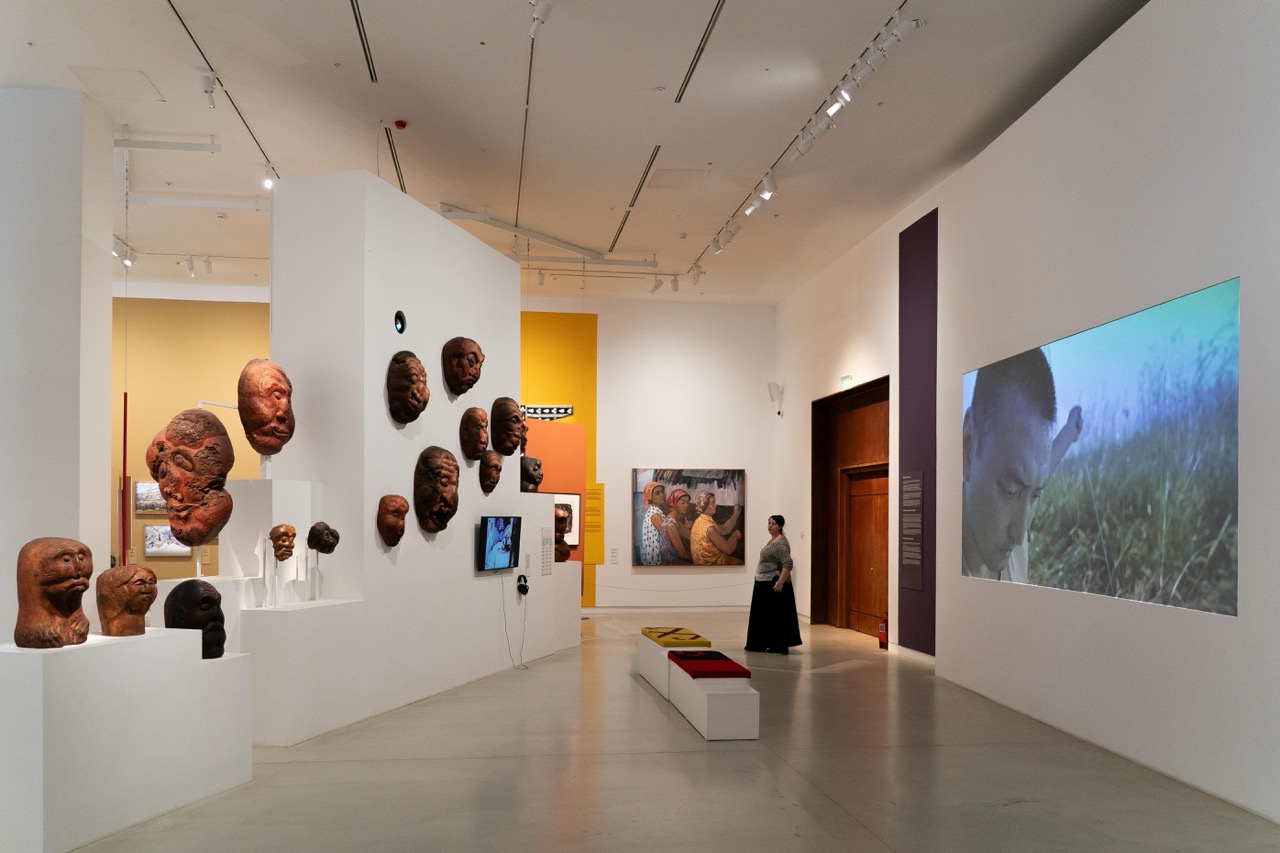
Audience development is one of our central priorities. We want the museum to become part of people’s everyday lives. That is why our program extends well beyond exhibitions. Alongside guided tours, talks and workshops, we organize concerts, theatre performances, film screenings and family activities. During this year’s Night at the Museum, for example, almost 7,000 people visited the museum in just six hours.
Accessibility is equally important. Our public program is presented in Kazakh, Russian and English, while our audio guides are currently available in seven languages, with more to follow. We are establishing a dedicated school outreach program and offer free admission on selected days to ensure that as many people as possible can experience the museum. Children and students already account for almost 40 per cent of our visitors, and we hope they will continue returning throughout their lives.
We also believe that museums should reach people beyond their walls. We actively promote the museum across the city and have produced two documentary films, available on YouTube, introducing both the history of the museum and the artists represented in the collection.
Last year, together with Tate Modern, we organized a two-day conference on performance art in Central Asia and the Caucasus. With New York University, we have begun a three-year Getty Foundation-funded research project exploring alternative art histories. We have also collaborated with AWARE on research into women artists from Central Asia.
This year we are launching an annual public sculpture commission, while continuing to develop residency programs for international artists and scholars in Almaty, and for Central Asian artists and curators abroad. We already launched a residency program with the Weltmuseum Wien in Vienna; and there are more to come!
How is the programming in 2026? What are the special upcoming programs that we should definitely not miss out?
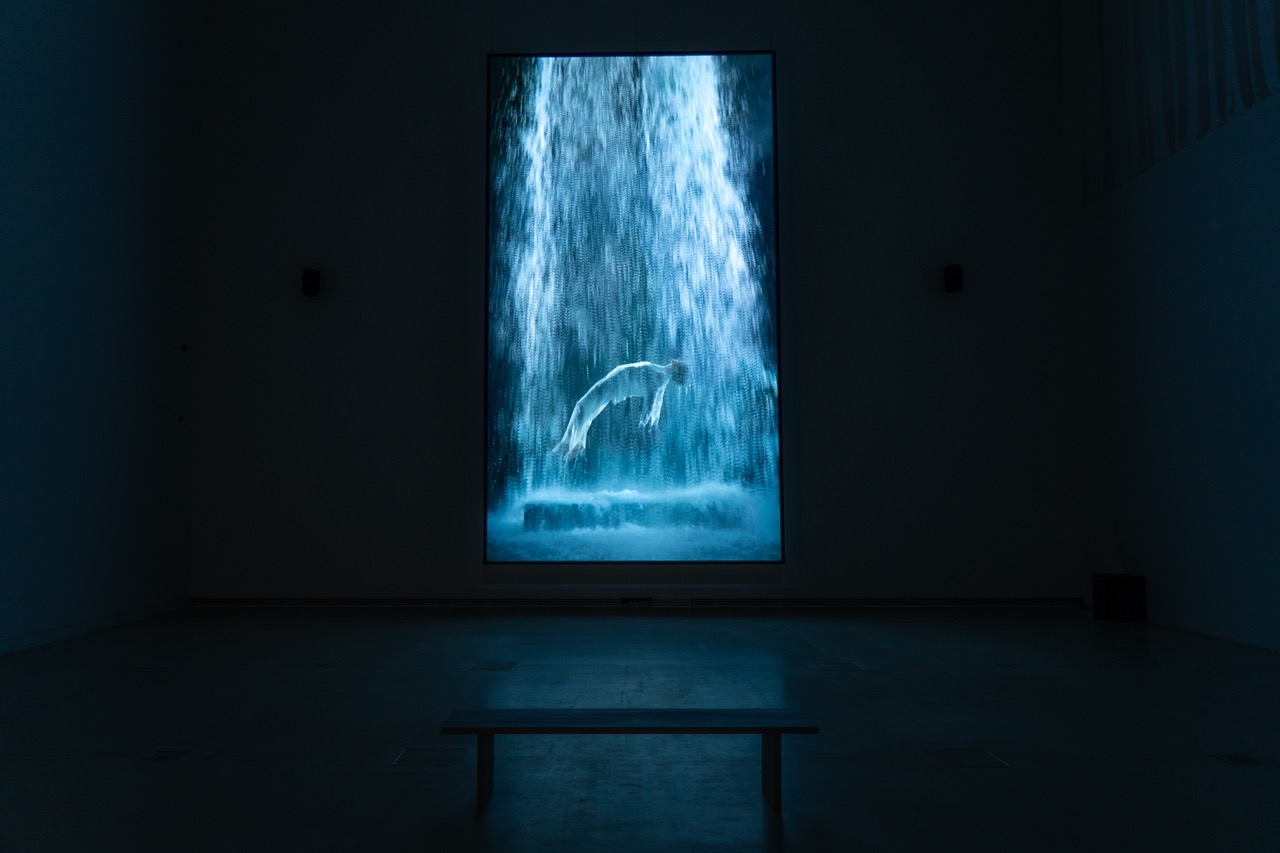
A major highlight of our 2026 program is the exhibition of Bill Viola, curated by his wife and long-time collaborator, Kira Perov. We are showing eighteen major works, ranging from early single-channel videos and video sculptures to monumental installations. This is Bill Viola’s first exhibition in Central Asia and the first exhibition of this scale dedicated entirely to video art in the region.
In September, we will open a major survey of sculpture in Kazakhstan, tracing the development of the medium from the 1950s to the present day. It will bring together more than fifty works from the museum’s collection, the Kasteev National Museum of Arts, private collections and newly commissioned pieces.
Our program is built around a dialogue between regional histories and international perspectives. We are interested in the unexpected connections, shared concerns and new interpretations that emerge when they are presented together.
And, of course, we have a very special surprise planned to mark the museums first anniversary in September 2027, but I’m afraid I can’t tell you yet!
The visions
What was your happiest moment since your private museum has been set up?
There have been many memorable moments, but perhaps the happiest came just before the museum opened, when the scaffolding was finally removed and the artworks began to arrive. Seeing the paintings hung on the walls and the galleries come to life was the moment when I realized that a dream I had carried for many years had finally become reality.
During those weeks, I came to the museum every day, sometimes several times a day, simply to see what had been installed since my last visit. It was an incredibly emotional experience watching an empty building gradually transform into a living museum.
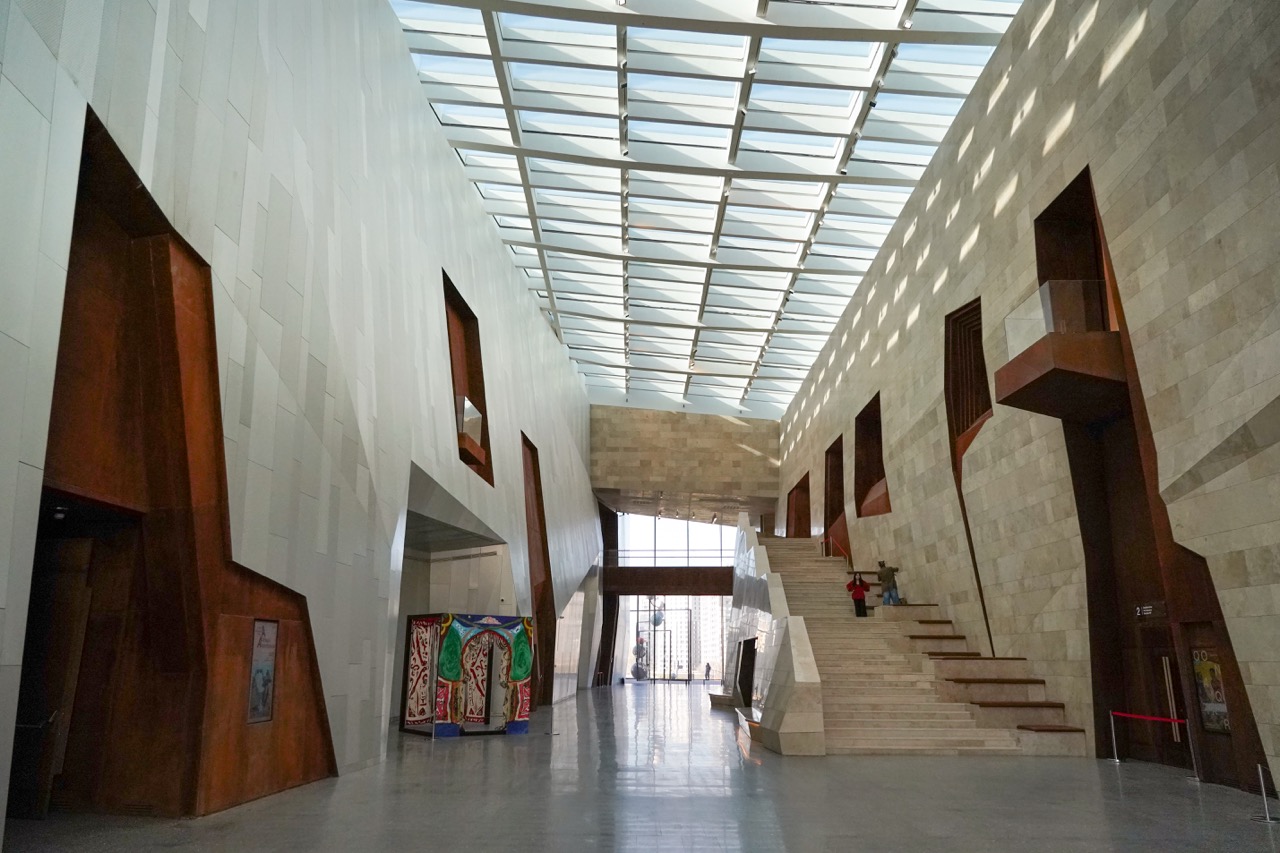
The opening itself was unforgettable, but what has stayed with me most is how quickly the people of Almaty made the museum their own. Seeing families, students and children filling the galleries, returning for exhibitions, talks, screenings or simply to spend time together, confirmed that we had created more than a building. We had created a place that had already become part of the city.
What are on your wish list regarding artworks and your museum?
For me collecting is not about acquiring works by important artists. It is important to acquire works that people form lasting relationships with. One of the greatest rewards has been hearing visitors tell me that they come back to the museum for a concert or a talk, but always make time to visit a favorite artwork, even if only for five minutes.
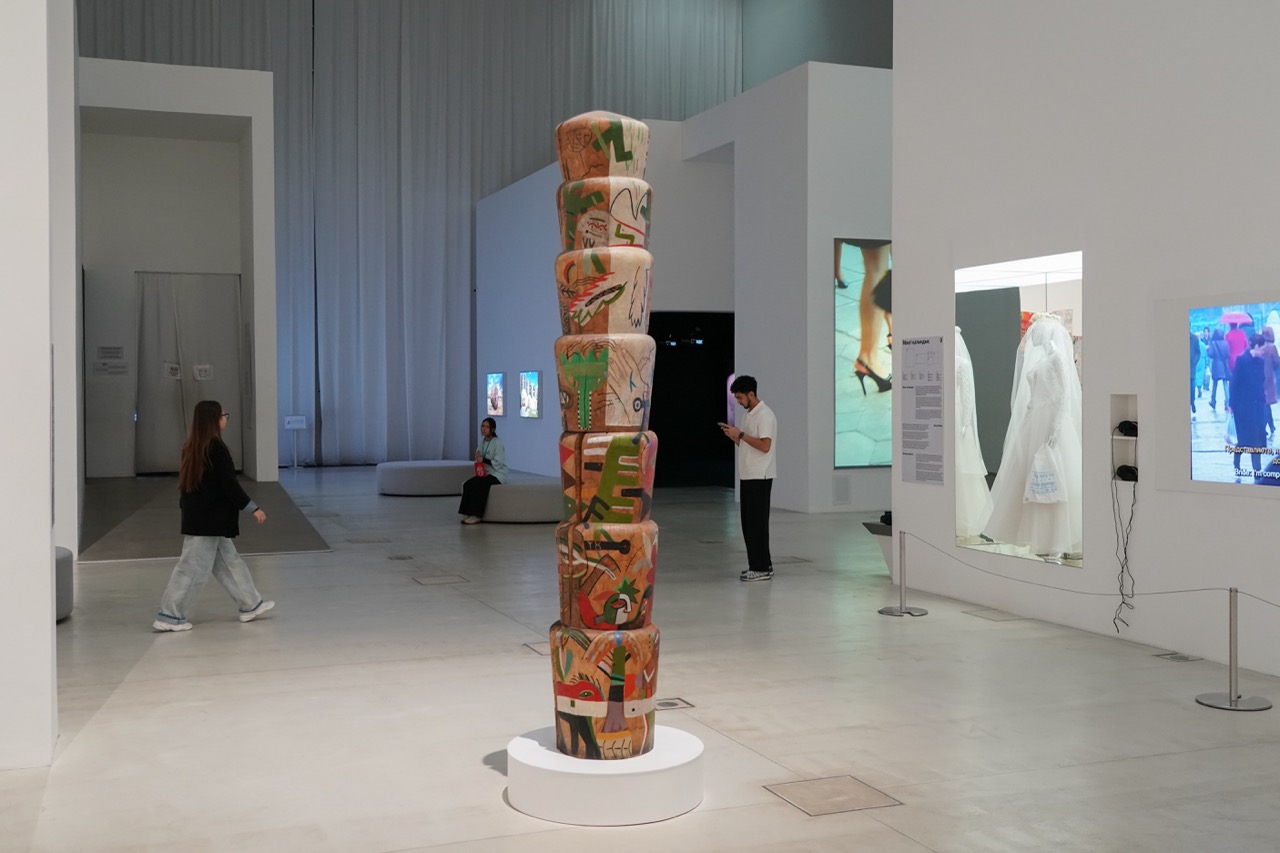
As for the museum itself, I hope to realize a sculpture park, an expanded second wing, residency and research facilities, and even stronger partnerships with museums, universities and cultural institutions around the world. I want the museum to build a lasting intellectual legacy through research, conservation and publications. Buildings and exhibitions are essential, but it is knowledge that allows a museum to endure and remain relevant for generations to come.
What do you think are the key elements that determine the success of a privately owned museum?
The first is a clear public mission. A private museum cannot succeed if it functions only as a showroom for its founder’s collection.
The second is professional independence. Curators, conservators, educators and museum leaders must be trusted to do their work according to international standards.
The third is long-term commitment and sustainability of its model. A museum requires investment not only in exhibitions, but in people, research, conservation, education and institutional development.
Finally, success depends on the relationship with the public. Visitor numbers are important, but they are not the only measure. One must also ask whether the museum creates knowledge, supports artists, broadens access and becomes part of the cultural life of its city.
What are your visions for the museum in the next five and ten years respectively?
One of our ambitions is to create a sculpture park, alongside a new wing with additional exhibition galleries, artists’ residencies, a dedicated youth center, research facilities, and a larger event space for performances. These developments would allow us to welcome more audiences, support more artists, and present an even more ambitious program.
Equally important is ensuring the museum’s long-term future. One of our priorities is to establish an endowment fund and build strong relationships with sponsors, donors and patrons who share our belief in the value of culture. A great museum must be financially resilient as well as intellectually ambitious.
What are the challenges and constraints currently faced by the art scene in Kazakhstan or Central Asia?
The art scene in Kazakhstan and across Central Asia is very vibrant and increasingly visible internationally. The challenge is not a lack of artistic talent, but the infrastructure that supports it. There are still relatively few institutions and funding opportunities available to artists.
Art education is another important area. Contemporary artistic practice has evolved rapidly over the past few decades, but educational institutions and teaching methods have not always kept pace. This creates a gap between what young artists need and what is currently available to them.
We feel a responsibility to help address that gap. We regularly invite artists, curators, scholars, and other cultural professionals from around the world to share their knowledge and experience through talks, workshops, and discussions. At the same time, we are creating opportunities for artists from Kazakhstan and Central Asia through exhibitions, commissions, research projects, residencies, and international collaborations. Our aim is not only to present art, but also to help build the ecosystem that allows artists and cultural professionals to thrive.
Related: Almaty Museum of Arts
Instagram: @almatymuseumofarts
By Ricko Leung
