Friday, March 25, 2016

The confident lines of malika favre

Sensual art digest

The confident lines
of malika favre


An artist who knows how to turn sharp geometry and bold color into sensual, playful, elegant imagery


“Minimal, bold, stylish!” is best expressed by Malika Favre’s trademark red lips
Malika Favre is an illustrator whose work is praised by the professional community and adored by fans all over the world. The talented, hard-working artist is in demand and justly so. New Yorker, Vogue, Penguin Books are just some of the clients she mentions on her website.

Discover the pleasures of sensual art


— Sex is Pure is delivered discreetly to your mailbox. Creme de la creme of sensual art. Irreverent stories with an erotic twist. To be indulged in privacy


Clarity as she gracefully composes extraordinary schemes of interlocking forms. The flat design of a Malika Favre image, its controlled emotion channel order and poised tranquillity. Plunge into her world if you wish to cool off. For this entry of our Female Artists series we asked Mlle Favre about her favourite things and current projects.

leisure

Apart from drawing which in itself makes me incredibly joyful most of the time, I love travelling. I started exploring the world in my late twenties when I finally set up as an independent illustrator and it since became a crucial part of my life. I also get a lot of joy from eating so if you don’t find me on a plane somewhere or working in my studio I am probably in a nice restaurant.

Travelling

I have started discovering South African fashion lately and the profusion of colours and patterns make it a really exciting scene. Also I just came back from trip around Brazil and South America which will definitely influence my work in the upcoming months. Rio de Janeiro was fascinating.

Favourite letters from kamasutra project (2013)

My favourite letter is the Orb, it feels so self contained and strong and has something very pleasing about it. I also love the Whisper’s cheekiness (W). This one was the last one I draw and I decided to really go for it and push it as far as I could. It is probably the naughtiest one of all along with the S. I also love the Luscious Ladder and its impossible curves.

Crazy horse

I am currently developing a series of illustrations based on the Crazy Horse for an exhibition project. I was actually invited to the show a couple of years ago by a dancer who loved my work and I couldn’t have been more surprised. I was expecting traditional cabaret with its degree of cheesiness ( not always my thing) and over the top songs but instead I was sitting in front of a very futuristic and edgy show. The lighting especially is stunning and the overall vibe is extremely sexy and modern. I couldn’t take my eyes of the stage and left the show knowing I wanted to work with them. I met the director of the cabaret not long after and we decided to explore the possibility of doing something together. It never happened for collateral reasons but I still want to develop the series for myself.

A parisian in london

I definitely feel like a parisian in London, my adopted city and I don’t think it will ever change. I have a love/hate relationship to both Paris and London in fact and my perfect city would probably be somewhere in the middle. I think the erotic part of my work is very French in a sense : as a nation, we are very open minded about sex and have a very sexually open culture ( books/movies etc..) When I think about Paris I think about sophistication and taste. When it comes to London I think about eccentricity and fun. I feel that both cities are reflected in my work.

Want more? leave us your email and start receiving true gems of sensual art


Art Basel Unveils a Plan to Create New Cultural Capitals around the Globe

Art Basel Unveils a Plan to Create New Cultural Capitals around the Globe

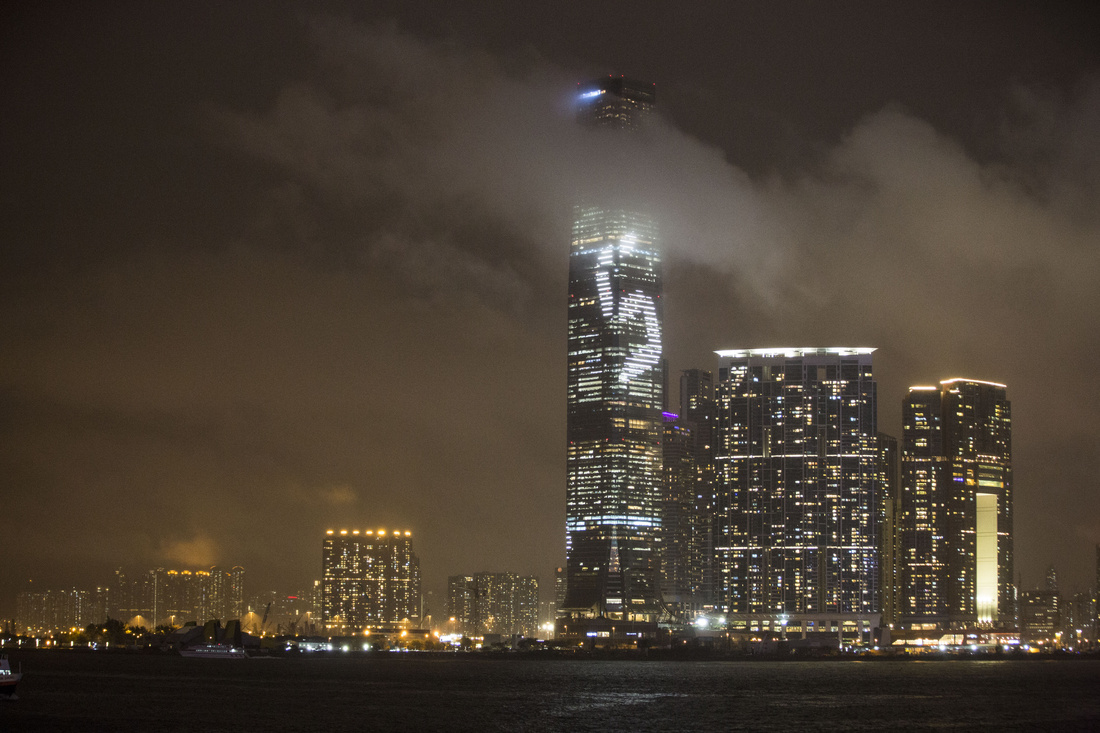
Tatsuo Miyajima, Time Waterfall, 2016. Coordinated by Art Basel in Hong Kong and ICC. Photo courtesy of Art Basel.
On Wednesday Art Basel announced a new initiative that will see the Swiss organization expand beyond its role of hosting the world’s preeminent art fairs in Basel, Miami Beach, and Hong Kong, to work with cities around the globe to create cultural programing aimed at placing them on the international art world map. Patrick Foret, Art Basel’s director of business initiatives, leads the new division, and will work with a team of advisors and experts including David Adjaye, Richard Florida, Jacques Herzog, Anne Pasternak, Patrizia Sandretto Re Rebaudengo, and Uli Sigg among others, to develop a bespoke program for each of the cities that Art Basel partners with.
Contemporary Art’s Most Influential Cities
Read full article
“Art Basel has created cultural events and cultural programming for many years,” said Foret in an interview with Artsy. “We have a network of experts, an amazing team, and we have our exhibitors. What we are offering is to capitalize on all of this and to be an accelerator to propel cities’ cultural and economic development in a significant way.” Foret says they plan to work with cities for a period of two to five years, starting with a several-month audit of the city’s current cultural programming. “The approach is to go there, to sit down with each key stakeholder of the local art scene and also the city government and cultural officials to define with them a program that is aligned with their overall development in the mid and long term,” Foret added.
Art Basel has yet to announce the initial set of Art Basel Cities, however, Foret said that they are in advanced discussions with several potential partners. Additionally, in the three hours after the initiative was made public, two more cities requested to be considered for the program. Not all cities will be eligible. “There’s a certain number of boxes that need to be ticked,” said Foret. “The city has to be accessible; there needs to be a major airport; there has to be a cultural ecosystem,” comprised of museums and galleries, ideally with which Art Basel already has a relationship.
Most importantly, however, “the city must be committed to pushing out a cultural agenda in a significant way and have the ambition to become international.” This owes to the initiative’s intended monetization model, which will see them pull not from existing culture budgets (which are often too small to begin with), but instead from economic development budgets that might otherwise be used to fund major sporting events and stadiums or other growth initiatives. Art Basel does not intend to be an activist but rather a catalyst. “I’m not looking forward to going to cities spending a billion on sports and trying to convince them to do something different,” said Foret, “but I am looking forward to working with cities that have already made the decision and a conscious commitment that art is a good direction.”
The organization cites the significant economic impact that their fairs contribute to the cities in which they take place as the major value proposition to potential partner cities. Art Basel in Miami Beach, for example, generates an estimated half billion dollars of economic activity during its week-long stay in South Florida. With Art Basel Cities, they believe they can generate even greater impact through year-round lifts to the cultural fabric of their partner metropoles.
“People do not want to live in a boring place,” said Art Basel global director, Marc Spiegler. “That includes software developers, people in finance, and people of other interests that are not a part of the creative class; a city which is culturally vibrant is more attractive to every single type of talent that you need.” He added, “in a global economy, there is a constant global war for talent. A forward-thinking city will realize that investing in culture and the cultural life of its city is also an investment in the broader economic life of the city.”
Art Basel Owner Plans to Buy Up Regional Art Fairs—Here’s Why It Could Be Good for Galleries
Read full article
Lest anyone be mistaken, Art Basel does not plan to expand beyond its three current shows. “We aren’t going to start fairs; we aren’t going to start auction houses. Anything else is imaginable,” said Spiegler. That includes the regional fairs that its parent company, MCH Group, is currently in the process of acquiring. Though each program will be specifically tailored to the partner city, initiatives such as Art Basel in Hong Kong’s partnership with the ICC tower (this week, showing a work by Japanese artist Tatsuo Miyajima), the outdoor film program they host in Miami Beach, and Basel’s Art Parcours public art initiative give a taste of what could be in store. Foret has also been involved in the joint development of Art Basel brand partner initiatives such as the BMW Art Journey and the Davidoff Arts Initiative.
Regardless of the recipe, the impact must be long term. “We don’t want to do something that is a one-off and then the city goes back to where they were before Art Basel. We have to bring them to another level,” said Foret. Spiegler added that the collaborative nature of Art Basel Cities stands at the core of the initiative: “We’re not doing people’s culture for them, we’re doing it with them. The idea is to work with the city to develop something that’s coherent with its history, that’s coherent with its reality, that’s coherent with its future. There isn’t a ‘one size fits all’ solution.” And rather than a classical consultancy model by which they might deliver a plan and leave it for the city to execute, Art Basel will co-deliver all programming, adding both the weight of the 46-year-old brand and their expertise.
Ultimately, Art Basel hopes Cities will allow them to help create an art ecosystem globally that reflects their core values. “It allows us to support what we believe in,” said Spiegler. “Art Basel creates as many possibilities for as many artists all over the world as possible. That’s our job: to build patronage, private and public, for as many artists as possible.” Art’s reach is expanding beyond the confines of the core art world—those that attend, deal, and collect at Art Basel’s fairs and others—to a wide audience and to new parts of the globe. But little to no structure is currently in place to help that expansion take place in a way that fosters the very support structures through which artists are able to make and show their work. If Art Basel can build such a structure, it will be a legacy far greater than that which any art fair could ever achieve.


—Alexander Forbes


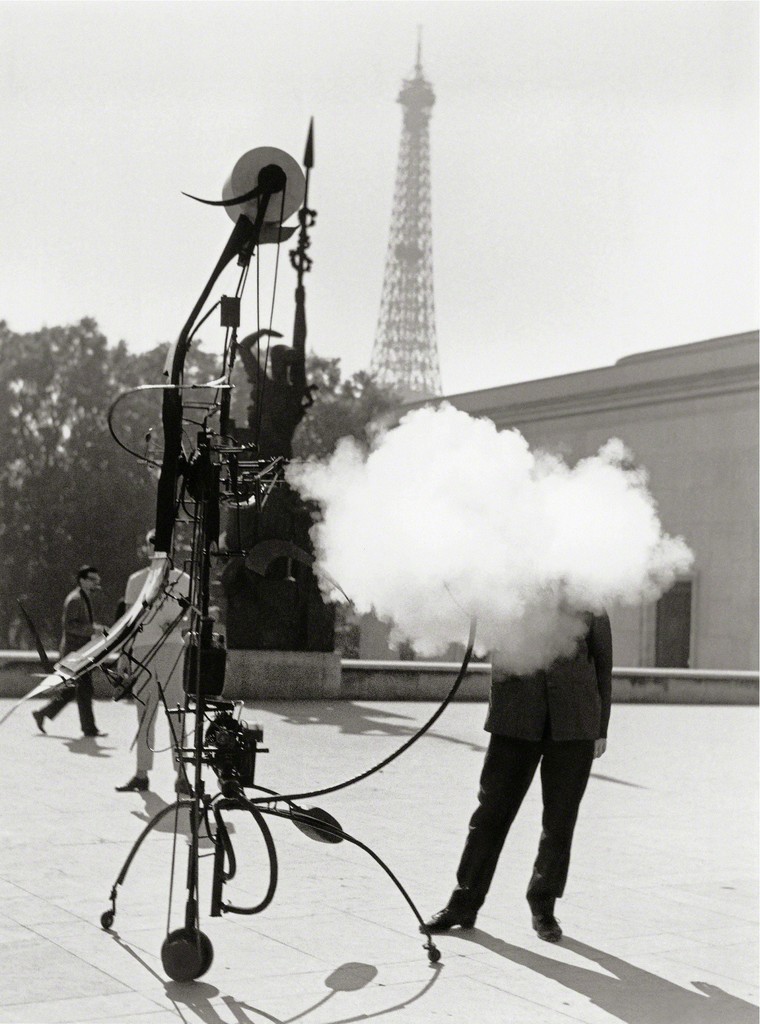
10 Photographers Who Captured the Romance of Paris, from Brassaï to Cartier-Bresson

10 Photographers Who Captured the Romance of Paris, from Brassaï to Cartier-Bresson

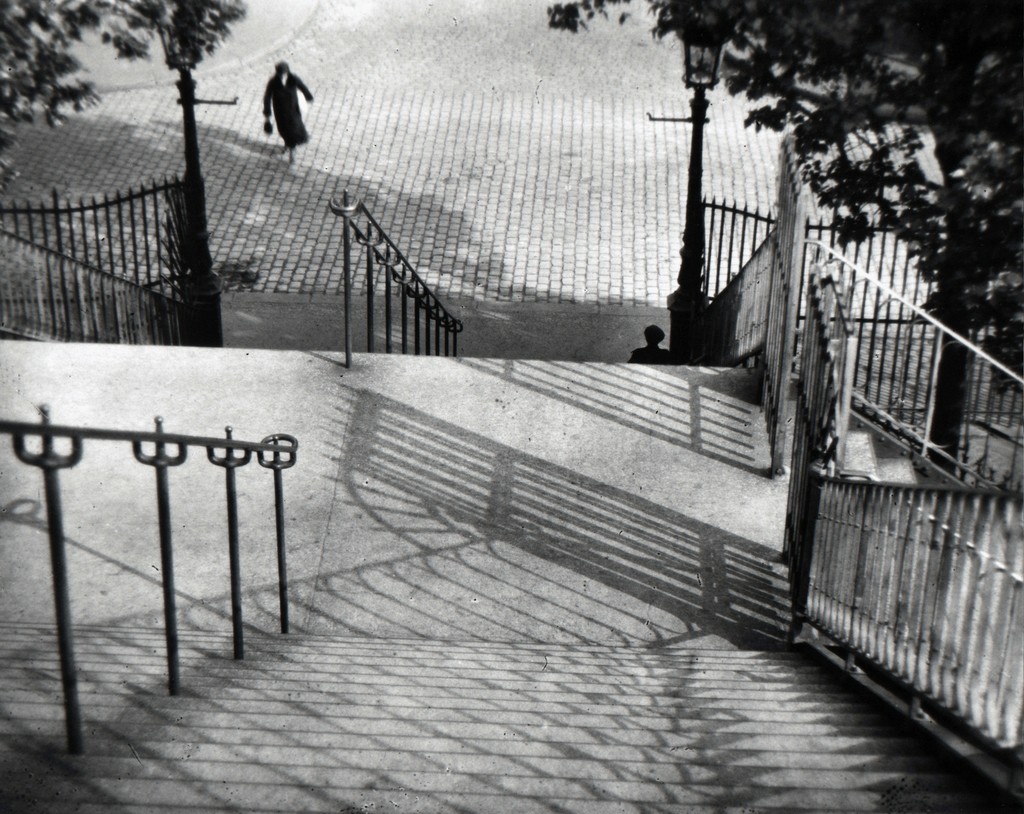
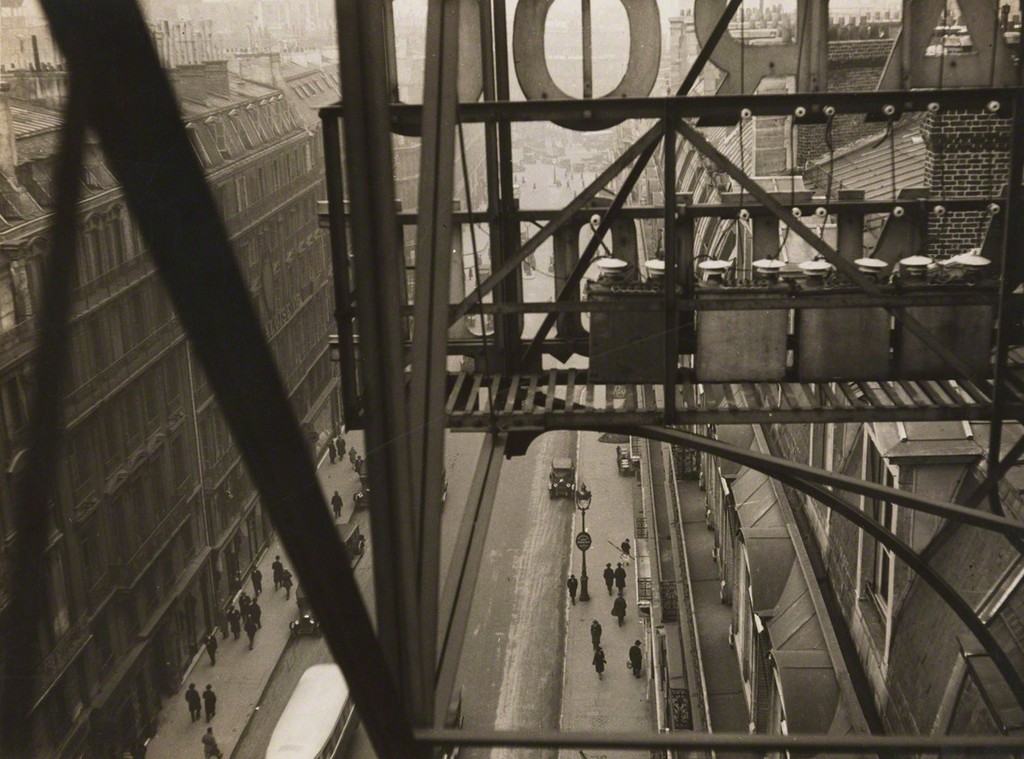
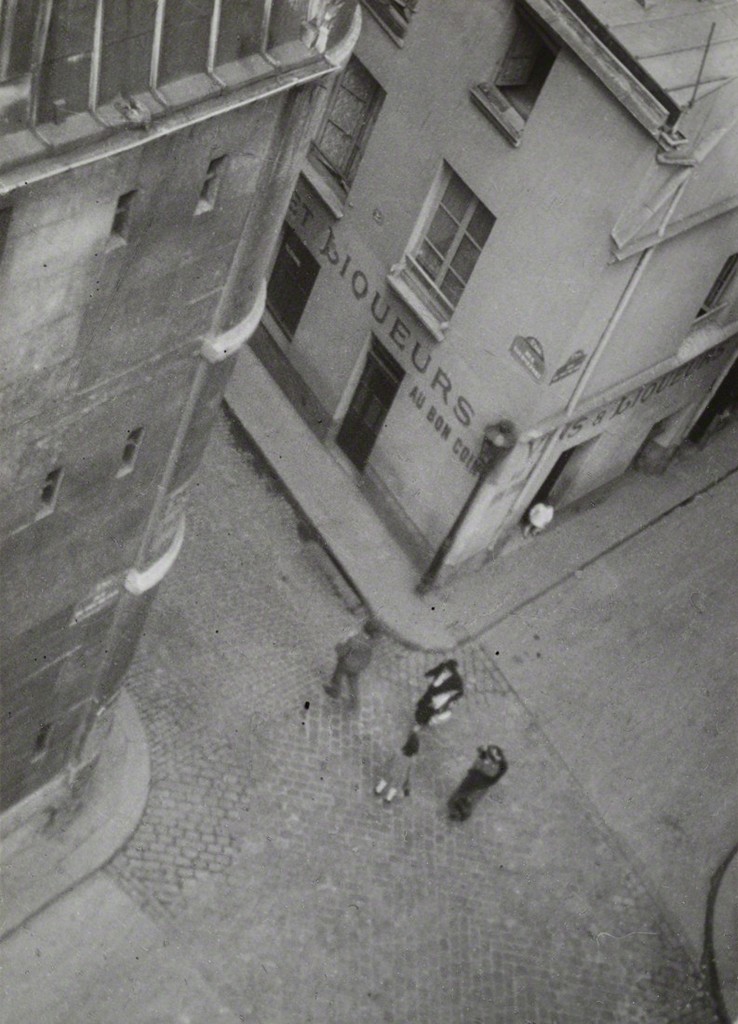
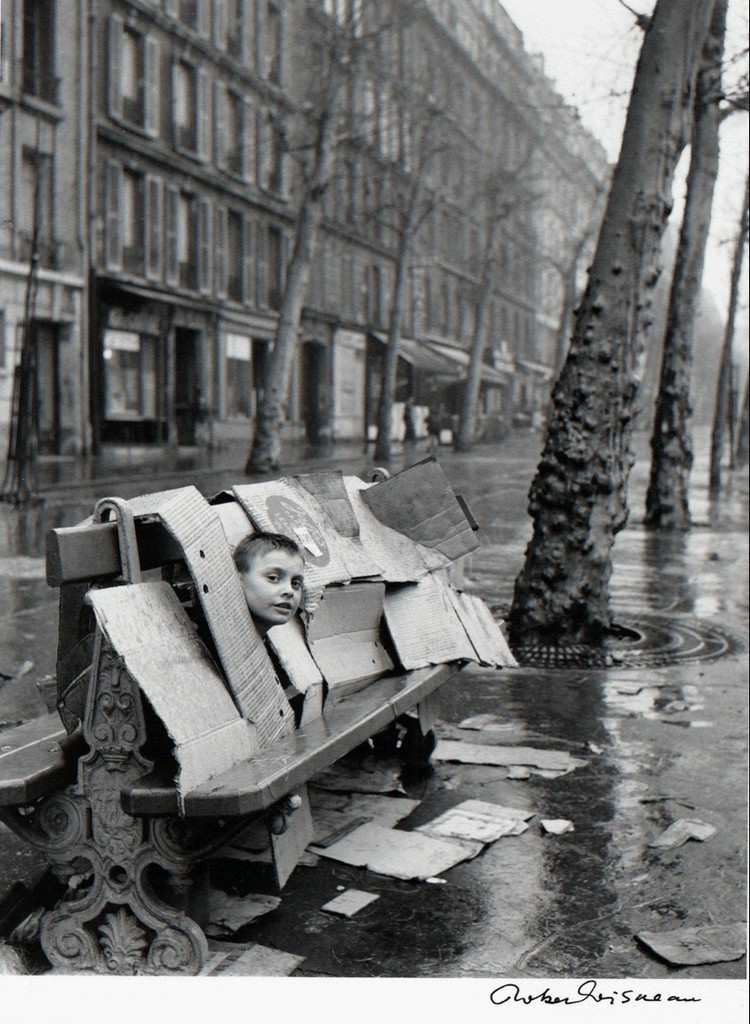
There is an undeniable romanticism surrounding France’s capital city as it inhabits the collective consciousness—from the centuries-old buildings worn by time, to the expat-filled avant-garde circles of the ’20s, to the colorful characters in the city’s seedier districts. Over the decades, the spirit of Paris and its people has served as subject for some of the most influential photographers, who have in turn immortalized the city through their images. Here, we celebrate 10 of those photographers and the city that inspired them.


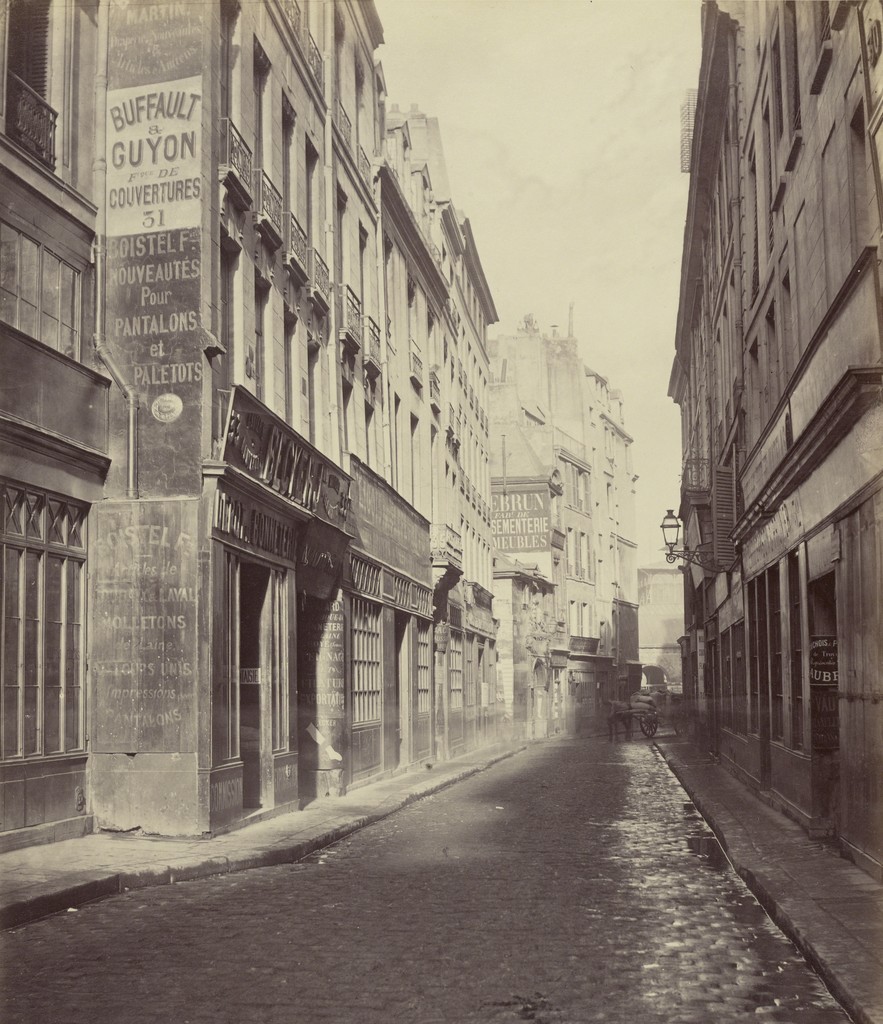
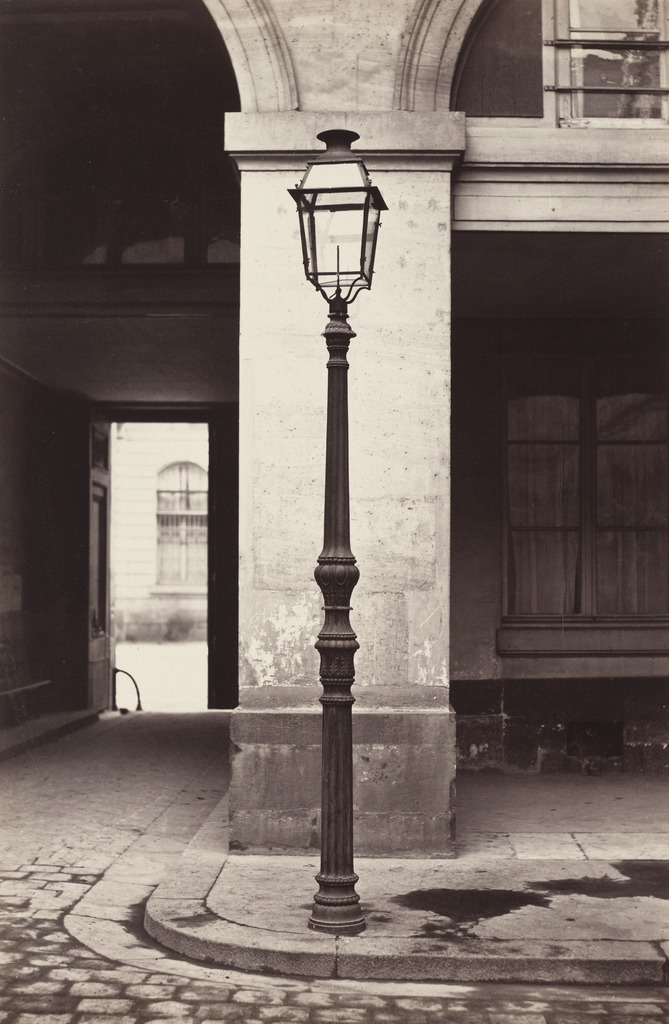
Charles Marville (1813–1879)

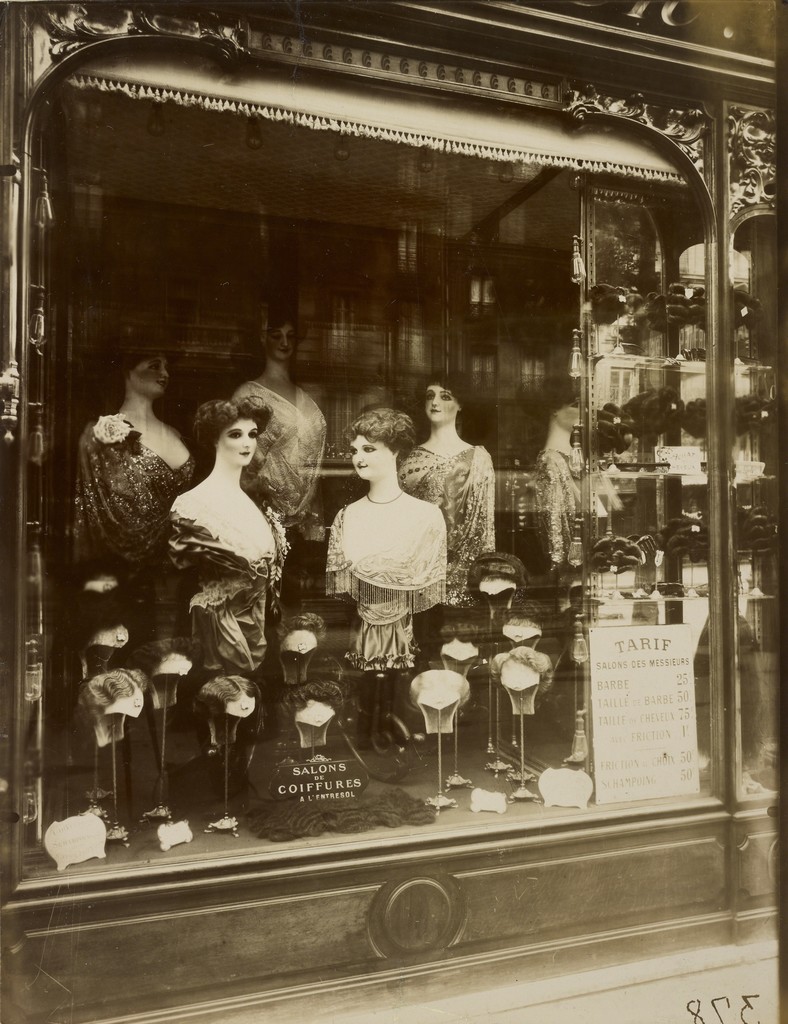
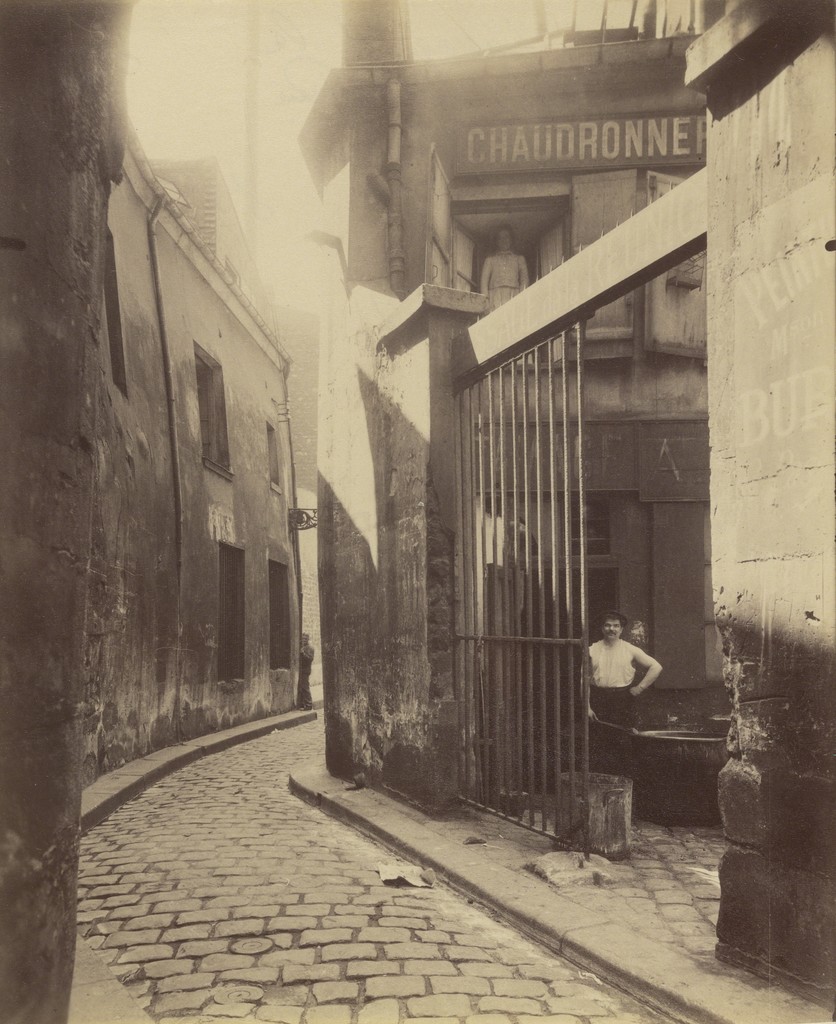
After book illustrator Charles Marville turned to photography in 1850, he produced calotypes of medieval buildings for France’s Commission for Historical Monuments. Twelve years later, Marville was commissioned by the city of Paris to become its official photographer, and he worked to systematically record—in remarkable detail thanks to new photographic technology—Parisian buildings and streets slated for destruction as part of Haussmann’s urban renewal project. His images of water-slicked cobblestone streets and cracked facades, tinged with nostalgia, capture a city in transition.


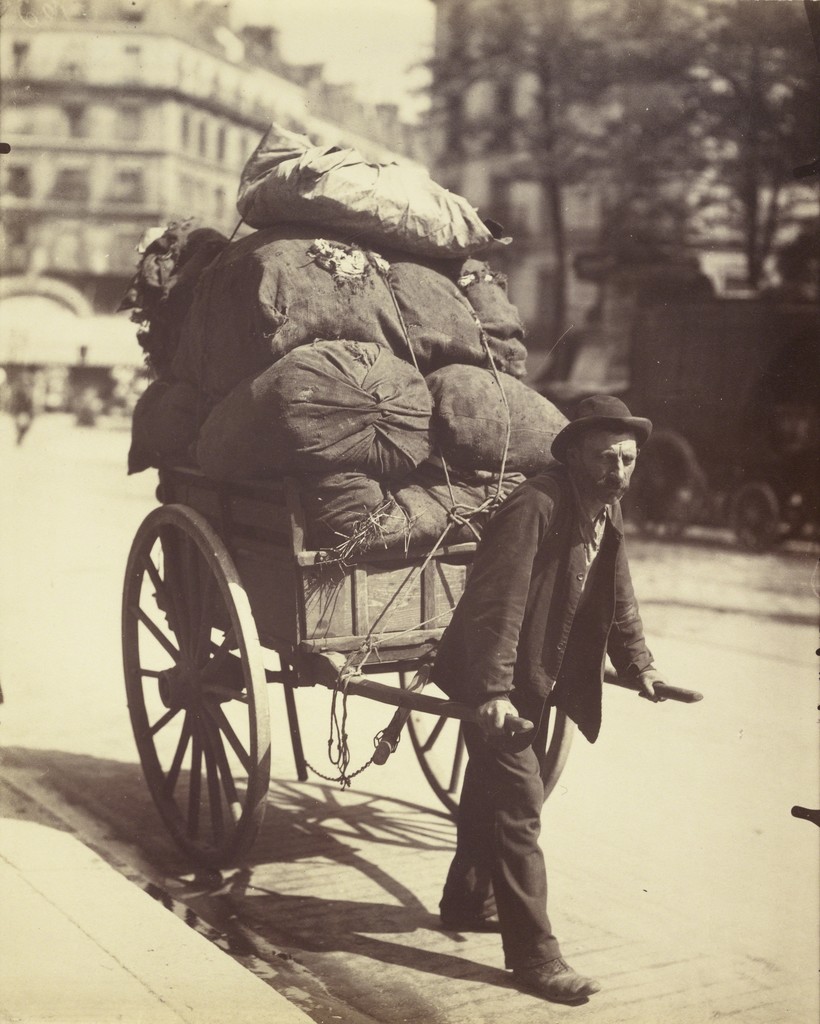
Eugène Atget (1857–1927)

In his own words, Jean Eugène Auguste Atget created “documents for artists,” images intended as source material for other creatives. Shot heavily in working-class areas, his photographs from the late 19th and early 20th centuries are carefully composed records of Old Paris’s shops, people, and historic architecture—unmanipulated scenes from Parisian daily life that bucked the trend of the then-fashionable, staged style of Pictorialism. Branching into the disorienting and the uncanny, his later work shares affinities with Surrealism, and was popularized by Man Ray and Berenice Abbott.


Brassaï (1899–1984)

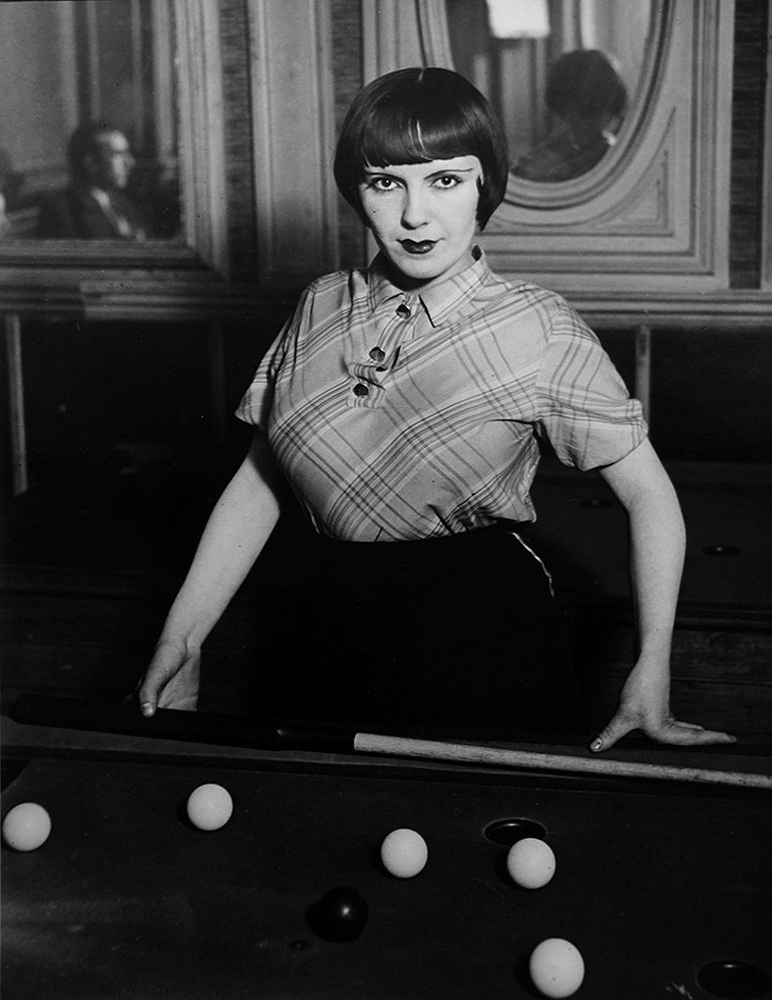
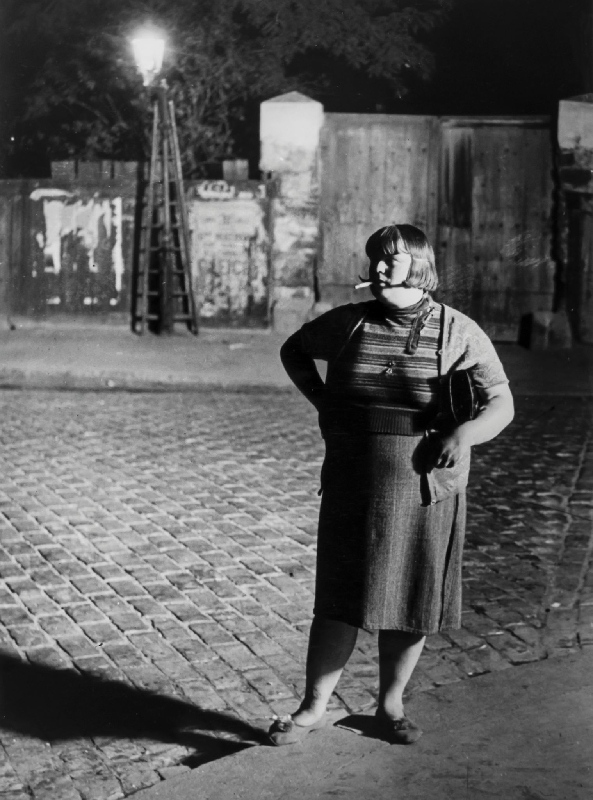
Born Gyula Halász in the Hungarian town of Brassó, Brassaï moved to Paris in 1924 and befriended the city’s cultural intelligentsia, including Henry Miller and Pablo Picasso. Called “The Eye of Paris” by Miller, Brassaï is known for penetrating the city’s underbelly and capturing the people living at its margins. With unflinching directness and photographing mainly at night, he immortalized the prostitutes, artists, and petty criminals of Paris’s seamy Montparnasse district, and turned graffiti and weathered carpentry into considered studies of form.

Jacques Henri Lartigue (1894–1986)

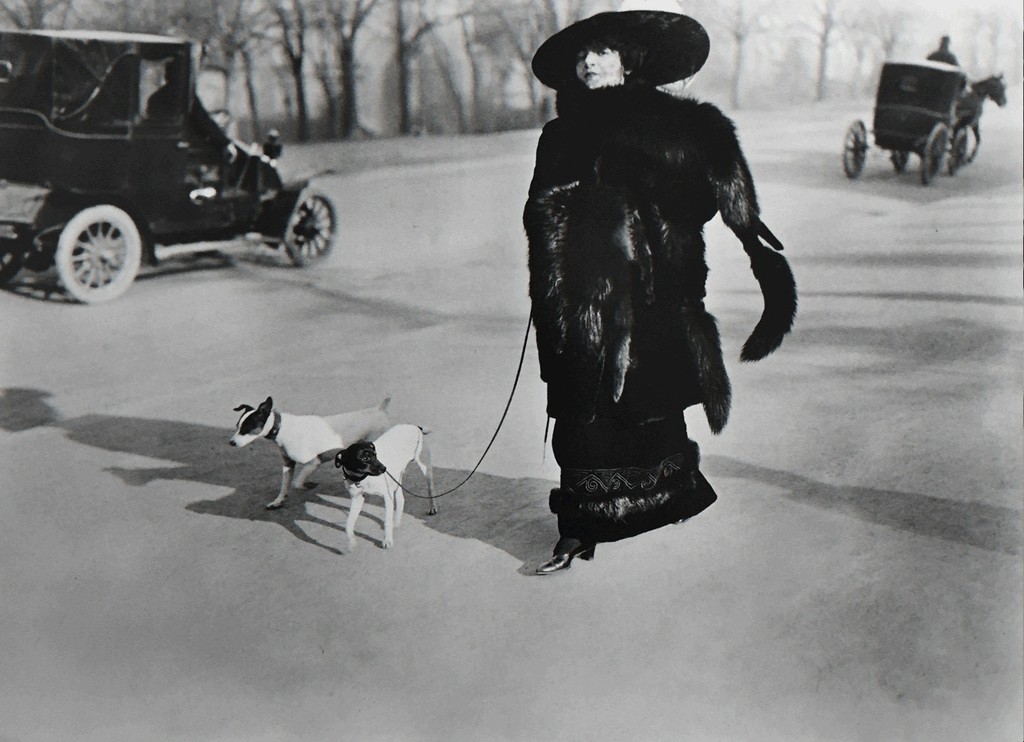
Jacques Henri Lartigue began photographing as a child, capturing the games he played with his brother and friends, and injecting his own vision and personality into the instant, or action-based, photography that was popular at the time. Naturally gifted, Lartigue was an amateur photographer who considered himself primarily a painter. As such, his photographs are characterized by humorous informality, depicting fashionable women and the city’s denizens engaged in leisure activities like kite-flying, skiing, and car-racing, and showcasing the freedoms enjoyed by people of a certain class during the ’20s.


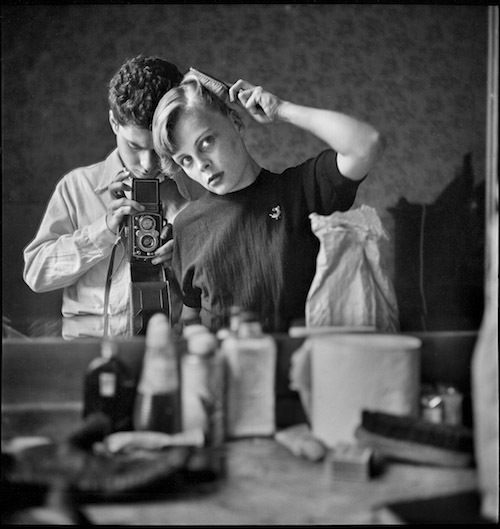
Ilse Bing (1899–1998)

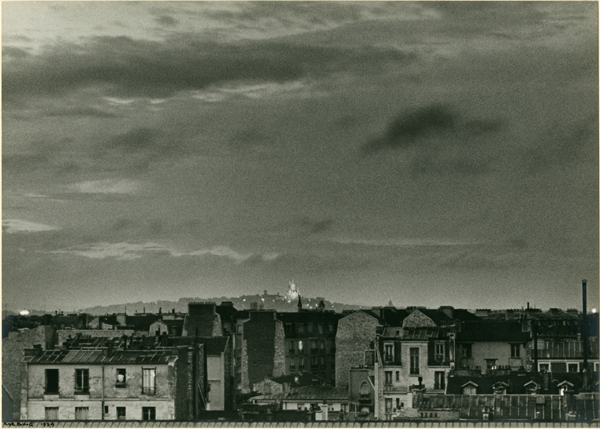
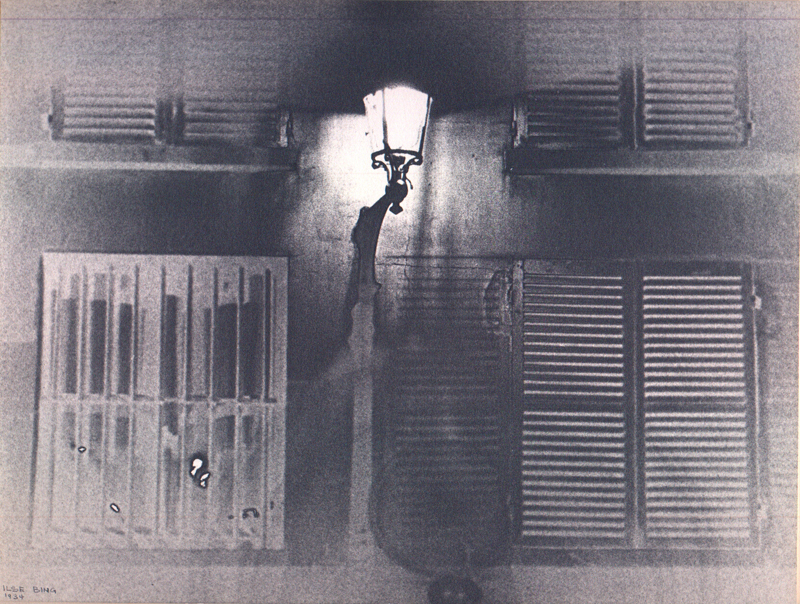
Compelled by Paris’s thriving avant-garde community and the work of Florence Henri, in particular, Ilse Bing relocated from her native Frankfurt to the French capital in 1930. Working as a photojournalist and fashion photographer for prominent French, German, and American publications, Bing also remained dedicated to her personal work. Through the unorthodox perspectives, geometric abstraction, and high-contrast lighting associated with the New Photography movement, Bing wrung a balance of theatricality and subtle harmony from everyday Parisian life.


André Kertész (1894–1985)

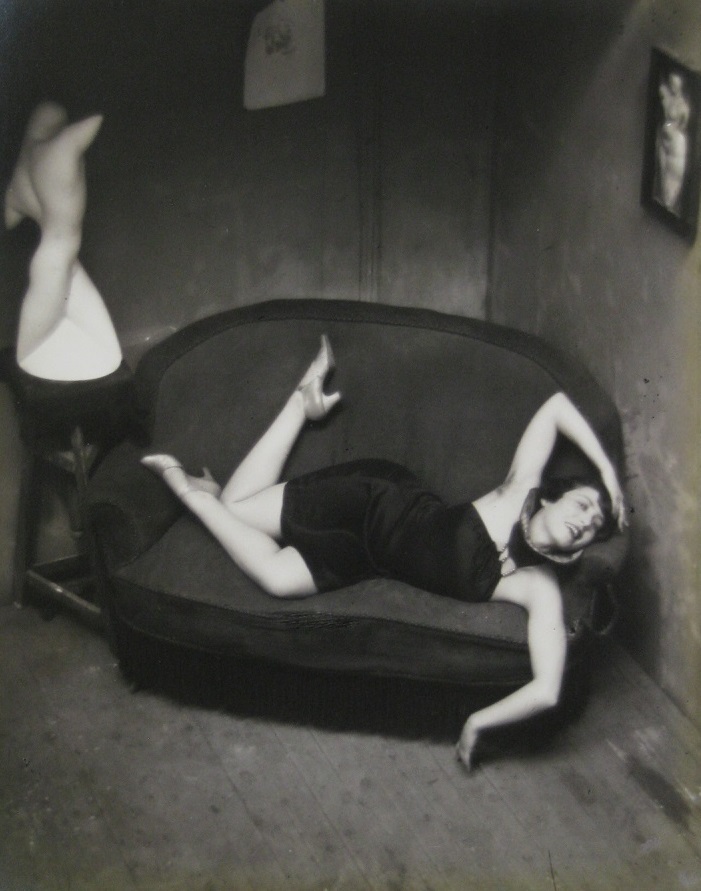
Budapest-born André Kertész lived in Paris from 1925–1936, before settling in New York. While in Paris, Kertész worked as a photojournalist during the boom of the nascent profession. He aimed to capture his subjects without interference but was intensely interested in composition, creating images suffused not only with documentary clarity but also with aesthetic experimentation. Shot from unusual angles and often inflected with the surreal, his ephemeral moments and unstaged subjects—from banal objects to fellow artists to architecture—brim with poetic intimacy.


Germaine Krull (1897–1985)

Germaine Krull’s 1928 photobook Métal introduced radical images of Paris’s steel constructions, shot from unexpected angles that imbued the visual vocabulary of New Photography with poetic beauty. The same year, Krull was included—alongside André Kertész—in the Salon de l’Escalier, France’s first show of modern photography. A former fashion photographer for Sonia Delaunay, Krull eventually traveled the world as a photojournalist and political activist. At home, she captured working-class Parisians with energy and compassion, and snapped innovative architectural studies.


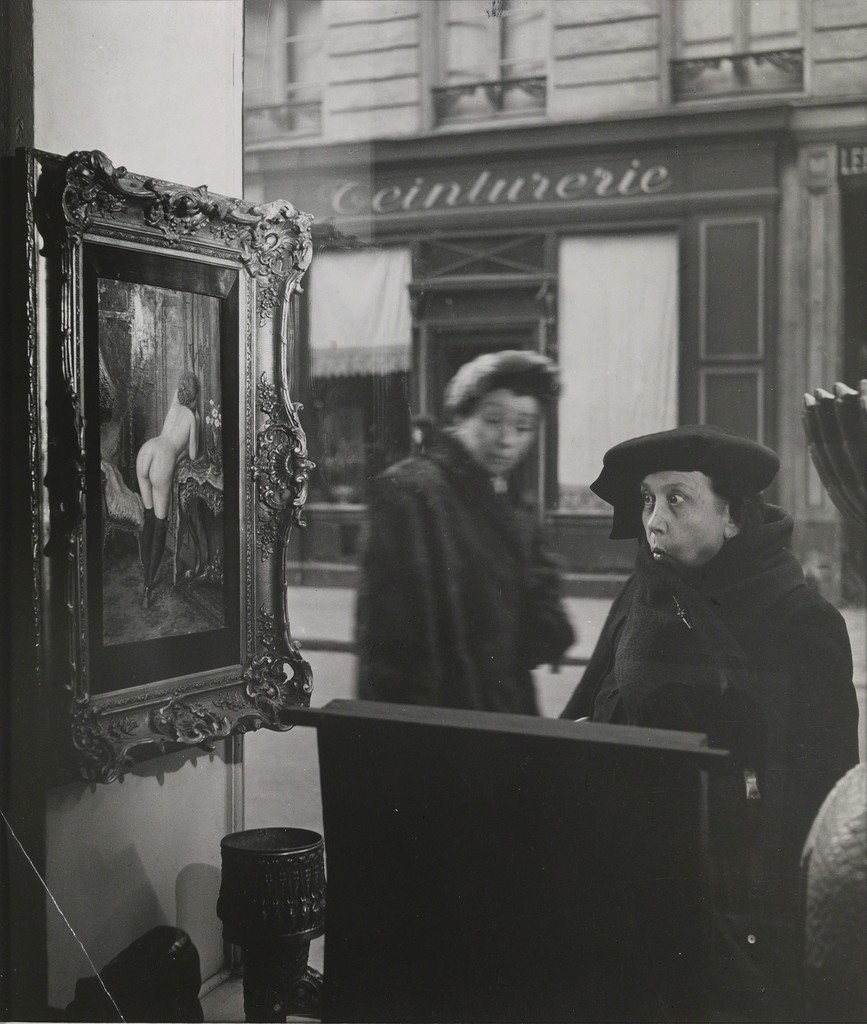
Robert Doisneau (1912–1994)

Although Paris native Robert Doisneau photographed fashion for Vogue and wartime images for the French resistance during his career, he remained steadfastly dedicated to photojournalism and, with it, street photography. Whether training his lens on children at play, women window-shopping, or prominent fellow artists, Doisneau captured his subjects with a combination of humanity and humor, juxtaposing the mundane with the unexpected. It is the combined, paradoxical quality of keenly planned tableaux and informal snapshots that animates Doisneau’s images of mid-20th-century Paris.


Henri Cartier-Bresson (1908–2004)

For Henri Cartier-Bresson—who co-founded Magnum Photos and pioneered the blend of content and composition in photojournalism—photography was the “yes…yes…yes” that concludes Joyce’s Ulysses: presence of being, enjoyment, and affirmation. He relished creating aesthetic order through geometry and shape, aiming to concretize and strip down a situation for legibility in a single glance. Influenced by Surrealism, the dynamic and often strange, candid moments he captured on the streets of Paris and beyond are the products of patience, rather than sheer chance.


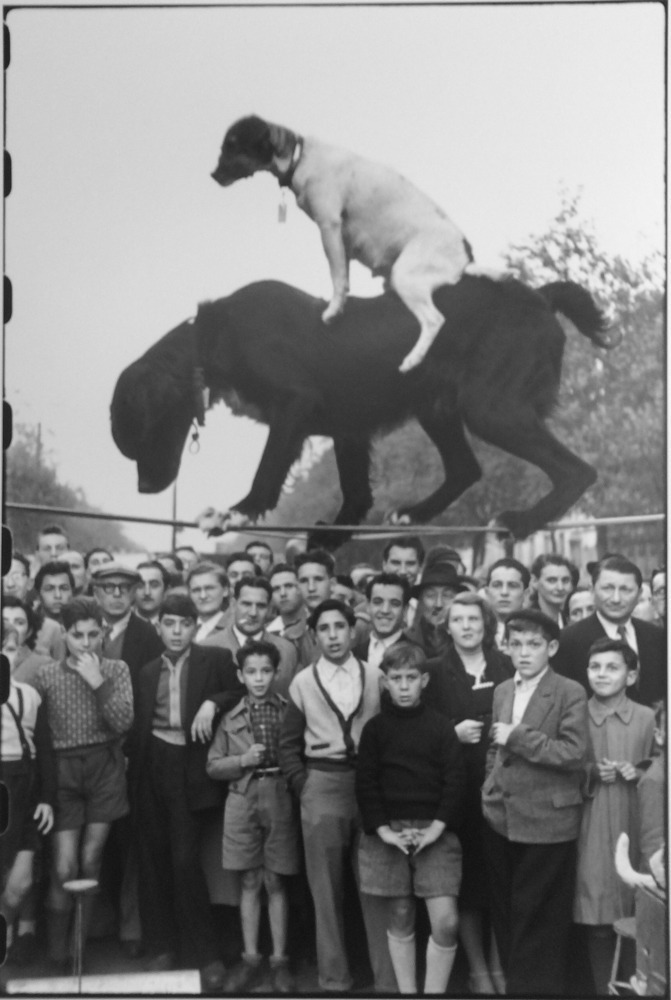
Elliott Erwitt (b. 1928)

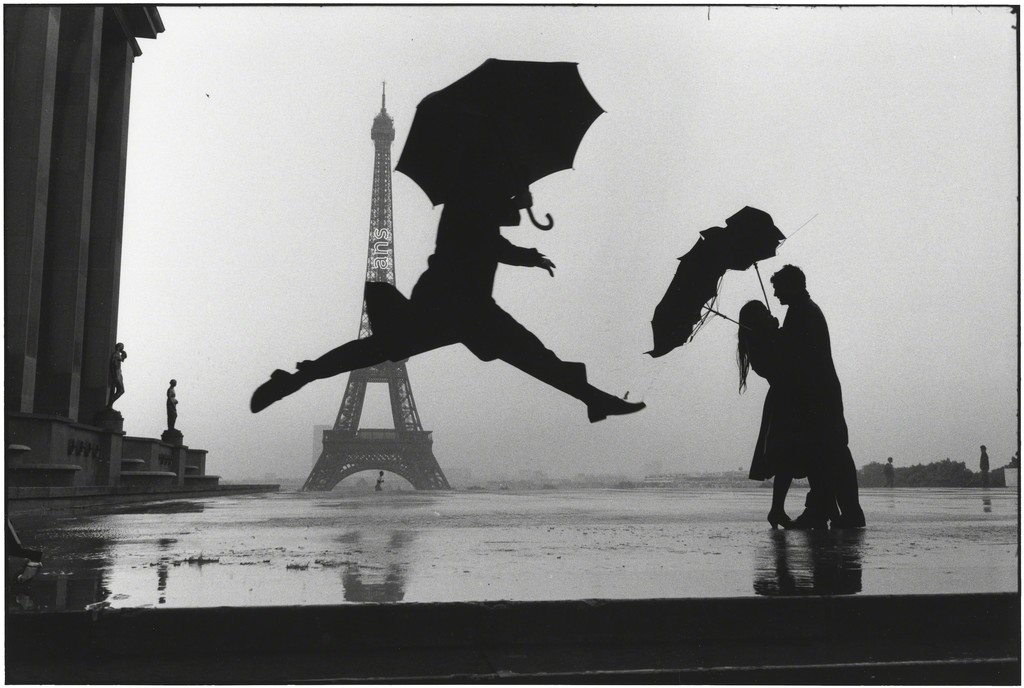
Henri Cartier-Bresson—whom Elliott Erwitt has cited as a formative influence—once stated, “Elliott has to my mind achieved a miracle” in his ability to bring personality and heart to his work, even after a lifetime of traveling the world on commercial photojournalism campaigns. Born in Paris, Erwitt returned to photograph his home city after moving to the United States as a child. Casual yet composed, his images celebrate the City of Light with wit and unbridled playfulness, by turning, for example, the Eiffel Tower into a backdrop for ecstatic human emotion.

—Rachel Lebowitz

Thursday, March 24, 2016

Articles | Tax Tips for Artists

Articles

Tax Tips for Artists


by Laura C. Mallonee on April 14, 2014
(Photo courtesy of StockMonkeys.com)
T.S. Eliot’s claim that April is the cruelest month feels particularly true during tax season. Assuming you’re an artist in the United States who makes at least $10,000 a year, you may be scrambling to file your return before tomorrow’s deadline. And whether you’re making the big bucks like Jeff Koons or wallowing in obscurity á la Van Gogh during his lifetime, it can be a headache-inducing process.
Next year, save yourself the trouble and follow these tips:

1. Move to Mexico

Artists don’t have to pay taxes in the country, so long as they’re willing to part with a few paintings or sculptures. More than 700 artists in Mexico benefit from the Pago en Especie (Payment in Kind) program, which first began in 1957 and has amassed nearly 7,000 works from artists like Diego Rivera, Frida Kahlo, Antonio ‘Gritón’ Ortiz and Miguel Calderón.
See also: horchata.

2. Or India

It’s nice to live in a country that acknowledges most artists are actually poor. Sell your work abroad, and the Indian government allows 75% of your total income to be exempt from taxation.

3. Or Ireland

The grass really is greener, plus the country gives artists who can prove their work has merit a €40,000 (~$55,000) exemption. Not bad.

4. Or the UK

Since last March, England, Scotland, Wales and Northern Ireland have allowed artists to donate works to the state through its Cultural Gifts Scheme in exchange for tax deductions. (Reap the rewards even if you’re not an artist: In December, a collector donated Van Gogh’s “Head of a Peasant Woman” to the National Gallery under the program).

5. Or maybe just get smarter about your taxes.

You can claim deductions on a lot more than you may think. From studio space rentals to class fees to art supplies, the possibilities are endless.


fáque feissebuque = fuck facebook


Articles | Why Can’t Artists Deduct Donated Artworks from Their Taxes?


Articles

Why Can’t Artists Deduct Donated Artworks from Their Taxes?


by Sheila Regan on March 22, 2016
11431742405_dce2a56afd_k
(photo by Lendingmemo/Flickr)
Artists are constantly being promised exposure, glory, connections, gratitude, and other intangible benefits in exchange for giving their artwork away for free. The truth is, the biggest outcome for artists usually ends up having more opportunities to work for free. But what about at the end of the year? Can artists deduct the artwork they’ve donated for a write-off on their taxes? The answer, sadly, is no.
“The long and short is not great news for artists on this topic,” said Alyssa Fox, an accountant for Fox Tax, a tax firm that specializes in working with artists, in an email to Hyperallergic. “The deduction for a person’s own work is limited to their basis in the work.” Basically, if an artist donates a piece to a nonprofit organization or a museum, she can only deduct the costs that went into the piece, which would include materials as well as paying someone else, such as a framer or printer. “They cannot value their own time,” Fox said. Even if an artist spends 100 hours on a painting she donates, those are all hours that are valued at zero in the eyes of the taxman.
We can blame this sorry state of affairs on Richard Nixon, according to Susan Lee of Freelance Taxation. Apparently, the former president tried to write off over a million dollars for donating his own manuscripts to a library, and Congress quickly responded by creating a law that states the creator of a piece of work can only deduct the cost of materials.
For this article, we spoke with Minneapolis-based artists to get firsthand accounts of their experiences with this particular tax rule — though it applies to all artists doing their federal taxes in the US. We also spoke with an accountant who works with artists, arts nonprofit folks, and a tax lawyer, to help us understand the issue.
bySimiKang
Bao Phi (photo by Simi Kang) (click to enlarge)
Spoken-word artist Bao Phi found out the hard way. When he first started touring over a decade ago, Phi would often be approached by institutions to perform for their events for free. He figured he could just write it off on his taxes. “My accountant was like, you can’t do that,” Phis told Hyperallergic. “I was really surprised. It’s not like I made any less of an effort. It was still all my time — all my preparation. I gave the same show.”
It struck the poet as unfair, considering that when he does get paid to do a performance, he gets taxed. “I get that they have to have some regulation — otherwise you’d do a bunch of free shows, but to me it seems like an inequitable system,” he said. Wouldn’t it be better if the IRS just limited how much an artist can donate? These days, Phi is a lot more hesitant to donate, especially if it’s for a wealthier institution. “A lot of people don’t think beyond that piece of art. They aren’t thinking of the work,” he said.
In addition to artists having little tax incentive for donating artwork, promises of receiving exposure and networking turn out to be not that great either. Painter Caitlin Karolczak, who is based out of Minneapolis and New York, said she’s donated thousands of dollars worth of paintings over the last decade to various galleries and nonprofits, and has seen little in return.
“Usually it does not do a service to the artist,” she said. The only way it will do a service to you is if it’s a good bullet on your resume, or a good curator.” Sometimes Karolczak will get a free ticket to a gala, which might be worth a couple hundred dollars, but even that is much less inexpensive than her work’s value. “I’ve donated a $500 painting for an $80 ticket,” she said. Through all the years, she’s never had a follow-up sale from a donation, and finally had to cut off certain nonprofit galleries that would only show her work when it was a donation, not as part of its regular programing, which happened all too regularly. “With my career level, I want a little more,” she said.
SooVAC (Soo Visual Arts Center), a Minneapolis art gallery, has in the past asked artists to donate works for its annual silent auction fundraiser, which is a common practice among nonprofits. But this year, SooVAC gave artists the option of having a percentage of the winning bid, according to Executive Director Carolyn Payne. So, for any given artwork that is sold at the auction, the artist would keep a percentage, with the rest going to the nonprofit gallery. That ensures that the artists can at least get some pay for the time it took to create the work.
Artists don’t have much better luck donating to museums, either. Stephanie K. Donley, the Major Gifts Manager for the Minneapolis Institute of Art (Mia), said the museum is more likely to receive a donation from a private collection rather than an artist, but artists do donate work occasionally. From a legal standpoint, she said, gifts of art come down to what kind of property it is, and how the recipient will be using it. When a private collector donates a piece of art, it’s considered a capital gains property (and therefore deductible), but when an artist donates, the work is considered ordinary income, so deductions are limited to the materials.
theLight
Caitlin Karolczak, “The Light” (2016), a work the artist donated to the I AM Kindness Gallery show (image courtesy the artist)
Whoever the donor is, the museum has that person sign a deed of gift, which turns over the property to the museum. That deed gives a description of what is given to the museum, but doesn’t contain an evaluation. “It’s more for donor recognition purposes,” Donley said. So while an artist might not be able to write off a piece of art she donated, the museum wants to recognize artists at their giving level.
Scott Artley, the executive director of Patrick’s Cabaret, a performing arts center in Minneapolis, said that at a recent fundraiser, he asked donating artists to set a value for their work, so the organization could know how to price a starting bid for the silent auction. Artists could self-report any deductible value in their tax returns, and “if they want a receipt I will give it to them, but have them fill out the deductible value,” he said. “This is one of those infuriating tax inequities that unfairly assumes art and artists have less value because it’s so much more difficult to quantify that value.”
Meanwhile, if an artist dies, “that’s a totally different set of rules,” said James Lamm, an Attorney for Gray Plant Mooty, a Minneapolis Law Firm. First of all, the artist has to bequeath not only the physical piece of art but also the copyright to her heir in the will (which an artist would need to do no matter what state she lives in). The estate, however, does get to deduct the fair market value of the work, according to accountant Alyssa Fox. “This is why museums are often filled with the works of artists who have passed on,” she said.
Even without the tax break, artists still might consider donating their works. Artist Frank Gaard has donated art to both Mia and The Walker Art Center, for instance, and both Karolczak and Phi say they still will donate for a cause they really believe in. Karolczak recently donated a piece to the I AM Kindness Gallery, a one-night event that allows people to “buy” works of art by promising to volunteer or do some other act of kindness for the common good. Karolczak thinks the idea is “kind of neat” and made a work especially for the show. “They try to make the artists at least feel that they are thankful for what you are doing.”


Comics | Homage to Springtime | by Edie Everette

Overpasses
  • Thumbnail image for Required Reading
  • Comics

    Homage to Springtime

    by Edie Everette on March 21, 2016
    EveretteSpringHyper-1280