Friday, August 26, 2022

NFTs Have Been Stolen


More Than $100 Million Worth of NFTs Have Been Stolen in the Past Year as Crypto Scams Continue to Rise
NFTs
More Than $100 Million Worth of NFTs Have Been Stolen in the Past Year as Crypto Scams Continue to Rise
By Artnet News


    More Than $100 Million Worth of NFTs Have Been Stolen in the Past Year as Crypto Scams Continue to Rise

    Thieves are deploying increasingly sophisticated scams to gain access to collectors’ digital wallets.
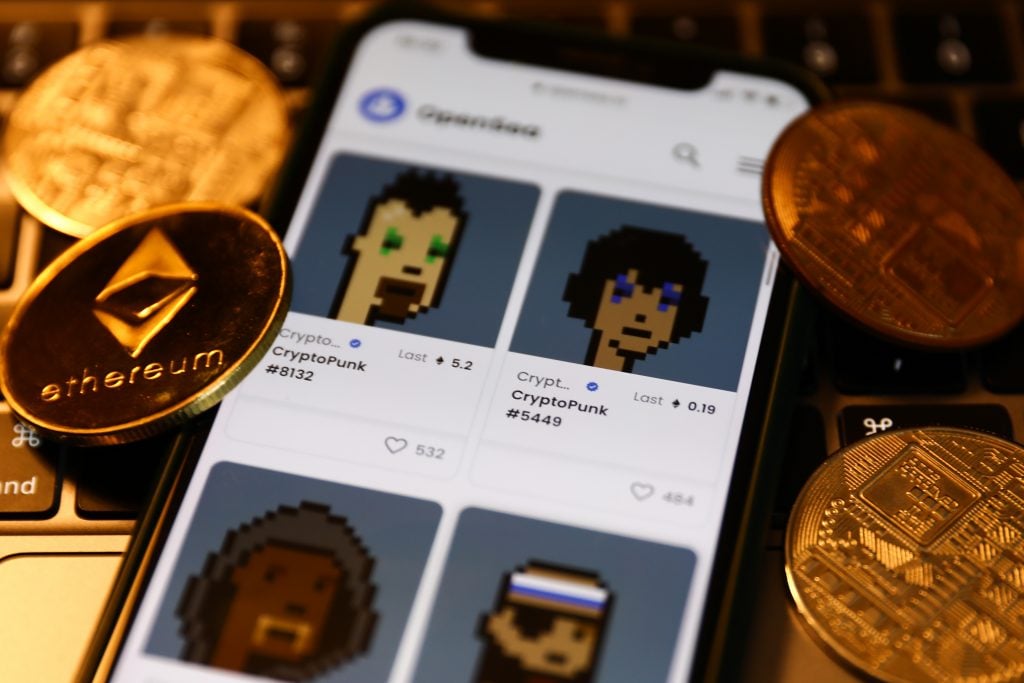
    A collection of CryptoPunks in OpenSea displayed on a phone screen. Photo: Jakub Porzycki/NurPhoto via Getty Images.


    Over $100 million worth of NFTs have been stolen over the course of the past year, according to a new study, and thieves made off with an average of $300,000 each time.

    The 110-page report, published this week by the London-based blockchain analysis company Elliptic, suggests that thefts have not decreased with the recent cryptocurrency crash. In fact, the rate of the cybercrimes may be going up: In May, just under $24 million in NFTs were swiped from owners’ wallets—the highest amount recorded in a single month. In July, a whopping 4,600 NFTs were stolen, another record number.

    The most valuable NFT ever stolen, according to the report, is CryptoPunk #4324, which was pinched in November before being sold for $490,000. The biggest single heist occurred a little more than a month later, when 16 blue-chip NFTs worth $2.1 million were stolen from a collector. 

    At the center of many of these cases are elaborate scams that trick NFT owners into voluntarily sharing access to their NFTs or wallet. Phishing attacks are the most common form, used to lure NFT owners with fake websites, pop-ups, and transaction opportunities. Often this involves criminals imitating well-known crypto-art platforms or even counterfeiting NFTs. 

    Social media has left NFT players particularly vulnerable as scammers hack the accounts of popular NFT projects to post phishing links. Close to 5,000 NFTs have been filched this way, Elliptic reports, noting that social-media compromises accounted for nearly a quarter of all crypto-art thefts over the last year.

    What’s more, the cost of these crimes has skyrocketed in recent months. Between the first and second quarters of 2022, the value of NFTs stolen through social-media scams went from $3.2 million to $15.4 million—a 386 percent jump.

    “The growing availability of tailored malware that can bypass multi-factor authentication is likely to be partially responsible,” Elliptic’s report explains.

    It was through Instagram that an attacker was able to steal $3 million worth of NFTs from Yuga Labs, the collective behind the Bored Ape Yacht Club, in April. After hacking the company’s account, the con sent users a “smart contract” that ultimately yielded access to their crypto wallets. 

    Elliptic also found that some services have been especially instrumental in enabling blockchain crime. Roughly 52 percent of NFT scammers used the virtual currency mixer Tornado Cash to launder money after thefts. The U.S. Treasury Office placed the service on sanctions earlier this year, saying it “indiscriminately facilitates anonymous transactions by obfuscating their origin, destination, and counterparties.”

    Still, for NFT lovers growing weary of their wallets’ exposure, the outlook may not be as bleak as it looks. “As with many crimes,” the report says, “the perceived chances of NFT-based crime occurring is higher than it actually is. Elliptic’s data-driven analysis has found that the true instances of these crimes account for a small proportion of NFT-related trade.” 

    The “responsibility” for combating such crime, Elliptic argues, “lies on everyone engaging in the NFT space—regulators, marketplaces, project developers, NFT traders and influencers—to motivate safe and secure development of this technology.”


    What Defines a Museum


    artnet News
    August 26, 2022
    After Years of Debate, Leading Experts Have Finally Decided What Defines a Museum. Does It Go Far Enough?
    Museums
    After Years of Debate, Leading Experts Have Finally Decided What Defines a Museum. Does It Go Far Enough?
    By Sarah Cascone
    Read Article


      After Years of Debate, Leading Experts Have Finally Decided What Defines a Museum. Does It Go Far Enough?

      The description includes 13 new words or concepts reflecting the evolving nature of museums' role within society.

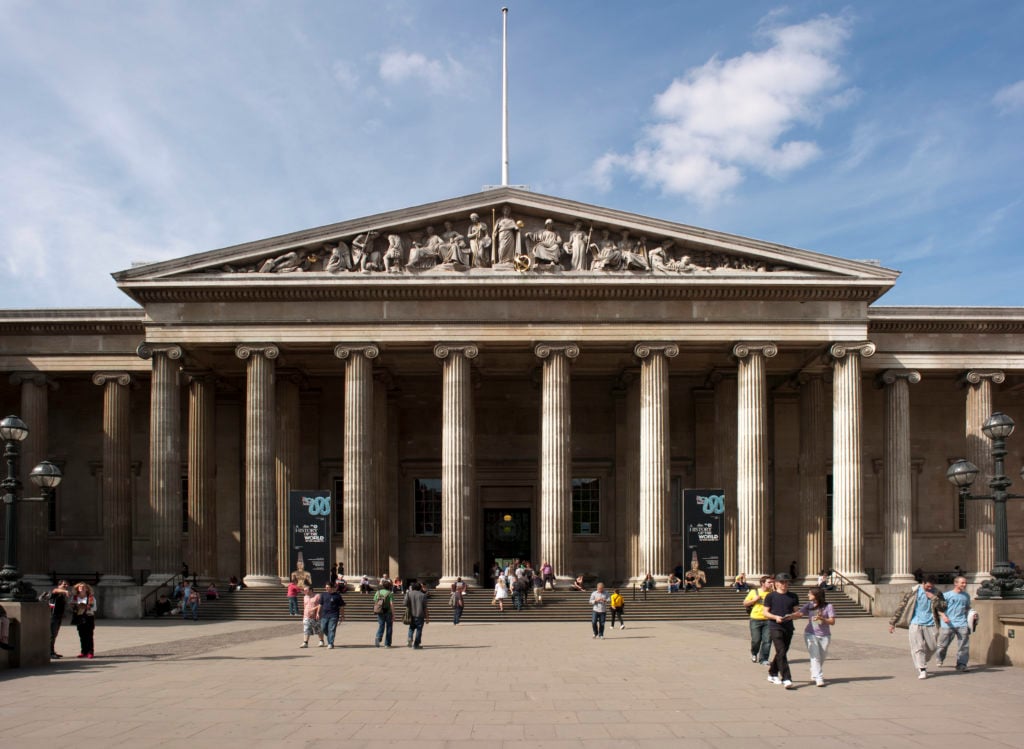
      The British Museum. Photo ©the Trustees of the British Museum
      The British Museum. Photo ©the Trustees of the British Museum


      What does it mean to be a museum? After years of controversy and debate, the word officially has a new definition from the International Council of Museums (ICOM), a 76-year-old professional organization that works with UNESCO to oversee the global museum community.

      “This is the culmination of a long, long process that started in 2015,” ICOM president Alberto Garlandi said at a press briefing. “This definition is maybe not perfect… but it is seen as a great step forward for the museum community.”

      Here is the full definition from ICOM:

      A museum is a not-for-profit, permanent institution in the service of society that researches, collects, conserves, interprets, and exhibits tangible and intangible heritage. Open to the public, accessible and inclusive, museums foster diversity and sustainability. They operate and communicate ethically, professionally, and with the participation of communities, offering varied experiences for education, enjoyment, reflection, and knowledge sharing.

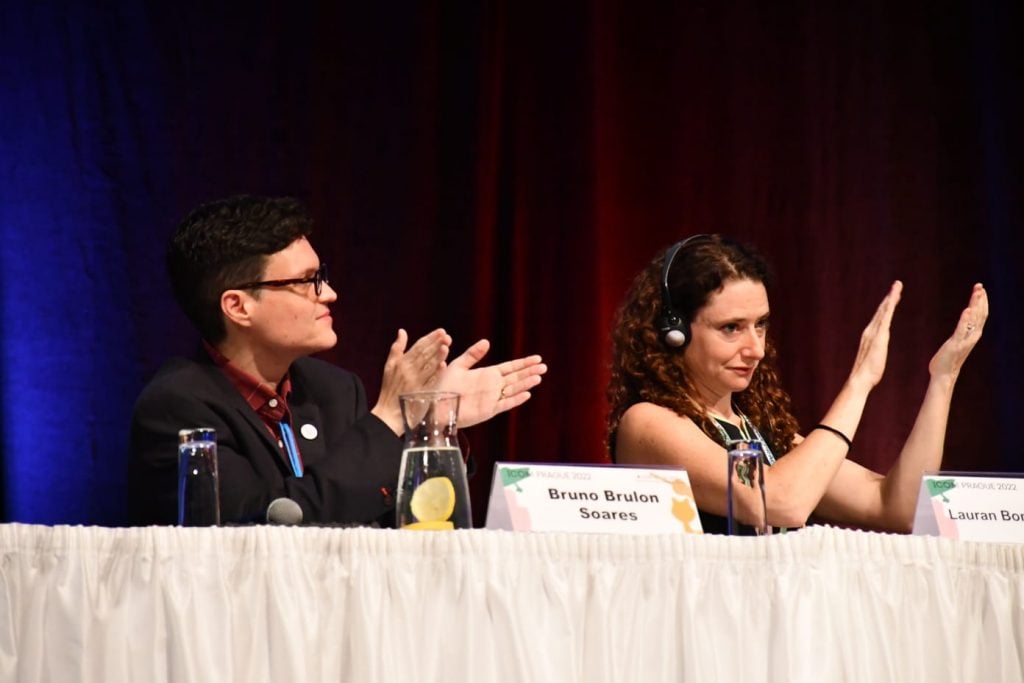
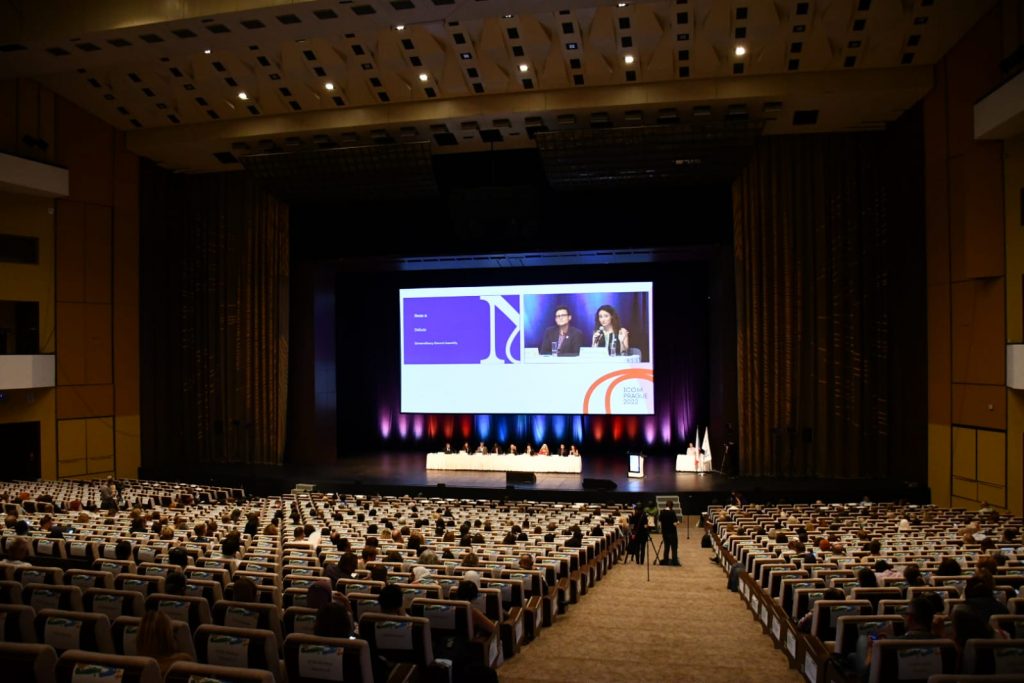
      ICOM Define co-chairs Bruno Brulon and Lauran Bonilla Merchav at a panel presenting the new definition of museums at the ICOM General Conference Prague. Photo courtesy of ICOM.

      ICOM Define co-chairs Bruno Brulon and Lauran Bonilla Merchav at a panel presenting the new definition of museums at the ICOM General Conference Prague. Photo courtesy of ICOM.

      At first glance, the new definition does not seem to deviate that much from the existing one, which was last updated in 2007 and remained essentially unchanged since the 1970s. But while the structure is similar, it has 13 new words or concepts, many of which are quite progressive in nature—such as “diversity,” “sustainability,” “ethically,” and “accessible”—reflecting the evolving nature of museums’ role within society.

      “The old definition was passive, just about having a collection,” said Bruno Brulon, co-chair of ICOM Define, the committee overseeing the formulation of the definition. “The new definition is much more active.”

      The revision passed with 92 percent of the vote on the last day of ICOM’s General Conference in Prague. Its nearly unanimous approval marked a dramatic turnaround from the organization’s last conference, in Kyoto in 2019.

      Ahead of that gathering, 24 national ICOM committees voiced their objection to a proposed definition criticized as “too ideological,” and the vote was postponed.

      That rejected definition, a meandering 99 words, spoke of museums as “democratizing, inclusive, and polyphonic spaces for critical dialogue about the pasts and the futures” and championed “human dignity and social justice, global equality, and planetary well being.”

      ICOM Define co-chairs Bruno Brulon and Lauran Bonilla Merchav at a panel presenting the new definition of museums at the ICOM General Conference Prague. Photo courtesy of ICOM.

      ICOM Define co-chairs Bruno Brulon and Lauran Bonilla Merchav at a panel presenting the new definition of museums at the ICOM General Conference Prague. Photo courtesy of ICOM.

      The controversy seemed to open a fissure inside ICOM, dividing the organization along progressive and conservative lines. The question was, should a museum’s purpose be to educate and collect, or should it also use its collection to work for the betterment of society?

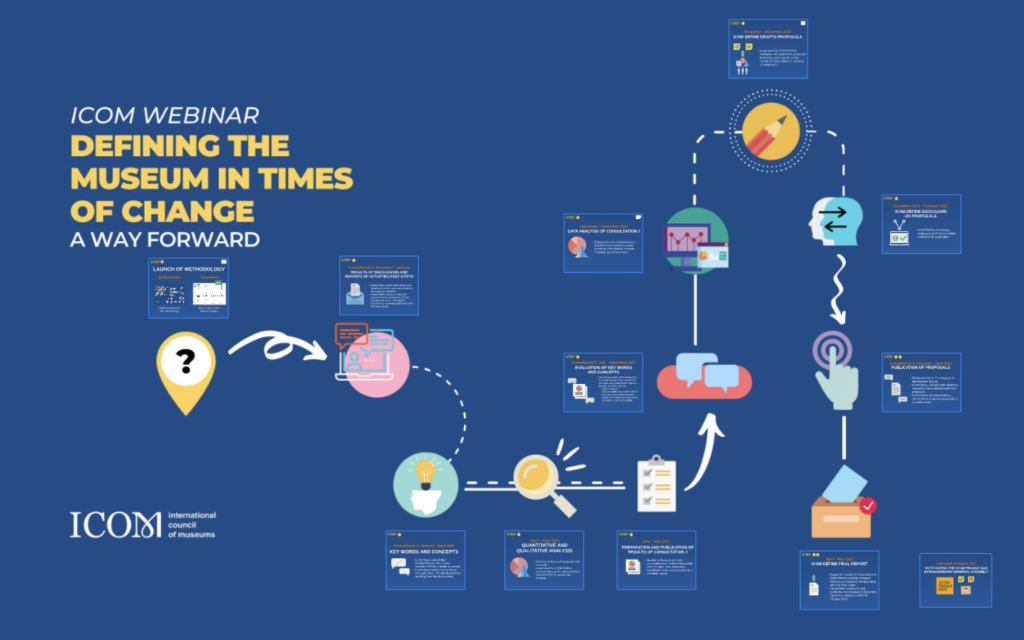
      Determined to reach an accord, ICOM launched an 18-month process that solicited opinions from all of its members, and was transparent every step of the way. A committee of seven people was replaced with a much larger ICOM Define committee that included many of the voices who had been most vocal in their opposition to the 2019 draft.

      “In the start it was rocky,” Inyung Chang, vice president of ICOM Korea, admitted at the conference’s panel discussion on the subject. But eventually, point by point, a consensus emerged.

      Every word in the new definition was carefully considered, such as whether it should refer to museums as institutions, organizations, or spaces. It was also important to consider what form of the word to use—to describe a museum as ethical, or say it must operate ethically, for instance.

      “We really built it together,” ICOM Define co-chair Lauran Bonilla Merchav said. “Some of these terms may seem like they’re of the moment, but they’re not. They’re actually terms that are adaptable and flexible, that can be applied to museum circumstances in the moment.”

      There were four consultation rounds, including one where every existing ICOM committee was invited to submit a list of 20 key words or concepts it believed should be included in the final draft.

      ICOM Define and an external team analyzed the resulting 127 unique words to determine which ones were most commonly occurring. Those became the building blocks for the final definition, with the committee presenting five drafts to ICOM members. Based on feedback on what worked about each option, a final version was refined and then put to a vote.

      ICOM Define methodology for choosing the new definition of museums, approved at the ICOM General Conference Prague. Photo courtesy of ICOM.

      ICOM Define methodology for choosing the new definition of museums, approved at the ICOM General Conference Prague. Photo courtesy of ICOM.

      But inevitably, with a process involving so many thousands of people, not everyone was satisfied with what made the cut.

      “We would have liked to see words like ‘decolonize’ in the definition, because that is what is happening in the world,” the National Museums of Kenya’s Muthoni Thangwa, spokesperson of the ICOM International Committees, said at the panel. “We would have loved [to see] the issue of repatriation addressed in the definition.”

      “To be honest, it’s not progressive enough for me either,” Chung added, “but we have to have something.”

      ICOM feels that the new definition is both illustrative of the ways in which museums have changed in recent years to become more responsive to the needs of their communities, and a roadmap that can help guide museums that are not yet doing that essential work.

      “Museums that aren’t concerned with sustainability or diversity, these are now terms that are in the definition, so they have to consider them,” Bonilla Merchav said. “Museum now have to dedicate themselves to making the world a better place. That’s the big change that has taken place with this definition.”