Monday, August 19, 2019

Books About Art, Artists, and Art Dystopias


9 Rollicking Books About Art, Artists, and Art Dystopias to That Will Make You Look Smart on the Beach This Summer

If you're looking for a beach read, search no more—we've got you covered.
This could be you. Photo: Gaizka Roz/AFP/Getty Images.
We assume you have your beach vacation planned. Good for you! But what to read? Danielle Steel is obviously always a hit, but maybe you want something a little meatier, or maybe—going out on a limb here—you need to feel some connection to the art world, even when you’re miles away. We’ve got you covered. Here are our summer reading recommendations for a lazy day in the sand.

My Year of Rest and Relaxation (2018)Ottessa Moshfegh

You won’t be able to put this one down. The story follows a nameless New York woman in her 20s who, fed up with the demands of modern life, simply takes the year off to sleep. Heavily medicated, she drifts through life nonchalantly, irritated by even the slightest demands from her annoying friend (the last one she has left) and her stupid, selfish boyfriend. Before her early retirement, she works at a Chelsea gallery showing godawful works by an artist who later becomes something of an accomplice. Also, look at that striking book cover! It looks like an Ingres, but really it’s by a follower of Jacques-Louis David. You should always absolutely judge a book by its cover.
Get it on Amazon.
—Pac Pobric

The Book Artist (2019)Mark Pryor

A murder mystery set in Paris? Check. A bibliophile expat American detective? Check. A mysterious and beautiful young artist whose obsession with books is reflected in her clever use of them to create elaborate installations and sculptures? Check. Never mind that you might be on the beach and the backdrop for this book is winter in the French capital. You’ll enjoy zipping around Paris’s lively food and art scenes as the plot unfolds and detective Hugo Marston tries to piece together who is behind a puzzling death—and what art might have to do with it.
Get it on Amazon.
—Eileen Kinsella

Oval (2019)Elvia Wilk

Oval is set in a not-so-distant future in Berlin, where the art and startup landscapes have fully merged, where every alternative event has been usurped for product promotion, and where creativity and corporate thinking have completely gelled. “The only real difference between the people working in the creative industry and the people working at the airline counter is that the creatives are rude,” says Louis, a “disruption consultant” who is developing a club drug that makes users more generous. “Everyone we know assumes they’re intellectually and morally superior to normal people, but our friends are just as normal, just as conservative and boring as anyone else,” he continues. This debut novel is by Elvia Wilk, who has regular bylines in Frieze, Artforum, and E-flux.
Get it on Amazon.
— Kate Brown

The Life of Leonardo da Vinci (2019)Giorgio Vasari, with an introduction by Martin Kemp

Timed to the 500th anniversary of Leonardo da Vinci’s death, this new edition is adapted from Giorgio Vasari’s classic 16th-century Lives of the Artists, now in a new translation by Oxford art historians Lucy Russell and Martin Kemp. For the first time, images of works of art accompany Vasari’s text, as do some of Leonardo’s scientific studies. Plus, at just 128 pages, it’s a lightweight addition to any beach bag.
Get it on Amazon.
— Rachel Corbett

Fake Like Me (2019)Barbara Bourland

If you want the summer-reading equivalent of a sickly sweet confection that will make your teeth rot, look no further than Barbara Bourland’s new page-turner. The book follows a wannabe painter whose mentor, Carey Logan, has tragically downed in the black lake at Pine City, the most prestigious artist retreat in Upstate New York. When the unnamed artist travels to the place of Logan’s death, she finds herself wrapped up in a haunting presence.
Get it on Amazon.
—Caroline Goldstein

Lee Krasner: A Biography (2011)Gail Levin

Poor, Jewish, and female, the cards were stacked against Lee Krasner, but she never gave up on her ambition to be a great artist. In New York’s macho art world of the 1940s and ’50s, Krasner held her own and ultimately prevailed as a grade-A Abstract Expressionist. Strong, sassy, and smart, she enabled her troubled husband to produce his best works, and, as his widow, protected his legacy with skill and tenacity, famously getting the better of the Peggy Guggenheim in court. Levin portrays a true rebel with a cause.
Get it on Amazon.
— Javier Pes

Blinder Galerist (2019)Johann König

Why We Like It: This one’s for our German-reading audience. In this memoir, the influential art dealer Johann König opens up about going blind at an early age following an accident when he was 12. König writes about learning to navigate the art world with a disability and about his art-filled family life (Andy Warhol and David Hockney often visited his father, the curator Kasper König). The English-language rights to König’s memoir are still available, should anyone who cares be reading… .
Get it on Amazon.
— Naomi Rea

Innocents and Others (2016)Dana Spiotta

Innocents and Others addresses some of the most salient issues confronting the art world today through a perspective-shifting friendship-drama between two filmmakers on opposing sides of commercial success. Carrie, a middle-class transplant to Los Angeles, is trying to maintain a career as a writer-director of mainstream comedies targeted at adult (white) women. Meadow, a friend of Carrie’s from film school, continues making critically acclaimed, politically charged, avant-garde documentaries to assuage her guilt over being born rich. Their sensibilities and ethics collide over Inward Operator, Meadow’s forthcoming film about an economically disadvantaged blind woman who manages to ignite long-distance, nonsexual romances with celebrities strictly through phone calls. Spiotta expertly explores nuanced ideas about artistic exploitation, class privilege, and identity construction that feel more urgent than ever.
Get it on Amazon.
—Tim Schneider

A Short Life of Trouble (2010) Marcia Tucker

Nearly a decade old, this vibrant memoir is still a page-turner. Posthumously published, it is a behind-the-scenes look atMarcia Tucker’s life as an art-world trailblazer. (She was the first woman hired as a curator at the Whitney and would go on to found the New Museum in 1977.) Backlit by the cultural upheaval of the 1960s, the burgeoning feminist movement, and the grit of a bygone New York, her narrative is interspersed with anecdotes about meeting Bob Dylan and later storming out of a PhD seminar when a professor dismissed the work of Nancy Graves. The writing, edited by Tucker’s close friend Liza Lou, is humble, poignant, and incisive.
Get it on Amazon.
— Katie White

Follow artnet News on Facebook: 
 
Want to stay ahead of the art world? Subscribe to our newsletter to get the breaking news, eye-opening interviews, and incisive critical takes that drive the conversation forward.
SHARE

How Smaller Dealers Are Making Money in Nontraditional Ways


Galleries That Moonlight: How Smaller Dealers Are Making Money in Nontraditional Ways, From Helping Corporations to Hosting Weddings

To increase revenue in a crowded field, galleries are developing side hustles as event venues and corporate art advisors.
Installation view of an event by James Gallery. Photo courtesy of James Gallery, Pittsburgh.
To passerby, James Gallery in Pittsburgh would seem like a typical art gallery, with a slate of exhibitions and a range of art on offer. But it would be more accurate to describe the building as a “multi-service shop.” That’s the term that art-market economist Clare McAndrew uses to describe a newer breed of gallery that has to do more than just show and sell art in order to survive in a highly competitive art market.
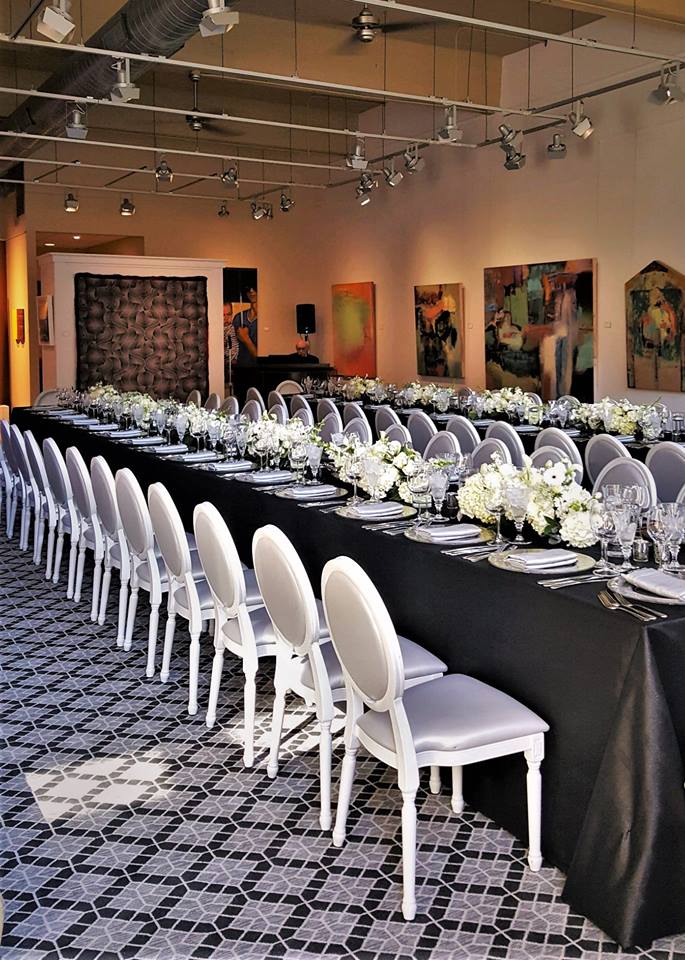
James Gallery, for its part, cannot wait for an artist in its 35-strong stable to make it big, so it needs a variety of related sources of revenue. It will sell you art (a piece at a time or enough to fill an entire building), frame your art, commission artists to create specific works for you, evaluate your existing collection (“asset management”), and even let you throw a party right in the gallery. Such extras might already be rolled into the business of mega-galleries, which have been known to rent out their cavernous Chelsea spaces in New York for Fashion Week and some offer concierge-style services to collectors. But such endeavors are newer for smaller galleries, which are now pursuing them as separate profit-making endeavors rather than extras that a select few billionaire clients have come to expect.
Providing such client services, or “finding additional revenue streams,” as Andrew Schoelkopf, president of the New York-based Art Dealers Association of America, called it, might have been considered gauche in an earlier era. But it has become the new business model for smaller and regional galleries that are looking to compete with the growing quantity of online art sales, other galleries (McAndrew has estimated that there are 296,550 of them around the world), and the hundreds of international art fairs where the elite galleries show their wares. It is a crowded field.
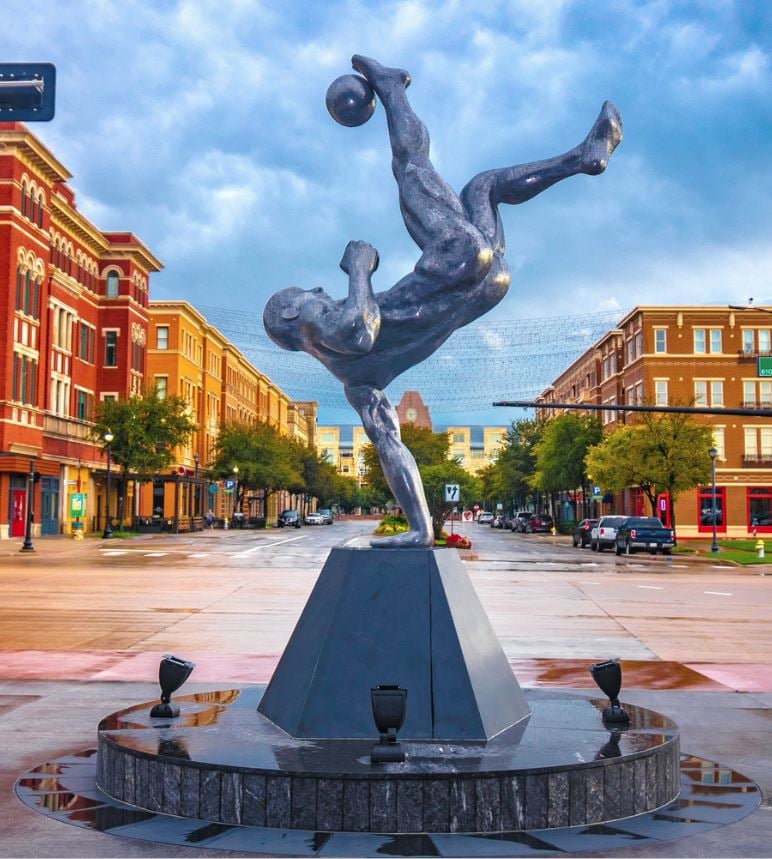
Jacob Burmood’s sculpture for the National Soccer Hall of Fame in Texas. Courtesy of Leopold Gallery.

Boosting the Bottom Line

James Gallery estimates that sales of original art amount to only 20 percent, or $500,000, of the gallery’s $2.5 million annual revenue. Another 32 percent of its earnings, or $800,000, is derived from sales to corporate clients, such as hotels, hospitals, sports arenas, and other area businesses. Then, around 46 percent ($1.15 million) comes from custom framing, which is done in a shop in an adjacent building, and yet another two percent ($50,000) from renting out the gallery itself for parties and weddings—about 20 or so events per year.
“It’s a unique place for an elegant wedding or a boutique event,” said gallery founder James Frederick, “and, because there already is an elegant backdrop of art on the walls, people don’t have to worry about decorations.”
Focusing on providing more services to clients has also helped New York’s Davidson Gallery’s bottom line. It offers art advising, which involves locating and purchasing artworks from other galleries at auctions and in private sales; provides appraisals of clients’ collections; and rents out its gallery space for events. “We rent out the gallery for weddings and parties half a dozen times a year,” said senior director Charles Davidson, adding that the income from these events “is equivalent to one good show.”
This is all the more important considering the unequal distribution of wealth in the art market. The most recent Art Basel and UBS Art Market Report found that art galleries whose annual sales revenue tops $25 million saw their earnings increase 17 percent in 2018 over the previous year, while those whose yearly receipts were under $500,000 saw a decline of 18 percent. “Big galleries have become mega galleries,” Davidson said, “we’re neither mega nor a start-up.”
Some galleries have found that expanding into more corporate work has helped keep the lights on. Paul Dorrell, owner of the Kansas City, Missouri-based Leopold Gallery, claimed that 40 percent of the gallery’s annual income now comes from corporate art advising (another 40 percent comes from sales of artwork at the gallery, with the remainder being online art sales), while Andrew Witkin, co-owner of Boston’s Krakow Witkin Gallery, claimed that private advising amounts to approximately 10 percent.
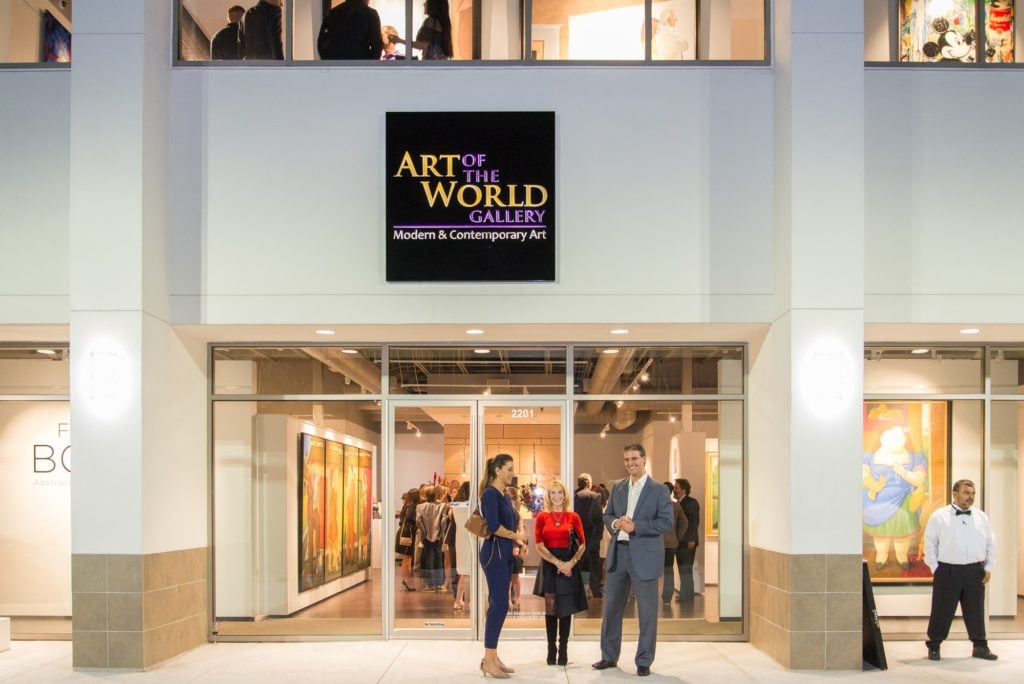
A view of the Art of the World Gallery in Texas. Courtesy of Art of the World Gallery.
Two Houston, Texas galleries, Gremillion & Co. and Art of the World Gallery, offer a variety of services to clients (consulting, installation, commissions), as well as renting out their spaces for parties. A spokesman for Art of the World Gallery estimated that it hosts two or three paid events each month.
Requests to rent out the gallery for events come fast and furious. Halley K. Harrisburg, director of New York’s Michael Rosenfeld Gallery, noted that “we get numerous requests” to host parties—“cocktail parties, fashion shoots, you name it”—but turn them down, even though they represent “an attractive business opportunity.” Andrew Witkin also described being asked “pretty regularly” to rent out the gallery for parties, which “we won’t do, but I’ll give those people the names of galleries in the area that will.” Dorrell called these kinds of events “too much of a distraction, and we don’t do it anymore,” before recalling that the gallery did host a wedding in May (for a friend of a client).
It’s a tough business if your only option is to wait (and hope) for art to sell. McAndrew noted that gallery owners everywhere are “waiting for the next new business model. Dealers are constantly saying to themselves, ‘There must be some better way to make this work.'”


Follow artnet News on Facebook: 
 
Want to stay ahead of the art world? Subscribe to our newsletter to get the breaking news, eye-opening interviews, and incisive critical takes that drive the conversation forward.
SHARE

Life-Changing Art Pilgrimage? Here Are 12 Far-Flung Museums


Looking to Make a Life-Changing Art Pilgrimage? Here Are 12 Far-Flung Museums That Are Truly Worth Traveling For

Now, we're just waiting on Antartica's art museum.
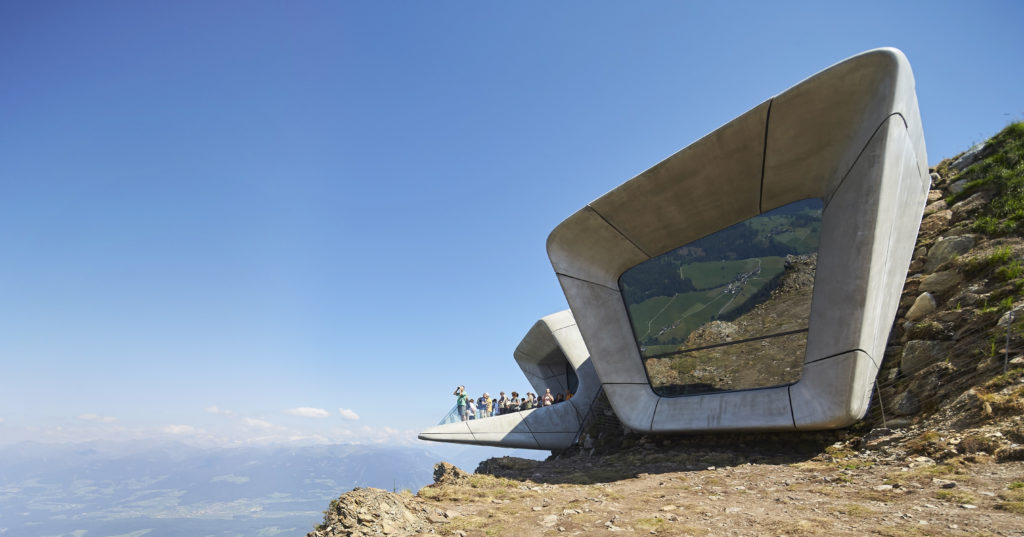
Messner Mountain Museum in Corones, Mount Kronplatz, Italy. (Photo: Hufton+Crow/View Pictures/Universal Images Group via Getty Images)
Are you longing to activate your out-of-office autoreply, but tired of hitting the same cities over and over? For your next big trip, consider adding an extra leg to visit a destination museum. From a tiny Japanese art island to a sprawling cultural compound in the Brazilian countryside, art institutions are springing up around the globe in far-flung locales that you might not otherwise think to visit. But trust us, it’s worth the trek. 
If the dreaded drum roll to Labor Day has your wanderlust in overdrive, check out our list of 12 unique museums you should travel the world to visit.

Naoshima, Japan

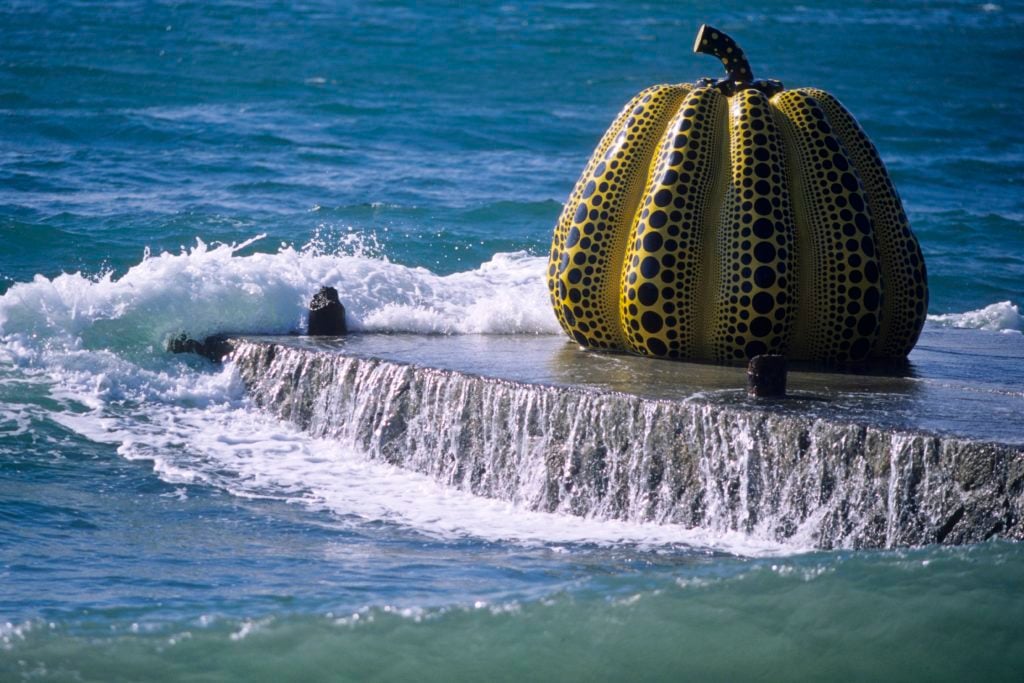
Citrouille de l'artiste Yayoi Kusama, Benesse foundation, ile de Naoshima, Japon. (Photo by Veronique DURRUTY/Gamma-Rapho via Getty Images)
A Yayoi Kusama pumpkin on view at the Benesse foundation in Naoshima, Japan. Courtesy of Veronique Durruty /Gamma-Rapho via Getty Images.
A tiny island in Japan’s Seto Inland Sea, Naoshima is an art junkie’s dream, with more museums per gorgeous square foot than you’re likely to find anywhere else. During the 1990s, Japanese businessman Soichiro Fukutake transformed the once-quiet isle into an immersive art destination centered around a largely subterranean museum designed by Pritzker Prize winner Tadao Ando. The Chichu Art Museum houses a world-class collection of works by Modern masters ranging from Claude Monet to James Turrell and Walter De Maria. Other highlights of the island include the Lee Ufan Museum and the Benesse House Museum. Not tired yet? The Teshima Art Museum and Inujima Seirensho Art Museum are accessible by ferry on a nearby island.

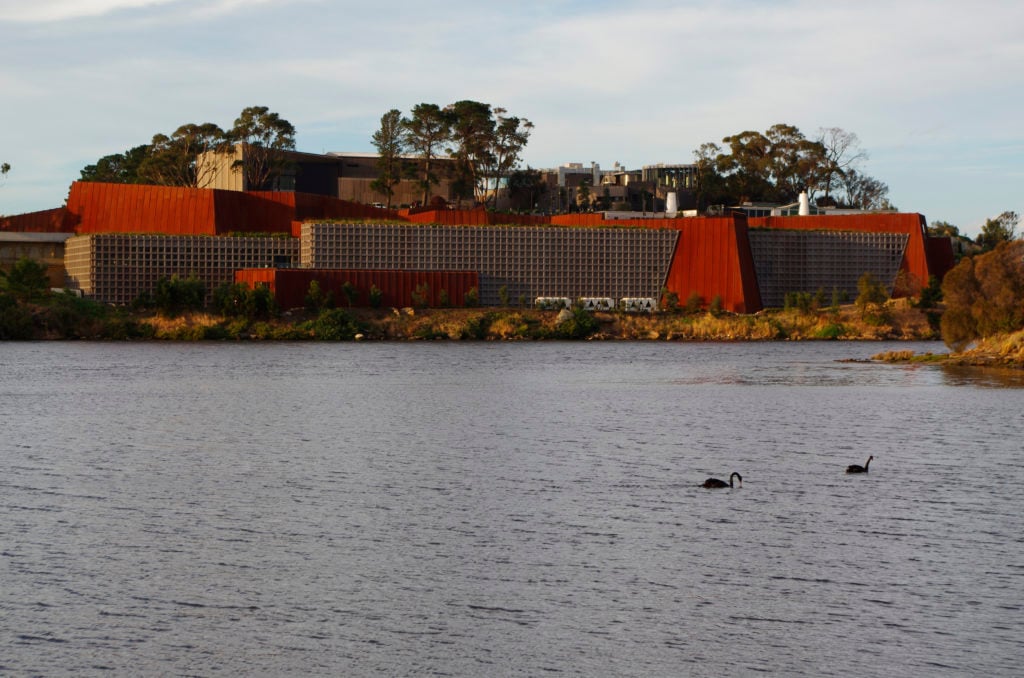
The Museum of Old and New Art in Hobart, Tasmania 

MONA, the Museum of Old and New Art, as idiosyncratic inside as outside, has made Hobart a destination for world travellers, entrance is free for Tasmanians, Berriedale, Hobart, Tasmania, Australia (Photo by: Auscape/Universal Images Group via Getty Images)
MONA, the Museum of Old and New Art, as idiosyncratic inside as outside, has made Hobart a destination for world travelers. Courtesy of  Auscape/Universal Images Group via Getty Images.
If Australia isn’t far enough away for you, head to the island of Tasmania, off the country’s southeastern coast, where you’ll find the Museum of Old and New Art. The oddball institution houses (as its name would suggest) an eclectic mix of ancient, contemporary, and outright bizarre art from the collection of David Dominic Walsh, an eccentric Australian businessman, professional gambler, and art collector. The remote museum is not for the faint of heart (or stomach): one of its most infamous works is Belgian artist Wim Delvoye’s cloaca machine, also known “the shit machine,” which brings food through a series of tubes and chemical processes that mirror the digestive system. Though such outlandishness has fired up Walsh’s critics, the museum has been a much-needed boon for Tasmania’s tourism economy—and offered visitors great cocktail party fodder.

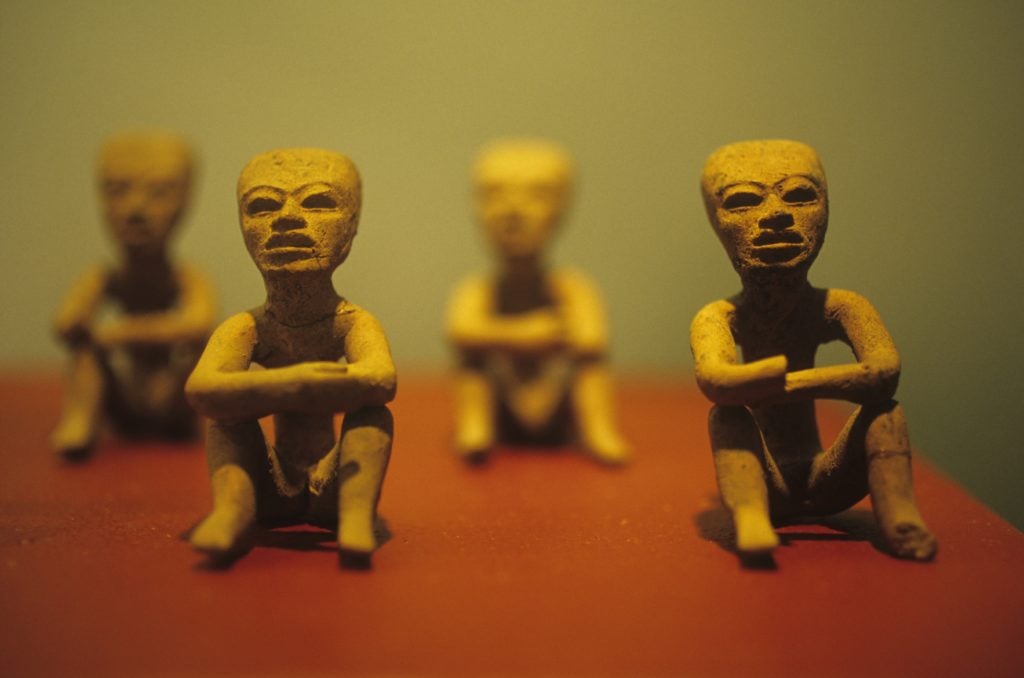
Amparo Museum in Puebla, Mexico

MEXICO - CIRCA 2011: Pre-Columbiansculpture, Museo Amparo in Puebla, Mexico in 2011 - Museo Amparo is a private museum which has fabulous collections of Pre-Columbian objects. (Photo by Veronique DURRUTY/Gamma-Rapho via Getty Images)
Pre-Columbian sculpture, Museo Amparo in Puebla, Mexico. Courtesy of Veronique Durruty/Gamma-Rapho via Getty Images.
Housed in two colonial-era buildings, the Amparo Museum is set in the center of historic Puebla, a city two hours southeast of Mexico City. The sleepy museum remains shockingly under the radar considering it houses arguably the most significant collection of Mexican Pre-Columbian art and artifacts in the world. Here, visitors will find objects and artworks from Mesoamerica’s indigenous civilizations, especially the Maya, Aztecs, and Zapotecs, with highlights including a Huasteca necklace of 17 skulls carved from bone, the “Olmec Thinker” statue, a Mayan altar from Palenque, and a stele depicting the creation of the universe. While you’re in the area, be sure to check out the nearby International Museum of the Baroque, with its surprisingly minimalist building designed by Toyo Ito.   

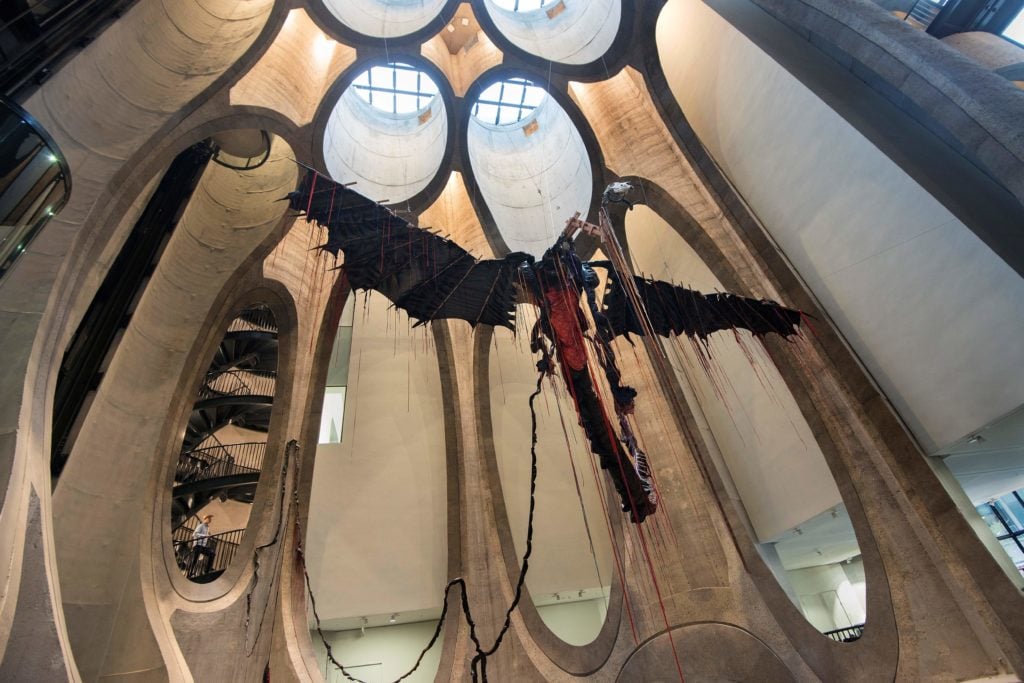
Zeitz Museum of Contemporary Art Africa in Cape Town, South Africa  

A sculpture by South African artist Nicholas Hlobo dominates the main hall in The Zeitz Museum of Contemporary African Art in Cape Town on September 15, 2017.
A sculpture by South African artist Nicholas Hlobo dominates the main hall in The Zeitz Museum of Contemporary African Art in Cape Town on September 15, 2017. Photograph Courtesy of Rodger Bosch/AFP/Getty Images).
Zeitz MOCAA, which opened in 2017, is the largest museum in the world dedicated to contemporary African art. (Although it is located in a big city, we opted to stretch our definition and include it on this list because South Africa is a long flight away for most urban-dwellers.) Housed in former corn silo dating from the 1920s, the space—replete with a captivating honeycomb interior—was redesigned by architect Thomas Heatherwick to such great effect that he might be forgiven for the much-maligned Vessel in New York, completed a couple years later. The museum’s founding collection comes from the German businessman Jochen Zeitz, the former head of Puma, and includes work by Chris Ofili, El Anatsui, Marlene Dumas, William Kentridge, and many others.

Messner Mountain Museum in South Tyrol, Italy

Elevation of picture window and viewing balcony. Messner Mountain Museum Corones, Mount Kronplatz, Italy. Architect: Zaha Hadid Architects, 2015. (Photo by: Hufton+Crow/View Pictures/Universal Images Group via Getty Images)
If you like your culture with a side of hiking, the Messner Mountain Museum in Italy is for you. Developed by the champion mountaineer Reinhold Messner, the first man to climb Mount Everest alone without bottled oxygen, it is a constellation of six institutions devoted to the history and culture of mountain climbing. The newest museum in the bunch, called Corones, is a concrete vessel wedged into the side of a mountaintop by the late architect Zaha Hadid. The collection includes early maps, old hiking boots, and other tools of the trade. But as any climber will tell you, it’s not the destination (i.e., the museum) that will bring you joy as much as the journey to get there.

The Chinati Foundation in Marfa, Texas 

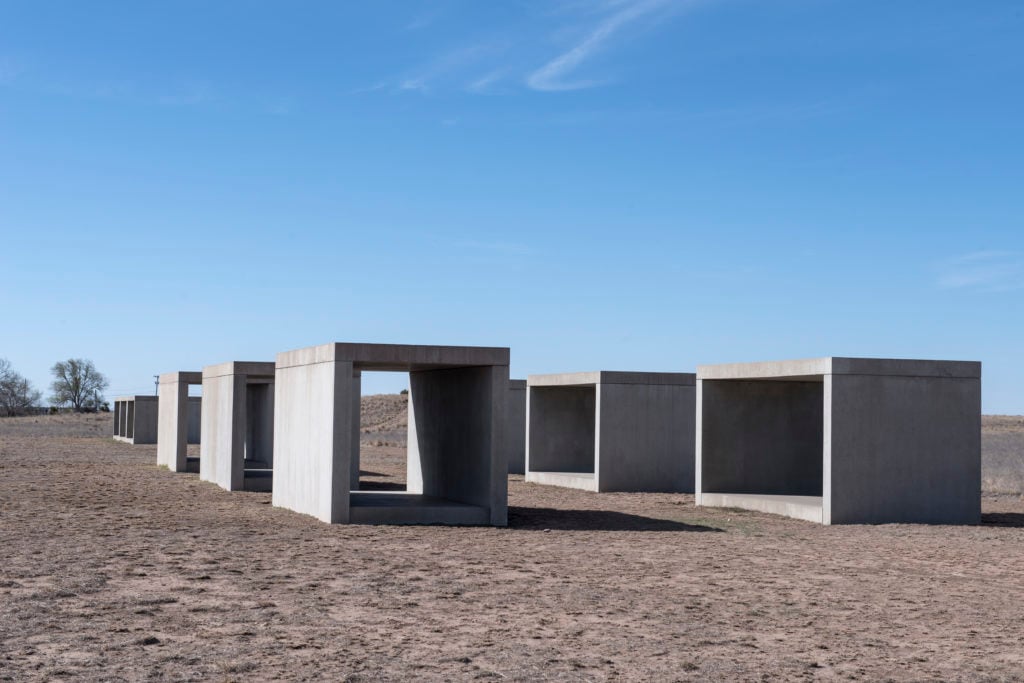
Donald Judd’s Minimalist concrete cubes at the Chinati Foundation, Marfa, Texas. Courtesy of Carol M. Highsmith/Buyenlarge/Getty Images.
No list of remote art destinations would be complete without Chinati. Founded by Donald Judd in 1986, the museum and monument to minimalism is set inside a former military fort in West Texas. Conceived as a place to bring art, architecture, and the environment into coherent balance, the museum originally housed works by Judd, Dan Flavin, and John Chamberlainalone, but has since expanded to include contemporary artists whose work is in keeping with this vision.

Inhotim in Brumadinho, Brazil

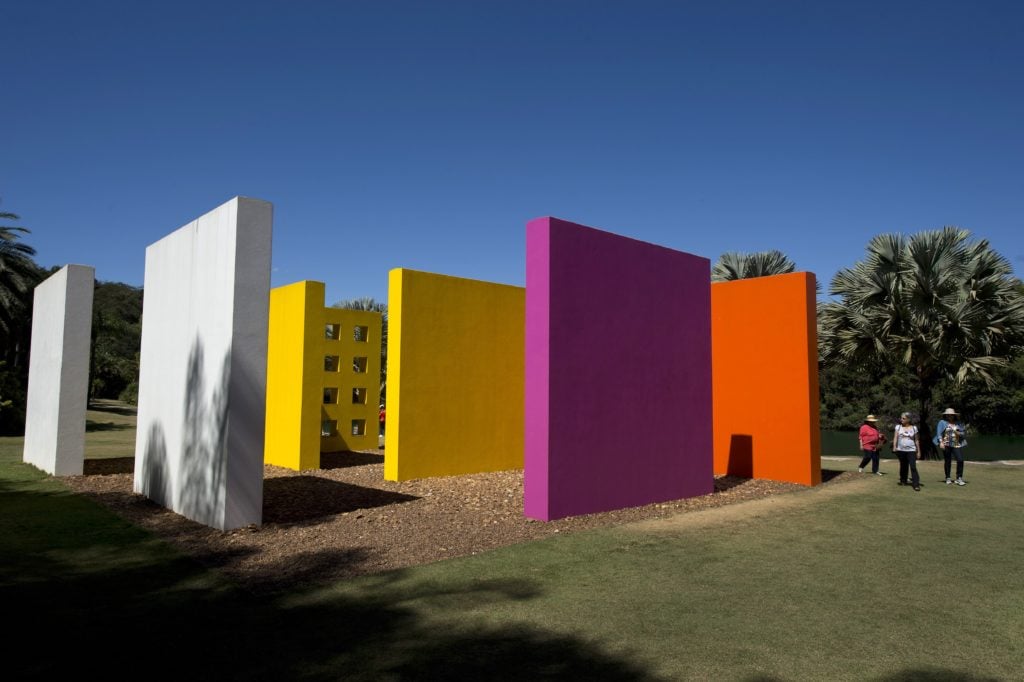
A work by Brazilian artist Helio Oiticica is displayed at the Inhotim Centre for Contemporary Art in Brumadinho, some 60 km from Belo Horizonte, southeastern Brazil, on August 11, 2015. Considered the world largest center for contemporary open air art with over 20 galleries housing the work of 85 artists of 26 different nationalities, the Inhotim Institute also has one of the greatest botanical collections in the country. AFP PHOTO / Nelson ALMEIDA (Photo credit should read NELSON ALMEIDA/AFP/Getty Images)
A work by Brazilian artist Helio Oiticica on view at the Inhotim Centre for Contemporary Art in Brumadinho, some 60 km from Belo Horizonte, southeastern Brazil, on August 11, 2015. Courtesy of Nelson Almeida /AFP/Getty Images.
Inhotim is a sprawling 5,000-acre garden and contemporary art institute that is home to both one of the largest contemporary art collections in Latin America as well as one of the biggest sculpture gardens in the world. Built in 2004 by (now embattled) former mining tycoon Bernardo Paz, Inhotim was—like many of its far-flung peers—developed as a place where the environment, art, and architecture come together. Artists including Hélio Oiticica, Yayoi Kusama, Anish Kapoor, and Vik Muniz were invited to display work in dedicated pavilions, offering them the space and budget to realize their wildest dreams. (Doug Aitken, for example, dropped a microphone into a 200-meter-deep well to allow visitors to hear the inner workings of the earth. You can’t do that at MoMA.) Another highlight: the majestic botanical garden designed by the late landscape artist Roberto Burle Marx.

Jupiter Artland in Wilkieston, Scotland 

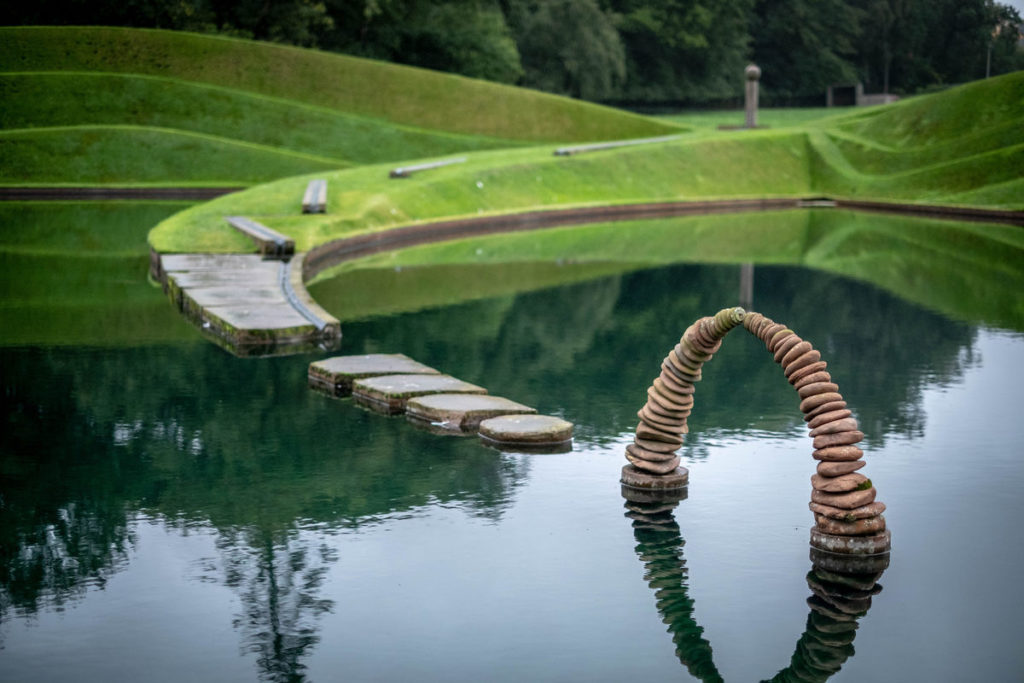
Charles Jencks' Cells of Life at Jupiter Artland. Courtesy of Steve Hodgeson/Flckr Creative Commons.
Charles Jencks’ Cells of Life at Jupiter Artland. Courtesy of Steve Hodgeson/Flckr Creative Commons.
Let your Alice in Wonderland fantasies come to life in this Scottish sculpture garden, where the green rolling hills are shaped into tiered ziggurat-like forms (the handiwork of landscape architect Charles Jencks) and whimsical outdoor sculptures pop up at every turn. The grounds are rumored to be situated on a meeting ground of the Knights Templar, which seems entirely possible: a ritualistic, though decidedly pagan, quality suffuses this arts destination. Wandering the grounds, you’ll discover works by Ian Hamilton Finlay, Cornelia Parker, Anish Kapoor, and many others. In the warmer months, visitors can expect outdoor performances by choreographers and other artists.

Heide Museum of Modern Art in Bulleen, Australia

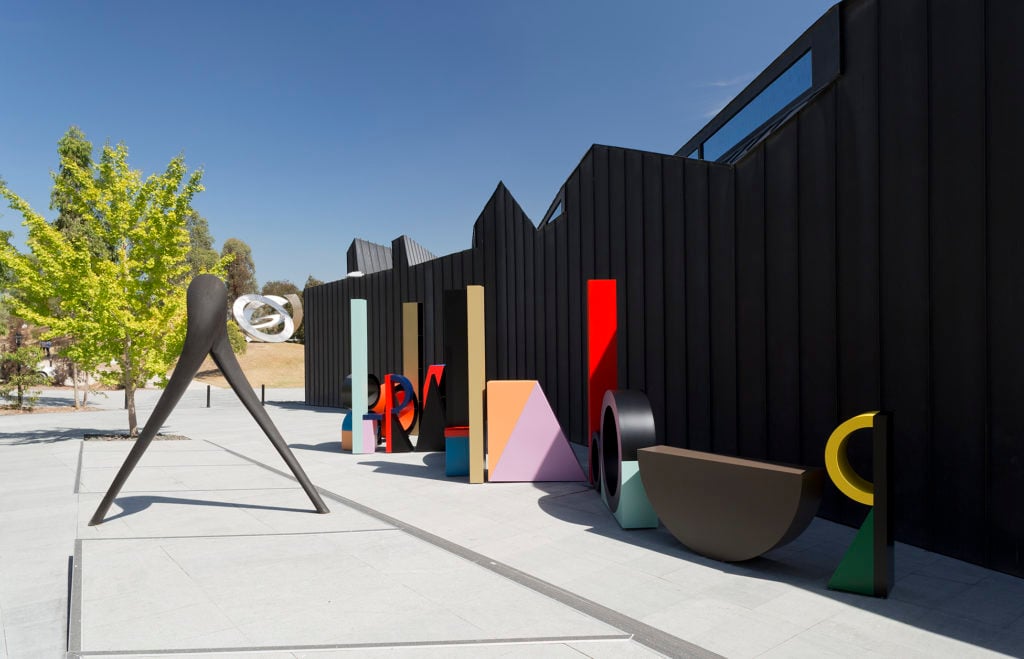
Courtesy of the Heide Museum.
Located about 20 miles north of Melbourne, the Heide Museum is today regarded as one of Australia’s most significant cultural institutions. But the museum started out with more humble ambitions. It began as the home of John and Sunday Reed, a couple who purchased the property in 1934 and decided to open their doors to a circle of artists. Eventually, their growing and dazzling collection of contemporary art outgrew the confines of their home, so they added another building, Heide 2, to the compound in 1964. (A third “Heide” opened in the 2000s.) Now a full-fledged museum (and no longer a private home), Heide boasts a singular collection of Australian modern art including works by Mirka Mora, Charles Blackman, Joy Hester, and Albert Tucker.

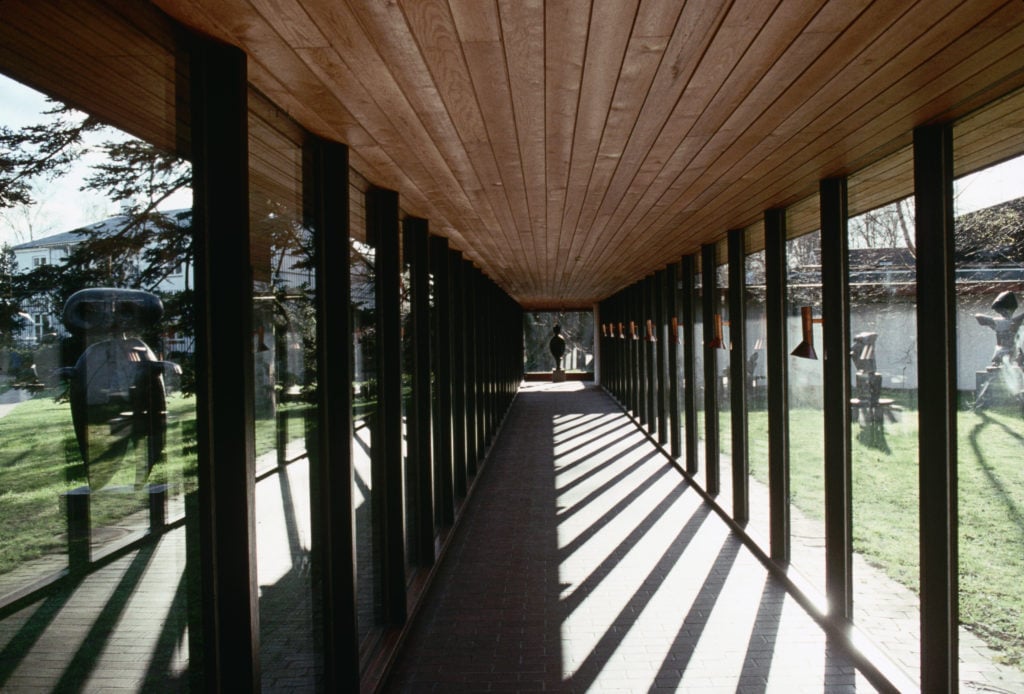
Louisiana Museum of Modern Art in Humlebæk, Denmark 

overed Walkway in Louisiana Museum (Photo by © Robert van der Hilst/CORBIS/Corbis via Getty Images)
Covered Walkway in Louisiana Museum. Courtesy of Robert van der Hilst/CORBIS/Corbis via Getty Images.
The Louisiana Museum is not, as one might expect, found in the Bayou state of the American Southeast. Rather, it is located 25 miles north of Copenhagen. The name was coined by the man who built the structure that eventually became the museum; he had had three wives, each named Louise (yes, really). Here, you’ll find a world-class collection of Modern and contemporary art, with two floors of work by Giacometti and a Yayoi Kusama infinity room to boot. Well-traveled art lovers often cite the Louisiana as their favorite museum in the world—and with the floor-to-ceiling windows overlooking the Øresund Sound and a solid program of contemporary exhibitions, it’s not hard to see why. 

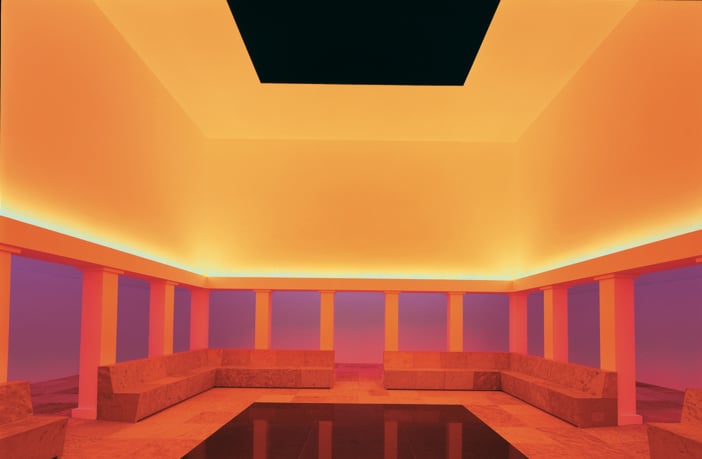
James Turrell Museum in Salta, Argentina

Unseen Blue (2002). Photo: Florian Holzherr / Copyright James Turrell / Courtesy of Grupo Colomé
James Turrell, Unseen Blue (2002). Florian Holzherr / Copyright James Turrell / Courtesy of Grupo Colomé.
If James Turrell’s decades-in-the-works, far-flung Roden Crater tells us one thing, it’s that the Light and Space artist doesn’t particularly care about accessibility—but he is a perfectionist. The only museum devoted solely to Turrell is located deep in the Argentinean interior on the Hess vineyard, owned by Swiss entrepreneur Donald Hess. Designed by the artist himself, the museum features nine of Turrell’s signature immersive light installations and includes the largest of his skyspaces, Unseen Blue (2002), the centerpiece of the collection. Until Roden Crater opens to the public (and who knows when that will happen?), it’s the best way to immerse yourself in the artist’s entrancing work. 

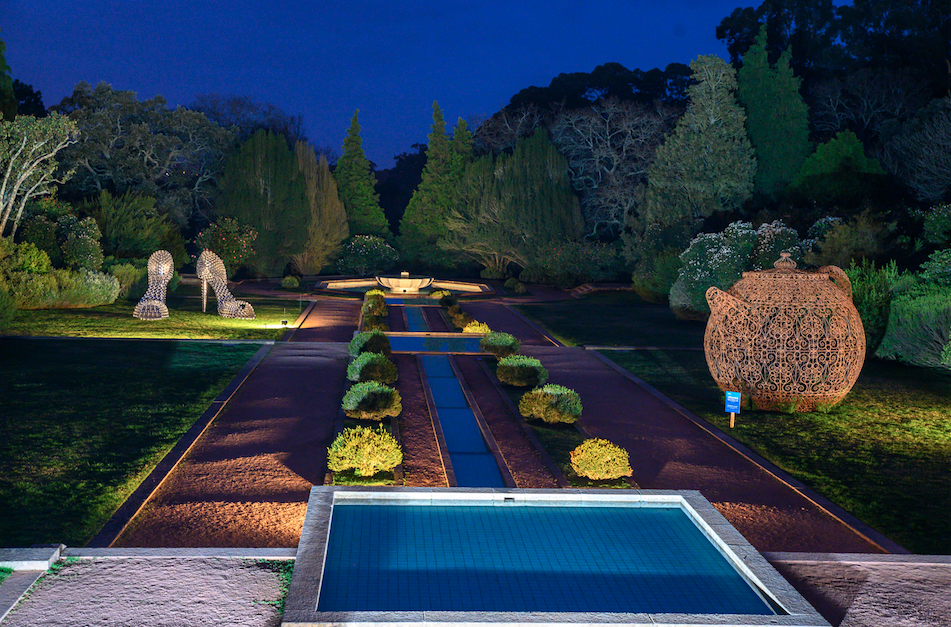
Fundação de Serralves in Porto, Portugal

Fundação de Serralves. Courtesy of Getty Images.
The Fundação de Serralves is well equipped to delight and refresh any weary traveler. Encompassing a contemporary art museum, an Art Deco villa, and an idyllic garden, the institution is home to more than 4,000 works of contemporary art, with a strong representation of Portuguese artists, and is also known for orchestrating many a world-class temporary exhibition (a show by Joan Jonas is on view now). Just remember to wear your walking shoes: the expansive and biodiverse garden is interspersed with sculptures by artists such as Dan Graham, Angelo de Sousa, and Angela Bulloch. You’ll want to see it all.


Follow artnet News on Facebook: 
 
Want to stay ahead of the art world? Subscribe to our newsletter to get the breaking news, eye-opening interviews, and incisive critical takes that drive the conversation forward.
SHARE