https://www.artsy.net/article/artsy-editorial-architects-transforming-way-experience-art
These Architects Are Transforming the Way We Experience Art
Today, as architectural spaces for cultural exchange set the stage for our art-viewing experiences, they can also be seen as expansive and collaborative artworks in their own right, inspiring pilgrimages to far-flung destinations. Take for instance I.M. Pei’s glass pyramid at the Louvre, or Frank Gehry’s design for the Guggenheim Bilbao, which spawned a wave of economic and cultural revitalization across the Basque city—an influential success that critics have since referred to as the “Bilbao effect.”
Increasingly, the designs of cultural institutions have also come to serve as vehicles for branding and identity, as well as valuable assets to a 21st-century museum’s exhibition and programming needs. Take for instance the Met Breuer, named after the brutalist building’s celebrated Bauhausarchitect, Marcel Breuer; or the New Museum, whose logo is a silhouette of its SANAA-designed building on Bowery. And for The Shed currently underway in New York’s developing Hudson Yards district, Diller Scofidio + Renfro and Rockwell Group are answering the needs for a flexible venue by constructing a kinetic building that will stretch and contract for various configurations—an ambitious and grand civic performance in itself.
Below, we take a look at 15 contemporary architecture firms behind some of the most inventive and influential cultural spaces today—spaces that are shaping the way we experience art.
Selldorf Architects
NEW YORK, NY
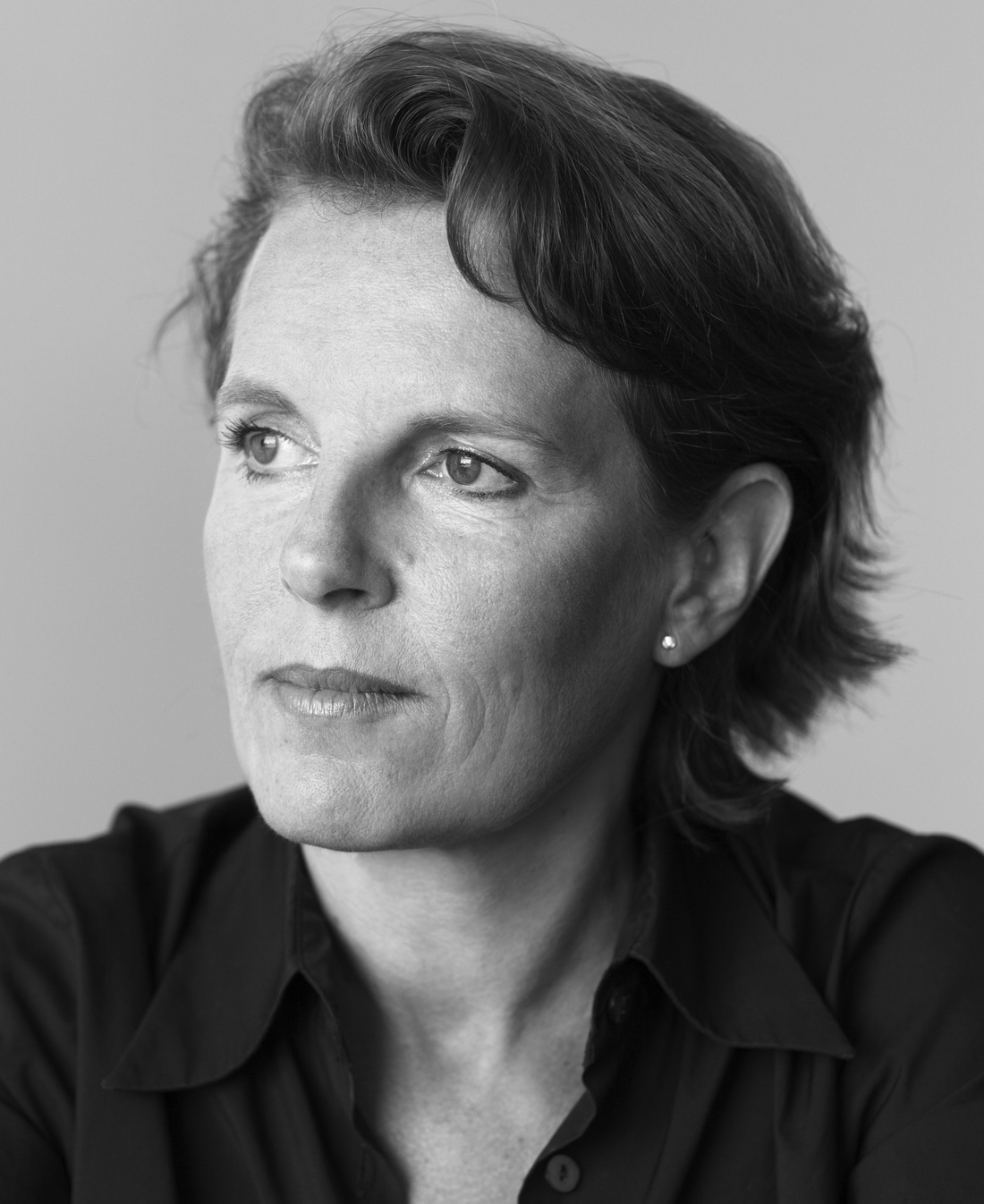 Portrait of Annabelle Selldorf by Brigitte Lacombe. Courtesy of Selldorf Architects.
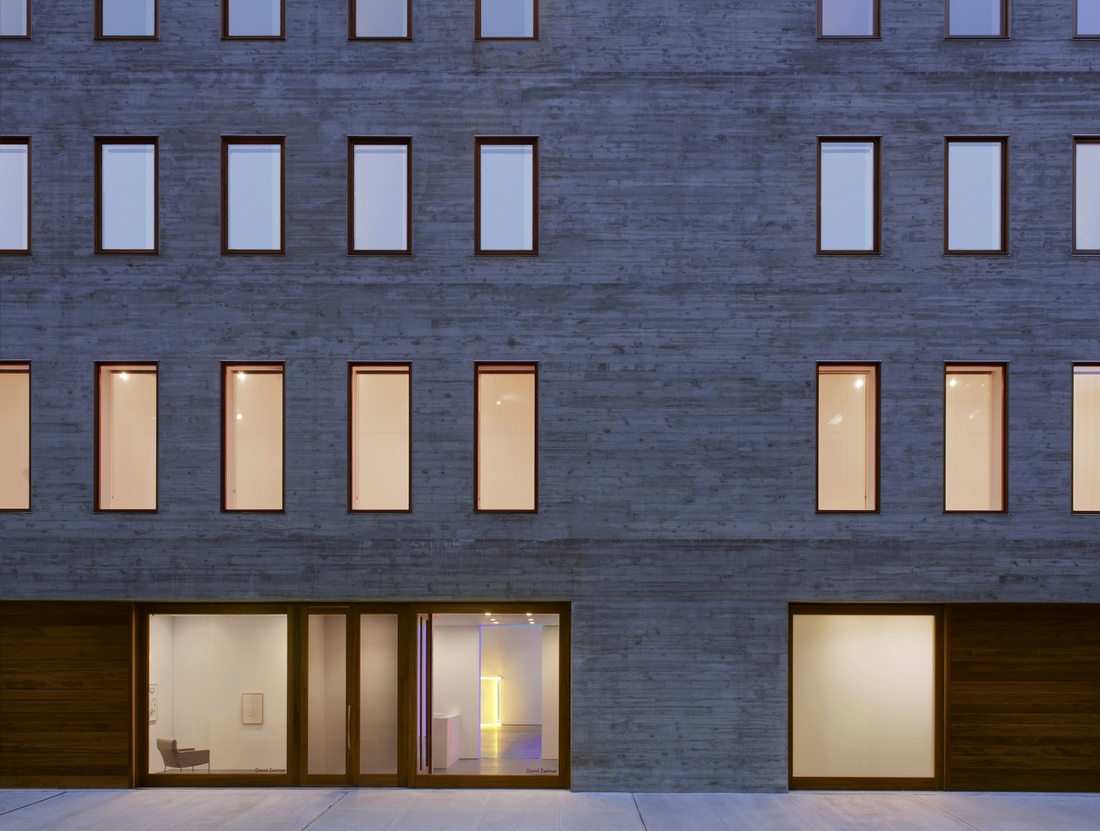 David Zwirner, New York. Photo by Jason Schmidt. Courtesy of Selldorf Architects.
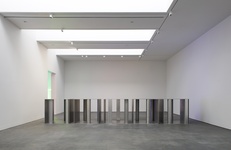
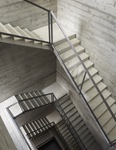
Annabelle Selldorf has designed some of New York’s most esteemed art institutions and galleries, including the Neue Galerie, David Zwirner, Gagosian, and Hauser & Wirth; studios or homes for juggernauts like Jeff Koons and David Salle; and more than a handful of residences for the tony elite. But the designer’s signature elegance, Teutonic efficiency, and eye for detail aren’t limited to the genteel. The Sunset Park Material Recovery Facility—an industrial, 140,000-square-foot recycling center in Brooklyn—is also among the firm’s largest projects to date (and an ironic counterpoint to an art-star-studded portfolio if there was one). In Selldorf’s hands, spaces for art and trash alike are made with a beautiful precision.
Ian Wardropper, director of the Frick Collection, recently tapped Selldorf to renovate the museum, citing her “clear vision of respect for historical buildings” to the New York Times. It’s an apt and strategic appointment: Selldorf was lauded for her extensive interior renovation of the Clark Art Institute in Williamstown, Massachusetts, in 2014, for which she reorganized gallery spaces and improved circulation between two structures on an expanding campus.
Gehry Partners
LOS ANGELES, CALIFORNIA
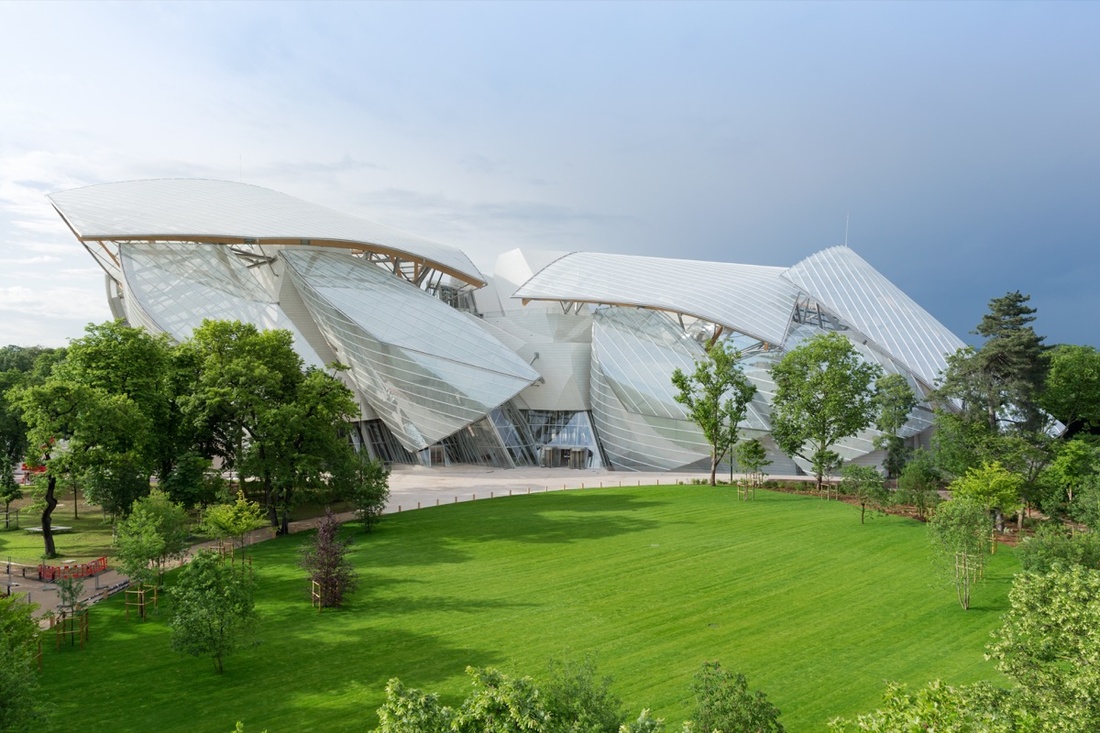 Foundation Louis Vuitton. © Iwan Baan / Fondation Louis Vuitton
Known for provocative, technically challenging structures that defy genre and provoke spirited debate, at age 88, Frank Gehry continues to incite polarizing opinions with this expressive, sculptural designs—including a campus building in Sydney said to be inspired by a crumpled paper bag (not to be confused with his “Easy Edges” furniture collection, made from laminated layers of cardboard). His best-known works include the Walt Disney Concert Hall in Los Angeles; the Art Gallery of Ontario, in his native Toronto; the Vitra Design Museum in Germany; and the recently opened Louis Vuitton Foundation in Paris.
Love or hate his collage, deconstructivist approach, North America’s reigning starchitect has an inimitable style forever canonized as the talent behind the “Bilbao effect”—a term critics coined following the widely popular success of his design for the Guggenheim Bilbao. Since opening in 1997, the destination museum clad in glass, limestone, and titanium is said to have drawn more than an estimated €3.5 billion into the local economy and is credited for revitalizing the Basque town.
Toshiko Mori Architect
NEW YORK, NY
 Portrait of Toshiko Mori by Ralph Gibson. Courtesy of Toshiko Mori Architect.
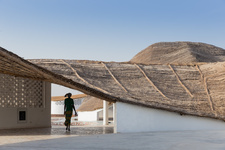
 Thread building by Toshiko Mori Architect, 2015. Photo by Iwan Baan. Courtesy The Josef and Anni Albers Foundation.
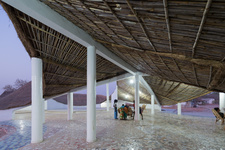
Toshiko Mori immigrated to the United States as a teen in the 1960s, and is highly regarded for infusing American and Japanese modernism in her poetic approach. “Architecture is multidisciplinary and therefore there are many sources of inspiration. I never dream up in a vacuum,” said the Harvard professor, in a recent interview with ArchDaily. “There are so many conditions and constraints. There is a client, site, program, and so on. But aesthetically, my inspiration goes back to Japanese traditional architecture, which has a sense of clarity and tectonics. That’s my DNA.”
Mori has designed residences for many an art fixture—including gallerist Sean Kelly and fashion designer Tomas Maier—as well as numerous academic and cultural institutions, such as New York’s Peter Freeman Gallery, for which she restored and renovated a former label-making factory in Soho’s historic cast-iron district. For her firm’s recent pro bono work on Thread, an artists’ residency and community center in a remote Senegalese village (and a project of the Josef and Anni Albers Foundation), Mori moved beyond the modernist box typology with a swooping, parametric structure made from local bamboo, mud brick, and thatch.
Peter Zumthor
HALDENSTEIN, SWITZERLAND
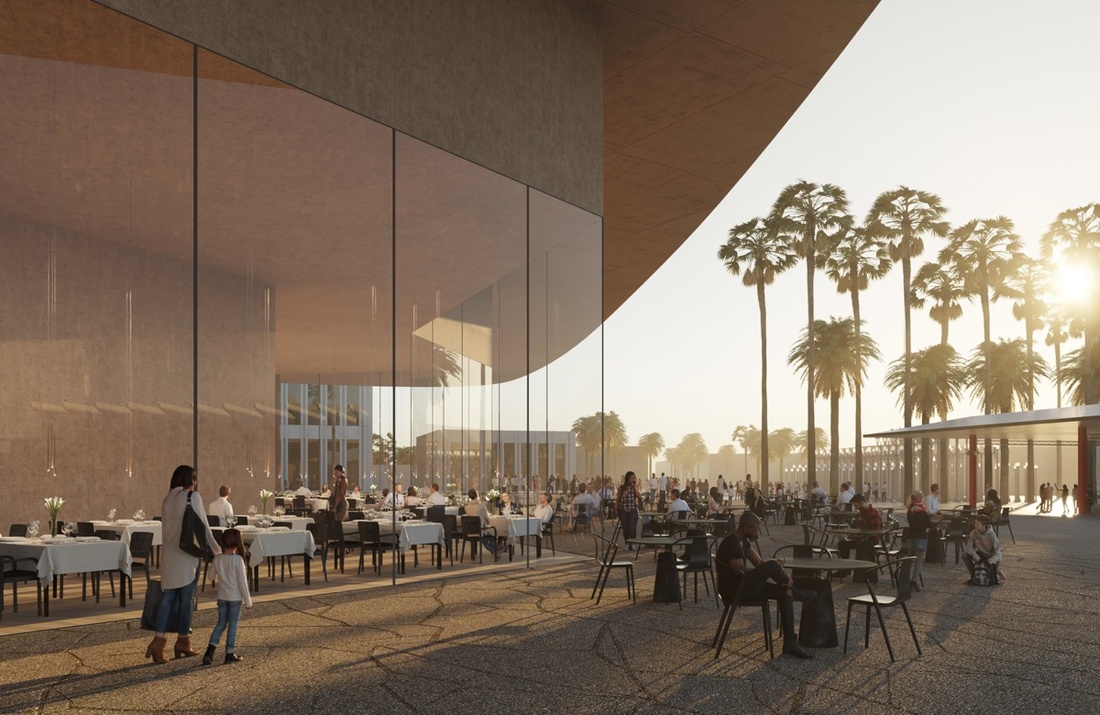 Courtesy of Atelier Peter Zumthor & Partner/The Boundary.
Known for minimalist structures marked by a sensually evocative use of materials—like the glass-and-concrete Kunsthaus Bregenz, and a thermal bath spa in Vals made from over 60,000 slabs of local quartzite—the Pritzker Prize–winning Swiss architect aptly described his phenomenological approach in an acceptance speech for the RIBA Royal Gold Medal in 2013. “Architecture is not about form, it is about many other things,” he said, later adding, “It’s about creating emotional space. If I can do that, if I can create a space which is just right for its purpose and for its place, I think that is the greatest achievement.”
At age 74, the sought-after architect still practices from a remote village in the Swiss Alps, and largely prefers to stay out of the limelight. And yet, he’ll soon begin construction on his first major project in the U.S., and the largest of his career: a reconstruction of LACMA with an estimated $600 million price tag. Revealing his most recent plans for a structure made entirely with sand-concrete walls—including those within gallery spaces—Zumthor told the Los Angeles Times, “If I’m lucky the building will be like some kind of an Inca temple that’s always been in the sand and now they’ve excavated it—a really old piece that’s always been there.”
studioMDA
NEW YORK, NY AND FRANKFURT, GERMANY
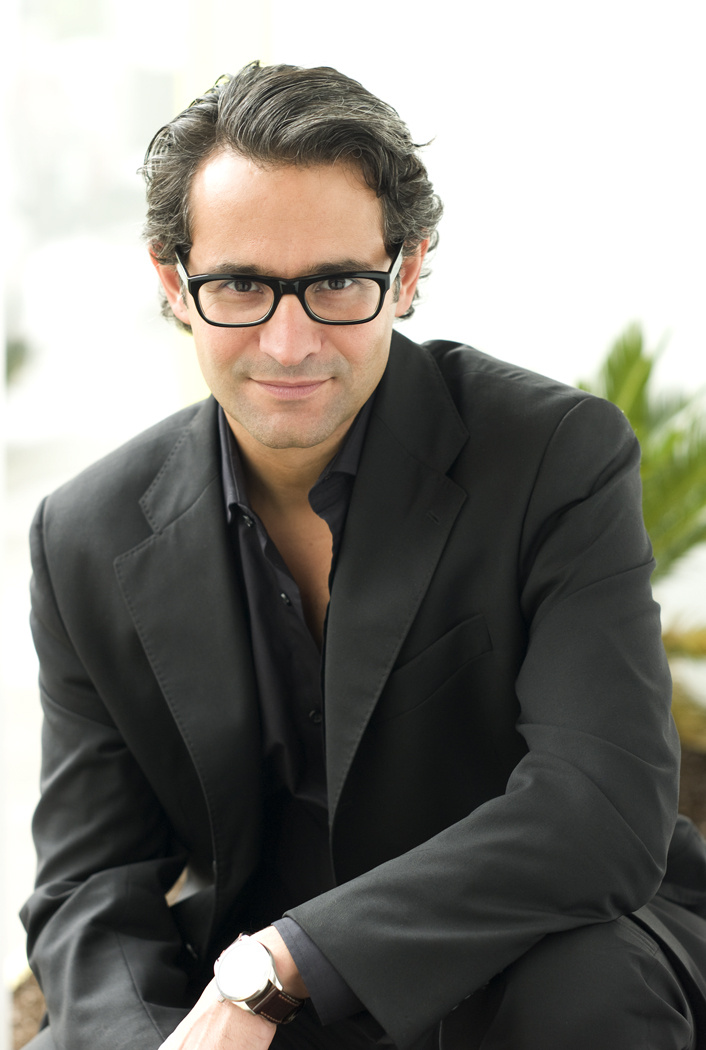 Portrait of Markus Dochantschi. Courtesy of studioMDA.
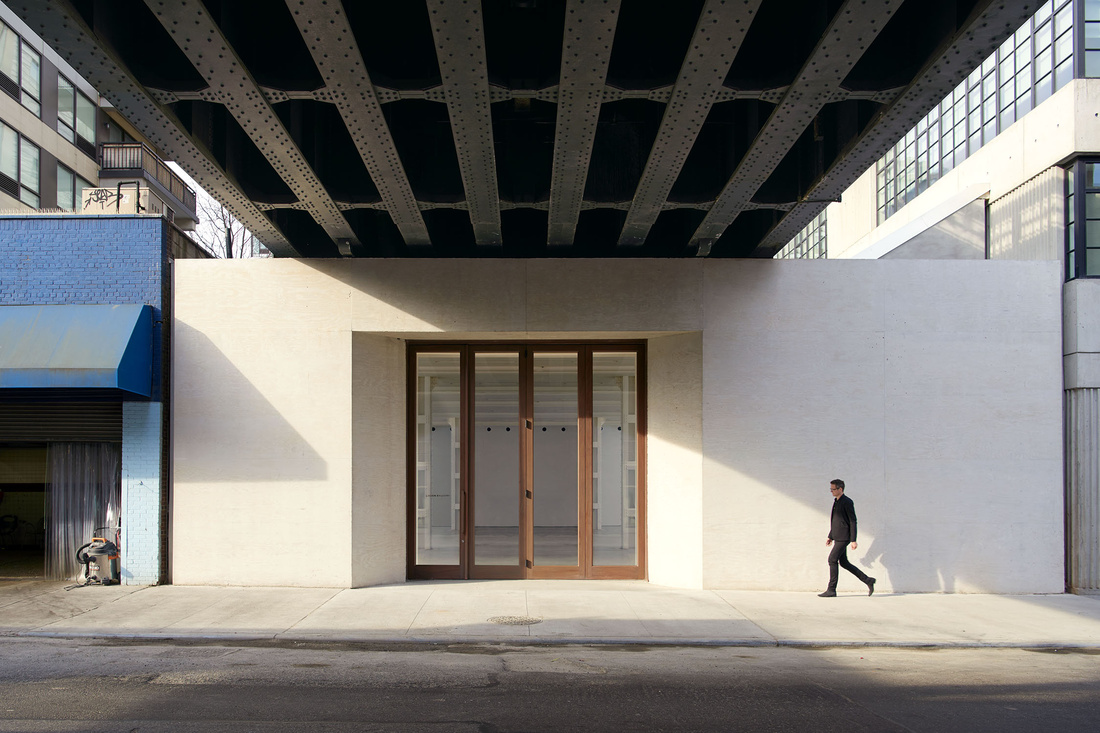 Lisson Gallery, New York. Photo by Jason Schmidt. Courtesy of studioMDA.
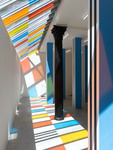
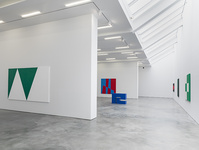
After studying with seminal Metabolism Group figures Arata Isozaki and Fumihiko Maki in Japan, Markus Dochantschi landed a gig with London’s reigning dame, the late Pritzker Prize-winning, typology-bending Zaha Hadid. During his seven-year term as director at Hadid’s firm, Dochantschi embraced his love of art, particularly when he began working on the Cincinnati Contemporary Art Center. “After we won the commission, I went to New York to educate myself about art,” he explains, “and toured a lot of other galleries and museums to try and understand how to best show contemporary art through proportion, light, and a flexible use of space—it is really about the artists having the stage react to them.”
In 2002, that growing passion led him in New York, where he’s since established his own 19-person studioMDA, a go-to firm for high-profile gallerists in the city and beyond. The design eye behind gallery spaces for Anton Kern (newly located in a former townhouse in Midtown), Carpenters Workshop, Paul Kasmin, as well as several residences for art collectors, Dochantschi is also the prolific and well-traveled designer behind what must be a record-breaking number of art fair booths: As of this spring, the count was at a solid 81.
Bruner/Cott & Associates
CAMBRIDGE, MASSACHUSETTS
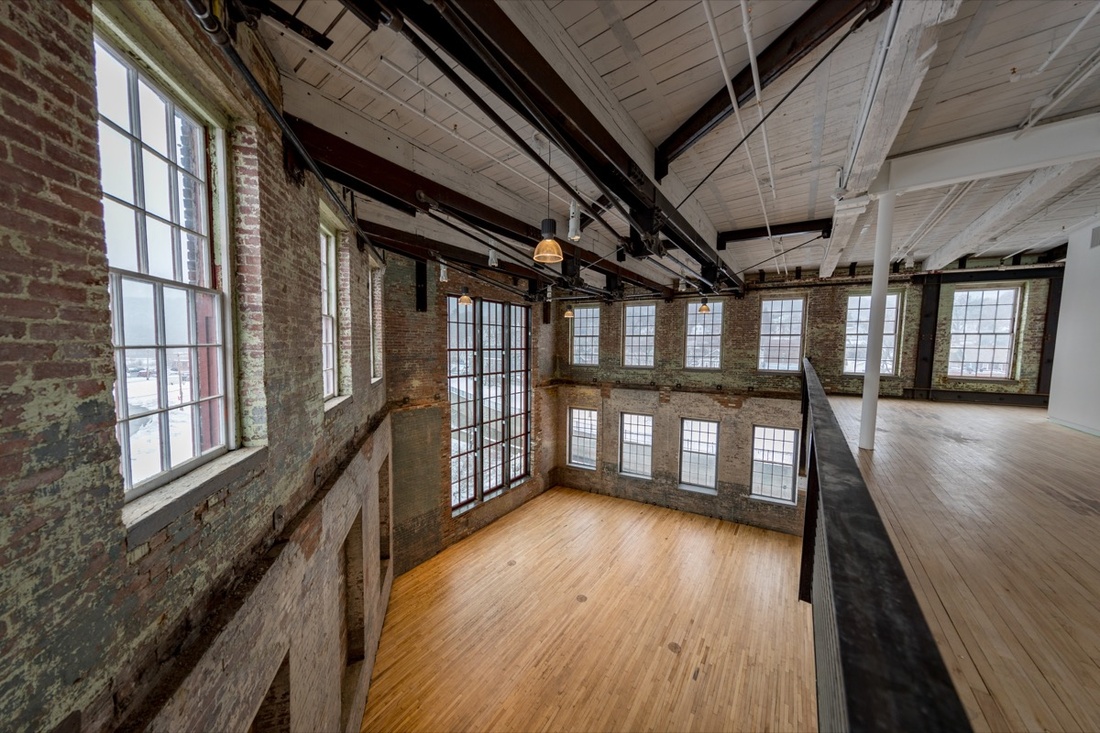 Courtesy of Bruner/Cott Architects.
If architecture is a long game, as it’s often referred to, the Cambridge-based firm Bruner/Cott & Associates—who have worked with MASS MoCA on a multi-stage conversion of a former industrial textile factory since 1996—is doing it right. In May 2017, the firm completed Building 6, the latest complex to be transformed and added to the 16-acre museum campus. “If most museums are boxes for static display,” said its director Joseph Thompson to Dezeen, “MASS MoCA has always aspired to be more like a turntable.” To that point, the firm designed the new structure with an eye to flexibly accommodate works that might be difficult to exhibit elsewhere in the museum, either due to physical or programmatic limitations. Spanning three acre-sized stories, Building 6 effectively doubles MASS MoCA’s exhibition space—and now boasts nine works by Light and Space pioneer James Turrell, as well as an on-site residency with Laurie Anderson.
Adjaye Associates
LONDON, UNITED KINGDOM AND NEW YORK, NY
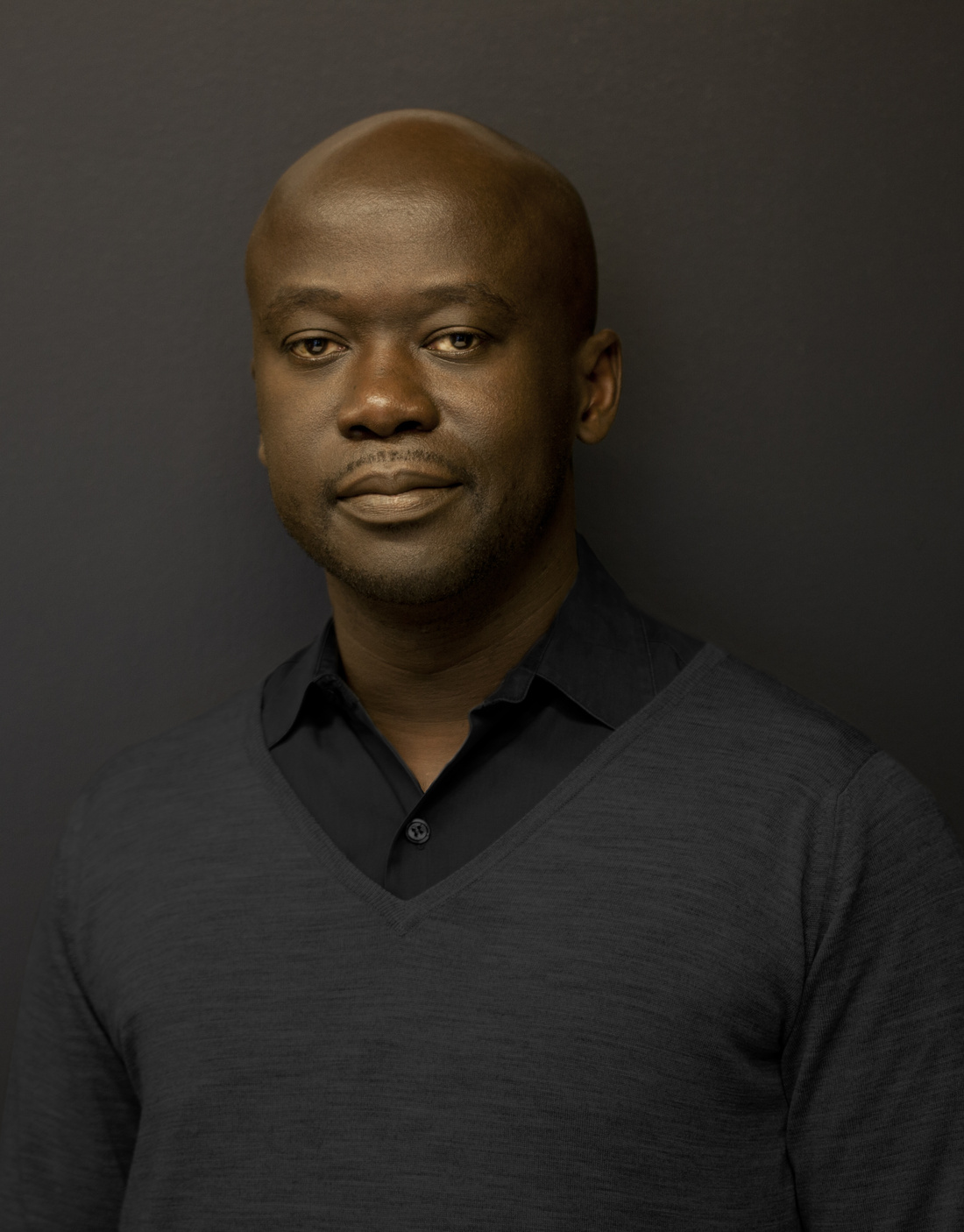 Portrait of David Adjaye by Ed Reeve. Courtesy of Ed Reeve.
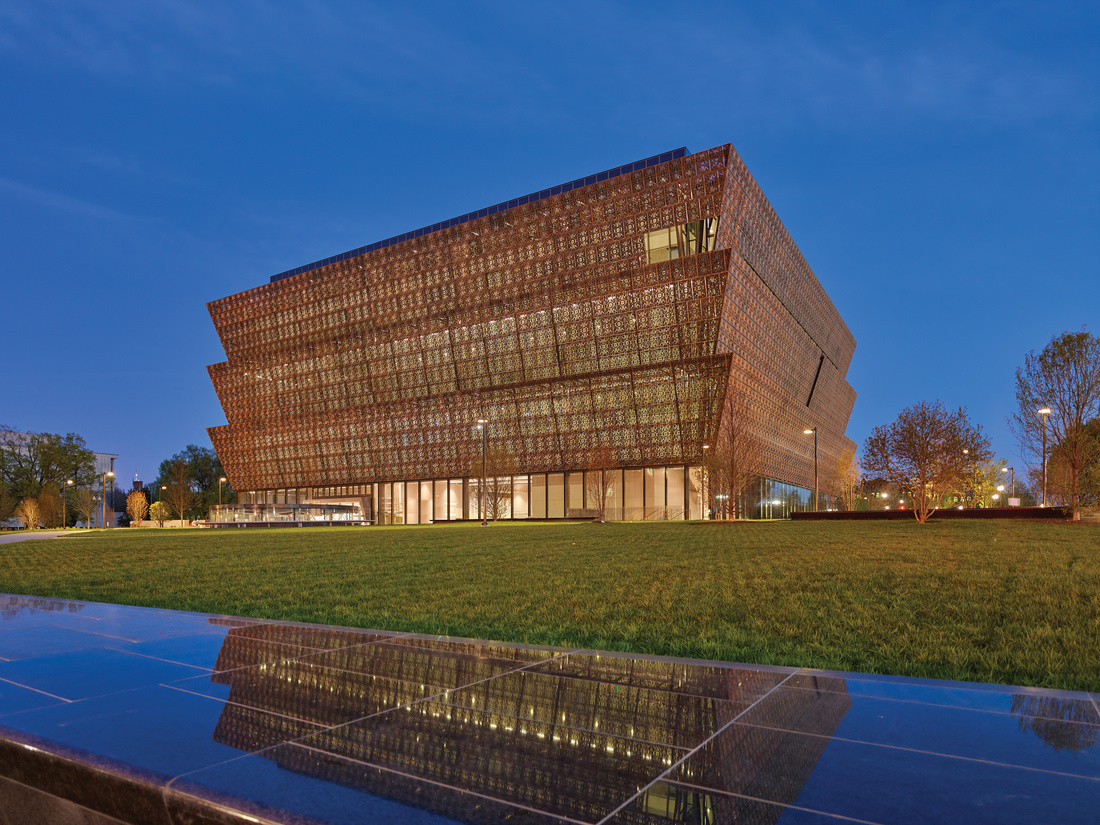 National Museum of African American History and Culture. Photo by Alan Karchmer. Courtesy of Adjaye Associates.
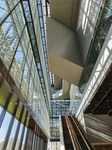
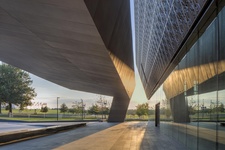
It’s not everyday an architect wins a commission to build a Smithsonianmuseum on the National Mall, let alone the last structure to be added to it, but that’s exactly the project that has since become the career-defining achievement for the Tanzanian-born, Ghanaian British architect David Adjaye. Opened in September opposite the historic Washington Monument, the National Museum of African American History and Culture, designed by Adjaye Associates in collaboration with Freelon Group, SmithGroupJJR, and Davis Brody Bond, is a symbolic tour de force, taking the form of an inverted pyramid with an ornamental bronze scrim that references a crown from Yoruba culture.
The past year has been a big one for Adjaye—the architect turned 50, received a knighthood, and was named the world’s most influential architect by TIME. His firm’s wide-ranging portfolio includes public housing and urban development, art biennales, books, and exhibitions, including his retrospective “Form, Heft, Material,” which has been traveling since 2015 (and is currently on view at Moscow’s Garage Museum). Adjaye has frequently worked for and with artists (Chris Ofiliwas best man at his wedding) and is currently designing a new home for the Studio Museum in Harlem.
Tadao Ando
OSAKA, JAPAN
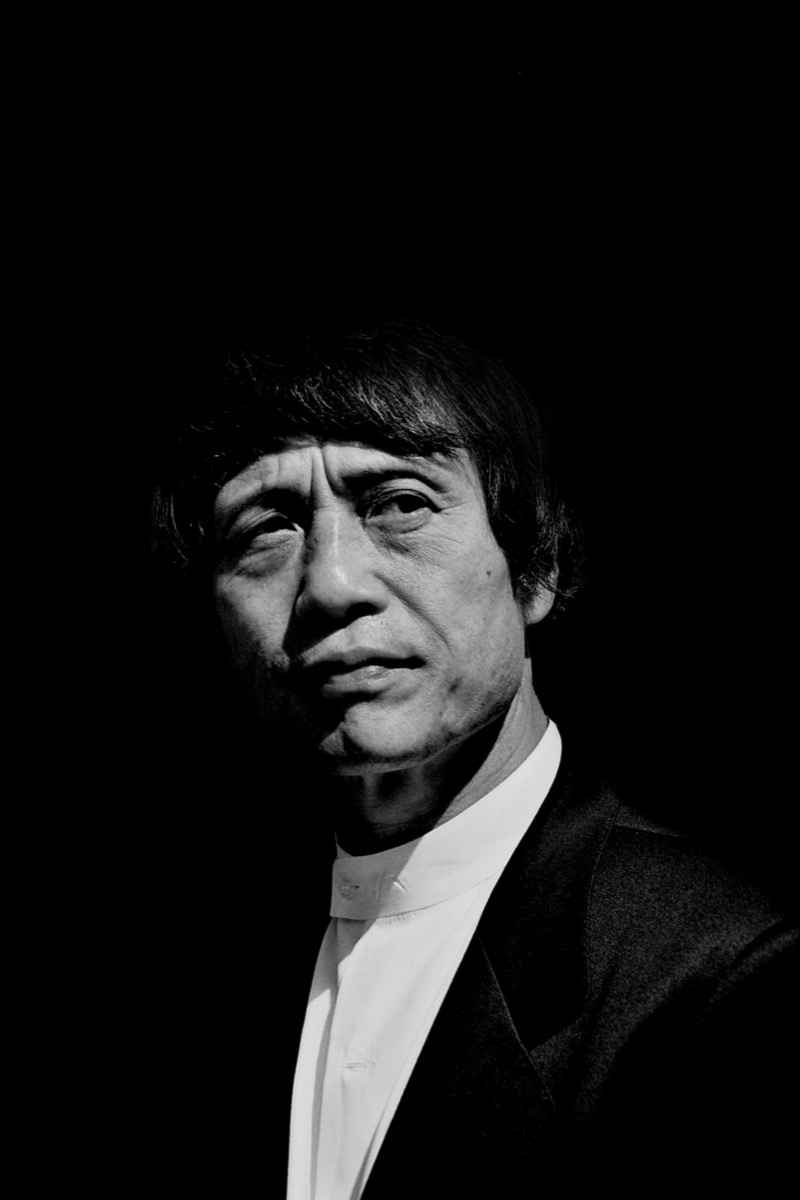 The Japanese architect Tadao Ando at the opening of the Langen Foundation's art exhibition house, Germany, in summer 2004. Photo by Christopher Schriner, via Flickr.
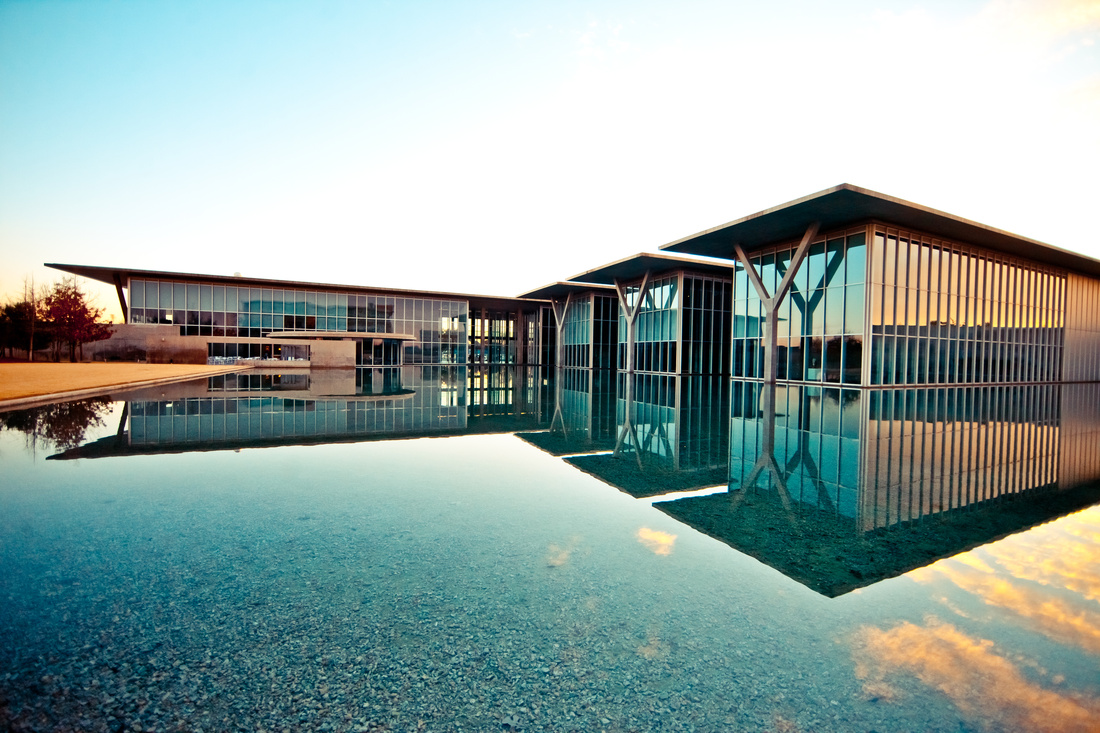 Modern Art Museum of Fort Worth. Photo by Thomas Hawk, via Flickr.
Concrete and natural light are the signature mediums for this minimalistmaster of space. A self-taught, Pritzker Prize-winning architect, Ando left behind a boxing career after a formative visit to Frank Lloyd Wright’s Imperial Hotel in Tokyo inspired him to pursue design. Despite an austere use of color, Ando’s structures are nothing short of poetic and spiritual.
For his 2014 expansion of the Clark Art Institute, Ando, 75, made a rare accommodation to his longstanding material palette with the addition of Minnesota red granite, used to frame wide reflecting pools that mirror the campus’ expansive rolling landscape in the Berkshires. The designer of numerous private residences, Ando has also designed countless arts and cultural institutions, including 21_21 Design Sight, a design museum in Tokyo he cofounded with fashion designer Issey Miyake in 2007.
SANAA (Sejima and Nishizawa and Associates)
TOKYO, JAPAN
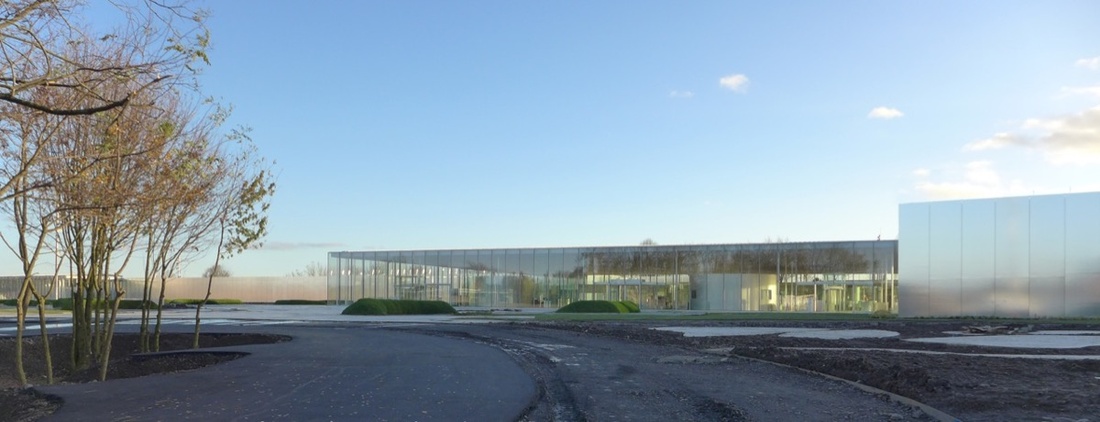 Louvre Lens. Courtesy of SANAA.
Before the Whitney Museum opened up shop in the Meatpacking District, the New Museum led the downtown museum charge in 2007, with the opening of its bold, SANAA-designed home on the Bowery. The steel-mesh veiled structure, whose form is often likened to a decentered stack of sugarcubes, was a stunning and ballsy proposition for an institution that has always sought to be radical and cutting-edge—even if critics including New York Magazine’s Jerry Saltz bemoaned that “the museum, cool-looking as it is, is short on exhibition space.”
Be that as it may, the Pritzker Prize-winning firm of Kazuyo Sejima and Ryue Nishizawais undoubtedly history-making, and not only because Sejima is only the second woman to ever be awarded the top industry honor. SANAA’s world-class designs also include the Glass Pavilion at the Toledo Museum of Art, the Louvre-Lens Museum in France, and the 21st Century Museum of Contemporary Art in Japan.
Office of Metropolitan Architecture (OMA) and AMO
ROTTERDAM, THE NETHERLANDS; NEW YORK, NY; LONDON, UK; BEIJING AND HONG KONG, CHINA; DUBAI, UAE; DOHA, QATAR; BRISBANE, AUSTRALIA
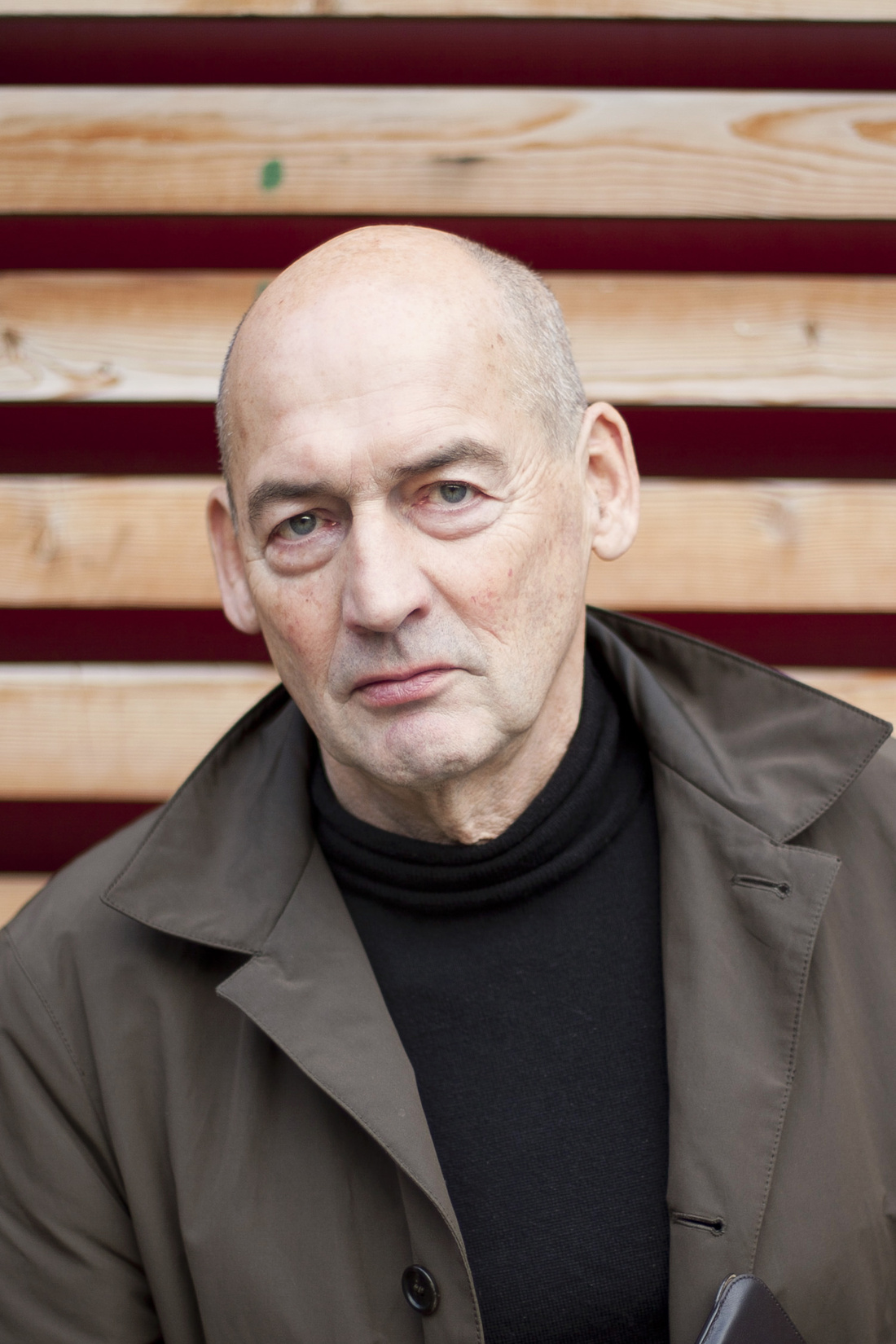 Photo by Strelka Institute for Media, via Flickr.
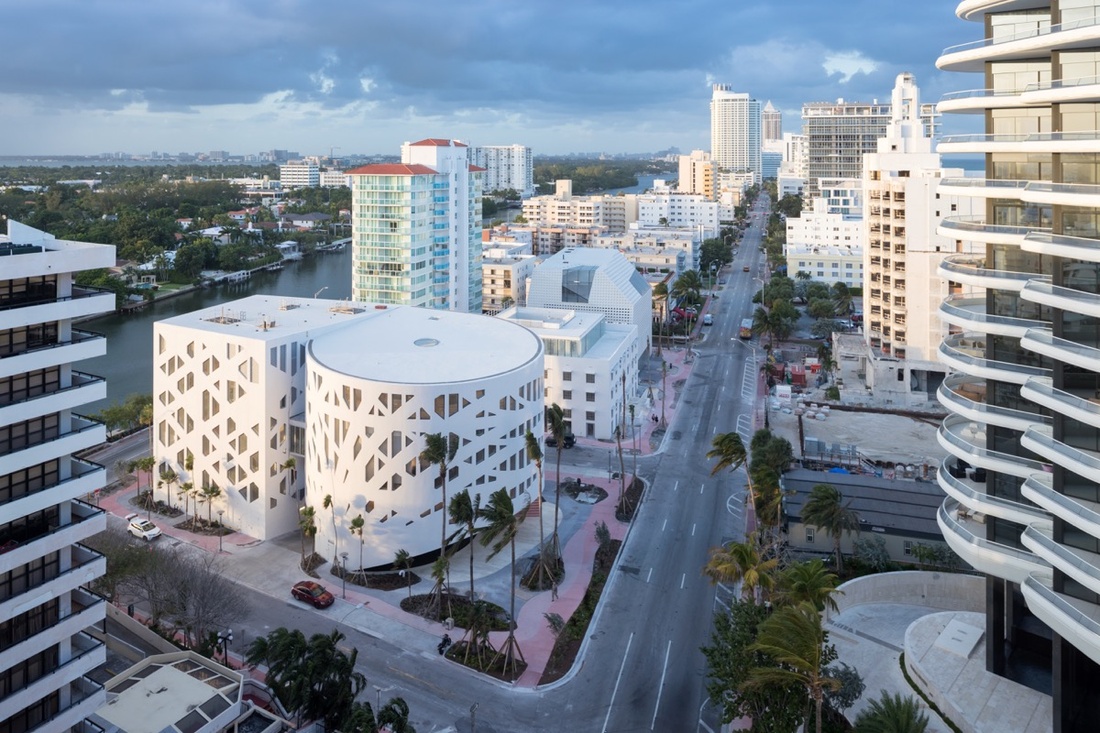 Photo by Iwan Baan. Courtesy of OMA.
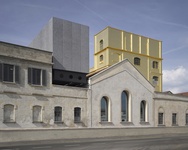
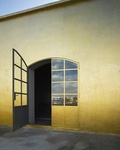
It was a sure sign that Rem Koolhaas had transcended into the wider cultural sphere when the Dutch architect and theorist appeared in a 2012 episode of The Simpsons, comically teaching an architecture course with a Lego rendition of his CCTV building in Beijing.
To be fair, Koolhaas has no shortage of accolades and his influence has extended across decades, not to mention disciplines, since co-founding the Office for Metropolitan Architecture (OMA) with Elia and Zoe Zenghelis and Madelon Vriesendorp in 1975. Later, in 1998, the team started AMO, a research think-tank, strategy, and publications arm, in response to the rapidly changing media landscape. Koolhaas’ writings and monographs are considered landmarks, provocative in both form and content, and the firm’s work has continually upended typologies of retail spaces, offices, urban structures, and cultural institutions, including the Prada Foundationin Milan, the Garage Museum in Moscow, and the Seattle Central Library.
Koolhaas’s rigorous practice has also long served as a breeding ground for future starchitects-in-training. The many “Baby Rems,” as Metropolis once referred to them, include hard-hitters Zaha Hadid, Bjarke Ingels, Jeanne Gang, and Ole Scheeren, to name just a few.
AL_A (Amanda Levete Architects)
LONDON, UNITED KINGDOM
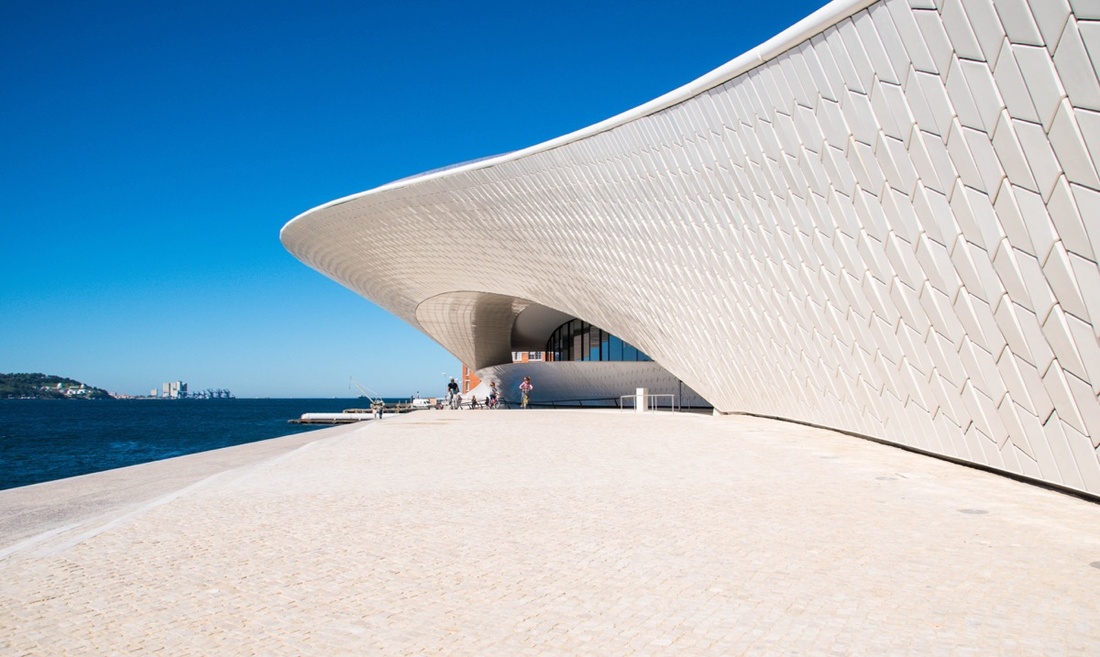 Museum of Art, Architecture and Technology. Photo by Maria Eklind, via Flickr.
Following stints at Richard Rogers Partnership, Powis & Levete (as co-founder), and Future Systems (as a partner), the leading British architect known for curvilinear, organic structures established her own practice in 2009. Recently, she completed a herculean £54.5-million expansion of London’s revered Victoria & Albert Museum. Opened last month, the addition includes a massive new subterranean gallery space—the largest in the museum—housed beneath a new entrance courtyard. “There’s only one thing in life that you can’t design, and that’s heritage,” Levete told the Guardian, of working with the historic structure, “but we have a responsibility to breathe new life into it, to be radical as well as sensitive to the past.”
The Stirling Prize-winning architect also completed the Museum of Art, Architecture and Technology (MAAT), an undulating waterfront structure sited along the River Tagus, in Lisbon, last year. Her firm’s current projects underway include a mosque for Abu Dhabi’s World Trade Center and a revamp of the seminal Parisien department store Galeries Lafayette.
Renzo Piano Building Workshop
GENOA, ITALY; PARIS, FRANCE; AND NEW YORK, NY
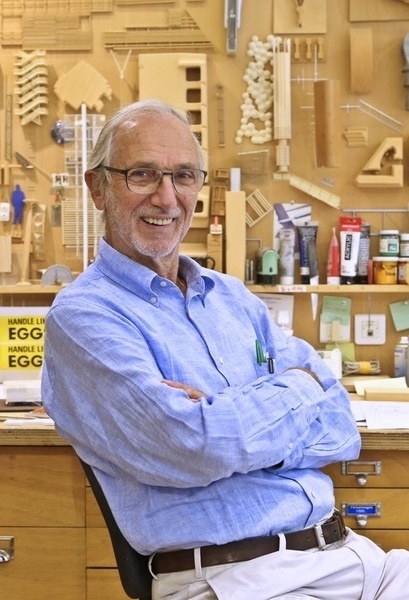 Photo by Stefano
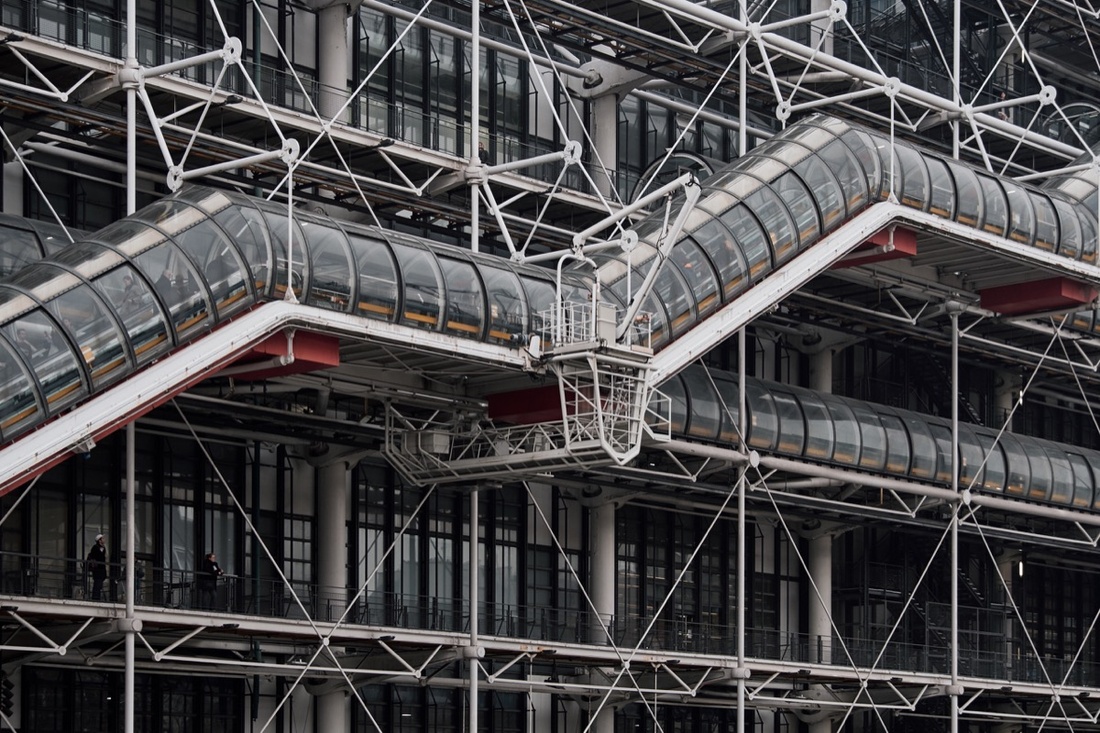 Centre Pompidou. Photo by August Fischer, via Flickr.
As an emerging talent at age 34, a then-unknown Renzo Piano landed a commission to design the new Centre Pompidou in Paris, beating scores of prestigious firms across Europe and the U.S. Designed with Richard Rogers (one half of the now-defunct studio Piano and Rogers) and completed in 1977, the inside-out structure exposes its interior infrastructure, with color-coded vents, pipes, steel girding, and a massive escalator that scales the building facade. That career-defining project has led to many more in the cultural sector: In the four decades since, Piano’s firm has designed the Nasher Sculpture Center in Dallas, the New York Times headquarters, and the pioneering green-roofed California Academy of the Sciences in San Francisco. In 2015, RPBW completed the Whitney Museum, sited at the foot of the High Line Park in New York’s Meatpacking District.
Diller Scofidio + Renfro
NEW YORK, NY
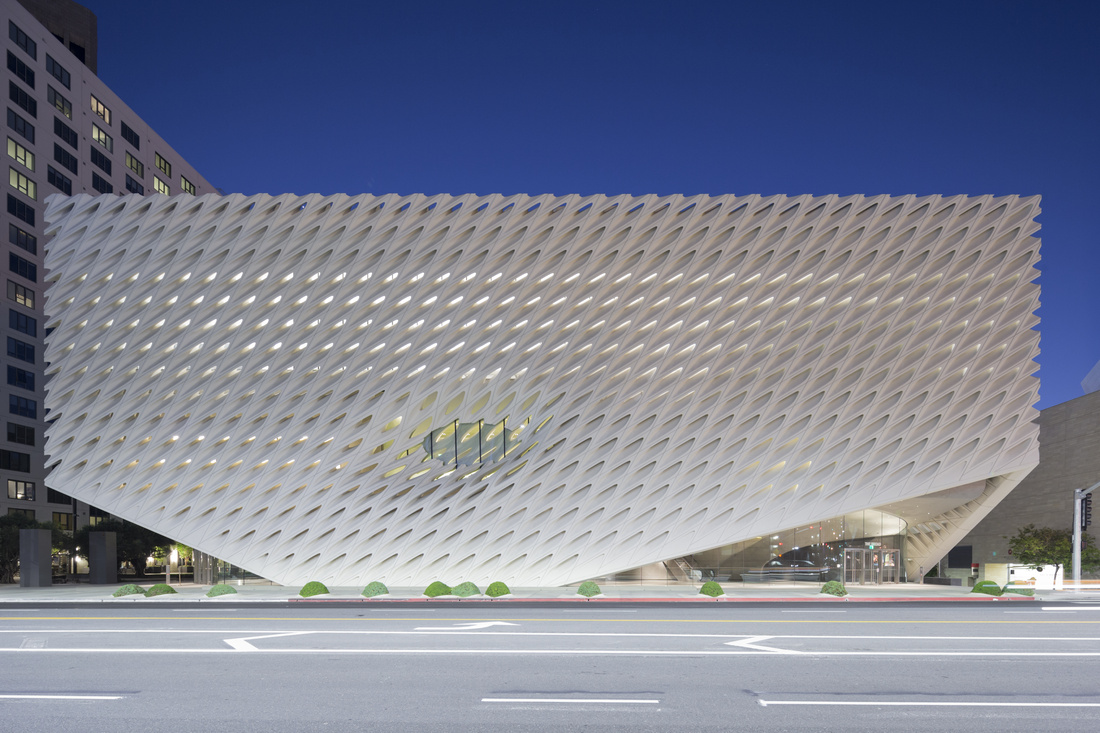 The Broad, Los Angeles. Photo by Iwan Baan. Courtesy of Diller Scofidio + Renfro.
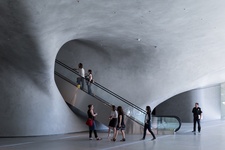
Between designing The Broad, Berkeley Art Museum and Pacific Film Archive, Juilliard, Lincoln Center, and the High Line Park, the New York firm Diller Scofidio + Renfro has all but taken the West Coast and the West Side of Manhattan by storm. Now, it’s moved onto Midtown, where it is currently overseeing the renovation and expansion of MoMA, and into Hudson Yards, the developer neighborhood that doesn’t even fully exist yet, where they’re currently constructing The Shed. Designed in collaboration with Rockwell Group, the new arts and cultural center will boast a kinetic exterior shell that will telescope and contract for varying programmatic uses.
Sitting at the helm for two of the most ambitious museum projects in New York City, firm co-founders Elizabeth Diller and Ricardo Scofidio hold art-world bonafides. (They’re now joined by partners Charles Renfro and Benjamin Gilmartin.) The cerebral husband-and-wife duo began their practice with conceptual installations and exhibitions, preferring not to be bound by any one discipline, and in 1999, became the first architects to receive the MacArthur “Genius” Award. That experimental spirit can be noted in their building projects, like Blur, the pavilion they built on Lake Neuchatel for the 2002 Swiss Expo, which employed a most mysterious element—a cloud of fog—as the main building material.
Herzog & de Meuron
BASEL, SWITZERLAND; HAMBURG, GERMANY; AND NEW YORK, NY
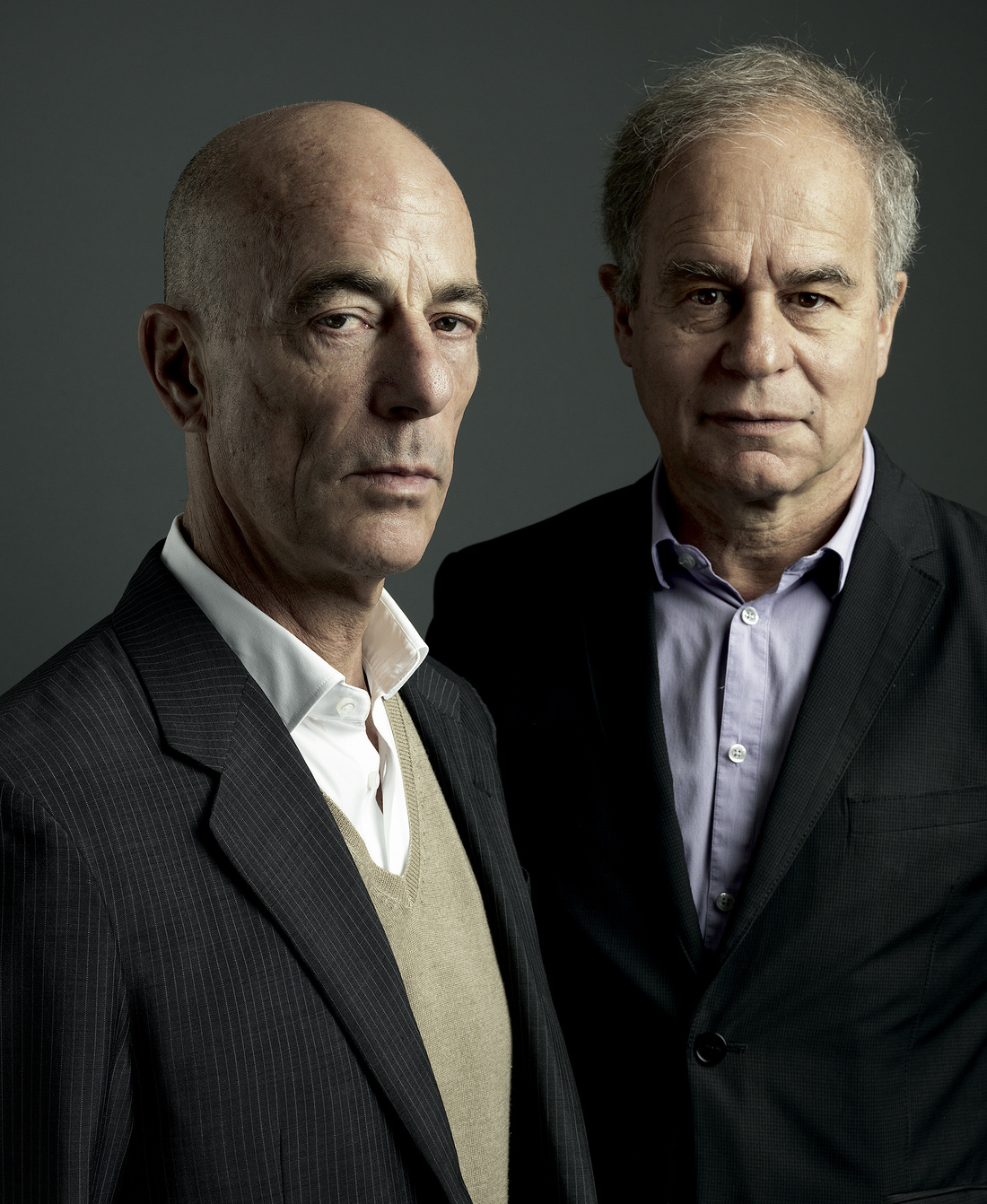 Portrait of Jacques Herzog and Pierre de Meuron. © Marco Grob.
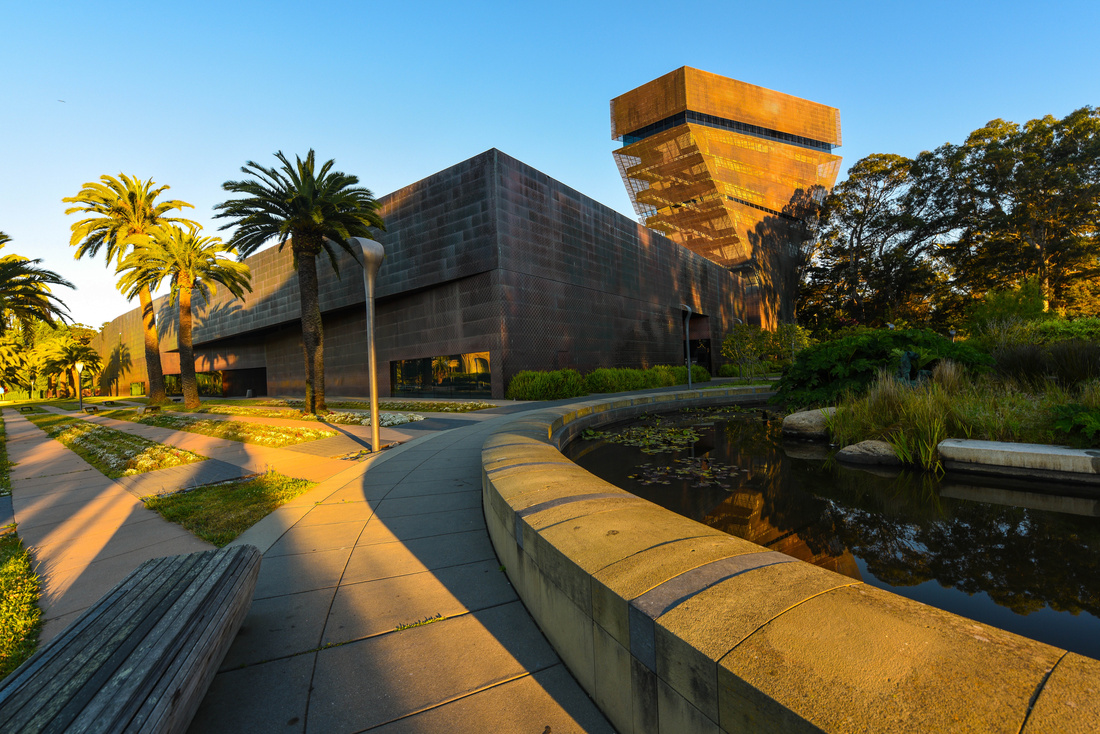 de Young. Photo by Louis Raphael, via Flickr.
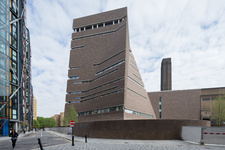
The Swiss firm is behind some of the most high-profile contemporary art museums to open in the last twenty years—including the current home of the de Young Museum in San Francisco, Tate Modern, and Pérez Art Museum Miami—as well as the soon-to-open M+ museum of visual culture in Hong Kong. This summer, firm co-founders Jacques Herzog and Pierre de Meuron display their artistic rigor with Hansel & Gretel, a collaborative installation with perennial provocateur Ai Weiwei at the Park Avenue Armory. The immersive piece places visitors in a heavily surveilled environment, where drones hover overhead and capture images that are ultimately used to populate the screen-laden installation. Said Ai of his close collaboration with the design duo: “It’s like three soldiers in the war—and that’s a good feeling: We have a constant understanding.”
Frida Escobedo
MEXICO CITY, MEXICO
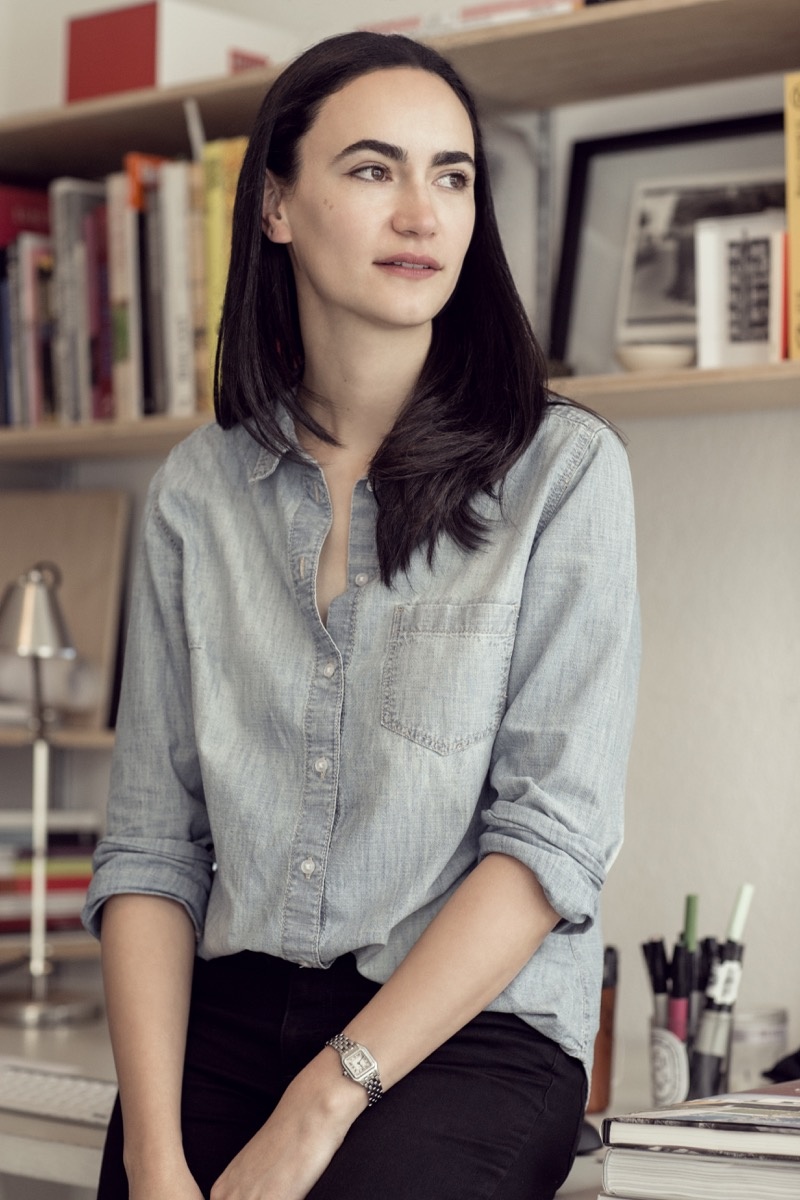 Portrait of Frida Escobedo © Cuauhtemoc Garcia. Courtesy of Frida Escobedo.
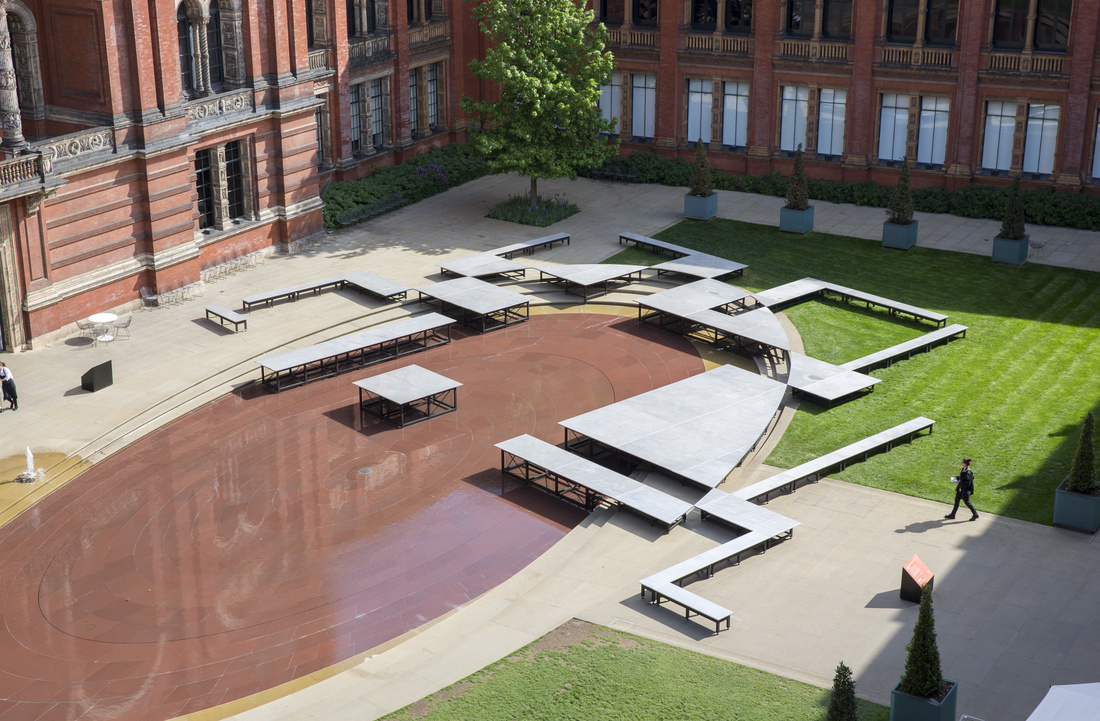 © V&A Museum. Courtesy of Frida Escobedo.
In a matter of years, the architect Frida Escobedo has emerged as one of Mexico City’s rising talents. The Harvard graduate has only ever worked independently, co-founding the studio Perro Rojo in 2003. After Perro Rojo disbanded, in 2006 she went on to open her eponymous firm. Escobedo frequently collaborates with museums on projects ranging from a modular display system for exhibitions at the Museo Jumex; to commissions that include an Aztec-inspired courtyard installation at the Victoria & Albert Museum, and an interactive stage at the Lisbon Triennial.
Referencing traditional Mexican designs with a spare modernity, her work often blurs and embraces the boundary between art and architecture, notably with La Tallera gallery, her most significant project to date. Housed in the former work-live space of painter and political activist David Alfaro Siqueiros in Cuernavaca, Mexico, the gallery repositions the artist’s home as a public venue by placing two of his large murals upon the exterior walls of the entryway, powerfully fusing artwork and built environment in a bold gesture.
—Aileen Kwun