Thursday, September 8, 2016

This Entrepreneur Turned a Tumblr Page Into a Multimillion-Dollar Media Business

How This Entrepreneur Turned a Tumblr Page Into a Multimillion-Dollar Media Business

Elliot Tebele and his team are the brains behind the wildly popular Instagram account, "----Jerry."Meredith Frost/ABC
WATCH This Entrepreneur Turned His Tumblr Into a Social Media Empire
Elliot Tebele makes internet memes for a living.
Just 25 years old, Tebele created the famous Instagram account known as “----Jerry.”
In five years, Tebele’s Instagram account has amassed nearly 10 million followers, which has helped turn his memes into money with corporate-sponsored posts.
“I like to post things that people normally wouldn’t say out loud or really think about,” he said. “And then you read it and it’s super strangely relatable.”
For example, he said, “The post I put up today on ----Jerry, when you flip the pillow over to the colder side and the owl looks like he’s … having an orgasm. That’s not really something you say out loud, but everybody does it and it’s the best feeling. Stuff like that. Playability.”
What’s even better is the account has attracted some super famous followers, from Justin Bieber to Katy Perry to the Kardashians.
The account is now growing social media empire with a New York City office.
Tebele said it all began five years ago when he was bored and started posting pictures to his Tumblr page. A year in, he turned the Tumblr into an Instagram account and now a business with 10 full-time employees, including his childhood friend and partner, Ellie Ballas.
“We kind of all have our role in the company, which I think makes us really efficient,” said Director Ben Kaplan. “So all content decisions Elliot takes care of and anything that involves being really smart Ellie takes care of. He graduated from Stanford with a major in symbolic systems, which is like the hardest major in the world, and then all the easy stuff I do, so together we each have our role.”
Even Tebele’s wife, Jessica, joined in and runs the wildly popular Instagram account, Beige Cardigan, which has a wider female audience than Jerry.
Ninety percent of Jerry’s followers are between the ages of 16 and 35 years old -- a critical group for most advertisers. Tebele and his team declined to disclose numbers but some experts estimate top social media influences like them are making upward of $75,000 per branded post on Instagram.
The group has done posts for Bud Light, Totino's Pizza, FanDuel and more than 50 others, but their first foray into paid content was one they did for Burger King. It was a tense moment for the team because they weren’t sure how the audience would react.
“I was definitely reading every comment, making sure anyone saying, ‘Oh, this is spam,’ ‘Ads,’ ‘Sellout,’ all that good stuff, but it turned out great,” Tebele said. “I think the content’s strong enough. We make sure that it is as funny as anything else you’re going to see in the feed, so there’s no reason to hide anything.”
Tebele and his team are more than meme makers now. He founded Jerry Media, a digital agency that helps brands with social media management and media buying. The team also launched their own online business, Jerry’s World, selling everything from $55 flipflops to a $40,000 dog to a $500,000 indoor swimming pool.
Their latest venture is a card game called “What do You Meme?” -- a sort of Cards Against Humanity style photo game funded by Kickstarter.
“Over six million people see every post,” Tebele said. “Some of our best clients are film and entertainment because with one post in a few hours six million people will see something. And, if there is a show airing or new series, it’s a great way to let people know with a post.”
 
Sponsored Stories


How This Entrepreneur Turned a Tumblr Page Into a Multimillion-Dollar Media Business

Elliot Tebele and his team are the brains behind the wildly popular Instagram account, "----Jerry."Meredith Frost/ABC
WATCH This Entrepreneur Turned His Tumblr Into a Social Media Empire
Elliot Tebele makes internet memes for a living.
Just 25 years old, Tebele created the famous Instagram account known as “----Jerry.”
In five years, Tebele’s Instagram account has amassed nearly 10 million followers, which has helped turn his memes into money with corporate-sponsored posts.
“I like to post things that people normally wouldn’t say out loud or really think about,” he said. “And then you read it and it’s super strangely relatable.”
For example, he said, “The post I put up today on ----Jerry, when you flip the pillow over to the colder side and the owl looks like he’s … having an orgasm. That’s not really something you say out loud, but everybody does it and it’s the best feeling. Stuff like that. Playability.”
What’s even better is the account has attracted some super famous followers, from Justin Bieber to Katy Perry to the Kardashians.
The account is now growing social media empire with a New York City office.
Tebele said it all began five years ago when he was bored and started posting pictures to his Tumblr page. A year in, he turned the Tumblr into an Instagram account and now a business with 10 full-time employees, including his childhood friend and partner, Ellie Ballas.
“We kind of all have our role in the company, which I think makes us really efficient,” said Director Ben Kaplan. “So all content decisions Elliot takes care of and anything that involves being really smart Ellie takes care of. He graduated from Stanford with a major in symbolic systems, which is like the hardest major in the world, and then all the easy stuff I do, so together we each have our role.”
Even Tebele’s wife, Jessica, joined in and runs the wildly popular Instagram account, Beige Cardigan, which has a wider female audience than Jerry.
Ninety percent of Jerry’s followers are between the ages of 16 and 35 years old -- a critical group for most advertisers. Tebele and his team declined to disclose numbers but some experts estimate top social media influences like them are making upward of $75,000 per branded post on Instagram.
The group has done posts for Bud Light, Totino's Pizza, FanDuel and more than 50 others, but their first foray into paid content was one they did for Burger King. It was a tense moment for the team because they weren’t sure how the audience would react.
“I was definitely reading every comment, making sure anyone saying, ‘Oh, this is spam,’ ‘Ads,’ ‘Sellout,’ all that good stuff, but it turned out great,” Tebele said. “I think the content’s strong enough. We make sure that it is as funny as anything else you’re going to see in the feed, so there’s no reason to hide anything.”
Tebele and his team are more than meme makers now. He founded Jerry Media, a digital agency that helps brands with social media management and media buying. The team also launched their own online business, Jerry’s World, selling everything from $55 flipflops to a $40,000 dog to a $500,000 indoor swimming pool.
Their latest venture is a card game called “What do You Meme?” -- a sort of Cards Against Humanity style photo game funded by Kickstarter.
“Over six million people see every post,” Tebele said. “Some of our best clients are film and entertainment because with one post in a few hours six million people will see something. And, if there is a show airing or new series, it’s a great way to let people know with a post.”
 
Sponsored Stories


Wednesday, September 7, 2016

Native English speakers use a particular order with their adjectives. They instinctively describe things in the order of opinion, size, age, shape, color, origin, material, and purpose.

Why the green great dragon can't exist

  • 6 September 2016


Image copyright MattAndersonBBC

The former US Defence Secretary, Donald Rumsfeld, famously warned that in any situation there can be known knowns and unknown unknowns, the latter being the most potentially dangerous as they are "things that we don't know we don't know".
But missing from his list were the unknown knowns, the things we know, but don't realise that we do.
The power of such knowledge - things we perhaps can't recall ever learning, but use all the time without thinking - has been illustrated by, of all things, the popularity of a tweet about the correct order in which to use adjectives.
The tweet by Matthew Anderson, the editor of BBC Culture contained a screengrab from a 2013 book "The Elements of Eloquence: How to Turn the Perfect English Phrase", and has been retweeted many thousands of times.


Image copyright Megha Mohan
The order of adjectives, according to the book's author Mark Forsyth, has to be: opinion-size-age-shape-colour-origin-material-purpose.
"If you mess with that word order in the slightest you'll sound like a maniac, he warns in the extract. "It's an odd thing that every English speaker uses that list, but almost none of us could write it out. And as size comes before colour, green great dragons can't exist."
Along with the screengrab of this advice, Matt posted the comment: "Things native English speakers know, but don't know we know."
Try it for yourself. Here's mine: a lovely thick black coat. It can't be a "black thick lovely coat".
Whoah! (Matt told BBC Trending that is the most popular digital response he's had to the passage).
Explaining why he tweeted the adjective advice, Matt said: "I am a grammar nut - some have even said a grammar Nazi. But that's because I'm interested in languages and how they work - not just in terms of the rules of grammar and syntax, but also style and what makes good writing. So things like this are right up my street, but until now I had thought that most people don't really care. I'm glad to be proven wrong."
They most definitely do care. Some have tweeted Matt with the simple words "Mind Blown".
Matt told BBC Trending: "I think in English there are a lot of rules like this that we don't know. We're lucky that, as native speakers, we can just open our mouths and it comes out. French and German speakers are a lot more interested in the mechanics of their languages - they'll argue about grammar and go and get Le Bon Usage to settle a dispute. Among English speakers, this almost never happens."
Matt says the reaction to the tweet has been largely "amusing" and that not all agree with the rule. He's seen people resort to creative ways to try to disprove it.


Image copyright Twitter/EbenMarks
The author of the above, tweeted: "Start and end the same, but the middle is different and apart from the 'little' I wouldn't say any of it feels definitely wrong."
We'll let you decide if you think "lovely old French green rectangular little silver whittling knife" works or not.
Mark Forsyth, the source of Matt's much-shared adjective advice, is not surprised that people are so interested with the intricacies of how we express ourselves.
"I knew that there were a lot of language fans out there," he told BBC Trending.
"I think what fascinates people about language is that in one sense it's so familiar, we use it every day (unless you're a lighthouse keeper); but we don't know that we know so much about it. Whether it's the odd rules about the order of adjectives or ablaut reduplication, or the bits of etymology that are utterly obvious once you point them out."
"That's essentially what I do in my books - I point out the things that are right in front of you."
Blog by Megha Mohan


http://www.bbc.com/news/blogs-trending-37285796


»»»»»»»»»»»»»»»»»»»»»»»»»»»»» ||| ««««««««««««««««««««««««««««««««««


WRITE AND WRONG

How non-English speakers are taught this crazy English grammar rule you know but have never heard of

Obsession
Language
English grammar, beloved by sticklers, is also feared by non-native speakers. Many of its idiosyncrasies can turn into traps even for the most confident users.
But some of the most binding rules in English are things that native speakers know but don’t know they know, even though they use them every day. When someone points one out, it’s like a magical little shock.
This week, for example, the BBC’s Matthew Anderson pointed out a “rule” about the order in which adjectives have to be put in front of a noun. Judging by the number of retweets—over 47,000 at last count—this came as a complete surprise to many people who thought they knew all about English:
That quote comes from a book called The Elements of Eloquence: How to Turn the Perfect English Phrase. Adjectives, writes the author, professional stickler Mark Forsyth, “absolutely have to be in this order: opinion-size-age-shape-colour-origin-material-purpose Noun. So you can have a lovely little old rectangular green French silver whittling knife. But if you mess with that order in the slightest you’ll sound like a maniac.”
Mixing up the above phrase does, as Forsyth writes, feel inexplicably wrong (a rectangular silver French old little lovely whittling green knife…), though nobody can say why. It’s almost like secret knowledge we all share.
Learn the language in a non-English-speaking country, however, and such “secrets” are taught in meticulous detail. Here’s a page from a book, published by Cambridge University Press, used regularly to teach English to non-native speakers. An English teacher in Hungary sent it to us.
Adjective order
From English Grammar in Use—a self study reference and practise book for intermediate students by Raymond Murphy, published by Cambridge University Press in 1994. (Cambridge University Press)
The book lays out the adjective order in the same way as Forsyth’s surprising illumination. Hungarian students, and no doubt those in many other countries, slave over the rule, committing it to memory and thinking through the order when called upon to describe something using more than one adjective.
The fact is, a lot of English grammar rules only come as a surprise to those who know them most intimately.
Learning rules doesn’t always work, however. Forsyth also takes issue with the rules we think we know, but which don’t actually hold true. In a lecture about grammar, he dismantles the commonly held English spelling mantra “I before E except after C.” It’s used to help people remember how to spell words like “piece,” but, Forsyth says, there are only 44 words that follow the rule, and 923 that don’t. His prime examples? “Their,” “being,” and “eight.”


Monty Python Goes to the Art Museum

John Cleese and Graham Chapman dig into some art (GIF by the author via YouTube)
Given that so much of Monty Python’s humor was predicated on testing and twisting codes of civility and decorum, it’s surprising their Flying Circus didn’t alight more frequently in that most stuffily decorous setting, the art museum. That said, in a memorable visit from the first season, John Cleese and Graham Chapman (in drag as mothers with a taste for corporeal punishment, naturally) take bites out of a Turner seascape.

In a skit from the second season, the subjects of the most famous paintings at London’s National Gallery go on strike. Mad about the way the galleries have been rehung, figures from John Constable’s “The Hay Wain” (1821), Jan van Eyck’s “The Arnolfini Portrait” (1434), and a host of paintings that aren’t actually in the National Gallery’s collection (including the Mona Lisa, Sandro Botticelli’s “The Birth of Venus,” and Jacques-Louis David’s “The Death of Marat”) join the picket line. In an ensuing faux-news report, a Sotheby’s Old Masters sale bombs because the human figures in the works up for sale literally exit their painted environments to strike in solidarity.

In typically whimsical fashion, the very first episode of Monty Python’s Flying Circus features a long gag about Pablo Picasso attempting to create a painting while cycling through the English countryside. Needless to say, the stunt does not go as planned.

  • Get Hyperallergic in your Inbox!

    Subscribe to our email newsletter. (Daily or Weekly)
Hyperallergic welcomes comments and a lively discussion, but comments are moderated after being posted. For more details please read our comment policy.


Slovenia toasts 'Europe's first beer fountain'


11:37 am /
The First Art Newspaper on the Net   Established in 1996 Portugal Wednesday, September 7, 2016


Slovenia toasts 'Europe's first beer fountain'


Zalec's mayor Janko Kos waits for the first beer to be served during the inauguration of the "Beer Fountain" in Zalec, on September 6, 2016. Several hundred beer-lovers and curious spectators gathered in a small town in Slovenia on September 6, 2016 for the inauguration of what is billed as Europe's first "beer fountain". Zalec's new attraction, dreamed up by local entrepreneurs a few years ago, will not be gushing out gallons of amber nectar for thirsty visitors to scoop up and guzzle as they please, however. Jure MAKOVEC / AFP.
2
ZALEC (AFP).- Several hundred beer-lovers and curious spectators gathered in a small town in Slovenia on Tuesday for the inauguration of what is billed as Europe's first "beer fountain".

Zalec's new attraction, dreamed up by local entrepreneurs a few years ago, will not be gushing out gallons of amber nectar for thirsty visitors to scoop up and guzzle as they please, however.

Six euros ($6.75) gets you a special glass with a microchip that allows customers to pour a very modest decilitre of beer five times from any of the five different taps.

"The point is not letting people get drunk here, we want to promote the culture of drinking beer," said mayor Janko Kos, insisting the beer was still competitively priced compared to other countries.

Outside interest is "astonishing", he added. The town was getting calls "from everywhere and asking what is it that we have here. That can't be bad."

He hopes that the installation, set in the town's park, will put Zalec on the tourist map and bring publicity to the picturesque hop-growing region's many brews.


© 1994-2016 Agence France-

Tuesday, September 6, 2016

bizou


The Best Photos of the Day

Best Photos of the Day
An Indian Hindu devotee carries his son in front of a statue of the Hindu god Ganesh during the Ganesh Chaturthi festival in Amritsar on September 5, 2016. The Ganesh Chaturthi festival, a popular 11-day religious festival which is annually celebrated across India, runs this year from September 5-15, and culminates with the immersion of idols of Ganesh in the Arabian Sea and local water bodies. NARINDER NANU / AFP

The Best Photos of the Day

Best Photos of the Day
A woman visits a video installation on Dutch painter Hieronymus Bosch's masterpiece "The Garden of Earthly Delights" at El Prado museum in Madrid on July 5, 2016. PIERRE-PHILIPPE MARCOU / AFP


The Best Photos of the Day

Best Photos of the Day
A visitor looks at a fashion drawing by French architect Claude Parent, exhibited at the Galerie Azzedine Alaia, in Paris, on September 1, 2016. BERTRAND GUAY / AFP.

The Best Photos of the Day

Best Photos of the Day
Performers rest after their rehearsal using the Khean instrument during the 28th Association of Southeast Asian Nations (ASEAN) Summit at the National Convention Centre (NCC) in Vientiane on September 5, 2016. NOEL CELIS / AFP

The Best Photos of the Day

Best Photos of the Day
Members of the United Nations Development Programme (UNDP) work in a damaged alley of the ancient market in the heart of the mostly government-controlled Syrian city of Homs, on August 14, 2016 as part of the UNDP's renovation project. Much of Homs lay in ruins when its Old City was recaptured from rebels by government troops in 2014 after a two-year siege and near-daily bombardment. Now a UN-backed project is trying to restore the 13th century ancient souk, or market, in the central city, dubbed the "capital of the revolution" because of the enormous anti-regime protests that erupted there five years ago. LOUAI BESHARA / AFP

The Best Photos of the Day

Best Photos of the Day
Indian Bollywood actress Sambhavana Seth (R) pose with her Hasband Avinash next to a statue of elephant-headed Hindu god Ganesh to mark the Hindu festival of Ganesh Chaturthi in Mumbai on September 5, 2016. 

The Best Photos of the Day

Best Photos of the Day
An Indian Nihang, a religious Sikh warrior, shows his skill in the Sikh martial art known as 'Gatka' during a march to mark the 355th birth anniversary of the Sikh warrior Shaheed Baba Jiwan Singh, at The Golden Temple in Amritsar on September 3, 2016. NARINDER NANU / AFP

Monday, September 5, 2016

Classic Album Covers by Artists

See Classic Album Covers by Artists from Nobuyoshi Araki to Andy Warhol

Vinyl lovers, rejoice.
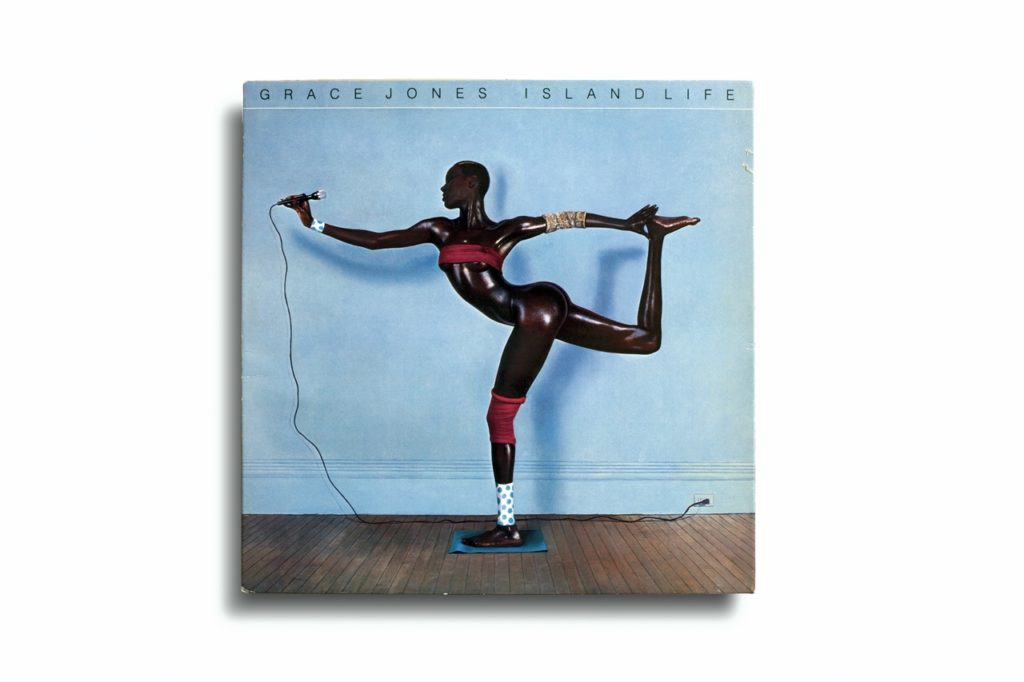
Grace Jones, Island Life (Island Records, 1985), photograph by Jean-Paul Goude. Courtesy Aperture.
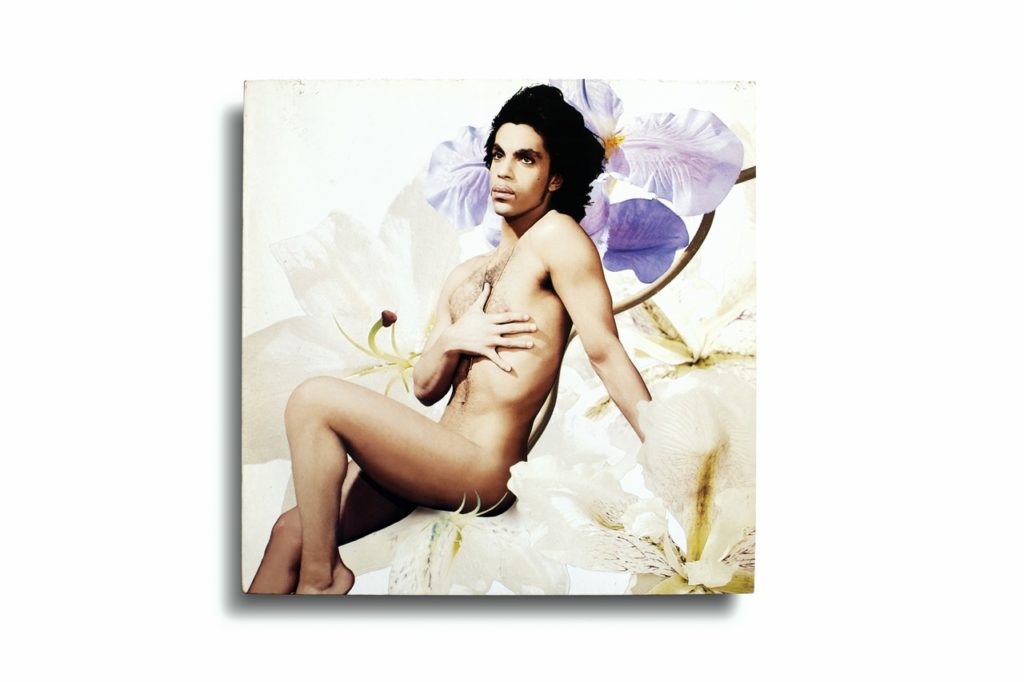
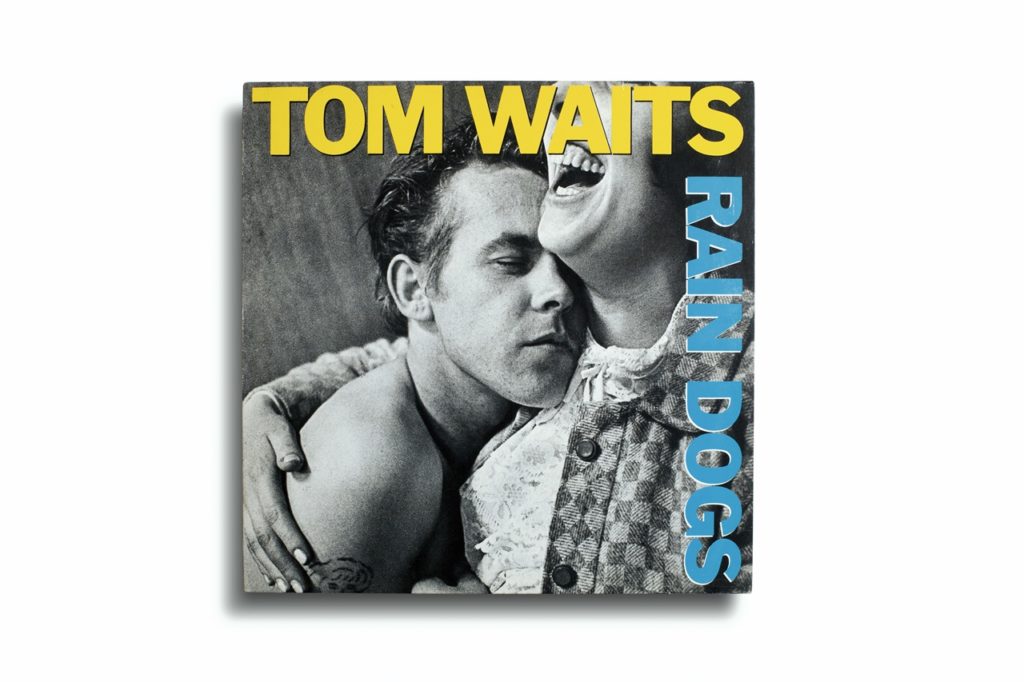
Vinyl lovers, rejoice: a book forthcoming this fall from Aperture rounds up the artwork from more than 400 record covers.
A photographer’s vision and a band’s identity can come together in a startling alchemy, as when Rage Against the Machine employed an anonymous photographer’s image of a self-immolating Vietnamese monk; the book aims to assemble memorable examples of these startling combinations.
Total Records: Photography and the Art of the Album Cover features images by an array of artists, including Robert Frank, Nan Goldin, Danny Lyon, Robert Mapplethorpe, Cindy Sherman, Andy Warhol, and many more. The images graced the covers of records by musicians like Björk, David Bowie, John Coltrane, and Grace Jones, among others.
Big Star, Radio City (Ardent Records, 1974), photograph by William Eggleston. Courtesy Aperture.
Due out in late October, the book is edited by a trio of experts: Antoine de Beaupré, founder of Paris bookstore Librarie 213 and the associated publisher Edition 213; Serge Vincendet, who’s written about figures like Jacques Brel and Serge Gainsbourg; and Sam Stourdzé, director of French photography festival Les Rencontres d’Arles. It features text by music journalist Jacques Denis and an interview with photographer and music video director Jean-Baptiste Mondino.
Prince, Lovesexy (Paisley Park, 1988), photograph by Jean-Baptiste Mondino. Courtesy Aperture.
If you’re in Berlin or Rotterdam, you can catch upcoming exhibitions of the photographs at C/O Berlin Foundation (December 3, 2016–February 5, 2017) and Kunsthal Rotterdam (February 24–June 4, 2017).
See more examples from the book below.
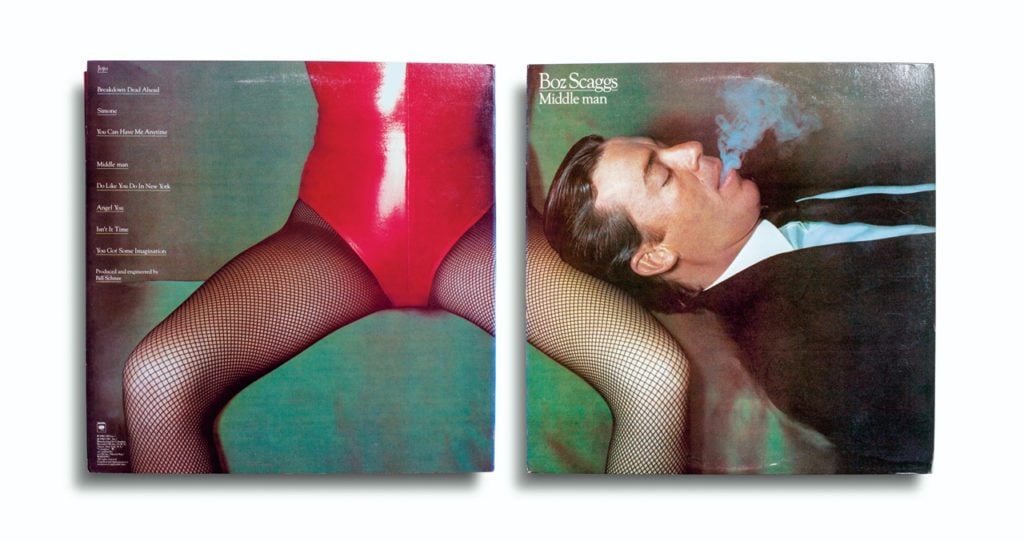
Boz Scaggs, Middle Man (Columbia, 1980), photograph by Guy Bourdin.
Boz Scaggs, Middle Man (Columbia, 1980), photograph by Guy Bourdin. Courtesy Aperture.
Tom Waits, Rain Dogs (Island Records, 1985), photograph by Anders Petersen. Courtesy Aperture.
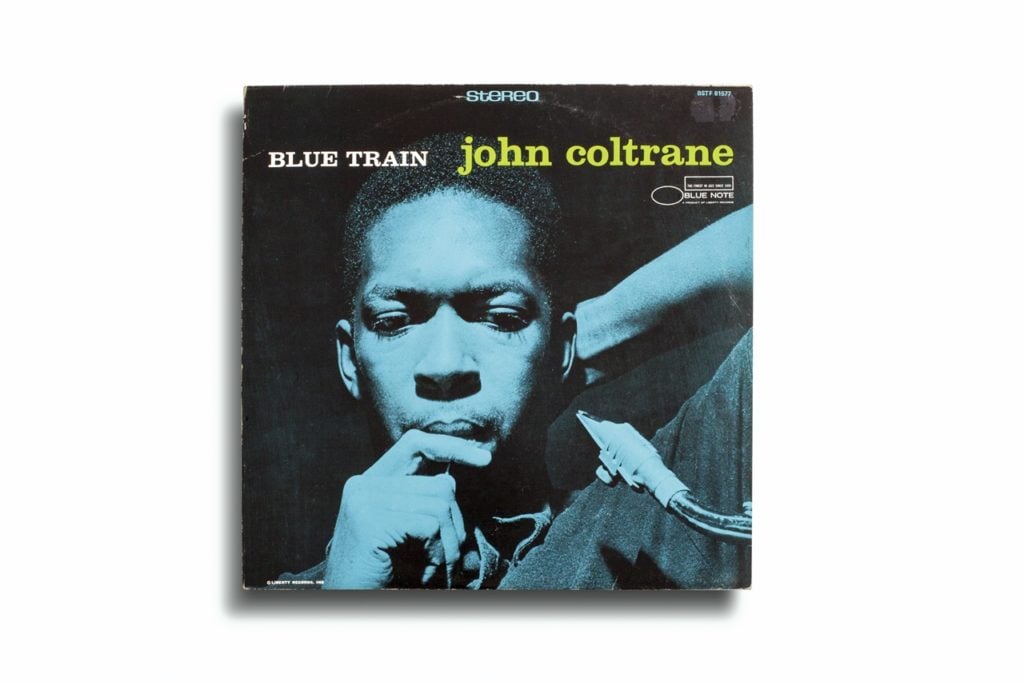
John Coltrane, Blue Train (Blue Note, 1957), photograph by Francis Wolff. Courtesy Aperture.
Björk, Possibly Maybe (One Little Indian, 1996), photograph by Nobuyoshi Araki. Courtesy Aperture.

Follow artnet News on Facebook.
Share


Article topics

Brian Boucher

Senior Writer

Vantablack... it's us VANTAG :)


Anish Kapoor Reveals His Hopes for Vantablack at Seoul’s Kukje Gallery

He also has some choice words about the "Dirty Corner" controversy.
Anish Kapoor. Courtesy of Kukje Gallery.
It was a long wait for Anish Kapoor at Seoul’s Kukje Gallery, where he was expected on the occasion of the opening of his new show, “Gathering Clouds,” which is on view until October 30. The artist was coming directly from a vacation in the Bahamas, and between flight delays and Seoul’s typically heavy traffic, he was quite late, which turned a planned press conference into an informal chat with a cadre of journalists over lunch at the gallery restaurant.
It was perhaps the rather harried nature of Kapoor’s day that led to the refreshingly candid discussion that followed, with the artist speaking freely about his work, his career, and his recent penchant for courting controversy.
At Kukje Gallery, three formidable, twisted mirrored columns display warped visions. “It’s a stupid, simple idea, but it does something—it becomes something else,” said Kapoor, by way of introducing the latest additions to his “Non Objects” series, which are the centerpiece of the current show. He was referring to the 90-degree twist, which transforms mundane columns into strangely unknowable objects with unexpected concavities and edges that seem to shift as you behold them.
Anish Kapoor. Courtesy of Kukje Gallery.
The exhibition also includes four entries in Kapoor’s “Gathering Clouds” series, concave discs painted in matte gray, and two rows of smaller “Non Objects” sculptures, displayed mounted on pedestals.
Earlier works from the “Gathering Clouds” series have often featured shiny, mirrored surfaces, which tend to attract plenty of attention from social media-obsessed art fair goers. Kapoor, who has what he described as “a deep interest in concave mirrored form,” has moved beyond that fascination here.
These works have a different, less readily apparent appeal, at first appearing to be flat circles, their depth rendered imperceptible by the gray paint. “The void in the middle brings out curiosity in viewers,” Kapoor noted.
The heaviness of the matte works calls to mind Kapoor’s well-documented experiments with Vantablack, the newly-invented pigment that he described as “the blackest material in the universe after a black hole.” The so-called “nano paint” is made up of microscopic stems of color that are 300 times as tall as they are wide, so that 99.6 percent of all “light just gets trapped in the network of standing segments,” he explained. “It’s literally as if you could disappear into it.”
Anish Kapoor Angers Artists by Seizing Exclusive Rights to ‘Blackest Black’ Pigment
Though it’s easy to imagine how striking “Gathering Clouds” would look coated in that unreflective color, it will likely be some time before the artist is able to bring that vision to life: The pigment’s inventors are currently only able to produce amounts of about two centimeters square, and Kapoor doesn’t know if they will ever be able to get to a bigger scale.
“It’s not black paint that comes out of a tube. It’s complicated,” he added.
Anish Kapoor. Courtesy of Kukje Gallery.
When Kapoor first read about Vantablack, he immediately knew “this is for me, because I’ve worked with void forms for many years.” But that quest for the deep blackness of Vantablack appears to stem from a rather morbid place. “Perhaps the darkest black is the black that we carry within ourselves,” he mused.
As for Kapoor’s widely-criticized Vantablack monopoly—he is the only artist who will be able to use the color, after all—he’s quick to note that the arrangement is quite necessary. The inventors designed the pigment with the applications in defense industry and science in mind, not visual ones, he says. Successfully creating a version that can used by artists requires a collaborative process with Kapoor.
Related: Anish Kapoor’s ‘Dirty Corner’ Vandalized for Third Time
The artist also touched on his other recent controversy, 2015’s Versailles Garden public art show, Dirty Corner. “That became hugely controversial, I still don’t know why. It seemed to offend people for reasons I can’t understand,” he said of the work, which caused a public uproar in France for its resemblance to the female anatomy.
“It’s interesting that the moment got sexualized,” Kapoor added. “Our cities are full of masculine objects. No one makes the slightest noise about another phallus on the horizon, but it seems a vagina is really a problem.”
“Anish Kapoor: Gathering Clouds” is on view at Kukje Gallery, 54 Samcheong-ro, Sogyeok-dong, Jongno-gu, Seoul, August 31–October 30, 2016.
Follow artnet News on Facebook.
Share


Article topics