Wednesday, November 23, 2016

At risk: Many companies don't have enough disaster insurance


At risk: Many companies don't have enough disaster insurance


3 photos
In this Friday, Oct. 28, 2016, photograph, Kathy Laurenti, owner of North Denver Sausage, poses for... Read more
NEW YORK (AP) — A fire at the gun shop next door never reached Kathy Laurienti's sausage and specialty food store, but the water and smoke damage was enough to shut her business down. Because Laurienti didn't have enough insurance, it's still closed — more than a year later.
Laurienti still doesn't know how much her total losses will be, but estimates she'll have to pay $30,000 to $40,000 from her own pocket. While she had $10,000 in coverage for lost income, she'll likely have lost $100,000 in business by the time she can reopen.
"You don't think about what the insurance might not handle," says Laurienti, whose store, Paisano, is located in a shopping center in Denver.
It's a lesson learned all too often, including by business owners hit by natural disasters like this summer's flooding in Louisiana that caused an estimated $2 billion in damage to companies. Some businesses in the Southeast are still assessing their losses from Hurricane Matthew, which caused an estimated $10 billion in commercial and residential losses.
The government estimates that 40 percent of companies that haven't prepared themselves to be able to operate after a disaster are forced to shut down. And 25 percent of businesses fail within two years because of inadequate post-disaster revenue or cash flow. Adequate insurance would help them survive.
Small companies frequently either don't buy insurance at all or don't have enough to cover their losses when disasters like hurricanes, tornadoes and power outages strike.
Many owners who do buy insurance opt for a standard business policy that covers fire, rain, wind and vandalism. These policies may also include business interruption insurance, which covers lost income when a company cannot operate. But they don't cover damage from floods or earthquakes, which can be serious threats in many parts of the country.
"Most (owners) are buying it as if it's a commodity product instead of understanding it needs to be customized to their particular situation," says Robert Borghese, who teaches law and entrepreneurship at the Wharton School of the University of Pennsylvania.
Many rely too much on insurance brokers who may not have a thorough understanding of the coverage they're selling, Borghese says. Brokers may not know what a particular company's needs are.
Owners may also trying to keep their costs down, and don't think about the "what ifs," says Belen Tokarski, a senior vice president at Insureon, an online insurance broker aimed at small businesses. It can cost thousands of dollars to insure a building and its contents in moderate-to-high risk areas.
"They're price-focused, so they're purchasing just what they think they need," she says.
Walter Coker considered buying flood insurance for his property that included a barn filled with furniture imported from Indonesia and a bait shop. But his broker said the cost of insuring the barn, located on the Matanzas River in St. Augustine, Florida, would be more than Coker could afford. The building is old and in disrepair.
"He didn't give me any numbers, but said it would be exorbitant to try to insure a barn like that," Coker says.
When Hurricane Matthew hit, the barn and bait shop had four feet of water from the river. Coker's furniture inventory was heavily damaged. He was able to sell it at a discount and recover the price he paid, but estimates he had $6,000 to $7,000 in losses.
Coker knows he was gambling, but given the cost of insurance, says he's comfortable doing so. But for some owners, denial is a factor.
"Their eyes glaze over. They're busy running the day-to-day operations. They don't want to think about something bad happening," says Brian Van Hook, associate director at the Small Business Development Center at Florida International University.
Van Hook recommends resources like checklists posted by the trade group Insurance Information Institute on its website that help companies understand their risks. SBDCs like Van Hook's are located around the country and can be found at www.sba.gov/sbdc.
Beyond natural disasters, if an owner is unable to work or dies, a company could be in danger.
Erin Jump Fry's husband, Mike, became ill in 2010, but he didn't have disability or life insurance. Their business, Fancy Fortune Cookies, didn't have a life insurance policy for him that would have helped it deal with the financial fallout of the loss of its co-owner. Without insurance money, Erin Fry couldn't hire someone to help her run it while she also cared for her husband and daughter.
"You can't hire a replacement because you're having to pull money from the company to pay medical bills," says Fry, whose company is based in Indianapolis.
Mike Fry passed away in November 2012, and several months later, his wife discovered that an employee was embezzling money. Business fraud insurance would have helped her recover that cash, she says. Her frustration is with attorneys and other advisers who didn't talk to the Frys about insurance coverage, some varieties of which she didn't even know existed.
Fancy Fortune Cookies has recovered, Fry says, and she now has more comprehensive insurance.
People who run businesses out of their homes may mistakenly think their homeowners policy will cover business losses, Tokarski says.
Elizabeth Crouch sells cupcake racks out of her home, and kept inventory in a building on the property. A fire in April destroyed the building and melted 1,500 racks, wiping out $5,000 in inventory that would have brought Crouch $37,000 in revenue. She discovered that the racks weren't covered.
"I had liability insurance just in case someone got hurt," says Crouch, who lives in Sheridan, Oregon. "Never did I ever think there was a chance of losing my inventory."
Crouch is trying to be certain she won't suffer similar losses again.
"Everything else in my business I'm re-examining to be sure I'm covered for anything," she says.
_____
Follow Joyce Rosenberg at www.twitter.com/JoyceMRosenberg . Her work can be found here: http://bigstory.ap.org/content/joyce-m-rosenberg


Art World | 28 Ways to Change the Art World For the Better

28 Ways to Change the Art World For the Better

Experts say that we should start with the market.
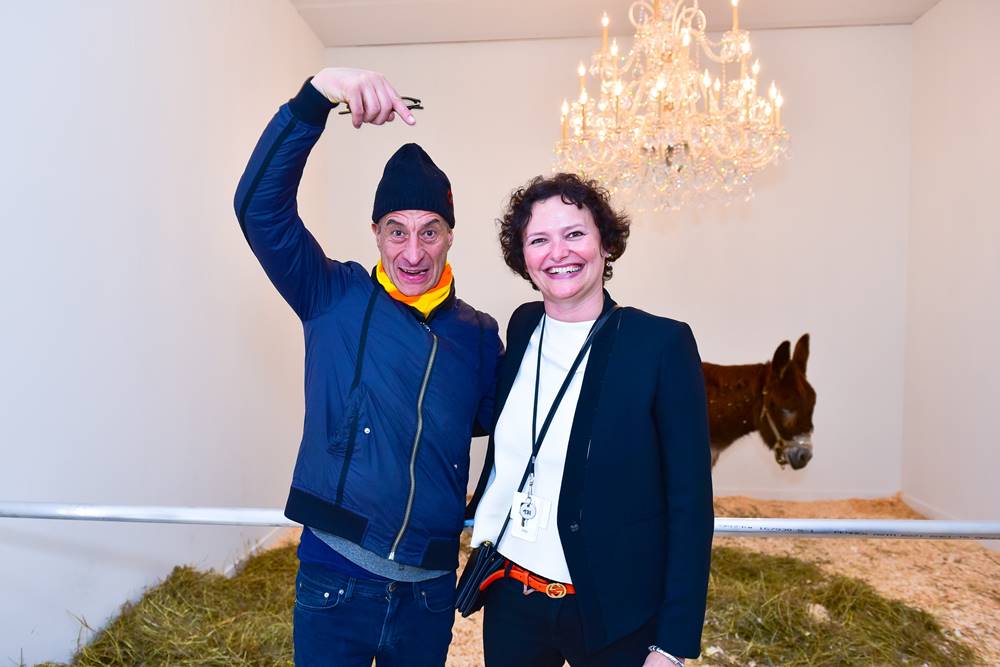
Maurizio Cattelan, Cecilia Alemani at Frieze Art Fair on May 04, 2016. Courtesy of Sean Zanni/Patrick McMullan.
Presented by Cartier
Last year around this time, artnet News’ former Editor-in-Chief Benjamin Genocchio penned a heartfelt and highly personal list of 25 ways to change the art world for the better. This year, in the wake of the presidential election and close to the eve of Thanksgiving, artnet News has turned to respected colleagues and friends to crowdsource opinion on how to improve the practices, values and aspirations of art’s expanding and restless international community.
Below are 28 of our respondents’ alternately pithy and expansive submissions. We have chosen to publish their comments pretty much as we received them. Their original voices, we believe, matter today as much the content of their proposals.
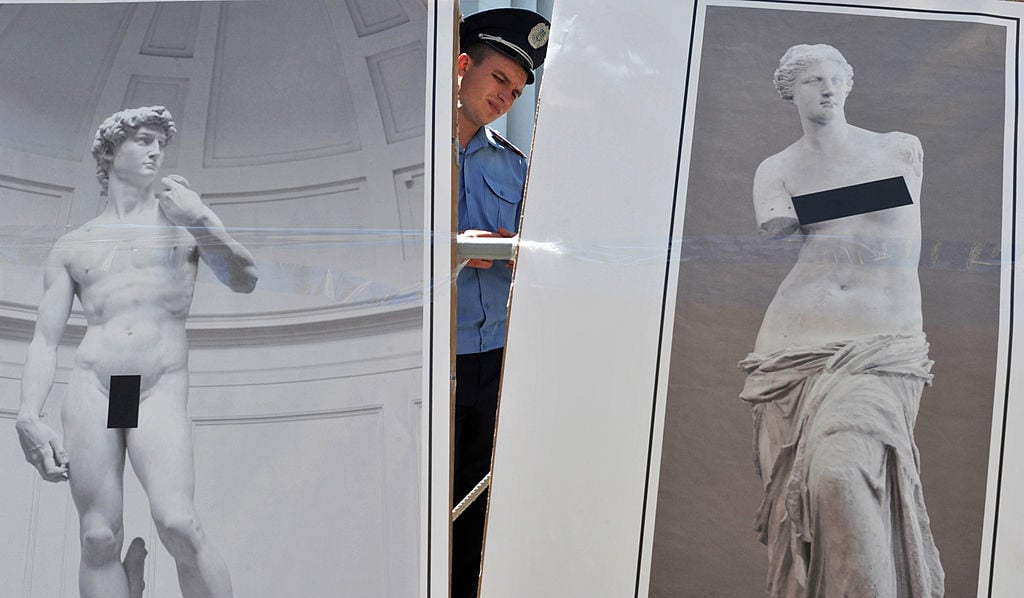
A policeman stands guard behind placards depicting "censored" masterpieces of world art during auction in front of Ukraine's President Viktor Yanukovych office in Kiev in 2011. Courtesy of SERGEI SUPINSKY/AFP/Getty Images.
A policeman stands guard behind placards depicting “censored” masterpieces of world art during auction in front of Ukraine’s President Viktor Yanukovych office in Kiev in 2011. Courtesy of SERGEI SUPINSKY/AFP/Getty Images.
1. “Let’s end the retrograde conversations around censorship (and self-censorship). Engage your enemy. Stop trying to drive them into hiding.”
—Adam Abdalla, President, Cultural Counsel
2. “Lessen the power of the market.”
—Cecilia Alemani, Director and Chief Curator of High Line Art
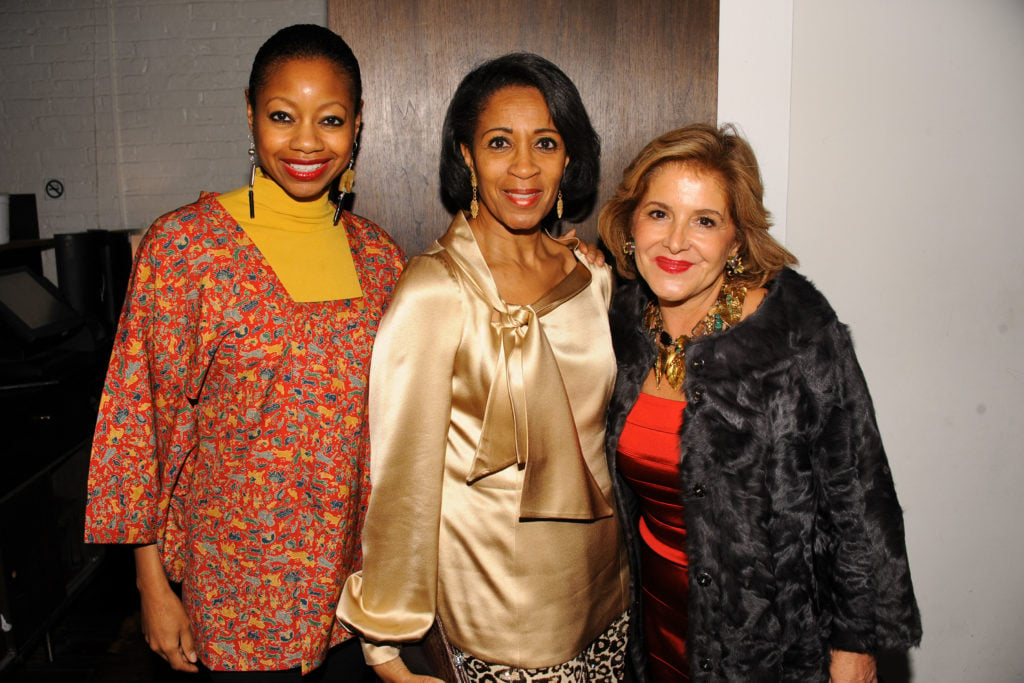
Donna Marie Baptiste, Amelia Ogunlesi, Leila Heller at Leila Heller Gallery. ©Patrick McMullan. Photo by Paul Bruinooge/PatrickMcMullan.com.
Donna Marie Baptiste, Amelia Ogunlesi, Leila Heller at Leila Heller Gallery.
©Patrick McMullan. Photo by Paul Bruinooge/PatrickMcMullan.com.
3. “Fund marginalized communities directly and in significant amounts (how many times have we seen people of color used for funding, but not one person in the organization has been to the communities they supposedly serve?). Listen to the people most affected by injustice. Funding leadership does nothing if organizations aren’t hiring people of color to start with. I’ve known quite a few terrible leaders of organizations that went through leadership training. Not to mention, that none of that leadership training has brought about more inclusiveness because—here we are. As the popular activist adage goes: ‘When you’re accustomed to privilege, equality feels like oppression.” There’s no equality in the arts because the status quo doesn’t want it. THAT is what needs to change.'”
—Donna Marie Baptiste, Arts Director and Producer
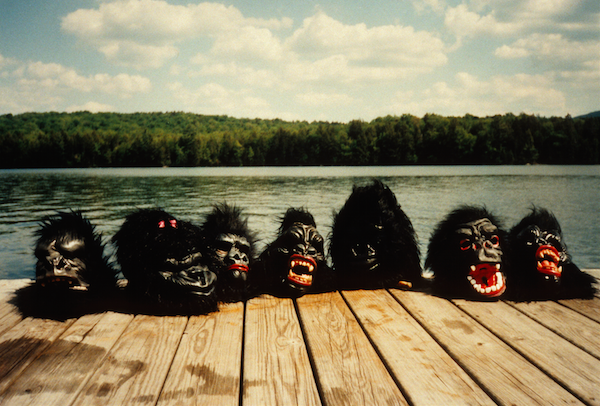
From the Guerrilla Girls BroadBand's show "#ProvokeProtestPrevail," recently at the Bruce High Quality Foundation University
The Guerrilla Girls BroadBand’s show “#ProvokeProtestPrevail,” at the Bruce High Quality Foundation University.
4. “Arts education cannot afford to solely be the province of the well off. And it cannot afford to be circumscribed solely by the market centers of New York and Los Angeles. A truly democratic nation demands that our culture reflect a diversity of ideas, that artists come from all walks of life, and that we artists model the critical and poetically nuanced dialogue we seek for civilization at large. In other words, artists need to help each other.
We need to share ourselves—our passions and our intelligence—with artists we don’t know already, with artists that don’t look like us, that don’t live where we do. Heck, we’ll even pay you to do it! BHQFU is partnering with ArtCenter/South Florida to recruit five artists from anywhere, at any stage in their trajectory, working in any discipline to live and work in Miami for three months while they help us to develop a free arts curriculum for the future. You can find out more and apply here.”
—The Bruce High Quality Foundation, Artists and Educators
5. “MAKE MUSEUMS FREE! In Houston, the Contemporary Arts Museum Houston, The Menil Collection, the Blaffer Museum of Art, Project Row Houses, and Diverseworks are among the many cultural institutions presenting world-class exhibitions that one can visit without paying admission. This has been the case for generations, with the result that our local communities take pride and ownership of culture in a way I’ve not experienced in any other city. We are “their museums”! With audiences who are incredibly diverse in terms of age, ethnicity, economic ability, and museum-going experience, we’re all the richer for it!”
—Dean Daderko, Curator, Contemporary Arts Museum Houston
6. “Language is going to be important as we move forward. There needs to be an embargo on bad language in poor press releases, as well as ambulance chasing titles for exhibitions. In 2017, let’s not see the art world casually dropping the term “post-truth” into every press release. Ditto with “temporality”—let it go. Please no more “notions of” or “traditional parameters.” Keep the language direct and clear.
Reclaim “clear eyes, full hearts”… and try not to lose.”
—Dexter Dalwood, Artist
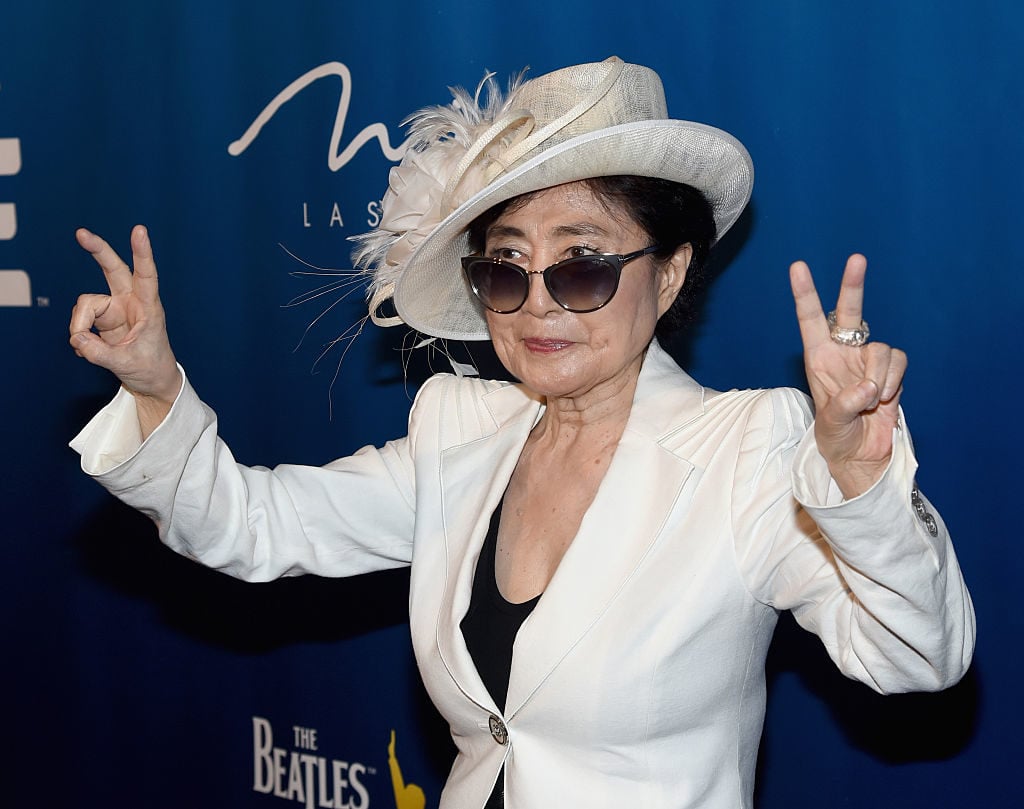
 Yoko Ono in 2016 in Las Vegas. Photo by Ethan Miller/Getty Images for Cirque du Soleil.
Yoko Ono in 2016. Photo by Ethan Miller/Getty Images for Cirque du Soleil.
7. “Firstly, I think Fluxus actions should be incorporated into physical education classes. I would love to see a P.E. curriculum by, say, Yoko Ono. Secondly, I’d like to propose required trust exercises between collectors and their art advisors. Better yet, these should be required for the completion of every transaction. Lastly, no more click bait.”
—Ingrid Dudek, Director of Contemporary Art at Bonhams
8. “I suggest all visitors (including collectors, curators, advisors and dealers as well as the public at large) to art museums, art galleries and art fairs spend as much time looking at works of art as they do taking pictures, texting and phoning.”
—Michael Findlay, Director, Acquavella Galleries
9. “What if the art world was a lot more integrated into the world world? What if the art world and the world world existed in a state of mutual accountability to one another? What if art was valued as a shared cultural transmission that brings people together despite difference, instead of as a luxury good that promotes class division? What if artistic process was valued as concretely as art objects? What if the art world’s purpose was to increase net creativity, and expand the options and vision of a population? What if artists were able to value their own artistic products, processes, and outcomes? What if artists felt comfortable working beyond the affirmation of the art world?”
—Deborah Fisher, Executive Director, A Blade of Grass
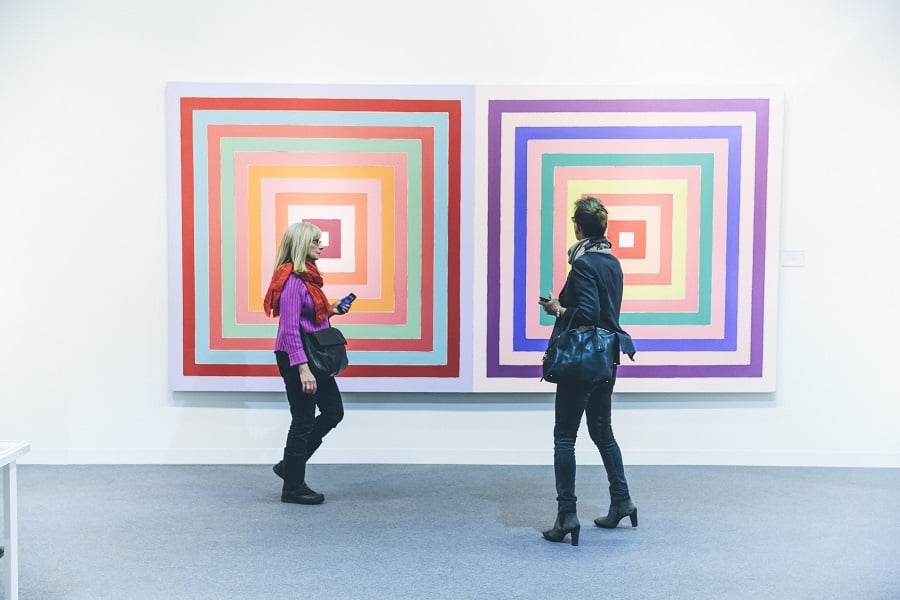
Photo: Courtesy of Roberto Chamorro for The Armory Show.
10. “One way to make the art world a better place is to substantially raise the wages for curatorial and other staff at museums to reflect the rapid cost of living increases in major metropolitan centers. Without living wages for curators, museums will no longer be able to attract the best and brightest talent.”
—Ben Genocchio, Executive Director, The Armory Show
11. “It’s painfully clear that the art world, like so many other cherished enclaves of liberalism, utterly failed us in November. It’s now time for a wholesale reconsideration of the role art (and the art community) plays in society. Is it zone of Callimachean complexity, referentiality, and obscurantism, like the Library of Alexandria before Caesar burnt it to the ground? Or is it a place where profound and important ideas are given the rhetorical wings to reach a widespread audience beyond the tower? Is now a time to épater les bourgeois above all else? Should art about art about art be more valued than art about our time, and pushed by a runaway marketplace into every facet of our institutions and public spaces? These are questions we should be asking ourselves.”
—Andrew Goldstein, Chief Digital Content Officer of Artspace | Phaidon
12. “Ban all “special exhibitions” in museums for a year. Return art lovers to the old-fashioned joys of digging deep into a permanent collection.”
—Blake Gopnik, Critic at Large, Artnet News
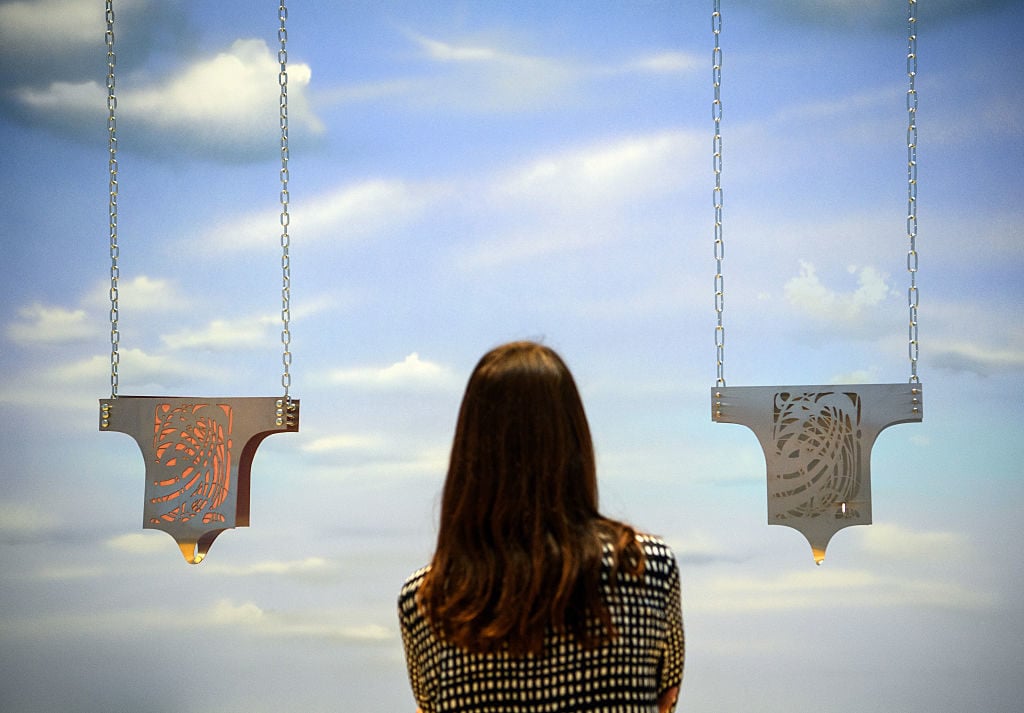
A member of staff poses next to an installation by British artist Anthea Hamilton entitled 'Guimard Chastity Belt' during a press preview for the 2016 Turner Prize at Tate Britain on September 26, 2016 in London, Photo by Carl Court/Getty Images.
Anthea Hamilton, Guimard Chastity Belt. Press preview for the 2016 Turner Prize at Tate Britain on September 26, 2016 in London, Photo by Carl Court/Getty Images.
13. “Artists’ re-sale right should apply to all works sold at auction within seven years of leaving the artist’s studio. If the maker is not alive, cannot be reached or is not interested in the extra coinage, the money should be used to fund young artists or art education. Effectively, this is a flip tax.”
—Dave Harper, Independent Curator and Consultant
14. “Find your trusted news sources and consult them everyday.”
—Danielle Jackson, Co-Founder, Bronx Documentary Center
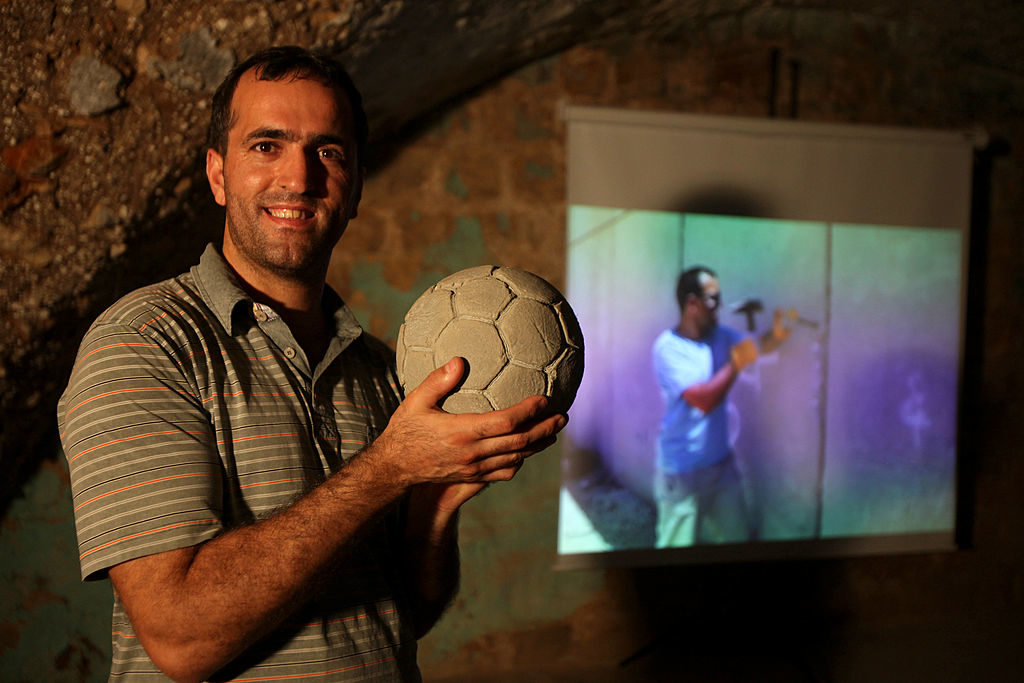
Khaled Jarrar in 2012. Courtesy of ABBAS MOMANI/AFP/Getty Images.
15. “After returning from my exhibition “Castles Built From Sand Will Fall” in Dubai, I want to say that if we can’t keep the sustained optimism we will fail as humans and as artists.”
—Khaled Jarrar, Artist
16. “For those in the nonprofit sector: Present work that speaks truth to power and work that speaks for the disenfranchised. Respect artists who have a point of view by allowing them to articulate it. Don’t be gratuitous. Be thoughtful. And most of all, remember change is a marathon, not a sprint.”
—Harry Philbrick, Director Philadelphia Contemporary
17. “Changing the art world is not really a different proposition than changing the world at this point.  In the face of a Republican President and Congress, change is going to have to come from us, if we are talking about making the art world a better place. I think we need to seriously consider unionization, both pragmatically to address the shared conditions of our labor, and at the symbolic level to demonstrate political solidarity with the working class.”
“Working Artists and the Greater Economy (W.A.G.E.) is currently working on proposals for that union building, and they need whatever we can donate right now to make it happen. My concrete suggestion is to make a donationto W.A.G.E. immediately. My less concrete suggestion is to start thinking less about the role of the artist as an exceptional individual and more as a shared group identity.”
—William Powhida, Artist
18. “Initiate difficult conversations with people who may be different from you or with whom you may disagree. The art world, at its best, points to pressing issues in our world and in our lives. It’s time for the art world to continue to extend its reach beyond its familiar and comfortable confines, to engage with communities in diverse ways, and engage with one another, especially where conflict lies.”
Yael Reinharz, Executive Director, Artis
19. “Less art fairs, more focus on exhibitions. Art fairs should not use young galleries as curator fodder, forcing them into showing unsellable “project” sections at the fairs’ periphery to give these fairs credibility while the big boys rake in millions at the center. The big galleries should pay an extra five percent extra to subsidize the younger galleries booths so that they don’t go broke even if they sell out. Criticism should have a voice again, and collectors should take advice based on real critique not auction records.”
—David Risley, Director David Risley Gallery
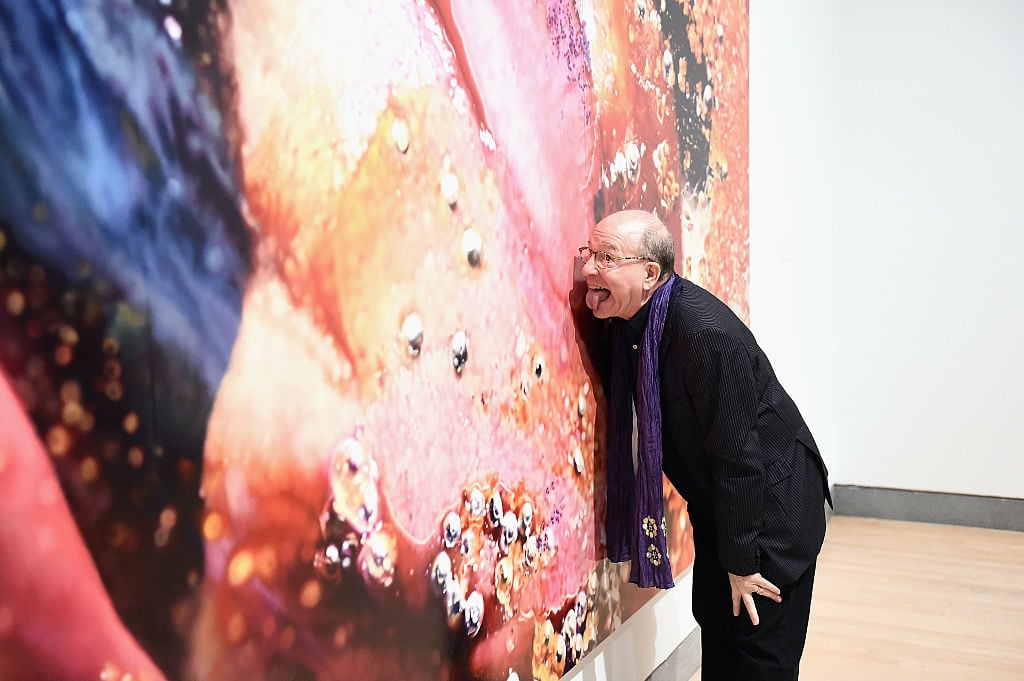
 Jerry Saltz attends as Brooklyn Museum celebrates Marilyn Minter and Iggy Pop at Brooklyn Museum on November 3, 2016 in New York City. Photo by Nicholas Hunt/Getty Images for Brooklyn Museum.
Jerry Saltz attends opening for Marilyn Minter and Iggy Pop at the Brooklyn Museum in 2016. Photo by Nicholas Hunt/Getty Images for Brooklyn Museum.
20. “Here’s my list of suggestions to improve the art world:
  • Ten collectors should forego the purchase of one $20 million work of art by Christopher WoolJeff KoonsDamien HirstRichard Prince, Wade Guyton, Rudolph Stingel, Gerhardt Richter, that guy Adrian Ghenie, or any of those artists—great and terrible—in the parallel art world of high-priced auctions. The $100 million should be used instead to buy a building somewhere in New York. The spaces in said building should be rented at cost to gallerists and to artists for studios.
  • Sotheby’s should use the profits from the sale of three Picassos, a Modigliani, a de Kooning, and two Richters to sell its York Avenue building at cost to Memorial Sloan Kettering Hospital and vacate that neighborhood, to help further the tremendous work Slone Kettering does for so many in pain.
  • Galleries should make a pact to deny sales to any collector who self-proclaims support for Trump. (I know this could break the bank and put us all out of business, but I feel foul.)
  • Boycott Mnuchin Gallery as long as Steven Mnuchin is associated with president-elect Trump.
  • Cry havoc and let slip the dogs of war come January 20.
  • Art blogs should stop continually reporting auction news (except for our wonderful art-world market maniac, Kenny Schachter). They only matter to 125 people, none of them artists, and have nothing to do with the inner life of art.
  • Don’t post food pics on Instagram anymore.”
—Jerry Saltz, Senior Art Critic, New York Magazine
21. “Dear Art World,
Stop facilitating the tax evading habits of wealthy art collectors. You’re robbing your communities of much needed revenue to improve infrastructure and social services.”
—Jonathan Schwartz, President/CEO Atelier4
22. “The art world is not an entity apart from the real world. If it were so, art would develop in a vacuum. In my opinion, one way to make the small microcosm of the art world better and hopefully connect with the real world is to keep enough room for art’s essence—for its questioning processes, for the way it opens new doors into our understanding of ourselves and the world, for its understanding and acceptance of the Other, for its ability to think outside the box.
“As in the larger society, no one can deny the current predominance of the almighty market (at least for the moment), which has opened up a blatantly large dichotomy between the significance of art and its monetary value. But we must find a way to allow true art to thrive in the shadow of this art market.
“How can this be achieved? For the art world’s stakeholders—artists, teachers, curators, gallerists, collectors, museum directors, critics, journalists and art lovers in general—it means considering art less as an accessory and more as a set of principles that need to be defended, together, and across class and ideological lines.”
—Alain Servais, Art Collector
23. “Erase the lack of social commitment from the art world.”
—Bosco Sodi, Artist
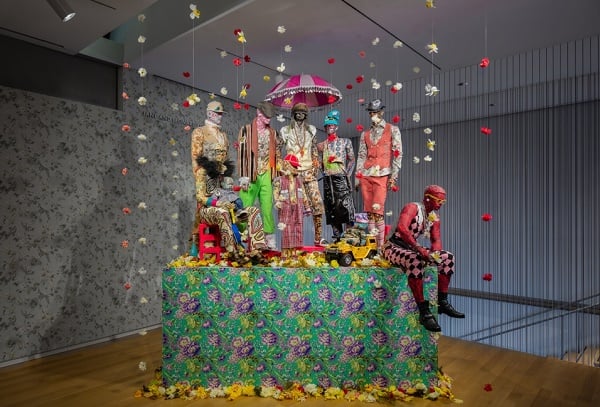
Ebony G. Patterson, Dead Trees (installation view), (2015) Image: Courtesy of Butcher Walsh © and Museum of Arts and Design
Ebony G. Patterson, Dead Trees (installation view), (2015). Courtesy of Butcher Walsh © and Museum of Arts and Design.
24. “Remake art education! The high cost of art school continues to define who makes the visual culture that becomes visible in the country; in other words, who can enter into the elite spheres of both institutions and the market and further influence future generations. While some measures are taken to create balance, by and large the cost of an art education at the institutions that open doors is prohibitive to all but a few.
Pay art faculty better. Both private and public schools pay their predominantly part-time faculty too little to live on, let alone give them the benefits they need to teach and bring their voices and practices to education
Foundations should fund operational expenses (staff and rent) at small to medium-sized arts organizations, particularly those outside of the main art centers, so that they can do the important work of representing underrepresented artists, media and ideas in regions with less robust arts institutions.
Foundations should fund artists directly and make grants renewable.
Stop normalizing art as a luxury good.
Work for diversity, equity and parity in the arts.
Celebrate the work of education departments. Write about it, talk about it, attend it. These are the alternative organizations within our institutions doing some of the best work in the arts.
Put artists in leadership positions, not just in art organizations but in civic organizations. Within the arts, recognize artists as the experts in their fields, before curators, collectors, foundations, and critics, and respect their knowledge by putting them on boards, in leadership positions and in other positions of influence.
Deconstruct the entirely white, cis and predominantly heteronormative staff in charge of administrating and directing culture.”
—Shannon R. Stratton, William and Mildred Lasdon Chief Curator, Museum of Arts and Design
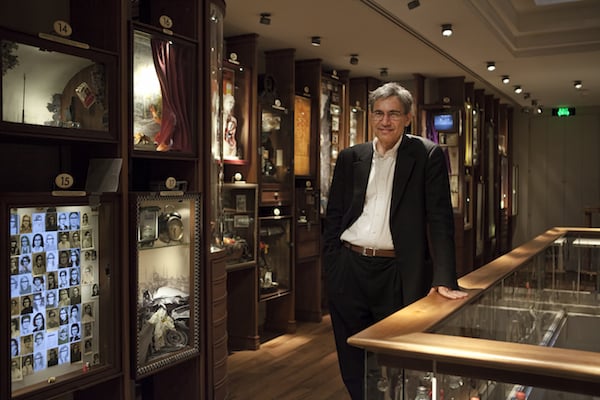
Orhan Pamuk at the Museum of Innocence Photo: via the Museum of Innocence
Orhan Pamuk at the Museum of Innocence. Photo via the Museum of Innocence.
25. “I’ve been thinking a lot about Orhan Pamuk’s “Modern Manifesto for Museums.” This passage in particular seems especially relevant to me now: “We do not need more museums that attempt to construct a historical narrative of our society and community as a narrative of faction, nation and state. We all know that ordinary and everyday stories are richer, more human and above all more joyful.” We need to pay attention to the art that art expresses the humanity of these ordinary, everyday voices, and it is imperative that museums provide a safe place in which they can be heard.”
—Lisa Sutcliffe, Curator of Photography and Media Arts, Milwaukee Art Museum
26. It is now even more urgent to work together to champion and protect inclusive spaces for all people, in particular people of color, people of non-binary gender, and folks of diverse backgrounds—any and all voices who have been marginalized from the mainstream. Given the weight of our new political climate, we must take this responsibility very seriously and get to work creating the world we want to live in.
—Vanessa Thill, Curator at Large, the Knockdown Center
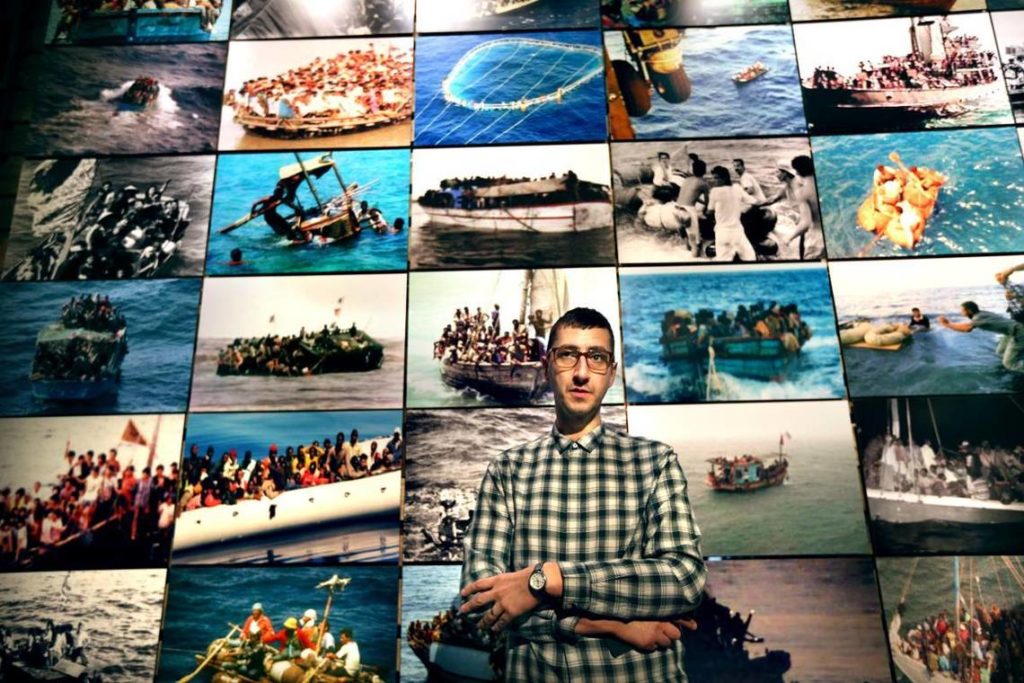
New director of De Appel Niels Van Tomme. Photo courtesy of De Appel Arts Center, Amsterdam.
Niels Van Tomme. Photo courtesy of De Appel Arts Center, Amsterdam.
27. “We are continuously, and oftentimes precariously, working for the bettering of the world through culture. Even though children are the future world we’re building, they’re not included in our supposedly progressive worldviews and the professional structures we navigate and create. So this would be my challenge to art workers internationally: Is it possible to devise new ways in which children are nurtured through the cultural activities we devise, not as an afterthought through strictly formatted educational programs, but in ways in that shape and feed the content and structure of cultural activities? Think about it.”
—Niels Van Tomme, Director, Die Appel
28. “To change the art world for the better, artists and art institutions can support collective efforts by providing space, resources, and critical reflection. Great art allows people to communicate across differences of opinion, experience, and expertise. Artistic practices of listening, healing, analyzing, envisioning, creating, and celebrating make interdisciplinary models for economic justice possible. We would not have community safety initiatives, tenants rights organizations, community land trusts, or freedom schools without the imagination and dedication of many artists.
“As white people wake up to the reality that white supremacy threatens public health on a daily basis, we must follow the lead of black and brown artists and organizers who have been under siege for centuries and who have always been leaders in the solidarity art economy. In New York City, this means following the lead of groups like El Puente, Fourth Arts Block, The Laundromat Project, THE POINT, Urban Bush Women, and groups affiliated with the Naturally Occurring Cultural Districts of NYC.
“To change the art world for the better, we can start by realizing that another economy in the arts is not only possible—it already exists. By supporting the long-term work of arts groups that nurture equitable, place-based initiatives, we can strengthen and connect to an art economy of solidarity in New York City and beyond.” (The previous text is a “summary” of a presentation given by Woolard on Friday, November 18, 2016, to the National Endowment for the Arts on the occasion of its 50th anniversary celebration)
—Caroline Woolard, Artist and Organizer
Follow artnet News on Facebook.
SHARE

Art Fairs | Everything You Need to Know About All 24 Art Fairs at Art Basel in Miami Beach

Everything You Need to Know About All 24 Art Fairs at Art Basel in Miami Beach

It's going to be a very long week.
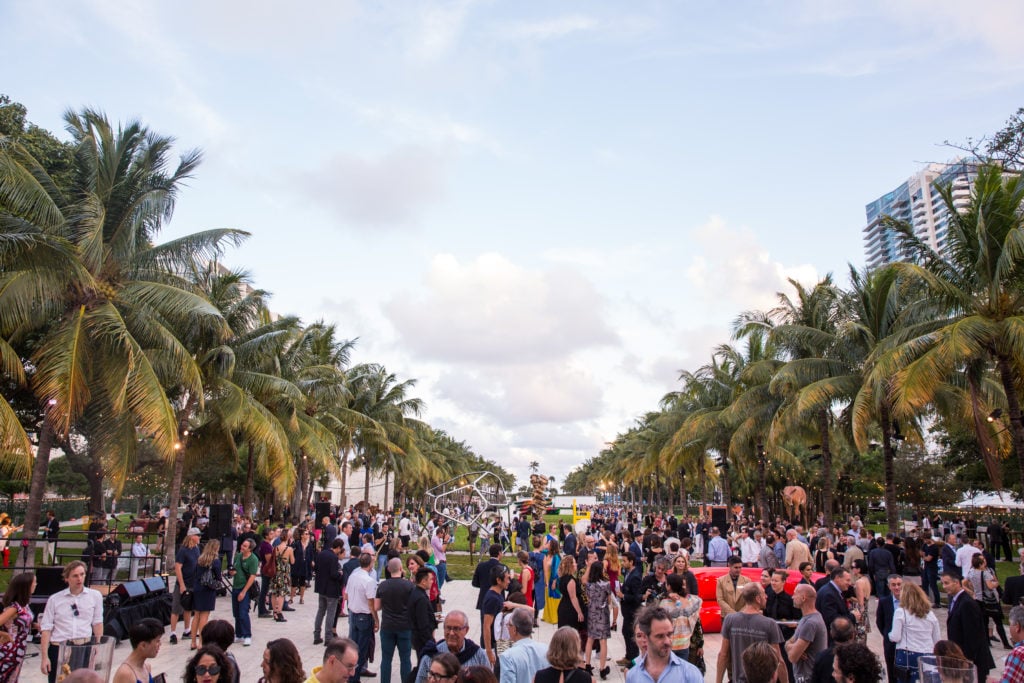
Courtesy of Art Basel in Miami Beach.
From Wynwood to North Beach, here’s our round-up of the many, many art fairs taking place during Miami Art Week.
Get ready, because there’s basically no end to the art you can see the first week of December.
1. Art Basel in Miami Beach 
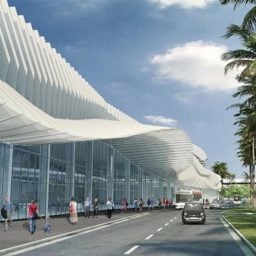
Provided there are no complications due to rumored construction delays on planned renovations to the Miami Beach Convention Center, the biggest art fair in the country will present an international contingent of 269 galleries this December. Expect a mix of over 4,000 modern, contemporary, and emerging artists. (See last year’s report.)
Miami Beach Convention Center, 1901 Convention Center Drive, Miami BeachDecember 1–4, 2016. Private view November 30, 11:00 a.m.–8:00 p.m.
$50 one-day pass
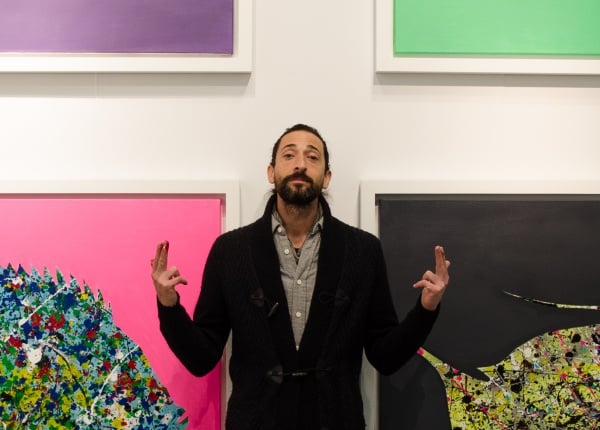
Adrien Brody. Courtesy of David Benrimon Fine Art LLC.
2. Art Miami (see last year’s report)
Art Basel may have the biggest name, but Art Miami, now in its 27th edition, has been in the game the longest. Plus, Art Miami and its two sister fairs, CONTEXT and Aqua, will feature a whopping 272 galleries altogether.
Among the bold-faced names on view will be Academy Award winner Adrien Brody at New York’s Benrimon Projects.
3101 NE 1st Avenue, Wynwood, MiamiNovember 29–December 4, 2016. VIP preview November 29, 5:30 p.m.–10:00 p.m.
$45 one-day pass, $90 run-of-show with admission to CONTEXT and Aqua
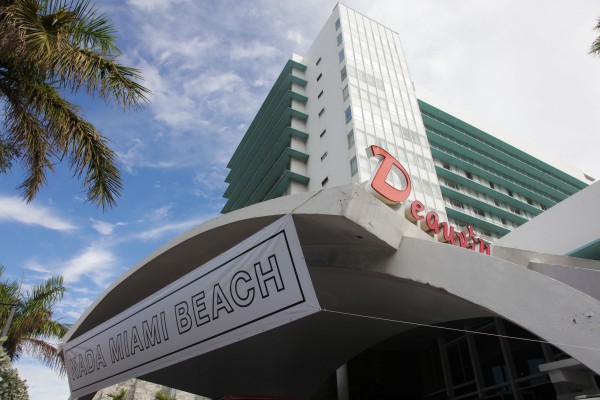
NADA Miami Beach at the Deauville Resort Hotel. Photo courtesy New Art Dealers Alliance.
3. NADA Miami Beach (see last year’s report)
For its 14th edition, NADA returns to its old digs at the Deauville Beach Resort in North Beach after its 2015 run at the more centrally-located Fontainebleau Miami Beach. With 45 new exhibitors on deck, nearly half of the roster at this critically-acclaimed fair will be showing for the first time.
Deauville Beach Resort, 6701 Collins Ave, North BeachDecember 1–4, 2016, Preview December 1, 10:00 a.m.–2:00 p.m.
$20 one-day pass, $40 run-of-show
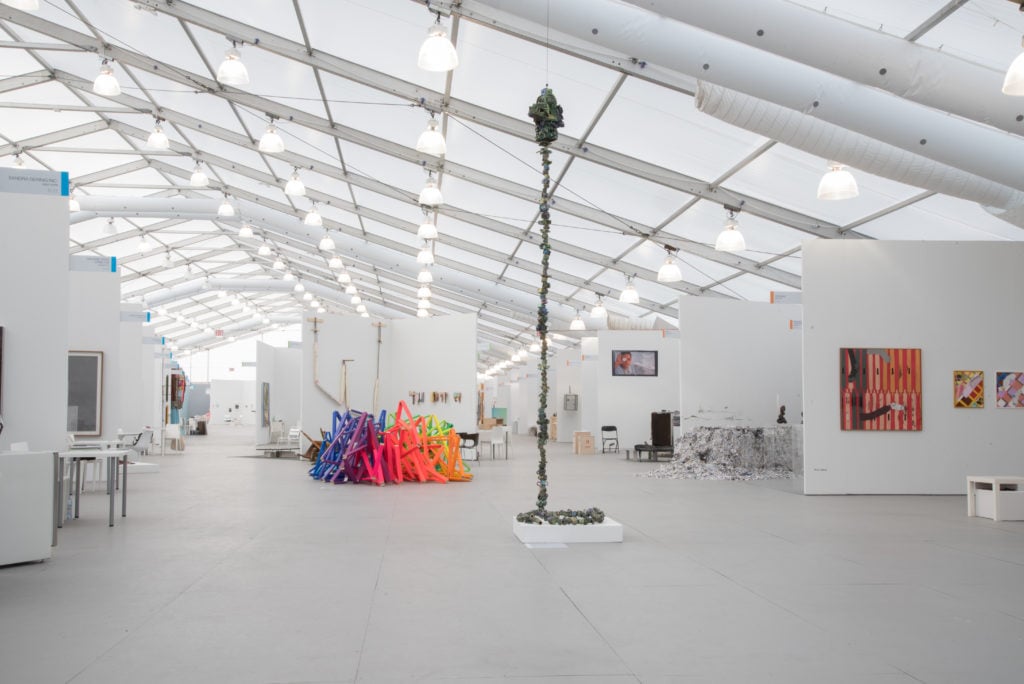
UNTITLED Miami. Courtesy of UNTITLED Miami.
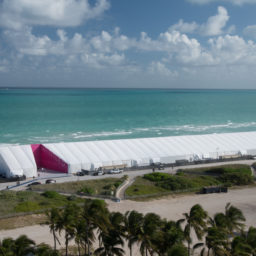
4. UNTITLED Miami (see last year’s report)For its fifth edition, UNTITLED will return to its tent on the Miami Beach waterfront with 128 dealers, its most ever. The UNTITLED Jungle Lounge will feature collaged photographs by Brooklyn-based artist Daniel Gordon, while Rirkrit Tiravanija and Tomas Vu will run a surf shop, with a shower stall for fairgoers to rinse off after a dip in the sea.
In keeping with the fair’s mission of incorporating architecture, SiTE:Lab’s Paul Amenta, artist Alois Kronschlaeger, and architect Ted Lott of Lott3Metz Architecture are building an observation deck, Elevated Structure, which will offer a stunning view of the fair as well as hosting programming, which will broadcast on UNTITLED Radio.
Ocean Drive and 12th Street
November 30–December 4, 2016. VIP preview November 29 from 3:00 p.m.–8:00 p.m.
$30 one-day pass
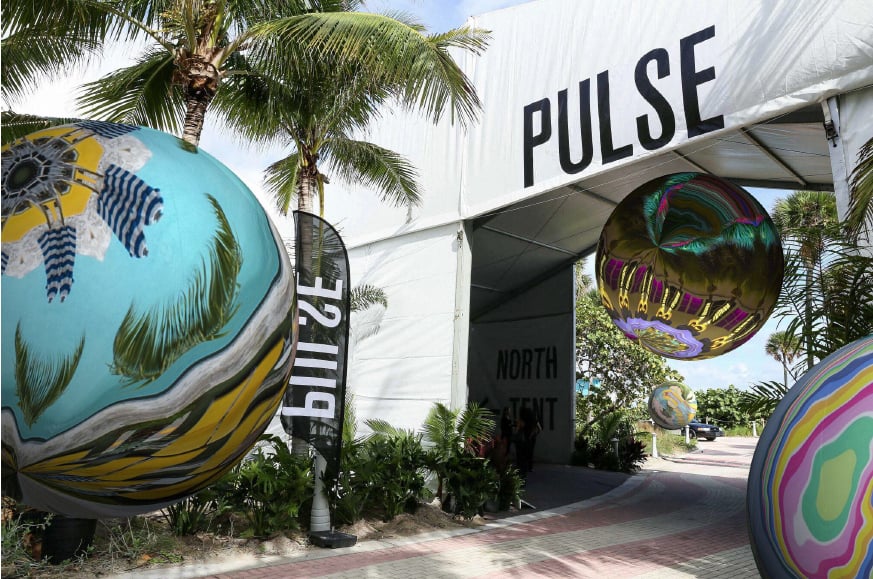
Anne Spalter, Miami Marbles rendering for PULSE Miami Beach. Courtesy of Anne Spalter.
Anne Spalter, Miami Marbles rendering for PULSE Miami Beach. Courtesy of Anne Spalter.
5. PULSE Miami Beach (see last year’s report)
A total of 74 galleries will be on hand for PULSE’s third beachfront edition. A project from digital artist Anne Spalter, the fair’s first PROJECTS special commission will greet visitors at the tent. The sculptures, covered with abstracted images taken during last year’s Miami Art Week, become animated, and are joined by other floating Miami Marbles when viewed through a special app.
For the first time, PULSE’s PLAY sector features video art selected through an open call by Jasmine Wahi and Rebecca Jampol, the co-founders and directors of Newark’s Gateway Project Spaces.
Indian Beach Park, 4601 Collins AvenueDecember 1–4, 2016. VIP preview and brunch December 1, 10:00 a.m.–1:00 p.m., Young Collectors Cocktails 5:00 p.m.–7:00 p.m.
$25 one-day pass, $40 run-of-show
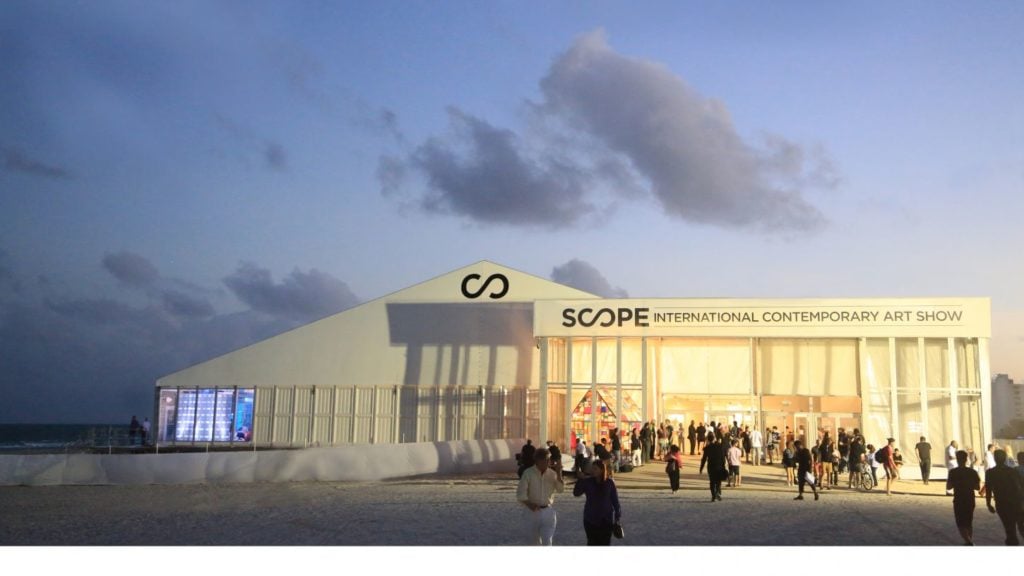
Scope Miami Beach. Photo: Scope.
Scope Miami Beach. Courtesy of Scope.
6. SCOPE Miami Beach (see last year’s report)
SCOPE’s 125 exhibitors hail from 22 countries and 57 cities for the fair’s 16th year. Using an app from Outer Spaces AR, visitors can experience a 30-foot-tall virtual sphere, SCOPE’s first experiment with augmented reality.
801 Ocean Drive, Miami BeachNovember 29–December 4, 2016. VIP preview November 29, 12:00 p.m.–4:00 p.m.
$35 one-day pass, $100 run-of-show for two
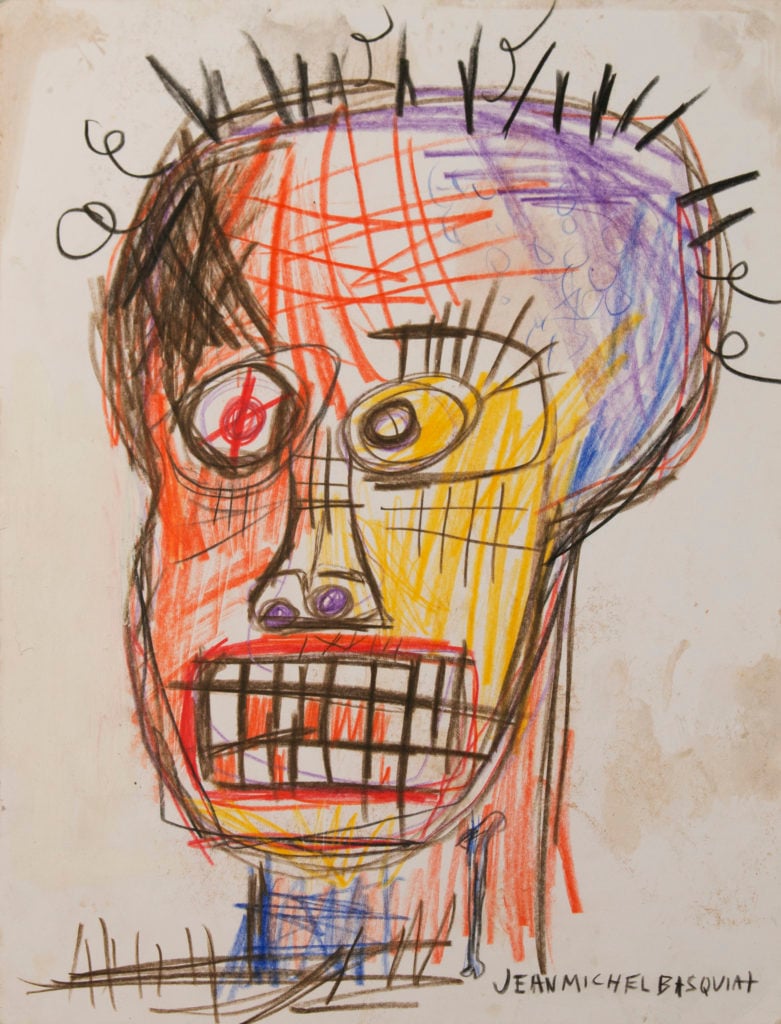
Jean-Michel Basquiat <em>Untitled</em>. Courtesy of Bishop Gallery.
Jean-Michel Basquiat Untitled. Courtesy of Bishop Gallery.
7. X Contemporary (see last year’s review)
There’s been a bit of a shake-up at X Contemporary for the fair’s second year—Matthew Eck, formerly of the now-defunct SELECT art fair, is out, and Crystal Curtis, who served as producing director in 2015, is taking over. The 35 exhibitors will include galleries, private dealers, and independent curators.
Don’t miss the Michael Klein-curated The Women Who Made Modern Art Modern” and “Neptune’s Place: Early Works by Jean-Michel Basquiat” from the Bishop Gallery of Brooklyn, among other highlights. 
Nobu Hotel Miami Beach, 4525 Collins Avenue, Miami Beach, November 30December 4, 2016
VIP preview December 1, 5:00 p.m.–10 p.m.
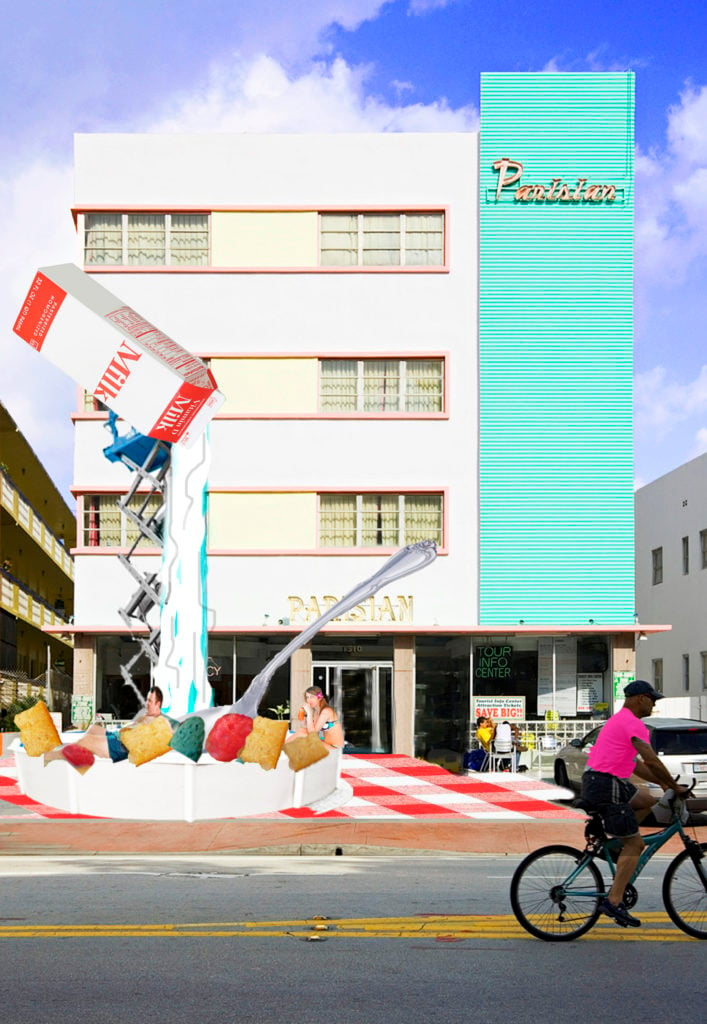
Jen Catron and Paul Outlaw, F+++ It (2016), rendering. Courtesy of SATELLITE.
Jen Catron and Paul Outlaw, F+++ It (2016), rendering. Courtesy of SATELLITE.
8. SATELLITE Art Show
For its second year, SATELLITE, the brainchild of former SELECT founder Brian Whiteley, creator of the infamous Donald Trump tombstone, is taking the party to a central location next door to Aqua. (Its former venue, the Deauville Beach Resort, is once again hosting NADA.)
Rather than the typical art fair booth approach, SATELLITE will feature “concept-driven” rooms and an afters-hour penthouse presented by the Pérez Art Museum Miami. Artist duo Jen Catron and Paul Outlaw will be on hand with an intriguing performance art installation in the form of a 3,000-gallon cereal bowl.
The Parisian, 1510 Collins Avenue, Miami Beach
December 1–4, 2016. VIP preview December 1, 12:00 p.m.–3:00 p.m.
A rendering of the Design Miami/ 2016 entryway from SHoP Architects, titled Flotsam & Jetsam. Courtesy of SHoP Architects.
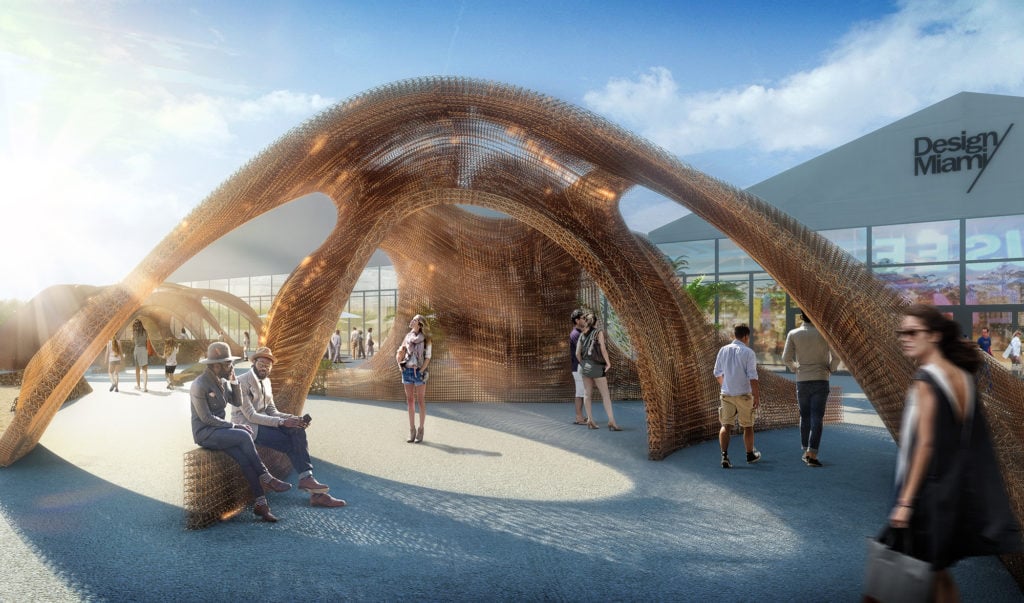
A rendering of the Design Miami/ 2016 entryway from SHoP Architects, titled Flotsam & Jetsam. Courtesy of SHoP Architects.
9. Design Miami (see last year’s report)
Each year, Design Miami commissions an architect to design the entry pavilion as the winner of Design Miami/Visionary Award. The 2016 project, Flotsam & Jetsam, comes from SHoP Architects, is being touted as the largest 3-D printed object in the world, and is inspired by the shape of a jellyfish.
The fair will feature 35 dealers from Europe, Africa, and North and South America. Interspersed with the exhibitor booths will be “cabinets of curiosity” from the two-year-old Curio sector.
Meridian Avenue & 19th Street, Miami Beach, November 30–December 4, 2016.
VIP preview November 29, 12:00 p.m.–8:00 p.m.
$25 one-day pass, $60 combined one-day pass with Art Basel in Miami Beach
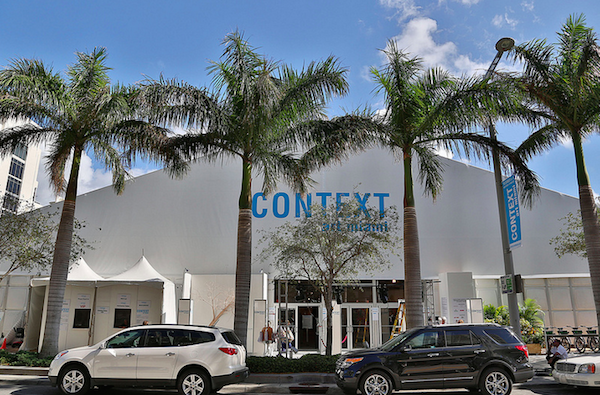
CONTEXT Art Miami. Courtesy of CONTEXT Art Miami.
10. CONTEXT Art Miami (see last year’s report)
The growing sister fair to Art Miami, CONTEXT, founded in 2012, is moving just one block over into a larger space for 2016. next door. Once again, the fair will put a focus on sound art with the 12 listening stations in its “Sound Positions” section. Other highlights will include a sculpture garden.
Green Space at 36th Street (between NE 1st Avenue and Buena Vista Boulevard) in Midtown, MiamiNovember 29–December 4, 2016, VIP preview November 29, 5:30 p.m.–10:00 p.m.
$45 one-day pass, $90 multi-day pass with admission to Art Miami and Aqua
Guests attend Aqua Art Miami VIP Preview at Aqua Art Miami at the Aqua Hotel on December 2, 2015 in Miami Beach, Florida. Courtesy of Aaron Davidson/Getty Images for Aqua Art Miami.
11. Aqua Art Miami (see our 2014 report)
A part of the Art Miami empire since 2014, this 11 year old hotel fair, features 47 dealers in intimate rooms around a picturesque courtyard.
This year, Aqua has partnered with the Association of Women Art Dealers (AWAD), a non-profit aimed at aiding the business women art dealers. AWAD founder Susan Mumford will moderate a panel on December 2 titled “Unconscious Bias and the Art World.”
Aqua Hotel, 1530 Collins Ave, Miami Beach
November 30–December 4, 2016, VIP preview November 30, 3:00 p.m.–10:00 p.m.
$20 one day pass, $90 multi-day pass with admission to Art Miami and CONTEXT
The INK Miami Art Fair venue. Courtesy of the INK Miami Art Fair.
12. INK Miami Art Fair 
For the 11th straight year, the International Fine Print Dealers Association brings modern and contemporary works on paper to Miami. The 11 exhibitors include New York’s Susan Teller Gallery and Wildwood Press of Chesterfield, Missouri.
Suites of Dorchester, 1850 Collins Avenue, South Beach
November 30
December 4, 2016
Free admission
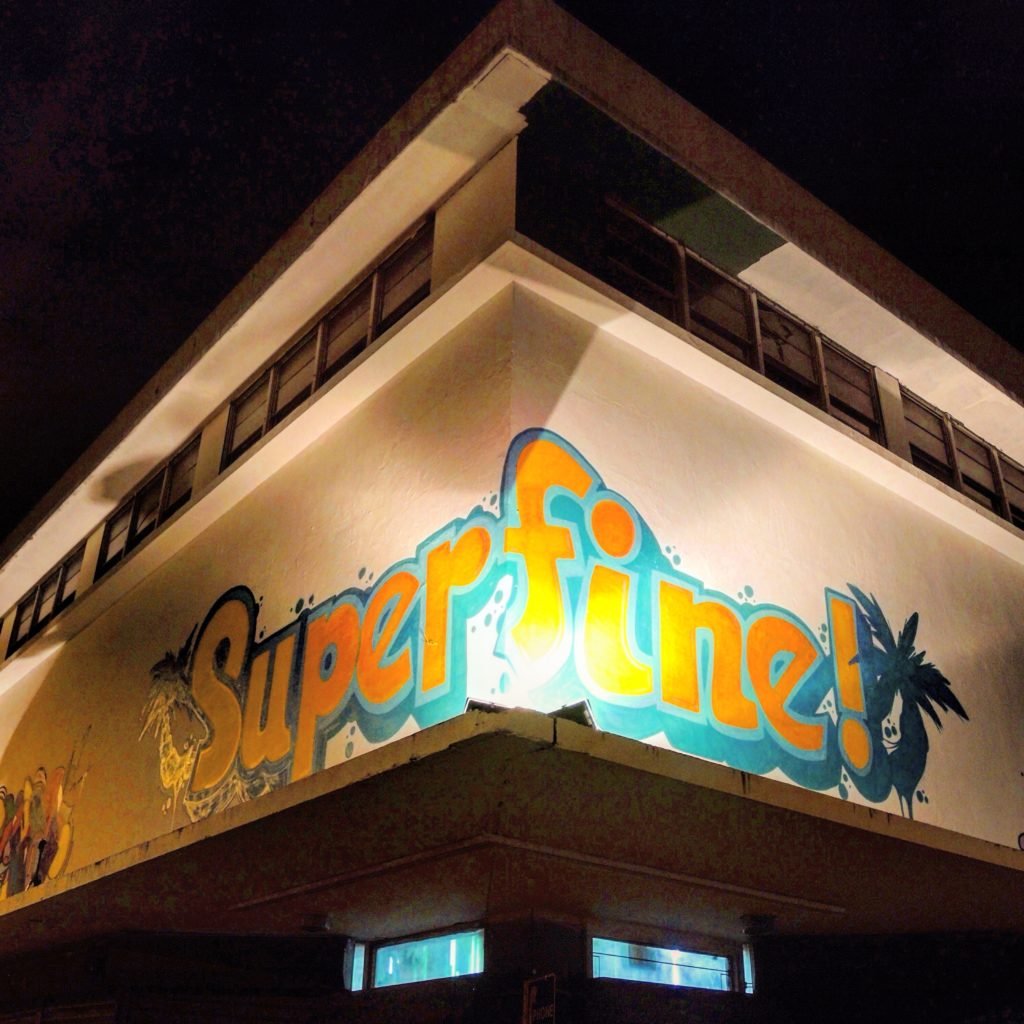
Superfine! 2015. Courtesy of Sarah Cascone.
13. Superfine! The Fairest Fair
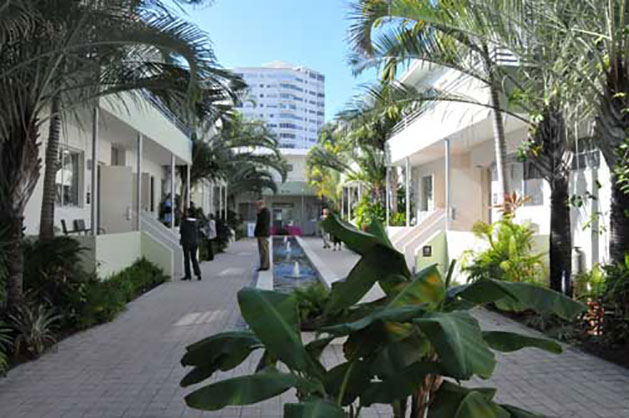
After an inaugural edition in Little Haiti’s Little River, Superfine! is moving to Wynwood, where it will be neighbors with Art Miami. Last year’s outing was an odd mix of commercial boutique design and fashion companies, but Superfine! is promising the “rebirth of the modern art fair” for this go-around.
The opening party will feature a performance by Patrick and the Swayzees in their fair’s back garden, home to a new environmental installation from Nice’N Easy and Squatterpopup, an audio-visual work by artist Jen Clay housed in a 1973 Shasta camper. Programming includes panels such as “An Artist Who Happens to be (Queer),” “Miami: Art City of the Future?,” and “Sorry, I’m Not a Collector.”
56 Northeast 29th Street, Miami
December 1–4, 2016, VIP preview December 1, 11:00 a.m.–12:00 p.m.; followed by Media Mojito Hour, 12:00 a.m.–2:00 p.m.; Miami Lawn Society Party, 2:00 p.m.–6:00 p.m.; and public hours, 6:00 p.m.–11:00 p.m.
$7.77 one-day pass, $33.33 run-of-show
Jane LaFarge Hamill, <em>Giant Summer</em> (2016). Courtesy FMLY.
Jane LaFarge Hamill, Giant Summer (2016). Courtesy FMLY.
14. Miami Project 
Art Market Productions has a smaller footprint in Miami this year, with the cancellation of Art on Paper and the end of its partnership with SATELLITE, but Miami Project is promising a “unique, must-see experience” in a “high-touch environment” just steps from NADA.
6625 Indian Creek Drive, Miami Beach, North Beach
December 1–4, 2016, VIP preview December 1, 12:00 p.m.–4:00 p.m.
$20 one-day pass, $35 run-of-show
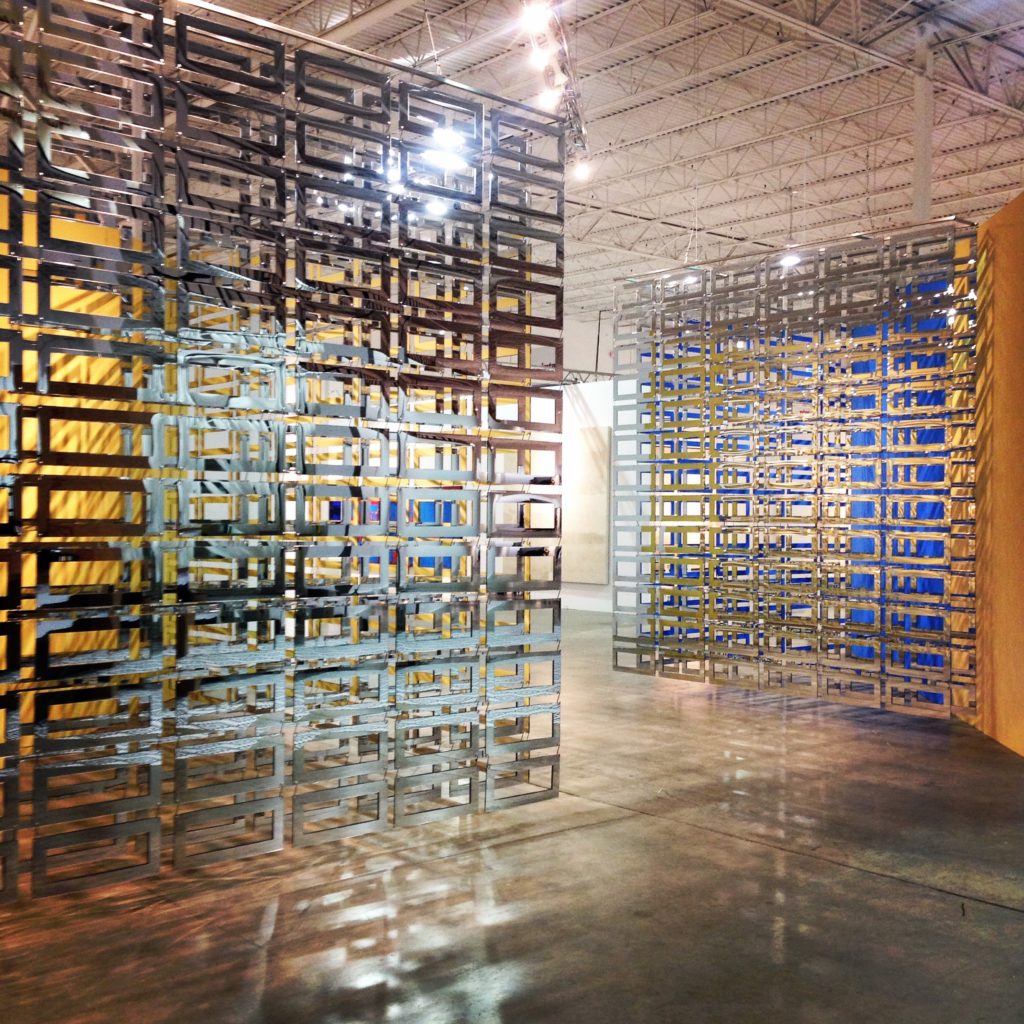
PINTA 2015. Courtesy of Sarah Cascone.
15. PINTA miami
Latin American, Spanish, and Portuguese art take center stage at this Ibero-American-focused fair, now in its tenth year. Expect standout works from the abstract, concrete, neo-concrete, kinetic, and conceptual art movements.
Mana Wynwood, 318 NW 23rd Street, Miami
November 30December 4, 2016; invitation only opening, November 29, 6:45 p.m.–10:30 p.m.
Admission by optional donation
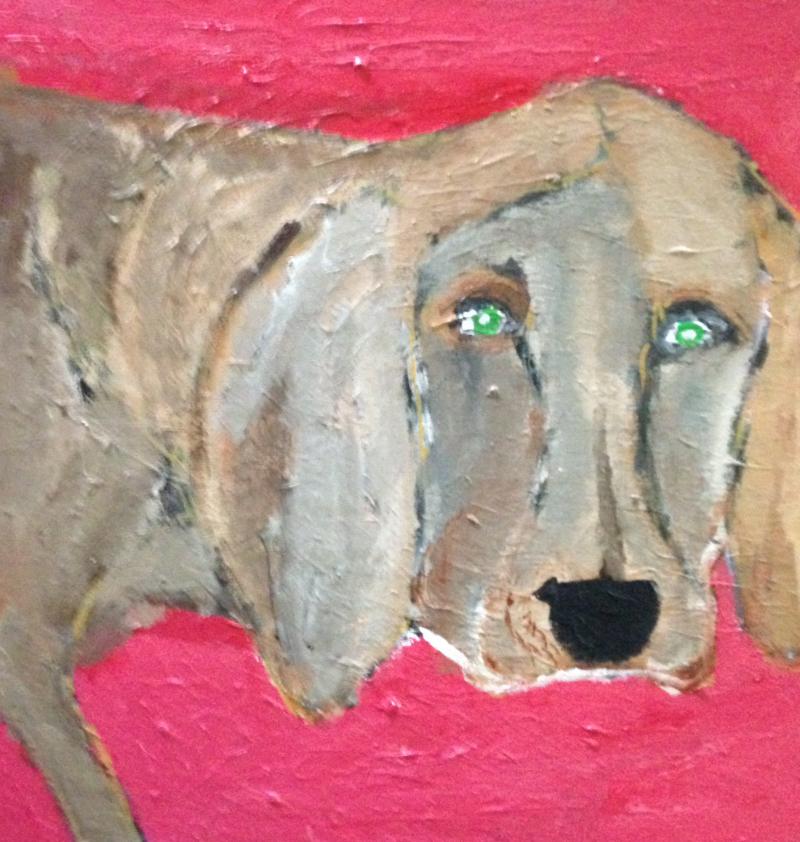
Eric Ginsburg, <em>Wegman's Dog</em>. Courtesy of Fridge Art Fair.
Eric Ginsburg, Wegman’s Dog. Courtesy of Fridge Art Fair.
16. Fridge Art Fair
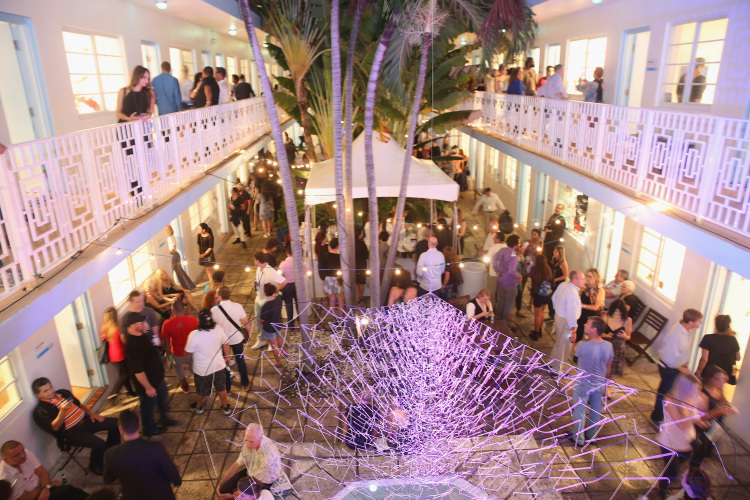
This tongue-in-cheek fair (the name is a play on Frieze) is returning in mini form for its fourth Miami edition, held in the Underground Gallery at the Betsy Hotel. With a Sunday night opening, Fridge is angling to be the first big event of Miami Art Week.
The Betsy Hotel, 1440 Ocean Drive, Miami Beach
November 27–December 6, 2016, VIP preview November 27, 4:00 p.m.–7:00 p.m.; grand gala December 3, 5:30 p.m.–8:30 p.m.
$10 one-day pass (suggested donation)
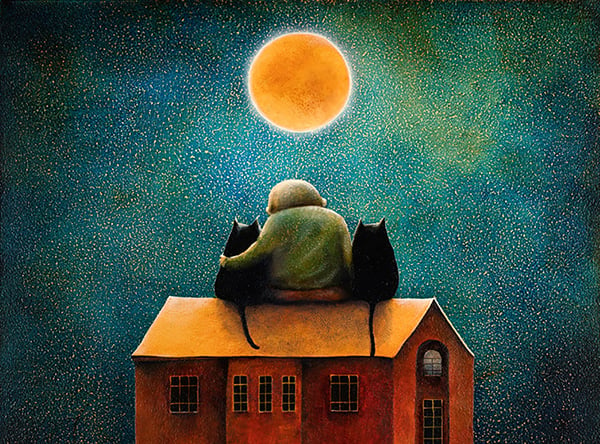
Nick Fedaeff, <em>Man and Cats</em>. Courtesy of Nick Fedaeff.
Nick Fedaeff, Man and Cats. Courtesy of Nick Fedaeff.
17. SPECTRUM miami
In between Downtown Miami and Wynwood, SPECTRUM calls the so-called Arts and Entertainment District home, and will feature the theme “[ELEVATE]: Heightening your senses at the hub of the art world.” SPECTRUM also is also home to the fair-within-a-fair ArtSpot Miami International Art Fair, which will have a special photography project titled “Photo Lab International.”
1700 NE 2nd Ave., Arts & Entertainment District, Miami
November 30–December 4, 2016. VIP preview December 2, 6:00 p.m.–10:00 p.m.
$25 one-day pass, $75 run-of-show (both with advance purchase)
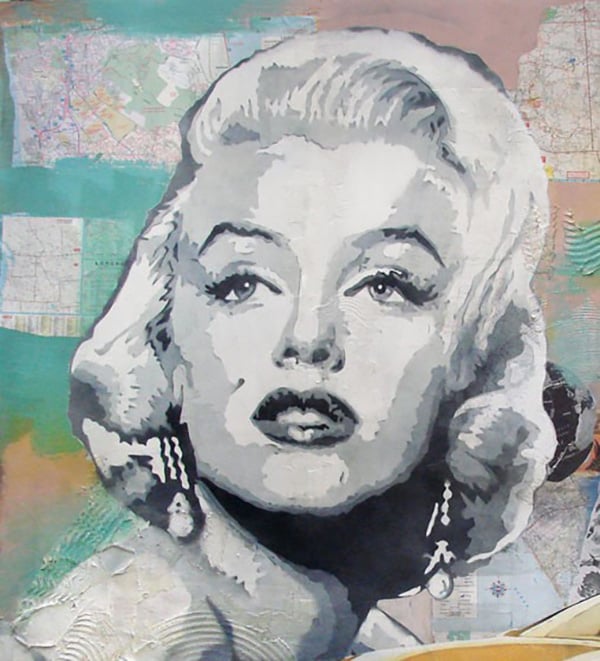
Cory Bennett, <em>Marilyn</em>. Courtesy of Winn Slavin Fine Art.
Cory Bennett, Marilyn. Courtesy of Winn Slavin Fine Art.
18. The New Red Dot Art Fair
Red Dot, a juried art show which shares its location with SPECTRUM and ArtSpot, has added “the new” to its name for its tenth edition. The fair features 500 contemporary artists from up-and-coming galleries.
1700 NE 2nd Ave., Arts & Entertainment District, Miami
November 30–December 4, 2016, VIP Preview November 30, 6:00 p.m.–10:00 p.m.
$25 one-day pass, $75 run-of-show
Guests at the Miami River Art Fair. Courtesy of the Miami River Art Fair.
19. Miami River Art Fair
Enters its fifth year, the Miami River Fair brings monumental sculptures from Italy, France, Cuba, Colombia, Korea, Spain and a special presentation from to its Mexico River Walk Sculpture Walk, in addition to a more traditional contingent of booths at the downtown convention center.
Miami Convention Center 400 SE 2nd Avenue, Miami
December 1–4, 2016. Black tie vernissage, December 1, 6:00 p.m.–11:00 p.m.
$20 one-day pass, but complimentary admission available online
Gil Cuatrecasas, <em>Inca Warrior</em> (1976). Courtesy of Art Concept.
Gil Cuatrecasas, Inca Warrior (1976). Courtesy of Art Concept.
20. Art Concept
Next Level Fairs, which also runs Art Palm Beach and Art Boca Raton, is debuting a new “waterfront fair in the round” focused on modern and contemporary art. New Jersey’s Gary Lichentenstein Editions, among over 50 participating exhibitors, will present special exhibition of artworks by Pritzker Prize-winning architect Richard Meier.
A “Rediscovery” sector spotlights under-appreciated or forgotten artists from the mid-t0-late 20th-century. Other focuses include “New Trends” and “Sculpture and Urban Art,” scattered across the adjacent 9 acres of Bayfront Park.
301 Biscayne Blvd at Chopin Plaza, Miami
November 30–December 4, 2016
$15 one-day pass, $30 run-of-show
Allison Janae Hamilton, <em>The Land of Milk or Honey</em>. Courtesy of PRIZM Art Fair.
Allison Janae Hamilton, The Land of Milk or Honey. Courtesy of PRIZM Art Fair.
21. PRIZM Art Fair
This four-year-old-fair stands apart in at least one aspect: rather than closing up shop after a few days, PRIZM runs for two weeks, bringing the work the work of over 40 African and African diaspora artists to Miami.
7230 NW Miami Court, Miami
November 29–December 11, 2016. Press preview November 29, 12:00 p.m.–4:00 p.m.
$15 one-day pass, $50 run-of-show
Swoon was featured in the inaugural edition of CONCEPTION ART FAIR. Courtesy of CONCEPTION ART FAIR.
22. CONCEPTION ART FAIR
Billing itself as Miami Art Week’s first exclusively women-owned and -produced fair, CONCEPTION, now in its second edition, is the brainchild of curator Rachel Wilkins, and lawyer Jennifer M. Blum. Expect a focus on art from women and minority artists that promotes social and political change.
31 NW 23rd St, Miami
December 1–4, 2016
Enrique Toledo, <em>Once the Sea Dreamed</em>. Courtesy of the Technique Art Fair.
Enrique Toledo, Once the Sea Dreamed. Courtesy of the Technique Art Fair.
23. Technique Art Fair
Representational work, with a focus on narrative realism, photorealistic portraiture and surrealism, is the name of the game at this new, boutique, juried fair. Founder Stacy Conde, of Coral Gables’s Conde Contemporary gallery on Miracle Mile, looks to put the focus on artistic technique.
Shelborne Wyndham Grand South Beach, 1801 Collins Avenue, Miami BeachNovember 29–December 4, 2016$15 one-day pass, $65 run-of-show
Art Beat Miami Art Fair. Courtesy of Art Beat Miami Art Fair.
24. Art Beat Miami Art Fair
Head to Little Haiti for a Haitian-inspired selection of art, cultural, exchange, food, and music curated by Pulitzer Prize winning Miami Heraldphotojournalist Carl Juste and Little Haiti Cultural Complex curator-in-residence Marie Vickles. Art Beat is now in its third year, and will feature live performances and plenty of Carribean flair.
Caribbean Marketplace, 5925 NE 2nd Avenue, Little Haiti, Miami
November 30–December 4, 2016
Free
Follow artnet News on Facebook.
SHARE
Article topics