Tuesday, May 7, 2019

What Is Camp, the Met Gala 2019 Theme?

Brand Logo


Subscribe to New York


MET GALA 2019 

What Is Camp, the Met Gala 2019 Theme?


Photo: David Trood/Getty Images
The Met Gala is camp-themed this year.
Though each of those words might have a clear meaning to you individually, there is a chance that, together in a sentence, they mean nothing. I understand and I urge you not to worry. We’re here to help.
I suppose it makes sense first to define “the Met Gala,” which is happening tonight. I should note immediately that we are not talking about the Met(plural) Gala. The Mets is a baseball team — one of the best ones, particularly when compared with the Yankees. The Met and the Mets are not the same thing.
The Met (singular) is shorthand for the Metropolitan Museum of Art. Gala, well, I don’t know what “gala” is. Gala is slightly more difficult. I think it’s, like, some sort of a dance. For a rundown of what exactly the Met Gala is, I will ask you to head to my colleague Sarah Spellings’s Met Gala explainer.
But what is camp? This is tricky. I will tell you immediately, similar to when we made the Met/Mets distinction, that it is not camp like camping, thank God. I hate camping. You buy a bunch of stuff in order to sleep on dirt with bugs? I’m not a fool … I’ll sleep in my bed, thanks. I pay a ton of money for an apartment and you think I’m going to go sleep on the ground outside in some stupid tent, and probably it’s raining? Yeah right. Insane. I can walk in the woods during the daytime if I want nature, and then I’ll go home and sleep in a bed.
This theme isn’t that, though. This is “camp” like the aesthetic; like Susan Sontag’s 1964 essay “Notes on ‘Camp,’” which serves as a framework for the gala’s theme and the Met’s “Camp” exhibition. “Camp is a certain mode of aestheticism,” Sontag wrote. “It is one way of seeing the world as an aesthetic phenomenon. That way, the way of Camp, is not in terms of beauty, but in terms of the degree of artifice, of stylization.” Okay. Have you read the rest of the essay? If not feel free to open it in a new window, read it, and come back when you’re ready.


Okay, did you read it? Do you still not totally understand what camp is? I know; I’m sorry. This year the gala is going to be co-chaired by Lady Gaga, Alessandro Michele, Harry Styles, and Serena Williams. Maybe this Lady Gaga fan account tweet will help:


Huh. That is actually quite helpful, and sort of quotes some of the Met’s own writing on the topic; thank you, @LadyGagaNowNet. But I’m still not sure what camp is.
I emailed the Met asking, “What is the Met Gala and what is camp?” hoping to get maybe a two-sentence response, and they very nicely sent me back several pages of promotional material, which included many more sentences than I wanted. Still, it was helpful.
According to the press release, the museum’s upcoming “camp” exhibition, which opens on Met Gala day, spans from the 17th century to the present, tracing camp’s origins from Versailles to the dandy figure to “the queer subcultures of Europe and America in the late 19th and early 20th centuries.” Thank you, press release. “The largest section of the exhibition will be devoted to how these elements — which include irony, humor, parody, pastiche, artifice, theatricality, and exaggeration — are expressed in fashion.” Great.
But still, what is it? GQ is asking. Refinery29 is asking. Someone asked Yahoo! Answers. (They write, “Ive been hearing it so much i dont know what it means!!! Can someone help me out.”) Each explains the style, when explanation is given, more with examples than by definition: Lady Gaga’s meat dress, Björk’s swan dress, the Super Bowl, Showgirls. It is perhaps not something that can be known as much as it is something that can be understood.
In order to better understand “camp” I reached out to Kate Pierson, hotelierand founding member of seminal New Wave party band the B-52’s. “There’s humor and a bit of pathos in loving something popular culture rejects,” she told me in an email.
“When the B-52’s first toured Europe, an English journalist said, ‘They can’t export your “American trash aesthetic” here!’ The B-52’s have been mixing high culture and love of the low ever since. Wearing big wigs, we sing with genuine emotion and darkness; in a song about wigs, called — uh — ‘Wig,’ we sing ‘on the neon, neon side of town’ while we do-si-do across the stage.”


“For some people on the outside of the dominant culture,” Pierson said, “camp is an important way of interpreting the world and a necessity for living in it. There’s something there that makes you laugh like an aha and ooooahh, yikes! all at once”
I love the B-52’s intensely and I am so grateful to Kate Pierson for this insight and so honored that she would give it to me. Please listen to the B-52’s today. I believe we can now rewrite our sentence in full.
The Met Gala, which is not the Mets Gala, is camp-themed this year, which is not camp, like, going camping, but camp like the aesthetic style “camp,” which is somewhat difficult to define but includes elements of irony, humor, parody, pastiche, artifice, theatricality, and exaggeration; it makes you at once laugh and say oooahhhh, yikes! Lady Gaga is one of the Met Gala’s co-chairs. The B-52’s rule.
Ah. Much better.


Monday, May 6, 2019

cada vez mais turistas mas as visitas aos museus caíram a pique

Nenhuma descrição de foto disponível.


Lisboa tem cada vez mais turistas mas as visitas aos museus caíram a pique

O "El País" diz que há duas explicações: ou os visitante são burros ou os responsáveis pelo património português estão a falhar.
O jornal espanhol diz ainda que o Museu Nacional dos Coches é o caso mais trágico e problemático
Embora Lisboa esteja cada vez mais repleta de turistas, a verdade é que são poucos aqueles que visitam os vários museus da cidade. Quem o diz é o jornal espanhol “El País”, que escreve que Lisboa é das poucas capitais europeias onde não se formam longas filas para visitar alguns dos monumentos mais importantes da história do País.
O jornal cita os dados disponibilizados pela Direção Geral do Património Cultural que diz que, só em 2018, museus, monumentos e palácios portugueses perderam mais de meio milhão de visitantes. Mas embora as entradas em museus tenham caído em cerca de 12%, a chegada de turistas ao País subiu em 11%.
Segundo a mesma publicação, há duas explicações possíveis: “Ou os visitantes são burros ou os responsáveis pelo património português não estão a saber fazer o seu trabalho.” E o jornal toma um partido, apostando na segunda hipótese.
“Em relação a 2017, o Museu Nacional de Arte Contemporânea do Chiado perdeu cerca de 37,7% do seu público, o de Etnologia perdeu 36,6% e o de Arte Antiga perdeu 27,6%”, lê-se ainda. Mas há mais, como o Museu de Teatro e Dança que recebe menos de metade das visitas do que aquelas que foram registadas em 2014.
Mas segundo o jornal, o caso mais desastroso é o Museu Nacional dos Coches que, atualmente, tem a mesma quantidade de afluência do que em 2015.
“Foi uma das últimas obras que os países do sul criaram com fundos europeus na altura das vacas gordas. Um museu que custou 40 milhões de euros desnecessariamente. Em suma, trata-se de uma vergonha nacional”, lê-se.
Quando foi construido, esperava-se que pudesse atrair cerca de um milhão de visitas. Mas este ano o número total é de 320 mil e, diz o jornal que “é o número mais baixo da sua triste história.”
“Além disso, a manutenção do museu exige 3,3 milhões de euros enquanto há outros que caem, literalmente, por falta de dinheiro e têm de fechar salas e auditórios por falta de vigilantes — como acontece com o Museu Nacional de Arte Antiga”, continua.
Mas o jornal vai mais longe e ataca a diretora do Museu Nacional dos Coches: “Mas como uma desgraça nunca vem só, a sua diretora Silvana Bessona culpa a falta de lugares de estacionamento, como se algum dos outros o tivesse”, conclui o jornal.

Sunday, May 5, 2019

The Human Alphabet

The Public Domain Review


COLLECTIONS

The Human Alphabet

alhpabetbanner
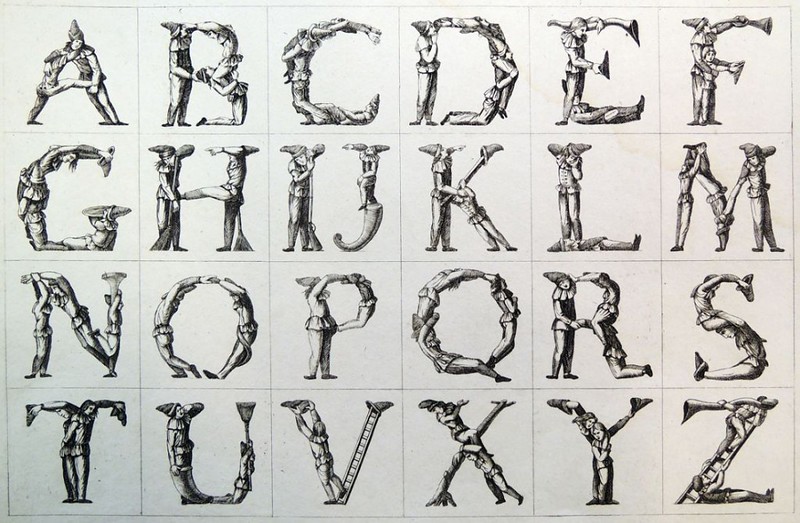
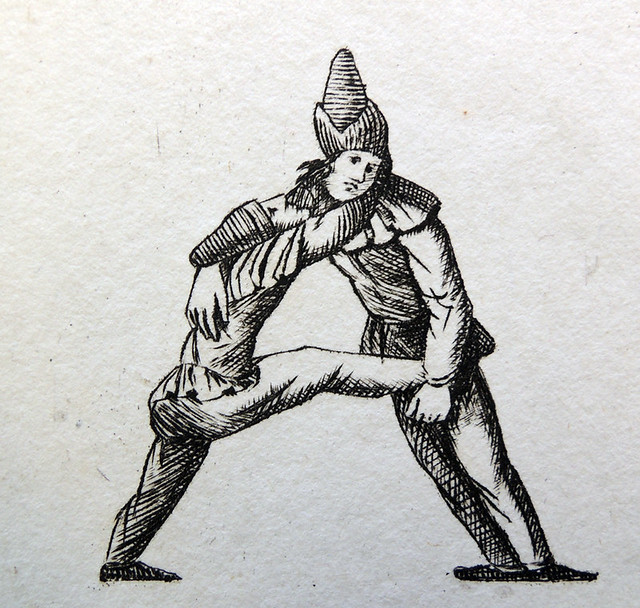
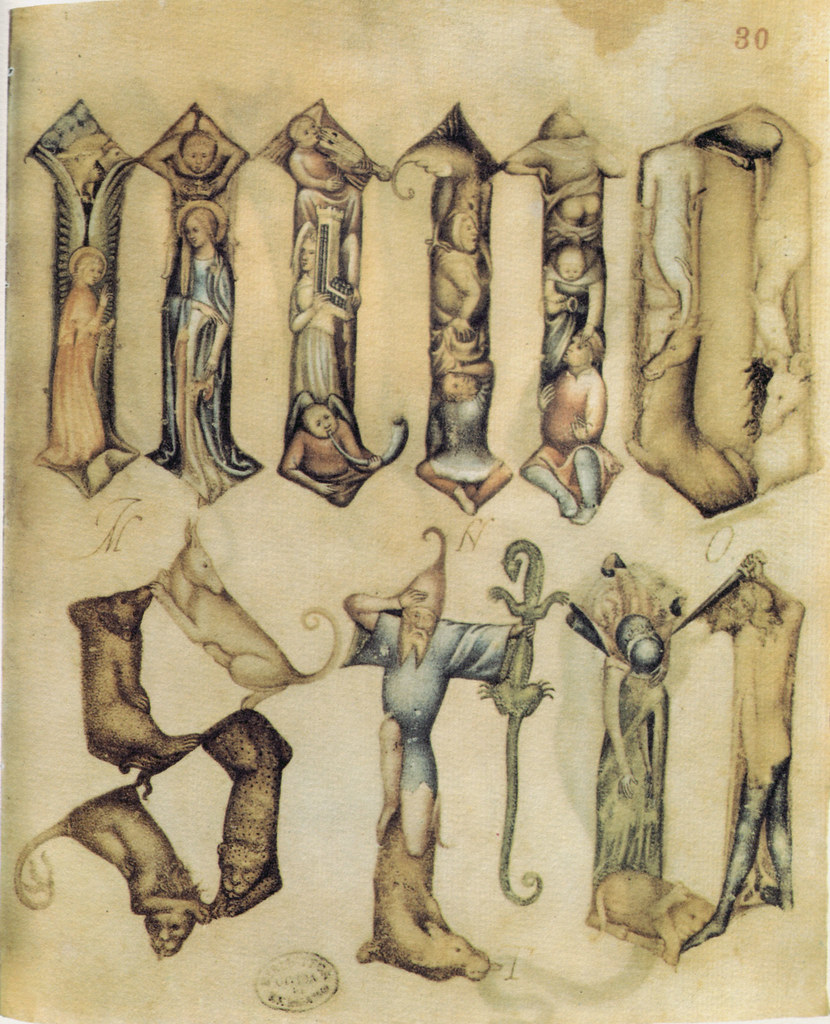
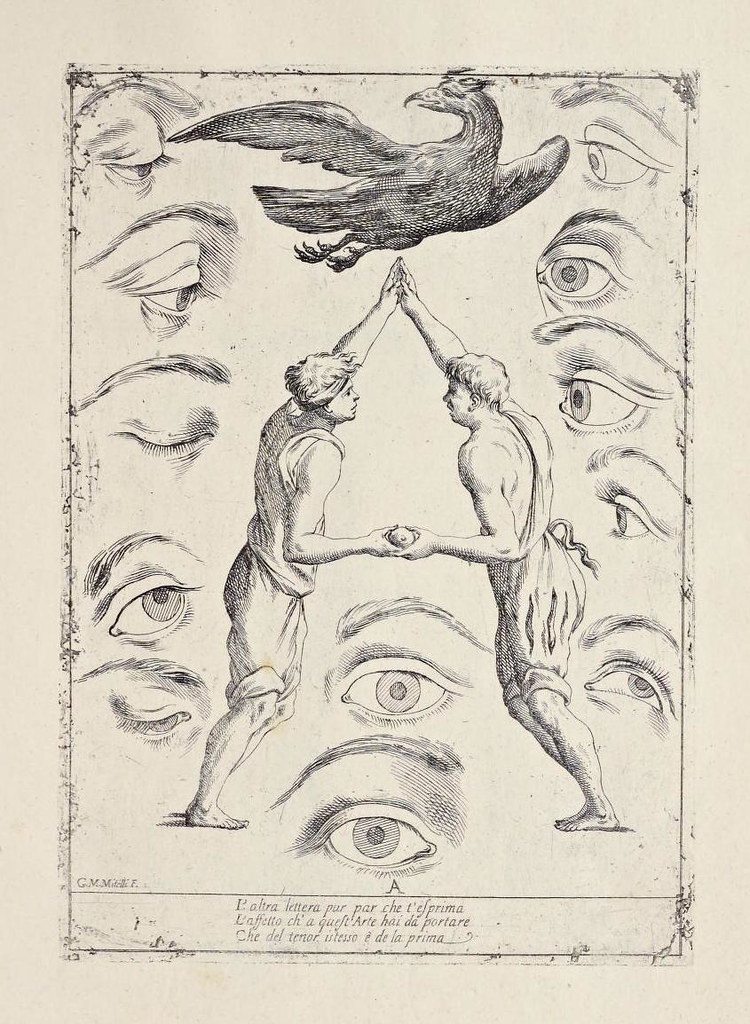
There is arguably nothing more human than the alphabet, given that language, and particularly written language, often tops the list of qualities which distinguish our dear species most distinctly from others. To form the letters of these alphabets using the human body is then, perhaps, not so strange a leap, and, in fact, seems to be rather appropriate. In their own varied ways artists and scribes have been doing it for centuries. Below we’ve collected some highlights of the many twists and turns of the human font.

Varied, see sources.
Zoe Typelark / Io9 / Spamula.net / Sotirios Raptis
Underlying Work: PD Worldwide | Digital Copy: Varied, see sources.
Download: Right click on image or see source for higher res versions
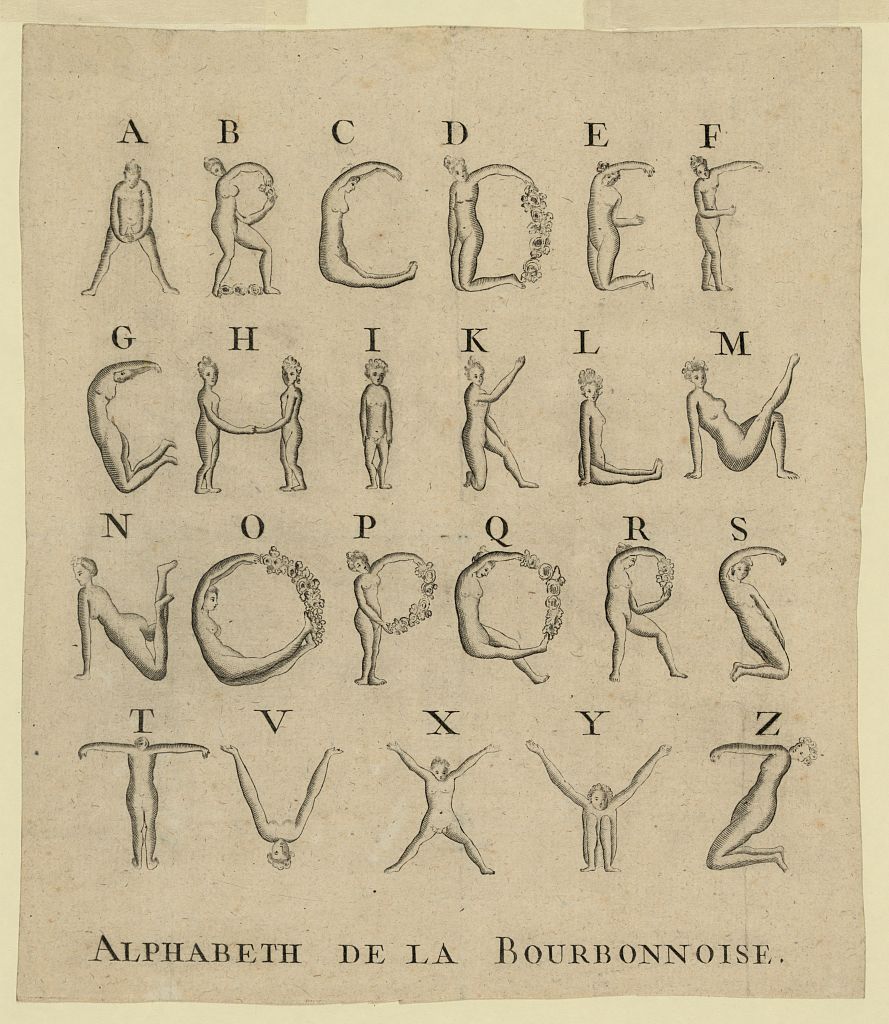
Alphabeth de la Bourbonnoise
 human alphabet
Alphabeth de la Bourbonnoise (1789) — Source.
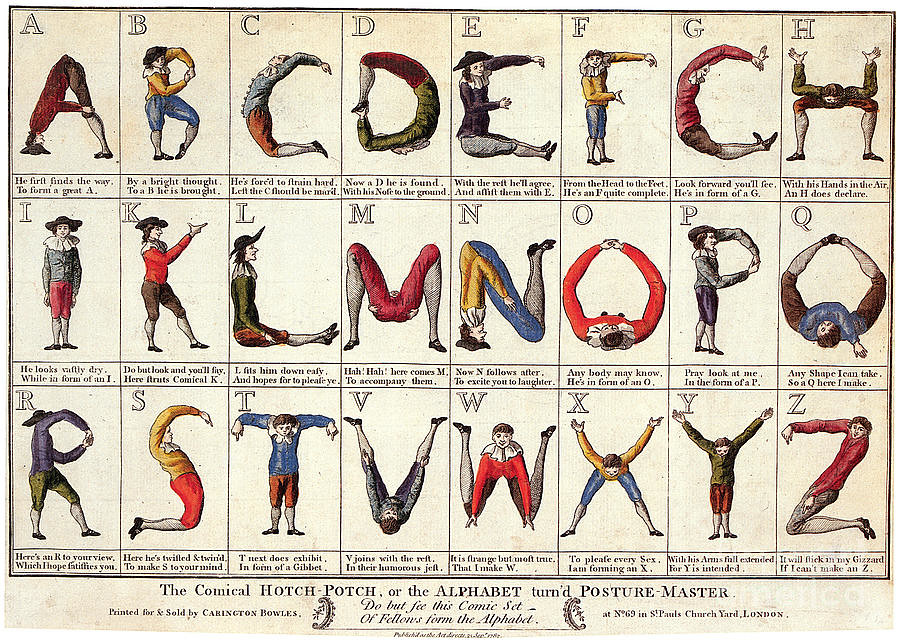
The Comical Hotch Potch, or The Alphabet turn'd Posture-Master, 1782 human alphabet
The Comical Hotch Potch, or The Alphabet turn’d Posture-Master (1782) — Source.
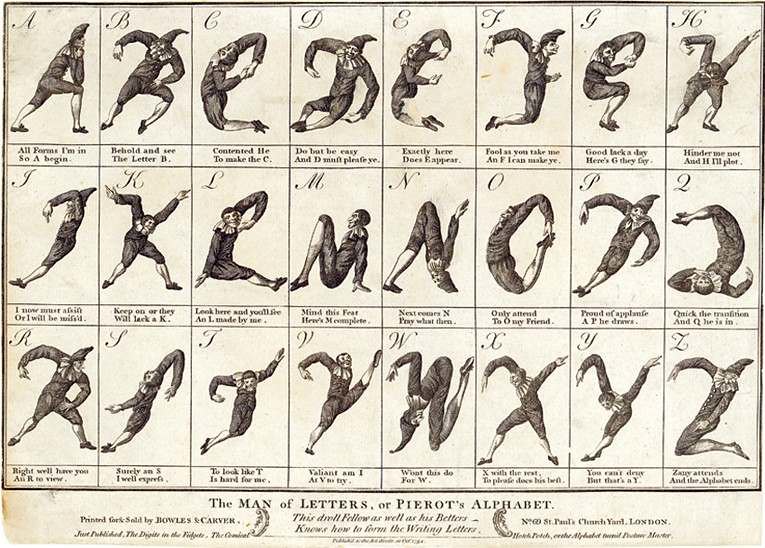
The Man of Letters or Pierrot's Alphabet (1794)
The Man of Letters or Pierrot’s Alphabet (1794) — Source.
Page from a Tudor pattern book, (ca. 1520) human alphabet
Page from a Tudor pattern book, (ca. 1520) — Source.
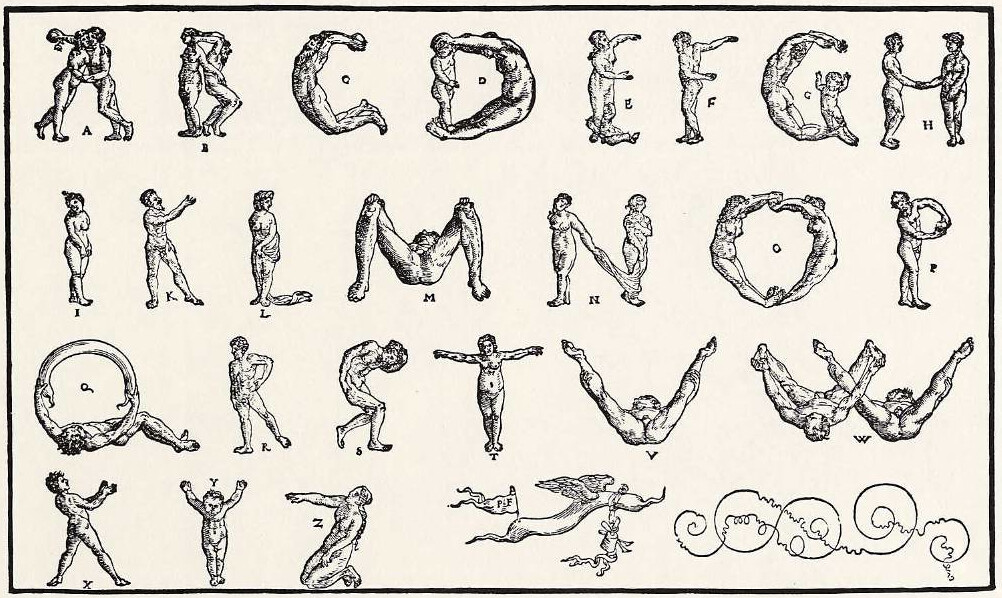
Peter Flötner's Human Alphabet
Peter Flötner’s “Human Alphabet” (1534) — Source.
dsdsd
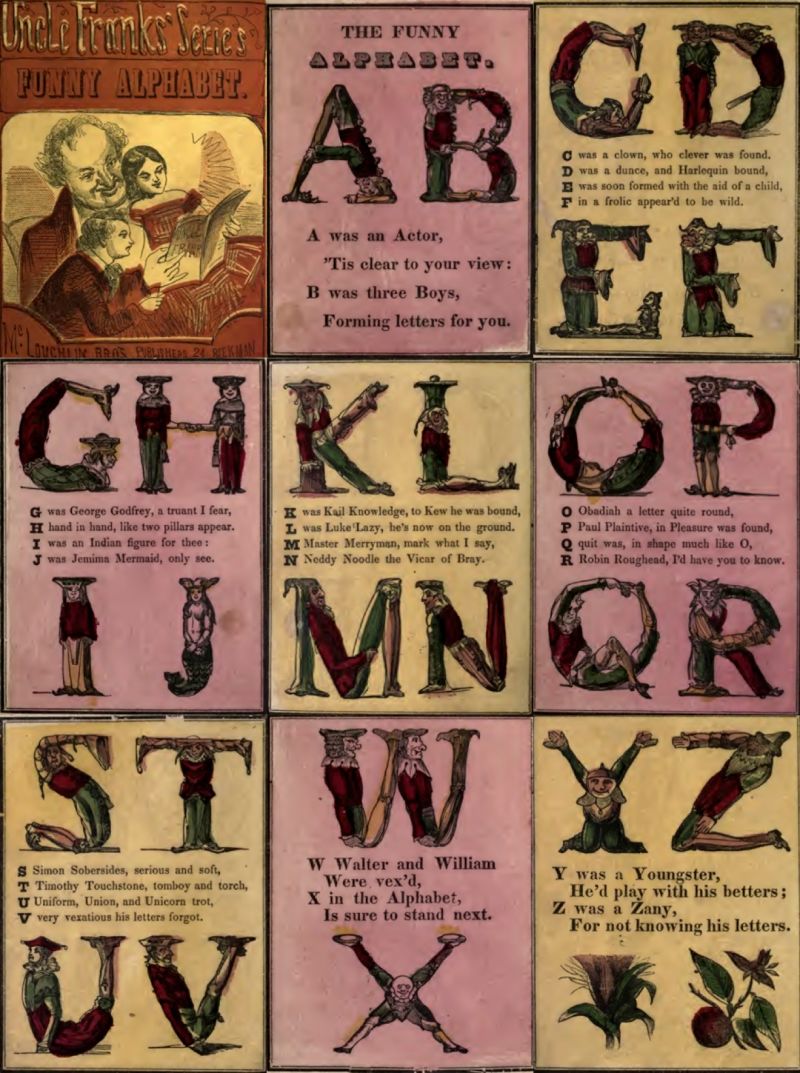
Pages from The Funny Alphabet (ca.1850) — Source.
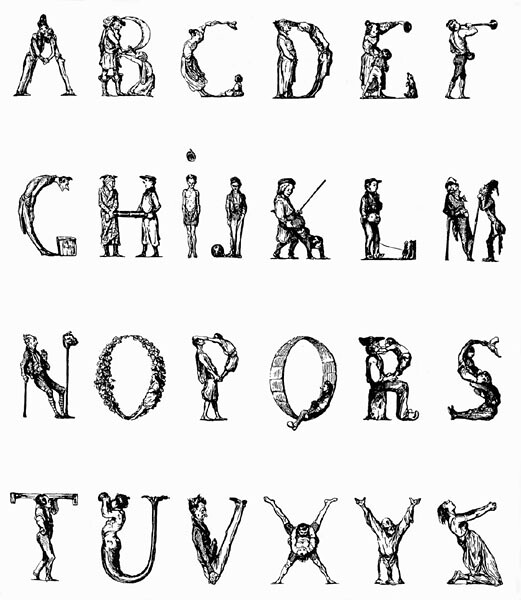
Honoré Daumier's comic alphabet (1836) — Source.
Honoré Daumier’s comic alphabet (1836) — Source.
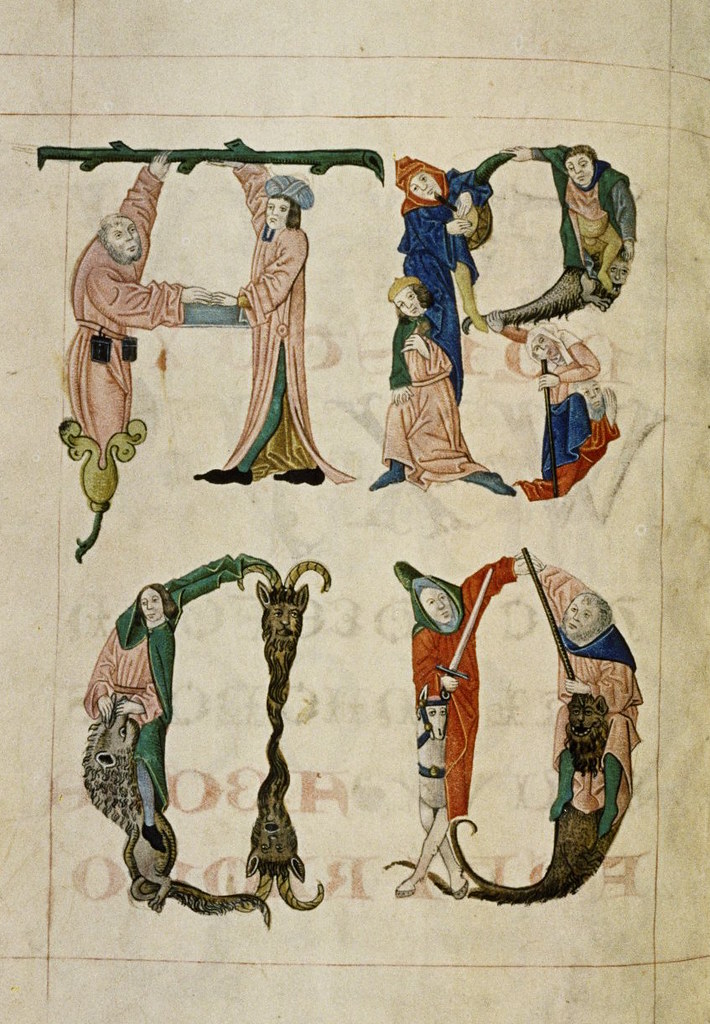
Page from the Horae ad usum Parisiensem (1475-1500)
Page from the Horae ad usum Parisiensem (1475-1500) — Source.
dsdsd
Attributed to Lampridio Giovanardi (1811-1878), Anthropomorphic or Posture Master Alphabet (ca. 1860)Source.
Detail from above.
Detail from above.
dsdsd
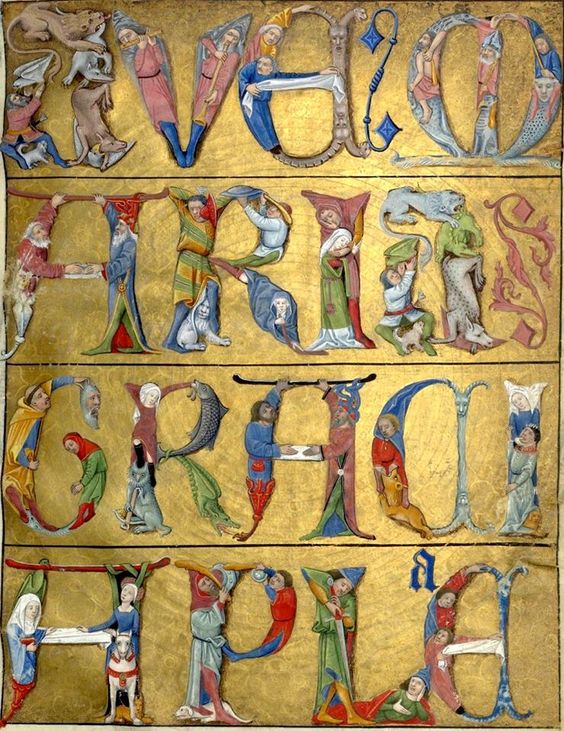
Part of the painted alphabet of Giovannino de’ Grassi (d. 1398) — Source.
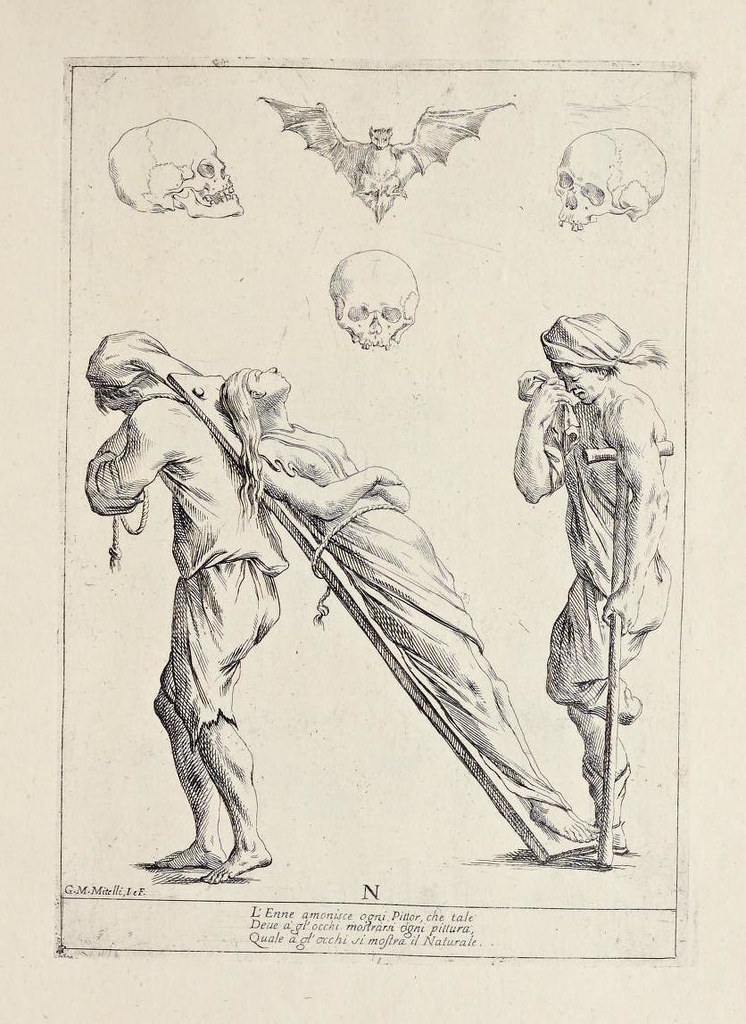
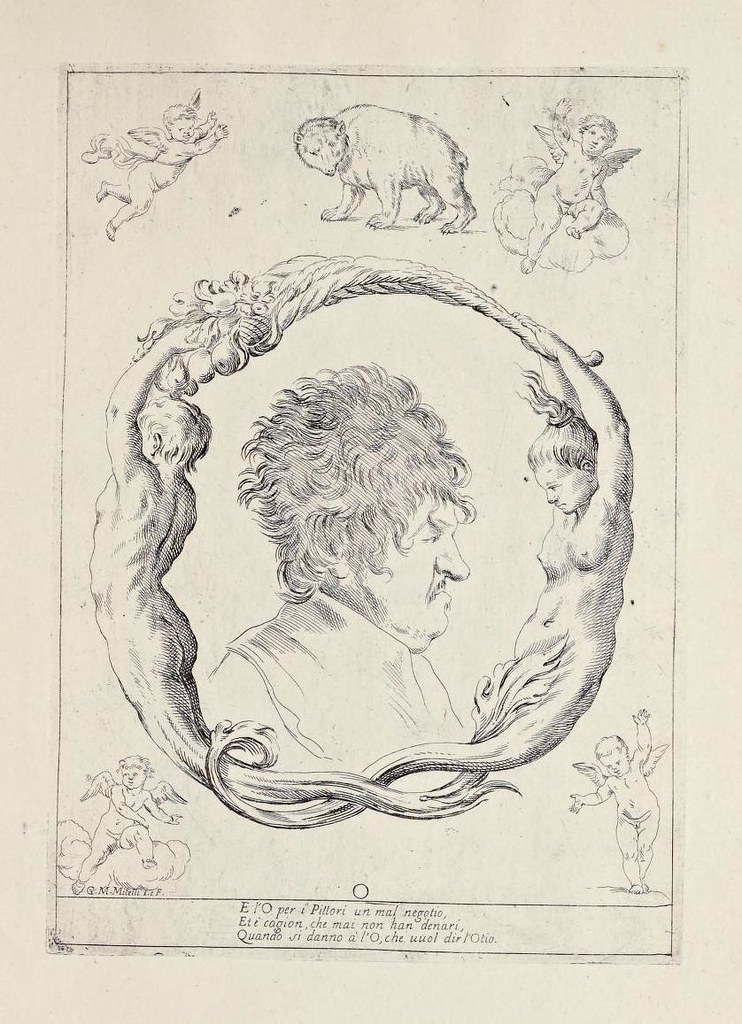
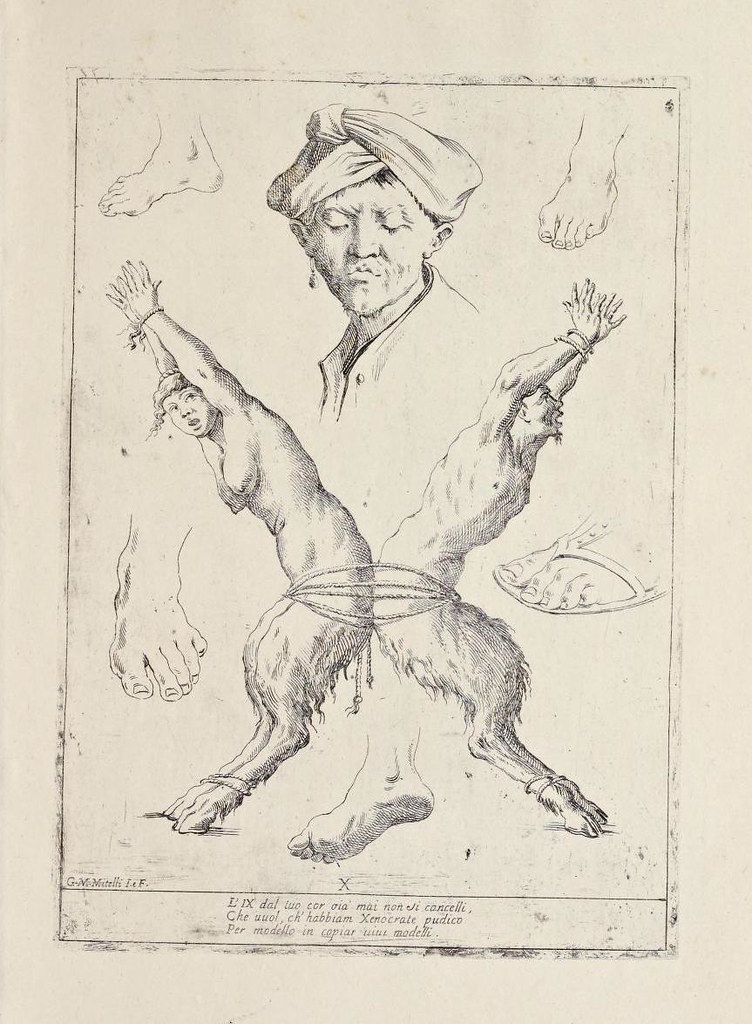
Pages from Alfabeto in sogno (1683) by Giuseppe Maria Mitelli. The title translating as Dream Alphabet
.
 Alfabeto in sogno (1683) by Giuseppe Maria Mitelli. The title translating as Dream Alphabet
.
 Alfabeto in sogno (1683) by Giuseppe Maria Mitelli. The title translating as Dream Alphabet
.
Pages from Alfabeto in sogno (1683) by Giuseppe Maria Mitelli. The title translating as Dream Alphabet
Pages from Alfabeto in sogno (1683) by Giuseppe Maria Mitelli. The title translates as Dream Alphabet — Source.
dsds
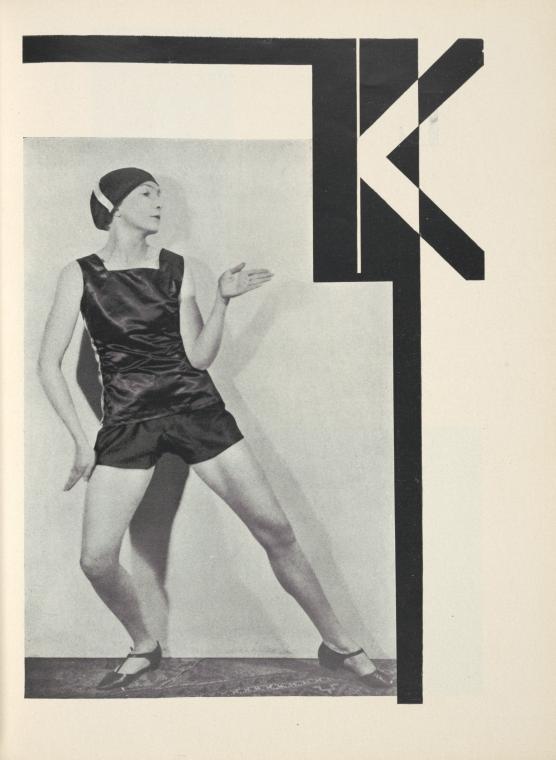
Choreographic interpretation of the letter “K”, photographed from the book Abeceda (1926) — Source.

Saturday, May 4, 2019

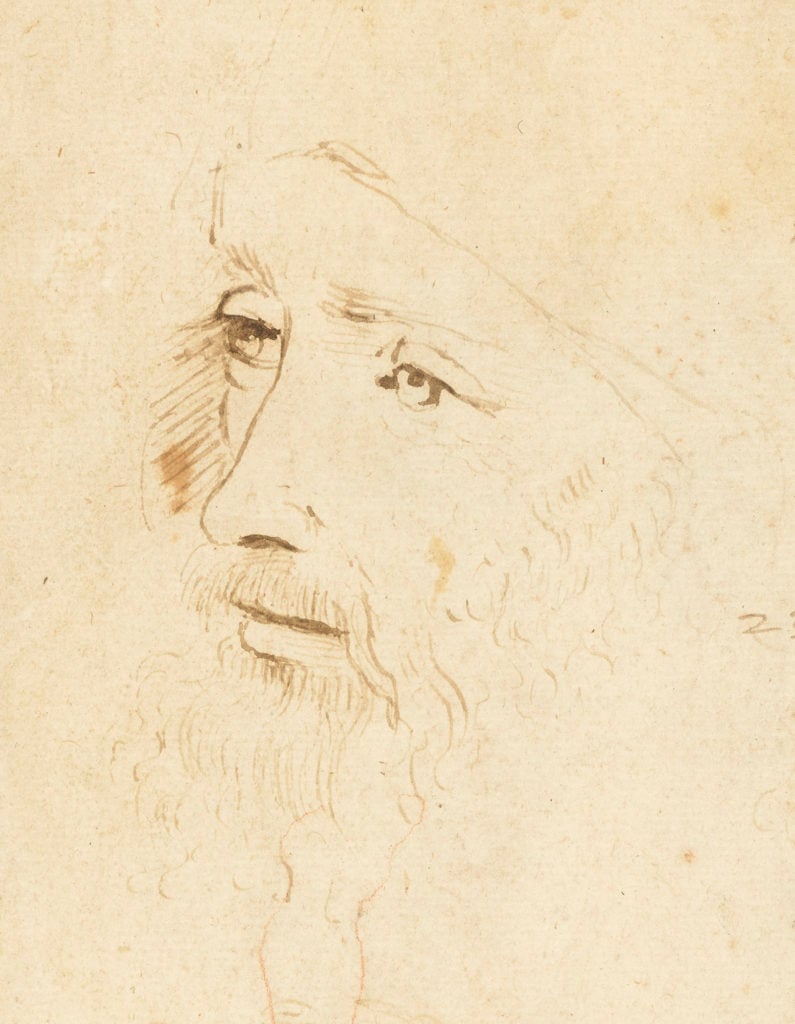
Second Known Portrait of Leonardo da Vinci, Made Just Before His Death


Scholars Say They Have Discovered the Second Known Portrait of Leonardo da Vinci, Made Just Before His Death

The figure's beard—a rare fashion at the time—was a major tip-off.
A sketch of Leonardo da Vinci, around 1517–18, by an assistant of Leonardo. Royal Collection Trust / © Her Majesty Queen Elizabeth II 2019.
The world’s second-known portrait of Leonardo da Vinci has been unearthed. For years, the Old Master drawing of an unknown bearded man has belonged to the British Royal Family. The identity of the sitter was unknown until the head of prints and drawings of the Royal Collection took a closer look. The telltale clues to the elderly man’s true identity included his “luxuriant” but unfashionable facial hair and the shape of his nose.
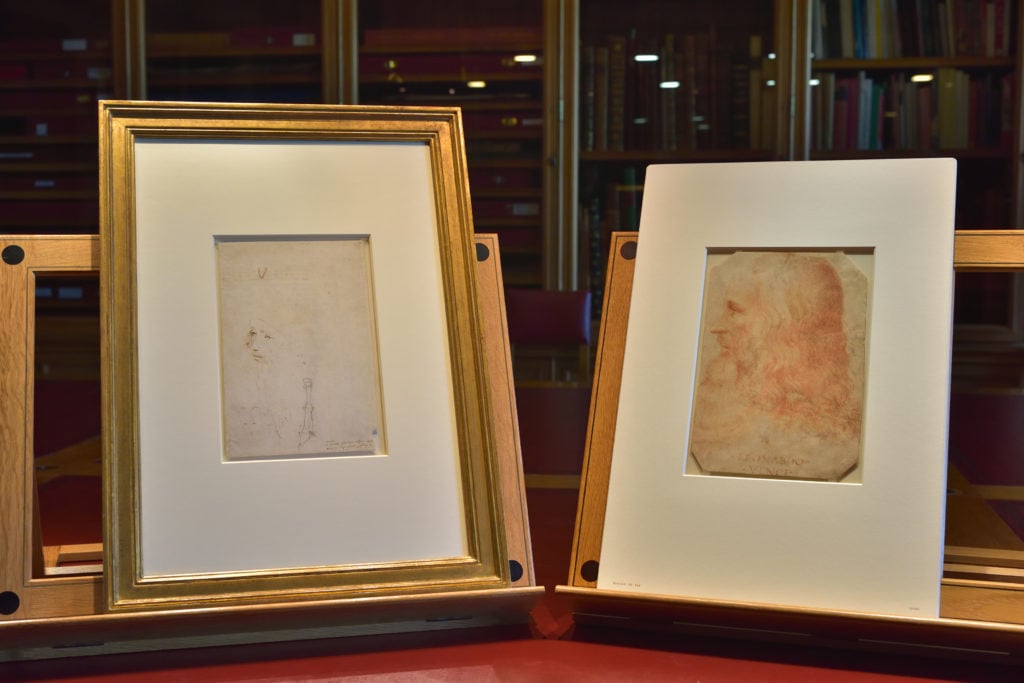
The three-quarter profile of a bearded man is believed to have been made by an assistant to Leonardo shortly before the artist’s death in 1519. The casual depiction is on a piece of paper that also has a sketch of a horse leg on it, part of a group of studies made for an equestrian monument that the King of France commissioned Leonardo to create.
The drawing will go on display later this month as a part of the exhibition “Leonardo da Vinci: A Life in Drawing,” which opens May 24 at the Queen’s Gallery at Buckingham Palace. The show is one of the headliners in a year of celebrations going on Europe-wide to commemorate the 500th anniversary of the Renaissance man’s death.
<i>A sketch of Leonardo, the head of a youth, and a horse's legs</i>, and <i>A portrait of Leonardo</i>, attributed to Francesco Melzi, in the Print Room, Windsor Castle. Royal Collection Trust. Copright Her Majesty Queen Elizabeth II 2019.
A sketch of Leonardo, the head of a youth, and a horse’s legs, and A portrait of Leonardo, attributed to Francesco Melzi, in the Print Room, Windsor Castle. Royal Collection Trust. © Her Majesty Queen Elizabeth II 2019.
The drawing was first noticed by Martin Clayton, head of prints and drawings at the Royal Collection Trust, when he was preparing works from Windsor Castle for the show of around 200 works.
Clayton says that the features of the portrait bear strong similarities to the only other known drawing of Leonardo, one by Italian painter Francesco Melzi. “Leonardo was renowned for his well-kept and luxuriant beard at a time when relatively few men were bearded—though the beard was rapidly coming into fashion at this time,” says Clayton.
His “elegant straight nose,” beard shape, and “a ringlet falling from the mustache at the corner of the mouth and long wavy hair” were among the attributes of the image that tipped Clayton off.
Leonardo would have been around the age of 65 at the time he the portrait was made. Clayton noted in a statement that the artist “appears a little melancholy and world-weary.”
“Leonardo da Vinci: A Life in Drawing” will be on view at The Queen’s Gallery, Buckingham Palace, London from May 24 through 13 October 13, 2019.

Follow artnet News on Facebook: 
 
Want to stay ahead of the art world? Subscribe to our newsletter to get the breaking news, eye-opening interviews, and incisive critical takes that drive the conversation forward.
SHARE