Friday, August 4, 2017

Cindy Sherman Just Made Her Instagram Account Public and It’s Amazing

Cindy Sherman Just Made Her Instagram Account Public and It’s Amazing

The artist quietly made her account public, raising the question: can her posts be considered new work?
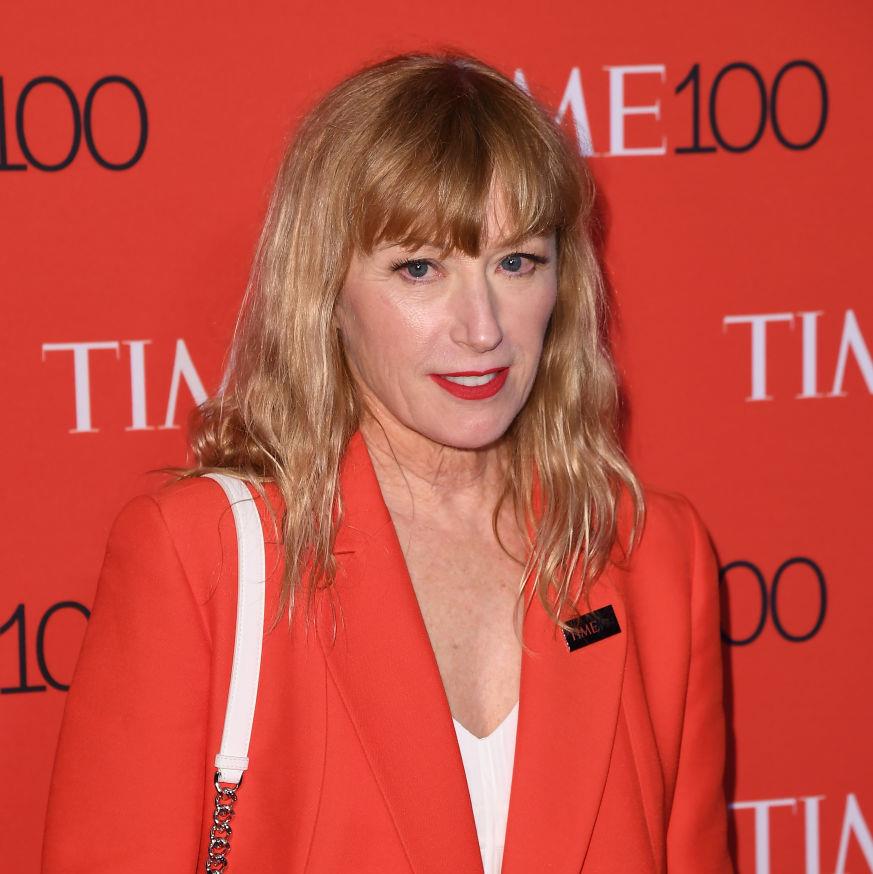
Cindy Sherman. Image Courtesy ANGELA WEISS/AFP/Getty Images.
Before the age of social media and its painstakingly sculpted personae, Pictures Generation artist Cindy Sherman had already established herself as the art world’s reigning queen of self-reinvention, using the camera to morph into one character after another. Though her works are technically not self-portraits, Sherman’s method of turning the lens onto herself is uncannily appropriate to our times, in which the stage-managed selfie has become so ubiquitous that it’s now fodder for exhibitions and often cited as an art form in itself.
For an artist whose practice is based almost entirely on how she presents herself, Sherman has managed to remain camera-shy in her life outside of the studio. Yet, in a surprising move, the photographer has recently taken to Instagram to share images of herself that echo photographs typically reserved for gallery walls. Not only does this provide a generous look into her process for her fans, it also raises the question: Is Cindy Sherman using Instagram to make new work? After all, Richard Prince applied his appropriation-art approach to Instagram to acclaim, heated controversy, and profit—why shouldn’t Sherman embrace the medium as well?
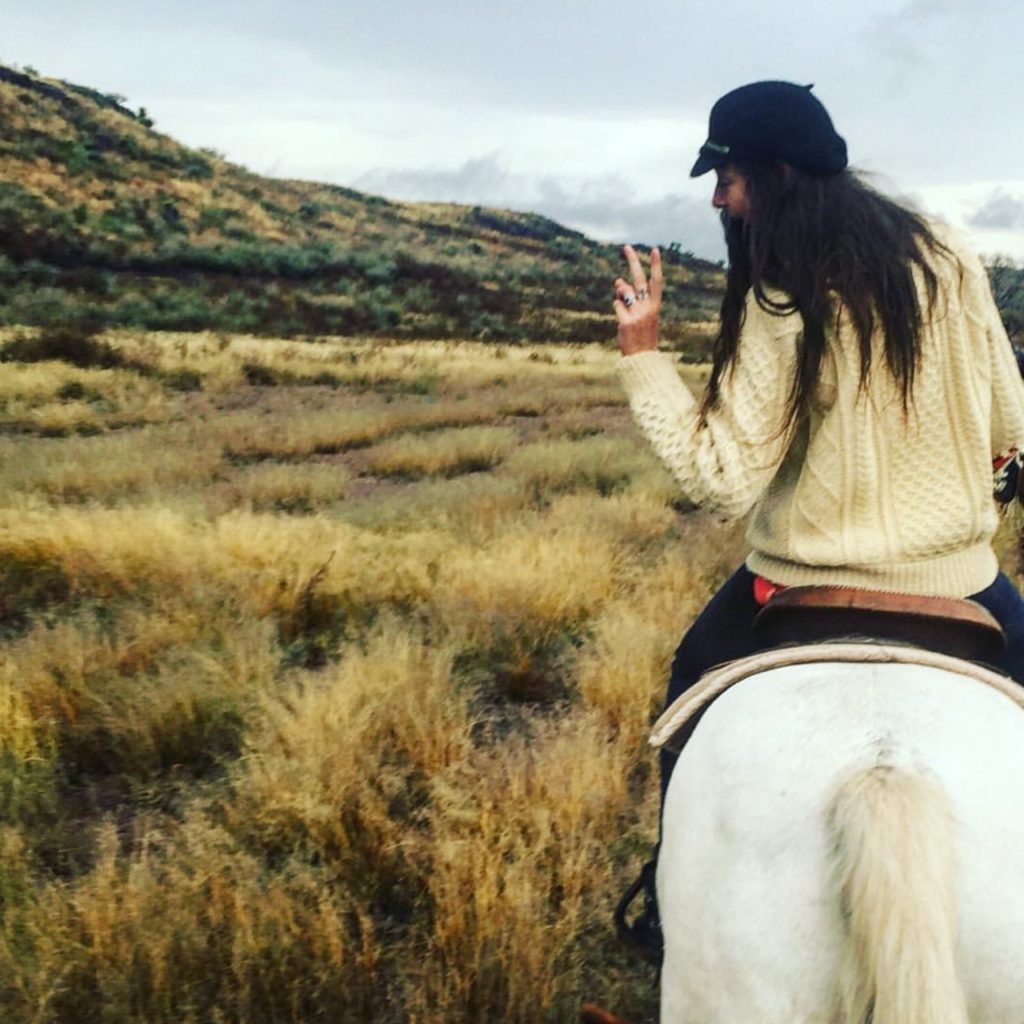
The account, which mysteriously switched from private to public in recent months, is a mix of personal photos alongside Sherman’s ever-famous manipulated images of herself. (While the account is not verified with Instagram’s official blue check mark, artnet News understands that it is authentic.) The eerie images of herself began appearing in mid-May; the first one carries the caption, “Selfie! No filter, hahaha.”
What we see here is somewhat of a departure from the artist’s traditional model: the frame is tighter and closer to her face, in what is clear use of a phone’s front-facing camera. Plus, the subject matter is decidedly intimate in comparison to her usual work—the latest posts document a stay in the hospital. She may even be having fun with filters.
Take a peek below at a selection of images from the account. Whether they constitute a new series or not, the images provide a heady glimpse into the life and mind of the artist.
PUBLICIDADE

Follow artnet News on Facebook.


SHARE

Now Dubbed ‘Okey Dokey,’ a Viral New Collaborative Gallery Model Spreads to Germany

Now Dubbed ‘Okey Dokey,’ a Viral New Collaborative Gallery Model Spreads to Germany

Inspired by Condo, the latest iteration of the co-op phenomenon is coming to the Rhineland.
Logo. Courtesy Okey Dokey.
As the slew of recent closures in New York, London, and Berlin show, existing market models are becoming increasingly unsustainable for mid-sized galleries. The costs associated with participation in major art fairs are often prohibitive for middle-market dealers, who have to sell out the booth to even come close to breaking even.
Like fellow dealers in London and New York, gallerists based in Germany’s Rhineland region are searching for alternatives through collaboration, and have launched a new gallery-share initiative called Okey Dokey, set to take place in September. Initiated by with-it galleries Jan Kaps, Max Mayer, and Ginerva Gambino, Okey Dokey will bring out-of-area galleries together at nine different spaces in Düsseldorf and Cologne.
Over a decade ago, one could argue that Berlin led the path in the search for new models with the launch of Berlin Gallery Weekend; lacking a strong fair, the format had proven successful in bringing collectors to a city without a significant collector base. Now, when even collectors are fatigued with too much traveling, dealers are finding new ways to come to them.
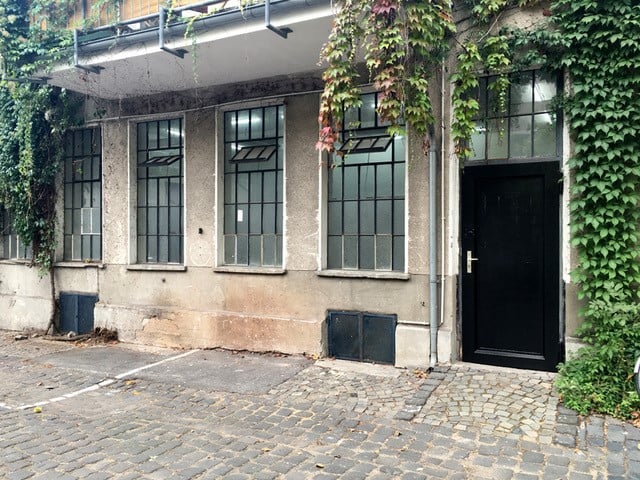
View of Ginerva Gambino gallery from outside, courtesy Ginerva Gambino.
These kind of co-operative setups, similar to Vanessa Carlos‘s Condo, are thriving. With Condo, which is just finishing up a successful New York debut and is in development for iterations in Shanghai and Mexico City, Carlos initiated a model in which galleries temporarily lend their spaces to foreign dealers, pooling resources and sometimes collaborating on exhibitions.
PUBLICIDADE
Okey Dokey co-organizer and Ginerva Gambino founder, Laura Henseler, discussed the striking name for the new platform with artnet News. It might call to mind the late Konrad Fischer, the influential German dealer who changed the game for contemporary art galleries when he opened his Düsseldorf gallery in 1967. “It is true that the name references Fischer’s infamous catch phrase,” Henseler conceded, “though the intent behind it was not necessarily to reference him specifically but rather the Rhineland’s longstanding tradition of collaboration and exchange.”
The handle embodies the region’s can-do attitude well. Düsseldorf and Cologne enjoyed an industrial boom after the war and became important centers for contemporary art; the Rhineland is now home to an abundance of museums, galleries, and kunstvereins, as well as solid and savvy collectors.
The region’s cultural cornucopia is what makes the project viable: it draws mid-market dealers from elsewhere who want access to the Rhineland’s collector base but might not be able to join the local art fair, Art Cologne.
Speaking to artnet News, the organizers of Okey Dokey said that in addition to Condo, their platform was modeled after other projects, too, such as the Köln Show, which took place in Cologne in 1990 and was also organized by nine galleries without institutional help.
“The Rhineland, with all its institutional structures, its history and important collections, has always been a supportive place for emerging art,” co-founder Jan Kaps told artnet News. “Introducing our colleagues to these structures was a key point.”
“It’s quite an honor to welcome so many galleries and spaces with such unique programming,” he added. “More important is probably the idea of collaborating on an actual show, to share thoughts and content, as well as the idea of taking the visitor back to the actual gallery space,” he went on.
Jan Kaps’s eponymous gallery on Cologne’s Jülicher Strasse, will host Weiss Falk from Basel and Edoaurd Montassut from Paris. Adding to the already impressive range of Okey Dokey, Jan Kaps will also host young Viennese publishing house, Sax Publishers, which develops its publications in close collaboration with artists.
Also in Cologne, Henseler’s 35-square-meter emerging-art space will be hosting Ilaria Leoni’s Ermes Ermes gallery from Vienna/Rome, Paul-Aymar Mourgue d’Algue’s Geneva gallery Truth and Consequences, and Fiona Bate’s Sandy Brown, from Berlin. Like Ginerva Gambino, the foreign visitors have forgone the tradition of naming their spaces after their founders, and are fitting matches for Henseler’s upstart space. Together, they will curate a show on domesticity. What exactly we can look forward to seeing is still in the works, but Bate is set to bring pieces by Timothy Davies.
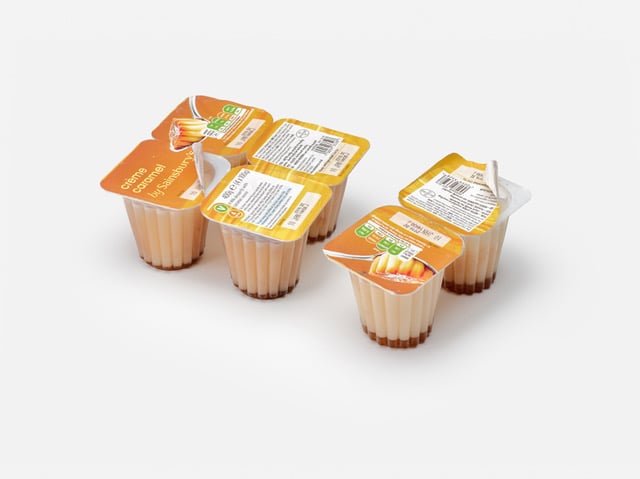
Timothy Davies, Creme Caramels (VI), (2016). Image courtesy Sandy Brown
Fifty kilometers to the North, in Düsseldorf, Max Mayer is getting ready to host New York’s Miguel Abreu Gallery, which will bring works by Rey Akdogan, as well as galleries Misako & Rosen, and Arcadia Missa.
Tokyo gallery Misako & Rosen will bring an ephemeral installation by Irish artist Fergus Feehily. Gallery director Jeffrey Rosen told artnet News that pressures facing Tokyo galleries are slightly different to those abroad. Galleries over there have a low overhead, but those gains are neutralized by the lack of exposure that comes from operating in a country without a strong culture of collecting contemporary art.
“Based in Tokyo, with a very limited market for contemporary art, we have been forced to be resourceful,” he said. “One of our most important strategies has been to partner with like-minded colleagues in similarly peripheral positions within the international art ecosystem and also to offer our support to alternative models to the standard art fair.”
Also visiting Max Mayer will be Rosza Farkas’s gallery, Arcadia Missa. Opened in the wake of the recession as non-profit project space, the gallery went commercial in 2014. When asked why she chose to participate in Okey Dokey, Farkas told artnet News: “For me it wasn’t a market decision, more that I think it’s great for one of my artists to have exposure in another space and a country where they aren’t as well-known.”
The gallery has participated in both editions of Condo and its history as a non-commercial space means Farkas is no stranger to collaboration. “Condo in London has shown that an organized approach to collaboration brings us new audiences, so when Max contacted me I of course immediately liked the idea,” said Farkas. She will be bringing work by Phoebe Collings-James, who has a solo exhibition opening the same weekend in New York’s 315 Gallery.
The sense of camaraderie among the gallerists of Okey Dokey provides a contrast to the fierce competition typically associated with the commercial art sphere. There’s a surprising eagerness to collaborate, which Laura Henseler explained, is nothing new: “Everyone involved regularly shares their experiences and opinions, and works together in one way or another. One side of Okey Dokey is to make these relationships visible and to expand them.”
Whether the future for mid-sized galleries lies solely in collaborative models like this has yet to be established. artnet News posed the question to the organizers of Okey Dokey, who didn’t see co-operative models as a viable alternative to having one’s own gallery, merely an important addition.
“Like on so many other levels, for example programming, galleries need to both have an eye on the local scene, and an awareness of the national and international discourses in which they embed their program,” said Max Mayer. “Galleries are in that sense an unavoidable exchange place between the local and global. What Okey Dokey does, is give an internationally relevant project a locally specific form.”
The timing of Okey Dokey’s preview weekend comes just before the beginning of Berlin Art Week, but for anyone wondering if the organizers were hoping to capitalize on international art collectors in the country for the more established event, Henseler assured us that the dates are coincidental; galleries in Germany have always opened in early September.
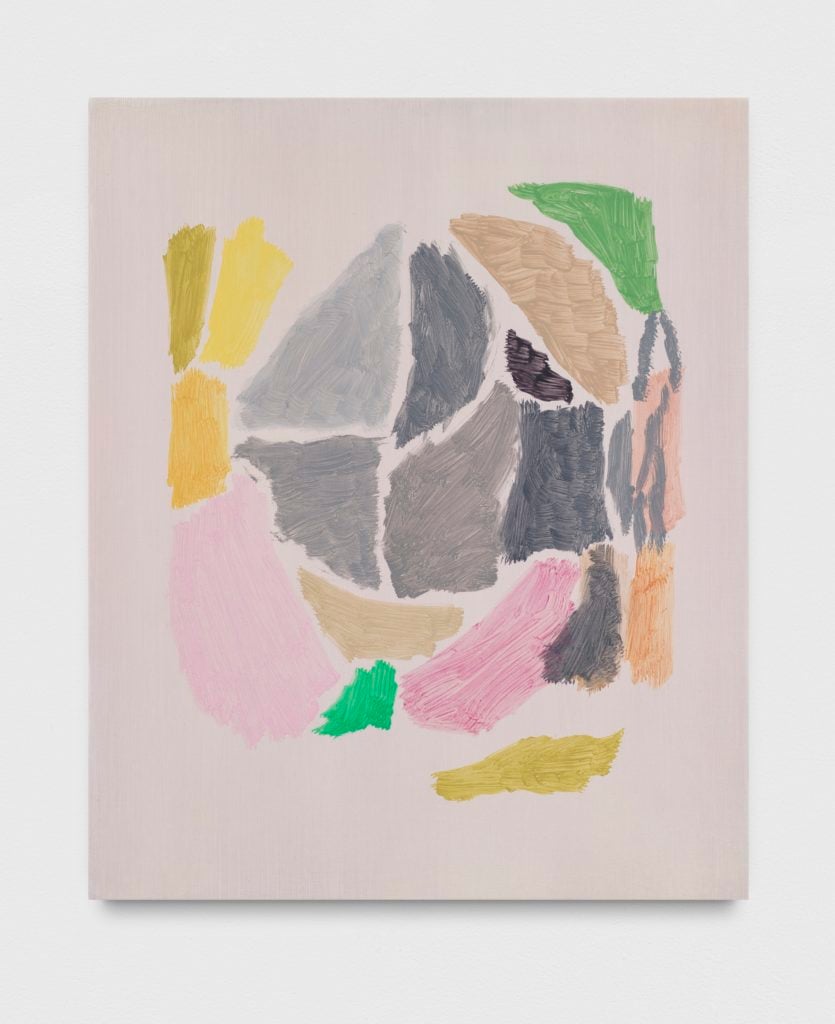
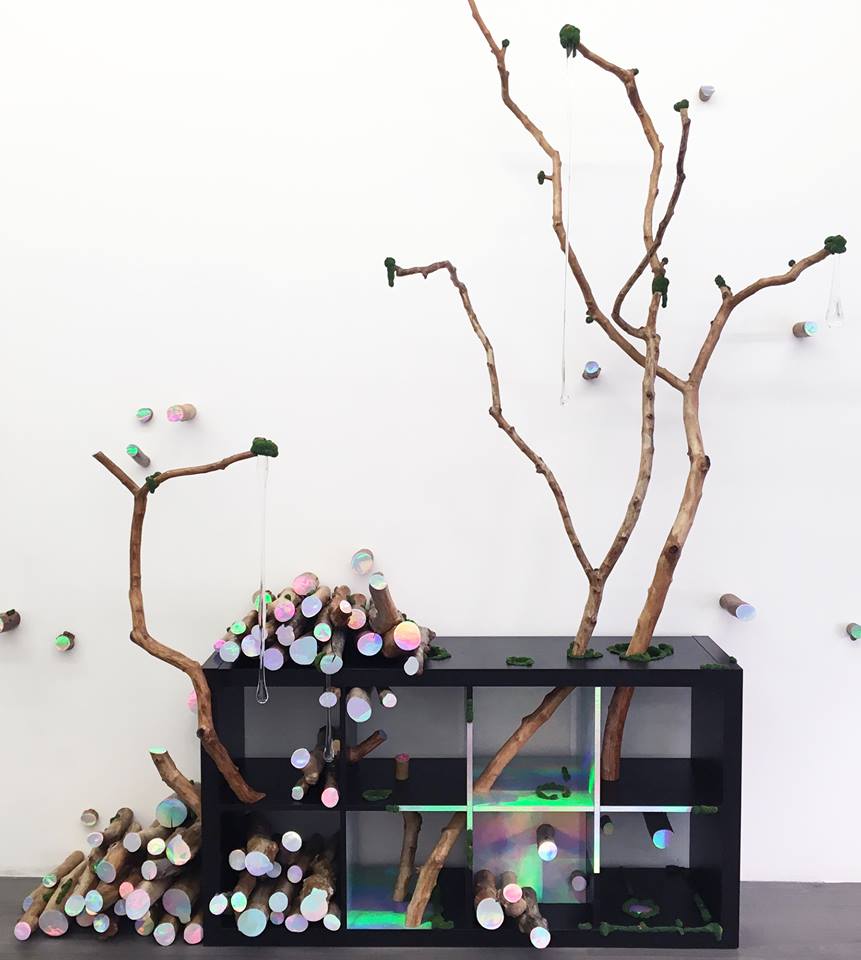
Fergus Feehily, Long Hall (2017). Photo: Trevor Good, courtesy of MISAKO & ROSEN.
All considered, the nod to Konrad Fischer in the project’s name is fitting. From the get-go, Fischer brought American artists like Bruce Nauman and Carl Andre to Europe for the first time. Unwilling to wait around for more established arbiters of taste to set trends, he made sure galleries, and indeed the Rhineland itself, made their own context in the art world.
Okey Dokey will run September 8 – September 30. See the full list of galleries participating, and some examples of the artwork below.
Delmes & Zander, Cologne
hosts
Neue Alte Brücke, Frankfurt
Galerie 1900-2000, Paris
Drei, Cologne
hosts
Kirchgasse, Steckborn
Lulu, Mexico City
Park View, Los Angeles
Ginerva Gambino, Cologne
hosts
Ermes Ermes, Vienna/Rome
Truth and Consequences, Geneva
Sandy Brown, Berlin
Lucas Hirsch, Düsseldorf
hosts
Stereo, Warsaw
Lomex, New York
Jan Kaps, Cologne
hosts
Weiss Falk, Basel
Edouard Montassut, Paris
Sax Publishers, Vienna
Linden, Düsseldorf
hosts
(tba)
Max Mayer, Düsseldorf
hosts
Arcadia Missa, London/New York
Miguel Abreu Gallery, New York
Misako & Rosen, Tokyo
Studio for Propositional Cinema, Düsseldorf
and Barbara Rüdiger
host
Anna Sophie Berger 
Rob Tufnell, Cologne
hosts
Tanya Leighton, Berlin
Follow artnet News on Facebook.
SHARE


Article topics

Galleries | Sorry, We’re Closed: Dealers Explain the Painful Process of Shutting Down an Art Gallery

Sorry, We’re Closed: Dealers Explain the Painful Process of Shutting Down an Art Gallery

So you want to shut down your gallery. What happens next?
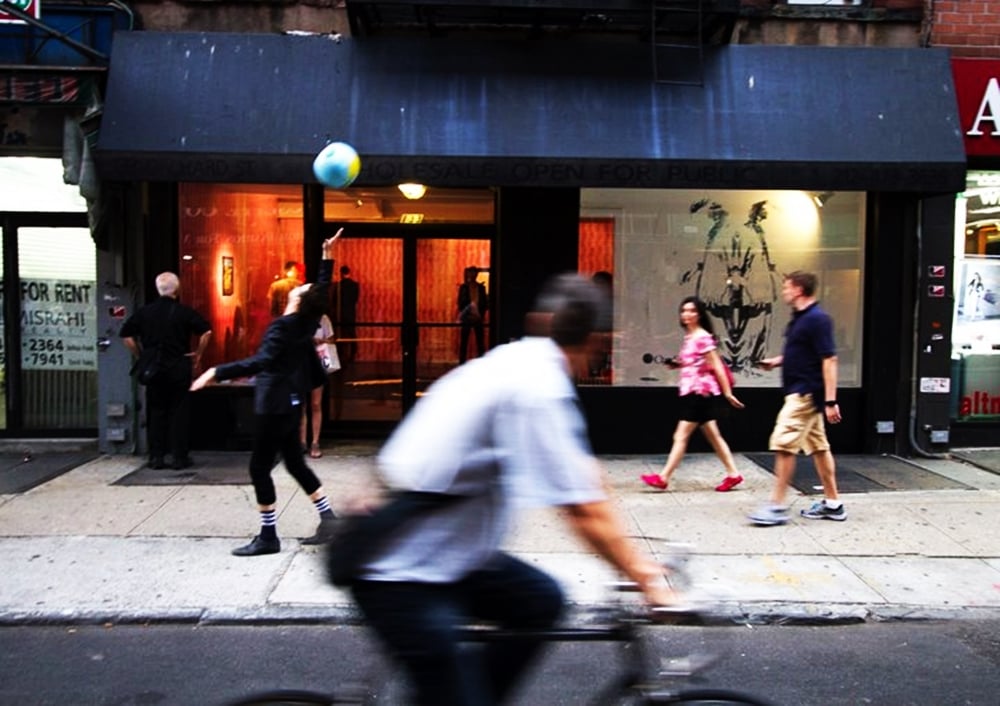
Outside of the former gallery On Stellar Rays, Lower East Side, NYC.
Outside of the former On Stellar Rays space in New York's Lower East Side. Image courtesy of the gallery.
First come the long, uncomfortable phone calls with artists. Then comes the packing of the inventory. Finally, you have to figure out what to do with all those boxes of archival material in your basement.
The process of closing an art gallery is as unique as the business of art dealing itself. In recent years, dozens of mid-size dealers have closed up shop amid rising rents, punishing art-fair schedules, and increased competition from mega-galleries. But when your business is all-consuming, what happens when you decide to shut it down?
artnet News surveyed a number of New York dealers who have changed course in recent years. Some of them have joined larger galleries, opened non-profit spaces, or begun to deal privately; others have left the art business altogether. What’s clear is that there is no one-size-fits-all solution.
The decision to close is “never taken easily, because when you are a gallery that sells emerging artists, that means you’re at least half an idealist,” says Jimi Dams, the founder of the Lower East Side gallery envoy enterprises, which announced plans to close last month. “In my case, I was 100 percent.”
For every dealer, however, one thing is clear: Closing a gallery is a much more significant life change than moving from one 9-to-5 job to another.

Making the Transition

One reason shutting down can be difficult, gallerists note, is that the dealer is not the only one affected. The decision also disrupts the lives of artists, employees, and other associates.
“It is a full-on transition, and I find myself very fortunate to be able to afford and to choose to make the transition,” says Andrea Rosen, the longtime gallerist who announced that she would stop representing living artists in February to focus on managing the estate of Felix Gonzales-Torres. “While it goes through emotional stages for everybody involved, we all did our very best to try and wrap up projects with artist, and make sure everyone had time to plan.”
Andrea Rosen Gallery closed
Andrea Rosen in 2010.
Photo ©Patrick McMullan.
After making the decision and notifying his artists, Dams entered into what he describes as the “third chapter”: “Where they all are asking to please not close because they have no other place to go.” Then, he began to send back inventory to the artists. “That also takes a very long time because of course some of the artists will stretch the process as long as possible in the hopes that maybe you will change your mind,” he says.
Dams understands this ordeal better than most. He got a crash course in unwinding a longstanding gallery in 2014, when his close friend Hudson, the founder of legendary New York space Feature Gallery, died. As his acting power of attorney, Dams helped shut down Feature before beginning the process himself. “Just to give you an idea, I have 275 boxes in my basement with archives and material that I need to go through now” left over from Feature Gallery, he says.

Unwinding the Artist Roster

Mike Weiss, who closed his 13-year-old Chelsea gallery late last year due in part to the nightmare construction of a ten-story luxury condo next door, says an important part of the process is speaking to both artists and collectors about where they might go next. “We’re willing to get together, talk about the future, make recommendations,” he says. “I’ll help you with shows and if you need all the names of people who bought your work, we’re happy to provide.”
Mike Weiss. Courtesy Mike Weiss.
Melissa Bent closed Rivington Arms—considered among the first darlings of the Lower East Side scene—in 2009. She says that although most of her artists had European galleries at the time, she and her co-founder Mirabelle Marden worked with them to find the best fit for new representation in New York and Los Angeles. (Marden declined to comment except to say that the decision to close in 2009 was “personal.”)
In terms of logistics, Rosen is in a unique and remarkable position: Her entire gallery archive will be donated to and preserved by a major United States museum (the details of the gift are still in the works). Over the past five and a half months, a staff of archivists and freelancers have taken on the responsibility of helping to facilitate the move.
“The emotional pressure is eliminated—it takes the pressure of ‘what do I keep, or not keep’ off, but it’s an entirely new undertaking that entails a lot of work,” she says.

Second Acts

Many of the dealers we interviewed remain involved with art in their lives post-gallery, but are pleased to be spending time away from New York’s frenetic scene. The distance, some say, has allowed them to remember which parts of the art world they actually enjoy.
Joel Mesler, who transferred ownership of Feuer/Mesler to the gallery’s director last year, relaunched a previous independent venture, Rental Gallery, in East Hampton this summer.
Though he acknowledges that the space will be highly seasonal, he has been impressed with attendance in the first few months, telling artnet News he had better foot traffic on a recent Monday than on a typical Saturday on the Lower East Side. He also describes reconnecting with a nearby collecting couple who had bought a David Adamo work from him years ago before they stopped frequenting the Lower East Side.
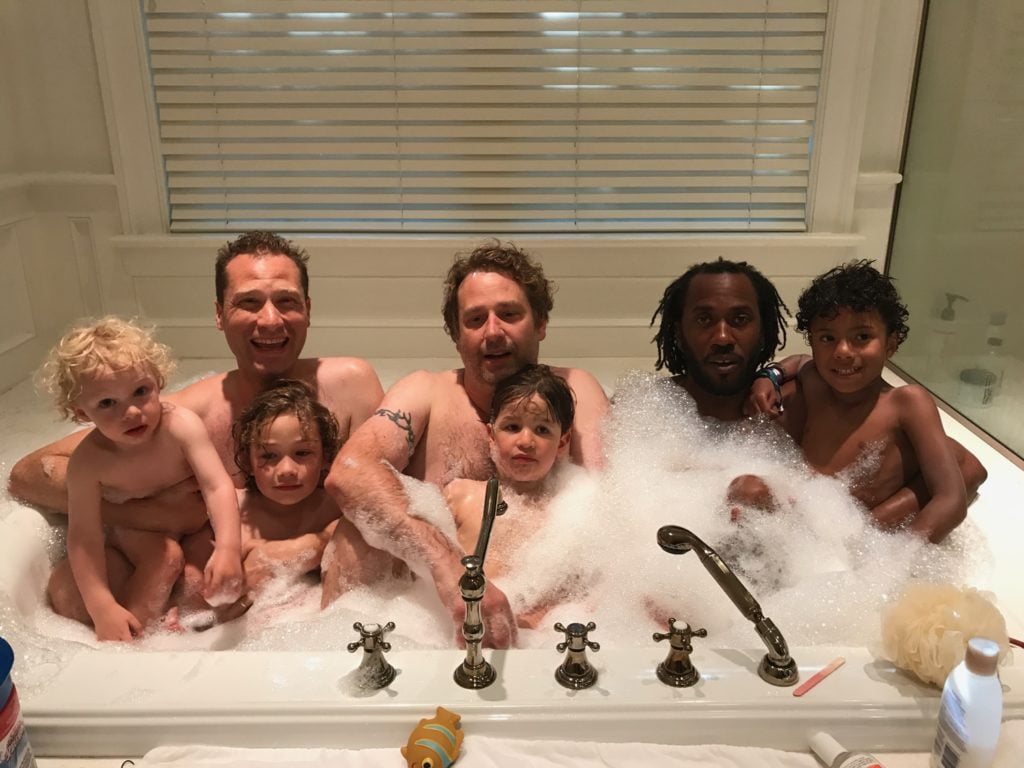
Joel Mesler (center) with the artist Rashid Johnson and Gagosian's Adam Cohen, courtesy of Joel Mesler.
Joel Mesler (center) with the artist Rashid Johnson and Gagosian’s Adam Cohen, courtesy of Joel Mesler.
Meanwhile, Zach Feuer, the other half of Feuer/Mesler, is out of the art dealing game altogether. He teaches students with special needs in an intentional community near Hudson. “There was no way I could continue to run a gallery with the enthusiasm and energy required for success,” he says. “I’m able to dedicate more time to political activities. I’m also more of a full-time dad, I bike a lot and I’m a volunteer fireman.”
Rosen, on the other hand, has not left New York City. Her new space—in the former home of Gallery 2, her second Chelsea location—will be focused on non-object-based art. It will have normal gallery hours open to the public, and some events are already in the works.
“Now more than ever, I’m committed to my inherent sense of responsibility. I’ve long lamented the notion of constantly shipping artworks, traveling for fairs—for environmental reasons,” she says, noting that her vision for the space reflects Felix Gonzalez-Torres‘s ideas about the importance of non-object-based art. “For me, this is not an endpoint. The world is changing, and we have to respond and evolve…. I always have been and remain completely committed to the art world.”
Installation at envoy enterprises, 2016.
Weiss, for his part, continues to sell art privately and launched an online gallery with his wife, artist Virginia Martinsen, called Gates of the West (after one of her favorite Clash songs).
“It was our way to get more involved with the artists… we felt like we couldn’t put this energy in before. I felt like collectors stopped wanting to go to studio visits, go out to dinner with the artists.” The new site has allowed the couple to “get back our sense of excitement.”

Hindsight Is 20/20

None of the individuals we spoke to expressed regret over their chosen career path. But several said they might have closed earlier if given the chance. “In retrospect, I stayed too long,” Mesler says. “When I decided to merge [with Feuer] and expand, the market was shifting at that exact moment.”
Asked what she would do differently, Bent—who was only 23 when she co-founded Rivington Arms and is now running a project space in Marfa, Texas—says: “I would have bought more art.” (Her former roster included the current art stars Jordan Wolfson and Dan Colen, who she showed just out of art school.)
Melissa Bent left the NYC art world for (literally) greener pastures, photographed here at Cibolo Creek outside of Marfa, TX by her husband, the artist, Michael Phelan.
Ed Winkleman, who closed his storefront in Chelsea three years ago but continues to sell art privately and co-produce the Moving Image art fairs, says he would have spent money differently. He advises young dealers to resist the pressure to invest in expensive installation build-outs and elaborate afterparties in favor of catalogs that will serve as a lasting document of what artists are really doing.
He also advises young dealers to be flexible. “Finding a niche is great when it plays to your strengths, but artificially sticking to a particular vision—out of stubbornness or some sense that that’s what you’re supposed to do—is a luxury given how quickly things evolve.”
Edward Winkleman. ©Patrick McMullan. Photo: Dustin Wayne Harris, Patrick
Edward Winkleman. ©Patrick McMullan.
Photo: Dustin Wayne Harris, Patrick
Feuer has developed his own list of dos and don’ts: “Artforum ads are a waste of money. Call people back. Respond to emails. Keep your overhead as low as humanly possible and don’t spend money to try and impress anyone. Try not to be an asshole if you get a tiny bit of success (I found that difficult).”

Different Solutions

Adam Sheffer, a partner at Cheim & Read Gallery and president of the Art Dealers Association of America, notes that “each gallery is a unique business with its own set of strengths and challenges and people make very personal decisions why they want to close. This is not an epidemic—it’s growing pains.”
For some, however, the only way to grow is to break away from the traditional gallery business. Jimi Dams, who plans to convert his gallery space into a foundation dedicated to the late dealer Hudson, says: “It’s a privilege to be able to say, ‘When it stops being fun, I’ll stop going to that job.’ You only live once. You don’t like your job, change it. And so that’s what I did.”
Follow artnet News on Facebook.
SHARE
Article topics