

T f T » The fLIPADOS Team » digital collage


Risk managers have a critical role to play in helping their organisations anticipate and mitigate the impact of US trade policy on marine cargo and supply chains, according to Howard Kingston, global head of marine, Zurich Commercial Insurance and Camila Chandra, head of marine EMEA, Zurich Commercial Insurance.
The radical overhaul of US trade policy announced on 3 April, which triggered high volatility in global stock markets, heralds a major departure from the free and open global trade environment that has marked much of the post-war period.
The imposition of US tariffs – which could spark a full-blown trade war – is expected to upend the global trade equilibrium and reshape supply chains. With some $7trn in trade, the US is the world’s biggest importer of goods, and the second-largest exporter. China is the biggest exporter of goods to the US, although when taken as a whole, the EU was larger in 2022, according to the Office of the US Trade Representative.
For companies involved in international trade, or reliant on global supply chains, the changing global trade environment will have wide-ranging implications. For some, there will be opportunities, but for many corporates, the emerging volatile trade climate will challenge supply chains and business models, with increased potential for supply chain disruption, higher costs and more complex compliance.
Uncertainty and delays
Tariffs and other trade measures will increase the potential for delays to supply chains, which are already under pressure from attacks against shipping in the Red Sea, which have caused vessels to reroute around the Cape of Good Hope. Uncertainty over tariffs could see a repeat of post-pandemic supply shortages and delays, caused by surges in demand, port congestion, container shortages and shipping capacity constraints.
US plans to charge fees of $1m or more for Chinese-operated or built cargo vessels calling at US ports will only exacerbate these pressures. Industry and trade bodies have warned the proposals would increase costs and result in shortages of shipping capacity for some goods and on some routes. Changes to border controls, customs procedures and port inspections could also cause delays as authorities seek to confirm origin of products and apply a complex tariff regime.
The effects of US tariffs will also not be limited to US trade, as its trade policy is likely to have wider implications for trade. The ripple effect of US tariffs could see changes in trade relations between other countries and regions as they seek to mitigate the impact of US trade policy, open up new export markets, and protect domestic markets.
New markets, different risks
A changing trade environment is likely to result in big shifts in where companies trade, locate production and/or source suppliers. US trade tariffs are already causing companies to review supply chain strategies and seek new export markets, according to the ICTTM. Manufacturers are accelerating nearshoring and investment in domestic production, diversifying supplier networks and exploring alternative shipping routes, it said.
Trading in new, and potentially unfamiliar, markets comes with risks, including natural catastrophes, political, social and economic risks. Trade disputes and a global economic downturn may compound the rising threat of civil disruption and international conflicts: armed conflict and geoeconomic confrontation were among the top three risks in this year’s WEF Global Risks Report. The broader economic impact will have wider potential implications for supply chains, such as increased risk of insolvency – according to J.P. Morgan Research, there is a 60% risk of a global recession taking hold this year.
Higher risk of cargo theft and damage
The risk of theft, is of particular concern, especially if economic conditions deteriorate (cargo theft in North America increased 27% in 2024, reaching unprecedented levels, according to CargoNet). Criminals are quick to seize opportunities, while cargo security can take time to adapt to changes in trade routes.
Geographic shifts in trade could also increase the risk of damage to cargo. Resilience of infrastructure, such as ports and roads, can vary greatly by location, as can the quality of local logistics partners, warehouses, cargo handlers and security. This is particularly important for high-value, large, complex or hazardous cargo that requires skilled cargo handling, specialist equipment or environmental or safety controls.
Risk managers can help their organisations identify heightened risks of theft or damage and reinforce strong supply chain security and loss prevention practices. For example, local conditions may require additional measures when it comes to cargo packing and security. Exporters will want to be confident that goods will arrive on time and undamaged, especially when looking to expand into new markets.
Rising costs and values
Tariffs will have an immediate impact on the value of cargo, as goods entering markets like the US could be subject to substantial taxes. In addition, surges in demand, delays and stockpiling of goods to mitigate the impact of higher tariffs could lead to higher accumulations of cargo exposure in ports and warehouses. At the same time, general inflation could rise in some markets as tariffs and supply chain disruption drive up the costs of some goods and materials.
Higher values will need to be reflected in insurance limits. Policy limits, which often cap cargo coverage for a location or shipment, may prove insufficient in light of tariffs and potential increases in cargo accumulation. Under-insurance is likely to be of greatest risk for sectors most exposed to tariffs, such as automotive, electronics, pharmaceuticals and consumer goods.
Staying informed and close to the business
On a positive note, many organisations have strengthened supply chain risk management since the pandemic. However, the challenge posed by shifting global trade will require additional vigilance, resilience and transparency.
Risk managers have a critical role to play in helping their organisations navigate the changing trade and supply chain risk landscape. Staying informed and aware of changes will be vital in a dynamic trade environment. Trade bodies are a useful source of information into the changing trade environment, while insurers are also able to provide insights into risk and insurance implications.
Collaboration will also be key. Risk managers will need to work hand-in-hand with internal partners, including logistics, procurement and supply chain management to share knowledge and experience. Having a seat at the table will enable risk managers to get on the front foot, to identify and mitigate risks early, while regular conversations with insurers can help risk managers stay on top of potential risk and coverage issues.
The need to stay informed and work closely with business and insurance partners has never been greater.
Contributed by Howard Kingston, global head of marine, Zurich Commercial Insurance and Camila Chandra, head of marine EMEA, Zurich Commercial Insurance


Insurance rates fell in Europe for the second consecutive quarter but were down just 1% from 2% in the prior period, with the continent seeing the smallest decline of all global regions along with the US, reports Marsh. Its figures show that European property rates fell into negative territory for the first time in 16 quarters, but casualty rates rose.
With larger falls in all other regions peaking at 8% in the Pacific, global average rate decreases improved to 3% in the last quarter from 2% in Q4 2024, according to Marsh’s Global Insurance Market Index.


European property rates were down 1% in Q1 after flattening at the end of last year. This marks the first fall in the cost of European commercial property insurance for 16 quarters included in the index, driven by insurer competition, Marsh said.
“Larger organisations generally experienced more favourable [property] pricing compared to the middle market, despite increased appetite from insurers for middle market companies,” Marsh said. It added that long-term agreements were commonly available as insurers sought retention and growth.
European property rates joined the global softening trend, which has been in negative territory since Q3 2024 and accelerated to 6% in Q1 2025.
Marsh said cyber clauses in the property line remained a key discussion point with underwriters in Europe. Economic and political pressures in major European countries negatively affected certain industries, which led to decreased business interruption values, particularly in the automotive sector, it added.

European casualty rates were up 2% in Marsh’s Q1 2025 index. This comes after rate increases slowed across the previous four quarters to flatten in Q4 2024. Marsh said that the return to casualty rate increases was driven by general liability clients with US exposure and shifts in workers’ compensation/employers’ liability in larger markets like Belgium and Italy.
“Most European organisations without US exposure renewed at flat rates due to increased competition and insurer growth targets,” Marsh explained, noting the introduction of some exclusionary wording for biometric data in casualty covers.

European financial and professional rates fell 6% in Q1 from down 7% in the previous two quarters, with more significant reductions in excess layers. Capacity from new entrants and established players exceeded demand, and about 80% of D&O benefitted from rate decreases, Marsh said.
It said that the professional indemnity market remained fragmented, with overall rate decreases generally less than in D&O, with small increases for some.
Rates for European cyber buyers fell by 10%, above the global average of 6%, driven by insurer competition and high growth targets, with the middle market significantly more competitive, Marsh said.
“Clients trended toward purchasing higher limits as they benefitted from favourable market conditions,” it explained. “Restrictions often were eliminated, and insurers broadened coverage with additional industry-specific extensions and innovative solutions.”
https://postcardhistory.net/2025/04/esperanto-explained/
A magazine for the postcard collector
No Comments
Esperanto is a fabricated language that fosters global communication and cultural understanding. Since it is a neutral language, it reduces language barriers and facilitates collaboration. Its ease of learning empowers individuals seeking access to education and information worldwide. Postcards on Esperanto are scarce.
April 24, 2025
Published on
Esperanto is an international secondary language created in the late nineteenth century. It is based on the goal of fostering communication between speakers of different native languages.
Its history begins with Ludwik Lejzer Zamenhof, a Polish ophthalmologist, who developed Esperanto in 1887. Zamenhof’s motivation stemmed from the experience of growing up in Belostok (Białystok), Poland. Belostok was a multicultural city where linguistic and cultural divisions often led to misunderstandings and conflicts. He believed that a common, easy-to-learn language could promote peace and understanding among the diverse communities of his hometown.
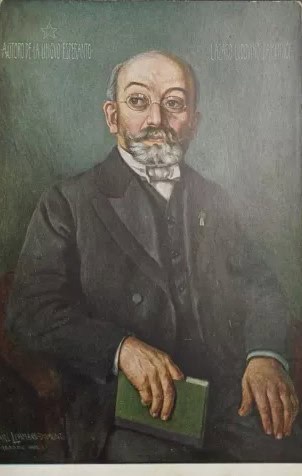
Zamenhof published the first book detailing Esperanto under the pseudonym “Doktoro Esperanto” (meaning “Doctor Hope”). The book, titled “Unua Libro,” presented the grammar, vocabulary, and the phonetic alphabet of this new language. Esperanto quickly gained traction, and a new Esperanto-speaking community began to emerge.
Throughout the early decades, Esperanto flourished. Various organizations and groups contributed to its spread, with several newspapers, magazines, and books published in Esperanto. The movement gained support from notable figures, including writers, linguists, and activists who viewed it as a means to foster international understanding and cooperation.
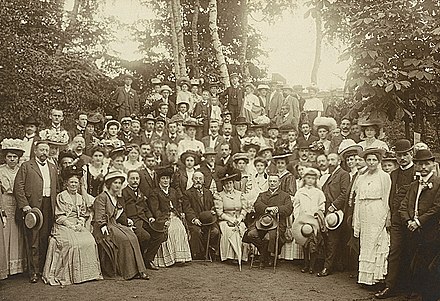
Events like the Universal Esperanto Congresses began to draw attendees from diverse backgrounds, demonstrating the language’s appeal as a bridge between cultures.
[In 1905 the language had its first international congress in France, which certified its status as a global linguistic venture. Through the decades there have been 110 such congresses held in cities on five continents. The only hiatuses came during the two world wars. Of the 110 events only three have been held in the United States: the 1910 Congress was in Washington, D.C., the 1915 event was held in San Francisco, and the last such meeting was in Portland, Oregon in 1972.]


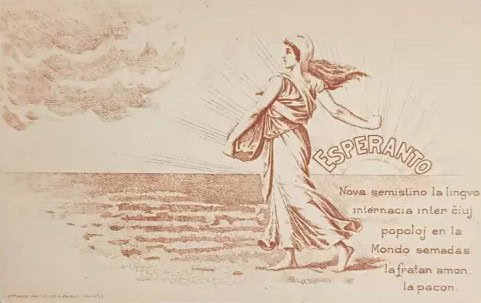
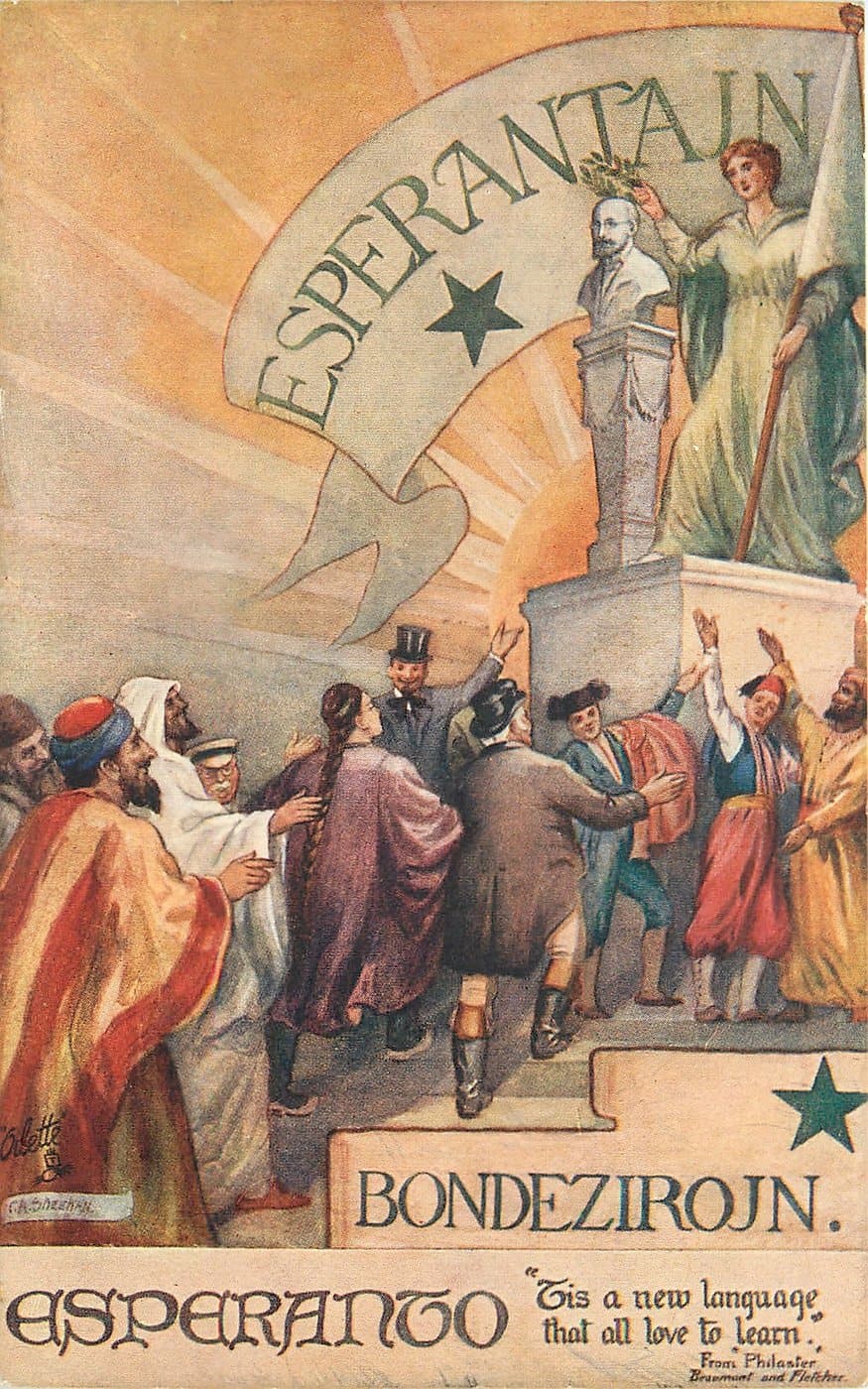
Postcards like the one above began to appear as early as 1911(?). The cancel is smeared; the only discernible part is the last digits of the date, but the location clearly reads Warszawa. The card was address to Wien (Vienna), Austria.
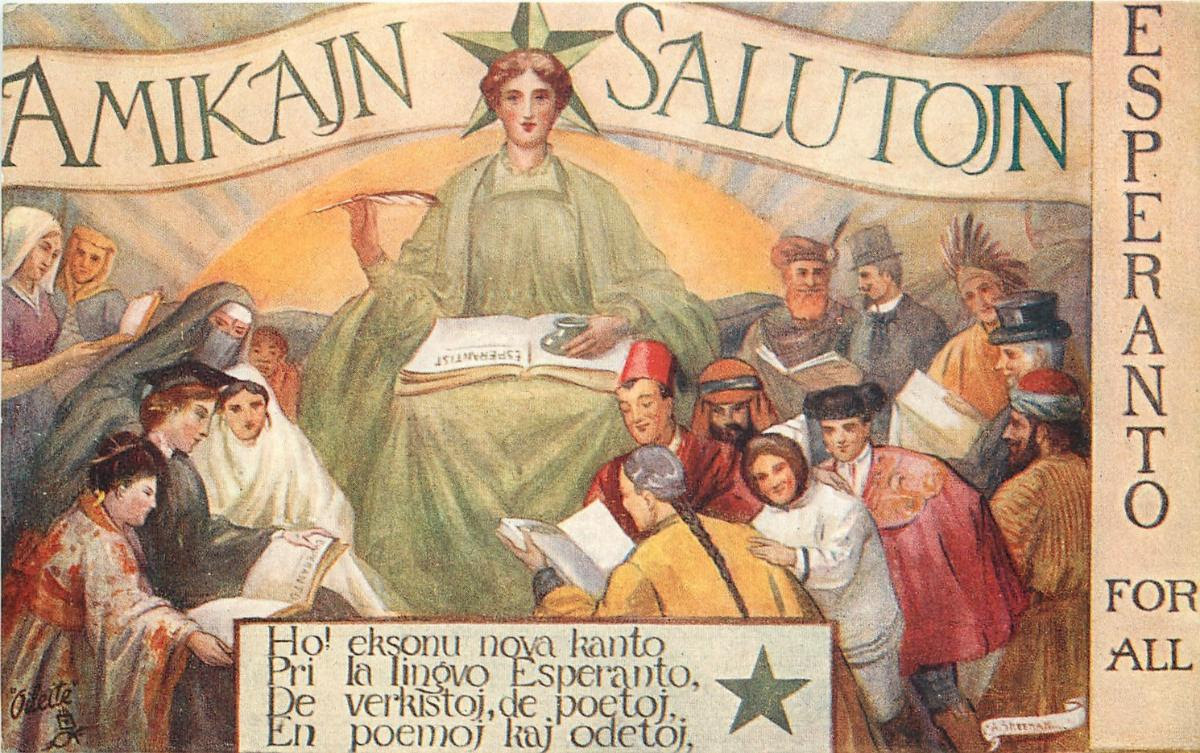
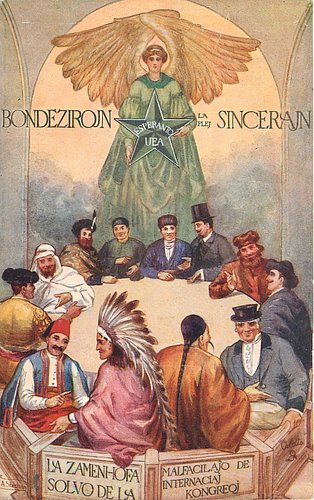
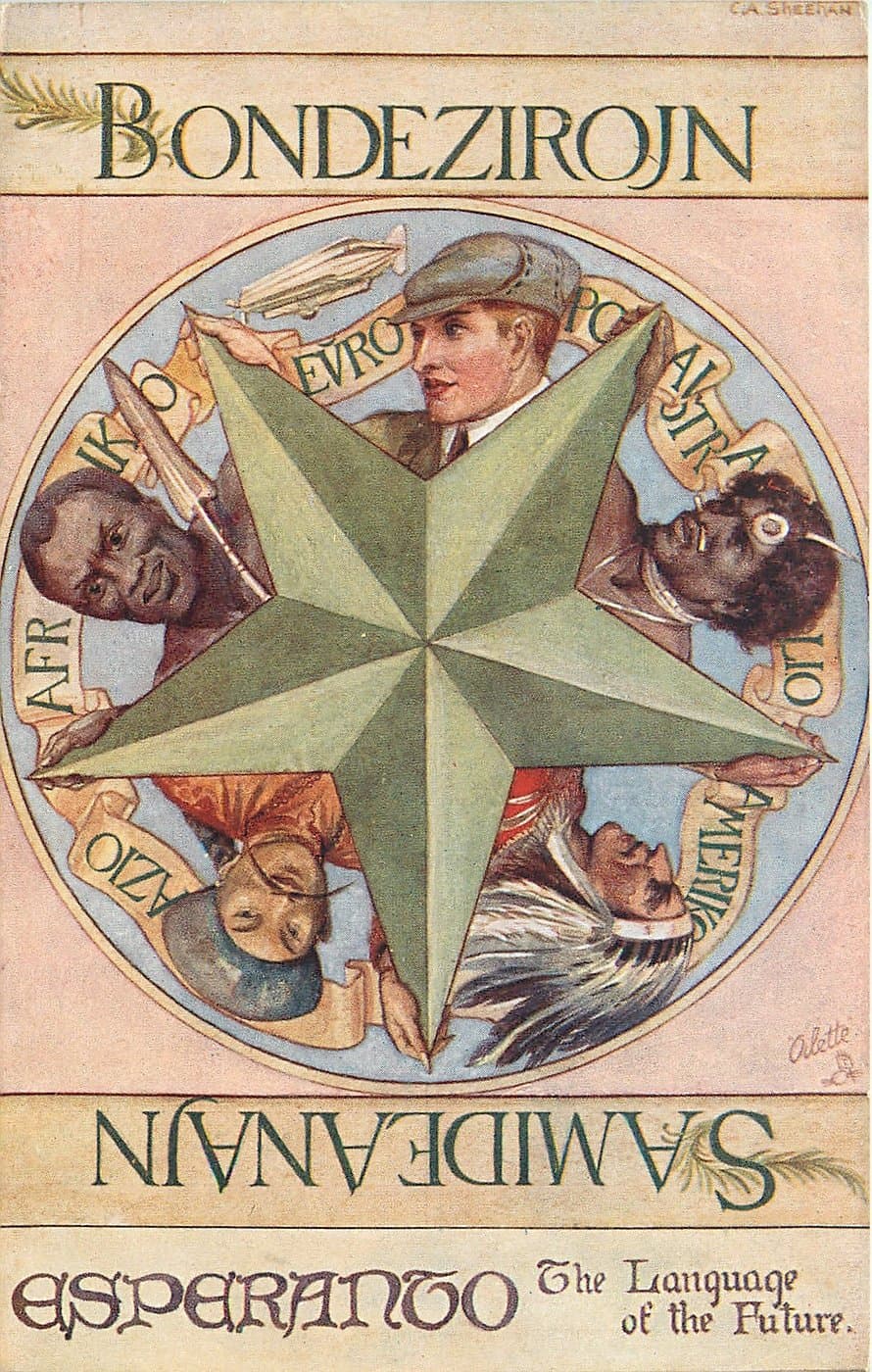
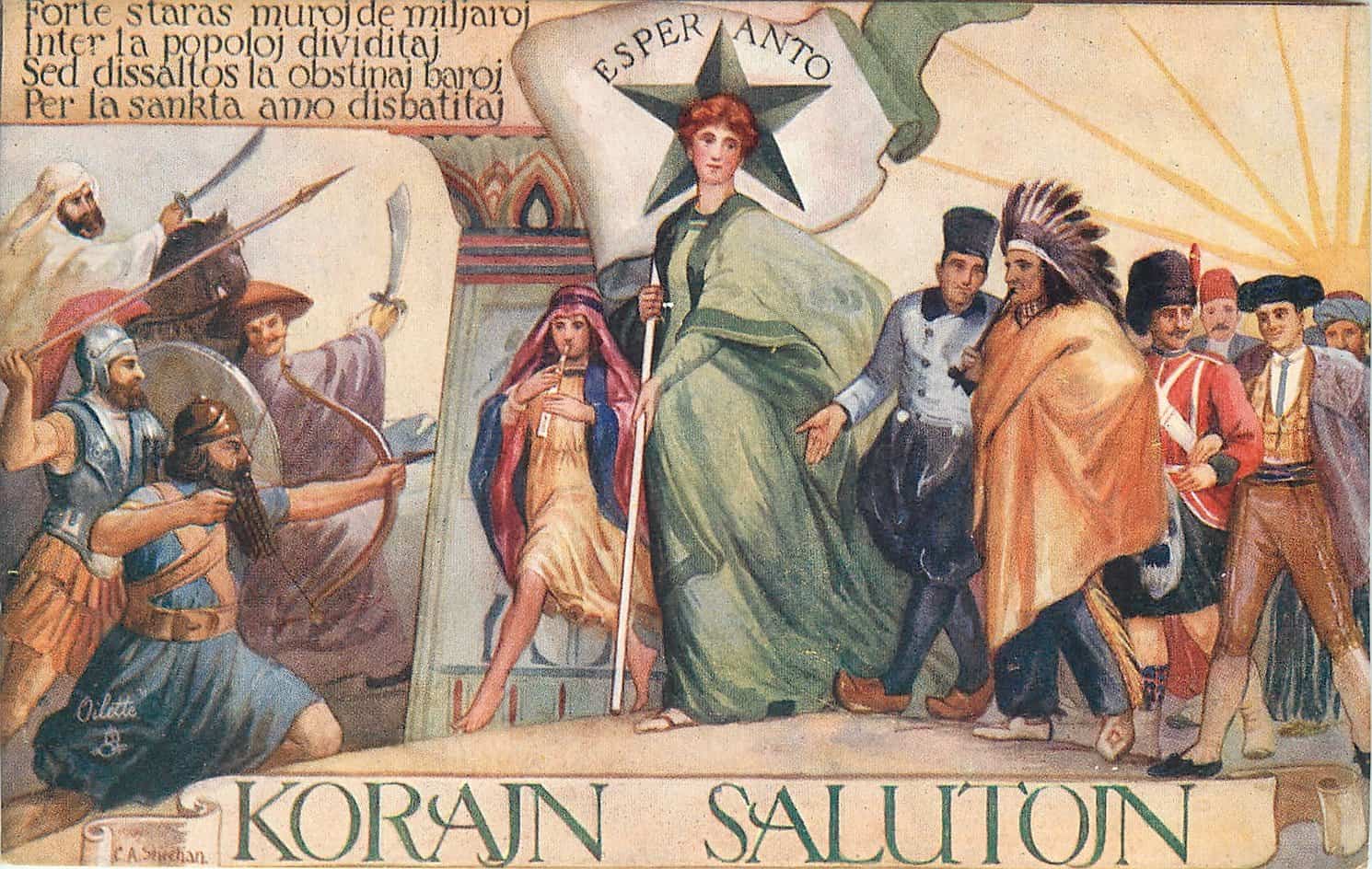
By mid-1922 Tuck entered the world of Esperanto when the company commissioned Charles A. Sheeham to prepare a series of posters that encouraged the learning and use of the language in international business affairs and diplomatic communications.
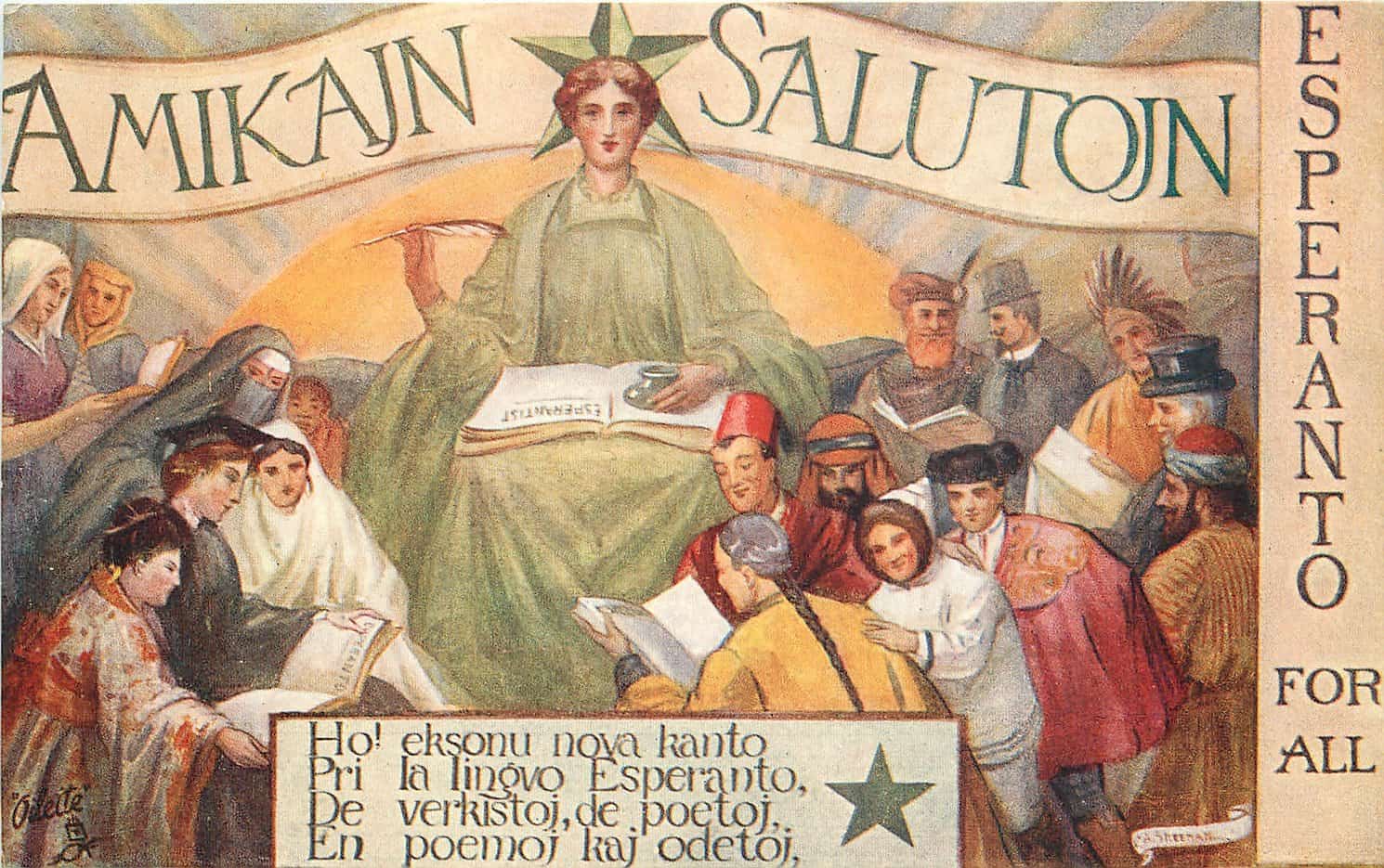
However, the journey of Esperanto was fraught with challenges. The political climate of the early twentieth century hindered its growth. World War I and World War II brought about uncertainty laced with high degrees of nationalistic emotion, and a focus on national languages. Notably, during the Nazi regime, Esperanto speakers faced persecution, leading to significant losses in its community. This period severely stunted the growth of Esperanto and brandished it with an association of danger and subversion.
After World War II, Esperanto enjoyed a resurgence, particularly at the grassroots level, as individuals and small groups continued to promote the language. Yet, despite these efforts, Esperanto never achieved the widespread use that Zamenhof envisioned. Key factors were:
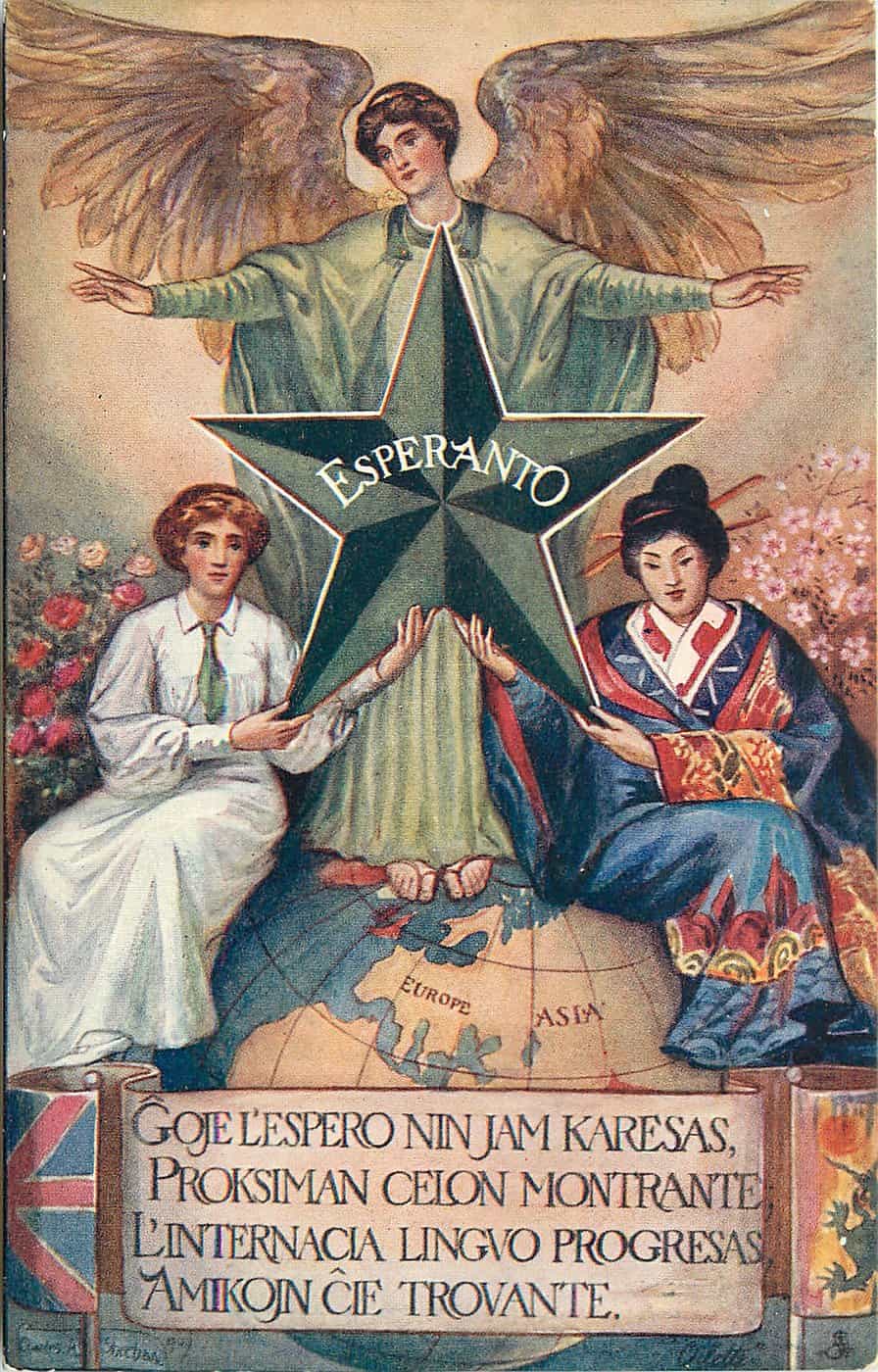
The message, translated to English reads,
Joyfully the hope caresses us because the future goal becomes apparent,
that the International language progresses, finding friends everywhere.
The scholarship that prevails in the twenty-first century seems to show a slight revival of interest in Esperanto. The new growth has been aided by the internet and social media. Language learning apps and online communities have allowed a new generation of enthusiasts to engage with Esperanto in innovative and peculiar ways. Today, there are an estimated two million speakers of Esperanto worldwide.
Postcard History is a free online magazine dedicated to vintage and historic picture postcards and the many stories associated with them. We feature richly illustrated articles designed to both inform and entertain postcard collectors and history buffs. We also provide the most comprehensive listing of forthcoming shows around. And there’s a rich trove of links to institutional and personal online postcard collections. There’s also a comprehensive, verified listing of active postcard clubs in the U. S. and Canada, which we’re working on expanding worldwide.
|
Esperanto is a fabricated language made to foster global communication and cultural understanding. As a neutral language it reduces barriers and facilitates collaboration and its ease of learning empowers individuals seeking access to education. Postcards on Esperanto are scarce. |
|