Tuesday, September 12, 2023

using humour troll spam texts


HUMANS AND TECHNOLOGY

The people using humour to troll their spam texts

Our phones are being inundated with text scams. Some people are using humor to fight back.

June 20, 2022
disguised troll talks to disguised scammer for the lulz
MS TECH | GETTY

The other night, I received a mysterious WhatsApp message. “Dr. Kevin?” it began, the question mark suggesting the sender felt bad for interrupting my evening. “My puppy is very slow and won’t eat dog food. Can you make an appointment for me?”


I was mystified. My name is not Kevin, I am not a veterinarian, and I was in no position to help this person and their puppy. I nearly typed out a response saying “Sorry, wrong number” when I realized this was probably a scam to get me to confirm my number.

I did not respond, but many others who received similar texts have. Some are even throwing it back at their spammers by spinning wild tales and sending hilarious messages to frustrate whoever is on the other side. They’re fighting back with snark, and in some cases posting screenshots of their conversations online. 

Spam texts are on the rise, and so are the number of people who are striking back through “scambaiting,” which refers to “the act of wasting an offender’s time,” says Jack Whittaker, a PhD student in sociology at the University of Surrey who is studying the phenomenon. However, experts say responding defeats the point, as it opens a person up to even more spam texts.

Spam texts seeking to scam their recipients into giving up valuable information are not new. Some of the earliest digital spam was sent via email chain letters, the most notorious being for scams in which someone impersonating a Nigerian prince claimed to need the receiver’s help in depositing a large sum of money. 

Once smartphones became common, scammers switched to texting. And in 2022, spam texts are much more personal. Often they mimic a misdirected text, perhaps addressing the receiver by the wrong name or using a generic first line (“How’s it going” or “I had fun tonight!” are common) to prompt a response.

If you’ve received any such messages lately, you’re not alone. “There’s been an incredible spike in spam texts,” says J. Michael Skiba, a professor at Colorado State University who specializes in cybercrime and international financial fraud. Globally, 90 billion of them were sent last year, he says; in the US, 47 billion spam texts were sent from January to October 2021, up 55% from that same period in 2020. According to RoboKiller, a spam blocking firm, scam texts led to $86 million in losses in the US alone in 2020. “People are just bombarded with these,” Skiba says.

Skiba says texting has several advantages over email from a scammer’s perspective—a note from a phone number raises less suspicion than one from a sketchy email address, and the casual nature of texting makes grammatical errors less noticeable. Many people also feel a very human urge to respond to a text. “It’s a psychological trick in that you know the text is not correct, but it appeals to your desire to help and say, ‘You’ve got the wrong number,’” Skiba says. 

The person on the other side, however, is most likely working with an organized group of scammers in a call center and hoping you say exactly that. A single response is enough for a scammer to verify that a phone number is real. That response leads to a domino effect that could invite even more spam texts to your phone. Ultimately, scammers are looking to at least verify your number to potentially sell it to other groups; getting your personal information is a sweet bonus. 

“I would 100% recommend not responding at all,” Skiba says. 

But a scroll through Twitter, Reddit, Instagram, and TikTok shows that people aren’t taking that advice. Instead, many are engaging with spam texters and posting their conversations for the world to see.

Gabriel Bosslet, an associate professor of medicine in Indianapolis, decided to mess with a recent spam texter by firing off increasingly outlandish replies. He’s been doing this kind of thing since the early 2000s, when he started writing back to mysterious emails that were clearly Nigerian prince scams. Once it’s clear he’s corresponding with a scammer, Bosslet goes into troll mode, fabricating fanciful stories and characters—the more bizarre, the better. “None of it is true,” he says. “I just make it all up.”

Asked what his goal is in these conversations, Bosslet says it’s just to connect and interact with a stranger. He brings up the example of Wanda Dench, a grandmother who accidentally texted then-17-year-old Jamal Hinton an invitation to Thanksgiving dinner that has turned into a sweet annual tradition. “I realize that’s super odd, but I am open to some sort of interaction like that,” he says. 

Jason Tanamor, an author from Portland, Oregon, has also started texting spammers back. And, like Bosslet, he isn’t trying to reform anyone. “I just try to get them to say ‘deez nuts’ because it makes me giggle,” Tanamor says. For him, chatting up a spammer can be fun; if he has time, he simply tries to keep the conversation going for as long as he can. 

Neither Bosslet nor Tanamor was aware that answering spam texts probably verified their number, allowing their spammers to sell it to other spammers—resulting in even more spam texts. But neither cares. For them, messaging back with outlandish jokes is a form of entertainment. And both expressed empathy for the people on the other side of the phone. 

But others have a more vengeful approach. Whittaker at the University of Surrey says some people have taken scambaiting to extremes, joining online forums where they create elaborate hoaxes to trap the perpetrators. That can be dangerous, he says. “Scambaiting can also [lead to] hacking into an offender’s computer as a form of public entertainment,” he says. That’s problematic, possibly exposing people’s private information, and it’s also illegal, despite the moral high ground scambaiters may claim. 

Whittaker cites Jim Browning, the alias of a YouTuber and software engineer who has used scambaiting to delete stolen files from call centers involved in spam texts. Other scammers who have been exposed by people like Browning have retaliated by swatting scambaiters (making a false crime report to call out law enforcement) or luring them to dangerous locales. 

“Scambaiting activities can become quite radical,” Whittaker says. “Also, scammers wise up to these tactics quickly, so wasting an offender’s time can actually teach them to become more wise to the efforts to waste their time.”

It’s a dilemma for people who mess with a scammer. It can be satisfying, if only as a form of rebellion against an annoying modern intrusion. But that rebellion can be costly, in terms of both the time it takes and the risk of setting off an avalanche of future spam texts that could, if scambaiters fall for them, put them at risk of financial or personal ruin. 

The US Federal Trade Commission and consumer advocates have attempted to fight back with Do Not Call registries and efforts to stop spam texts at the network level, but spammers are constantly evolving their tactics to bypass these laws. That can make it feel as though there’s only one way to handle the frustrating situation: with a joke about “deez nuts.”

DEEP DIVE

HUMANS AND TECHNOLOGY

Human-plus-AI solutions mitigate security threats

With the right human oversight, emerging technologies like artificial intelligence can help keep business and customer data secure

Merging physical and digital tools to build resilient supply chains

Using unique product identifiers and universal standards in the supply chain journey, the whole enterprise can unlock extended value

Transformation requires companywide engagement

Employees need to be heard for leaders to overcome the hurdles of organizational change

Unlocking the value of supply chain data across industries

How global standards and unique identifiers are turning supply chain data into a game-changer

STAY CONNECTED

Illustration by Rose Wong

Get the latest updates from
MIT Technology Review

Discover special offers, top stories, upcoming events, and more.

Monday, September 11, 2023

put dopamine-making cells into people’s brains


BIOTECHNOLOGY AND HEALTH

A biotech company says it put dopamine-making cells into people’s brains

The experiment to treat Parkinson’s is a critical early test of stem cells’ potential to tackle serious disease.

August 31, 2023
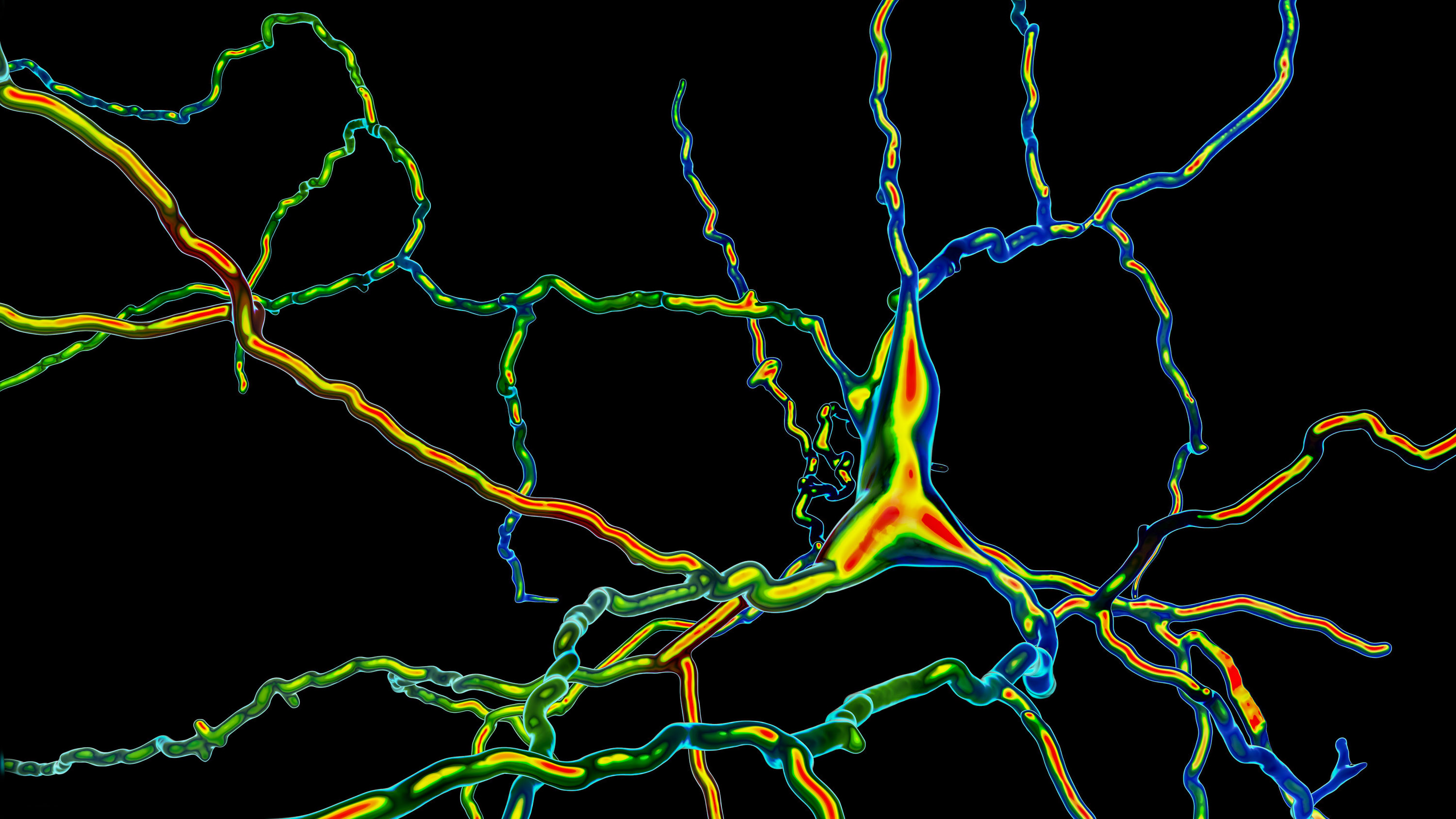
Dopaminergic neuron, computer illustration
GETTY IMAGES

In an important test for stem-cell medicine, a biotech company says implants of lab-made neurons introduced into the brains of 12 people with Parkinson’s disease appear to be safe and may have reduced symptoms for some of them.

The added cells should produce the neurotransmitter dopamine, a shortage of which is what produces the devastating symptoms of Parkinson’s, including problems moving. 

“The goal is that they form synapses and talk to other cells as if they were from the same person,” says Claire Henchcliffe, a neurologist at the University of California, Irvine, who is one of the leaders of the study. “What’s so interesting is that you can deliver these cells and they can start talking to the host.”

The study is one of the largest and most costly tests yet of embryonic-stem-cell technology, the controversial and much-hyped approach of using stem cells taken from IVF embryos to produce replacement tissue and body parts.

The small-scale trial, whose main aim was to demonstrate the safety of the approach, was sponsored by BlueRock Therapeutics, a subsidiary of the drug giant Bayer. The replacement neurons were manufactured using powerful stem cells originally sourced from a human embryo created an in vitro fertilization procedure.

According to data presented by Henchliffe and others on August 28 at the International Congress for Parkinson’s Disease and Movement Disorder in Copenhagen, there are also hints that the added cells had survived and were reducing patients’ symptoms a year after the treatment.

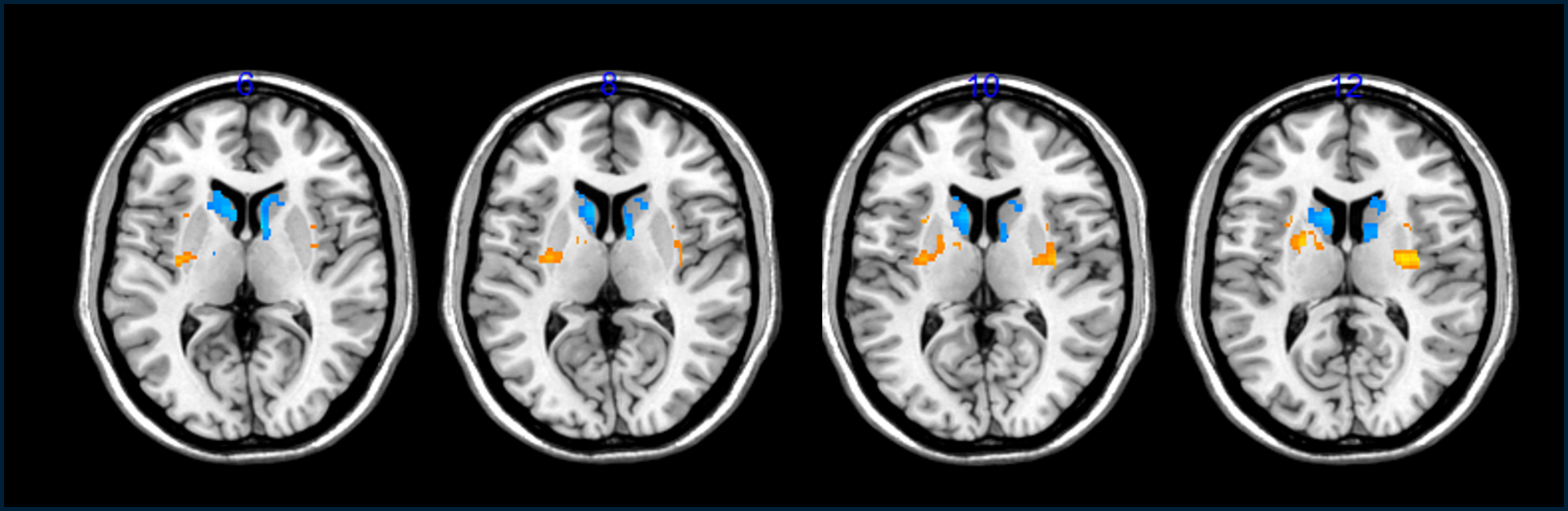
These clues that the transplants helped came from brain scans that showed an increase in dopamine cells in the patients’ brains as well as a decrease in “off time,” or the number of hours per day the volunteers felt they were incapacitated by their symptoms.

However, outside experts expressed caution in interpreting the findings, saying they seemed to show inconsistent effects—some of which might be due to the placebo effect, not the treatment.

“It is encouraging that the trial has not led to any safety concerns and that there may be some benefits,” says Roger Barker, who studies Parkinson’s disease at the University of Cambridge. But Barker called the evidence the transplanted cells had survived “a bit disappointing.”

Because researchers can’t see the cells directly once they are in a person’s head, they instead track their presence by giving people a radioactive precursor to dopamine and then watching its uptake in their brains in a PET scanner. To Barker, these results were not so strong and he says it’s “still a bit too early to know” whether the transplanted cells took hold and repaired the patients’ brains.

Legal questions

Embryonic stem cells were first isolated in 1998 at the University of Wisconsin from embryos made in fertility clinics. They are useful to scientists because they can be grown in the lab and, in theory, be coaxed to form any of the 200 or so cell types in the human body, prompting attempts to restore vision, cure diabetes, and reverse spinal cord injury. 

However, there is still no medical treatment based on embryonic stem cells, despite billions of dollars’ worth of research by governments and companies over two and a half decades. BlueRock’s study remains one of the key attempts to change that. 

And stem cells continue to raise delicate issues in Germany, where Bayer is headquartered. Under Germany’s Embryo Protection Act, one of the most restrictive such laws in the world, it’s still a crime, punishable with a prison sentence, to derive embryonic cells from an embryo.

What is legal, in certain circumstances, is to use existing cell supplies from abroad, so long as they were created before 2007. Seth Ettenberg, the president and CEO of BlueRock, says the company is manufacturing neurons in the US and that to do so it employs embryonic stem cells from the original supplies in Wisconsin, which remain widely used.

“All the operations of BlueRock respect the high ethical and legal standards of the German Embryo Protection Act, given that BlueRock is not conducting any activities with human embryos,” Nuria Aiguabella Font, a Bayer spokesperson, said in an email.

Long history

The idea of replacing dopamine-making cells to treat Parkinson’s dates to the 1980s, when doctors tried it with fetal neurons collected after abortions. Those studies proved equivocal. While some patients may have benefited, the experiments generated alarming headlines after others developed “nightmarish” side effects, like uncontrolled writhing and jerking.

Using brain cells from fetuses wasn’t just ethically dubious to some. Researchers also became convinced such tissue was so variable and hard to obtain that it couldn’t become a standardized treatment. “There is a history of attempts to transplant cells or tissue fragments into brains,” says Henchcliffe. “None ever came to fruition, and I think in the past there was a lack of understanding of the mechanism of action, and a lack of sufficient cells of controlled quality.”

Yet there was evidence transplanted cells could live. Post-mortem examinations of some patients who’d been treated with fetal cells showed that the transplants were still present many years later. “There are a whole bunch of people involved in those fetal-cell transplants. They always wanted to find out—if you did it right, would it work?” says Jeanne Loring, a cofounder of Aspen Neuroscience, a stem-cell company planning to launch its own tests for Parkinson’s disease.

The discovery of embryonic stem cells is what made a more controlled test a possibility. These cells can be multiplied and turned into dopamine-making cells by the billions.

The initial work to manufacture such dopamine cells, as well as tests on animals, was performed by Lorenz Studer at Columbia University. In 2016 he became a scientific founder of BlueRock, which was initially formed as a joint venture between Bayer and the investment company Versant Ventures

“It’s one of the first times in the field when we have had such a well-understood and uniform product to work with,” says Henchcliffe, who was involved in the early efforts. In 2019, Bayer took full control of the stem-cell company in a deal valuing it at around $1 billion.

Movement disorder

In Parkinson’s disease, the cells that make dopamine die off, leading to shortages of the brain chemical. That can cause tremors, rigid limbs, and a general decrease in movement called bradykinesia.  The disease is typically slow-moving, and a drug called levodopa can control the symptoms for years. A type of brain implant called a deep brain stimulator can also reduce symptoms. The disease is progressive, however, and eventually, levodopa can’t control the symptoms as well.

four brain scans with target areas of treatment colored
BLUE ROCK THERAPEUTICS

This year, the actor Michael J. Fox confided to CNN that he retired from acting for good after he couldn’t remember his lines anymore, although that was 30 years after his diagnosis. “I’m not gonna lie. It’s getting harder,” Fox told the network. “Every day it’s tougher.”

The promise of a cell therapy is that doctors wouldn’t just patch over symptoms but could actually replace the broken brain networks by adding new neurons.

“The potential for regenerative medicine is not to just delay disease, but to rebuild brain functionality,” says Ettenberg, BlueRock’s CEO. “There is a day when we hope that people don’t think of themselves as Parkinson’s patients.”

Ettenberg says BlueRock plans to launch a larger study next year, with more patients, in order to determine whether the treatment is working, and how well.