VANTAG galeria

|\| ART BLOG HUMOR BLOG PHOTO BLOG CULTURE BLOG |:| FOR THE RENAISSANCE MAN & THE POLYMATH WOMAN |/|

Friday, May 17, 2019

Free the Nipple, says History
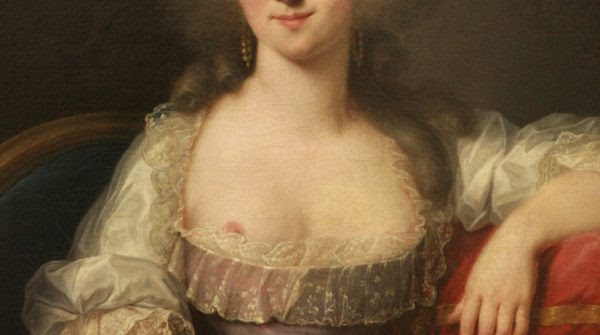


Free the Nipple, says History


Free the Nipple, says History
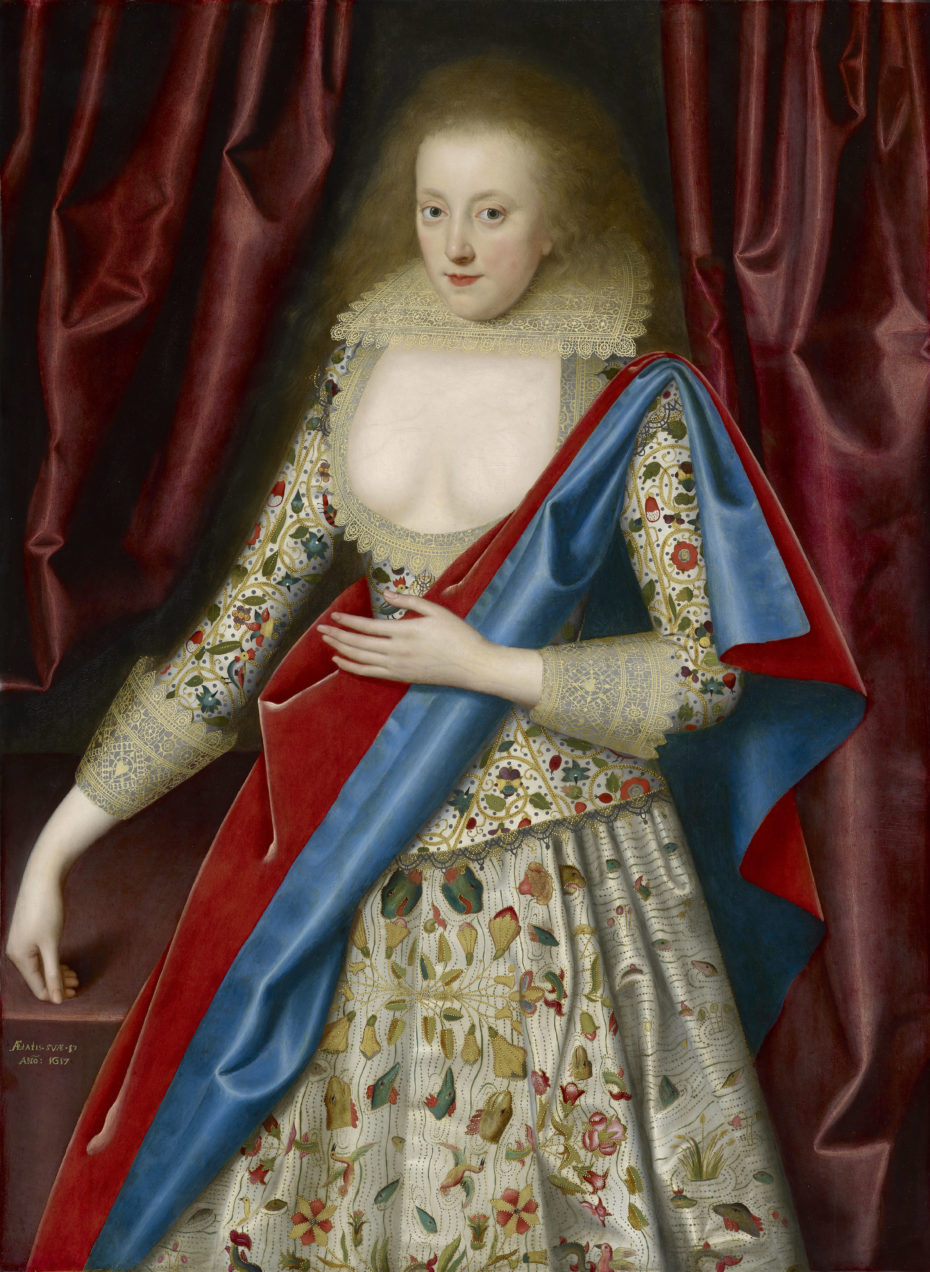
Nipple slips must have been a real problem in the 17th century. Or rather, not so much a problem per say, as an everyday practice. If you’ve ever walked around a portrait gallery of Renaissance European art or watched a few period films set around that time when the cup did truly runneth over, you…

Continue Reading


Free the Nipple, says History

BY MESSYNESSY
 
MAY 17, 2019
SHARE 
FACEBOOK
 
TWITTER
 
PINTEREST
Nipple slips must have been a real problem in the 17th century. Or rather, not so much a problem per say, as an everyday practice. If you’ve ever walked around a portrait gallery of Renaissance European art or watched a few period films set around that time when the cup did truly runneth over, you might have wondered – how low did they really go?
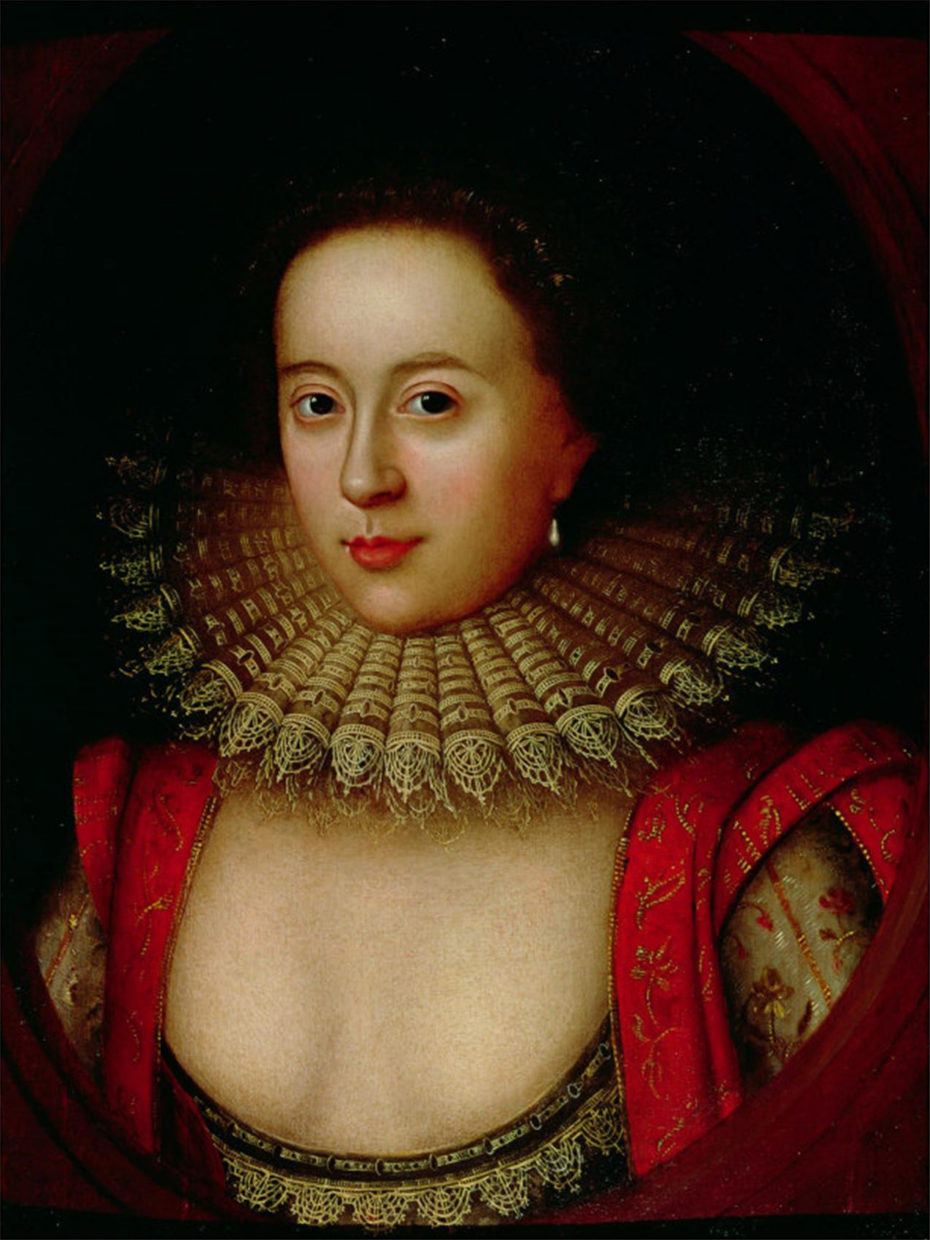
And what sort of miracle kept ladies of the Enlightenment from falling out of the low-cut scoop neck bodices that were all the rage? As it turns out, nothing really did….
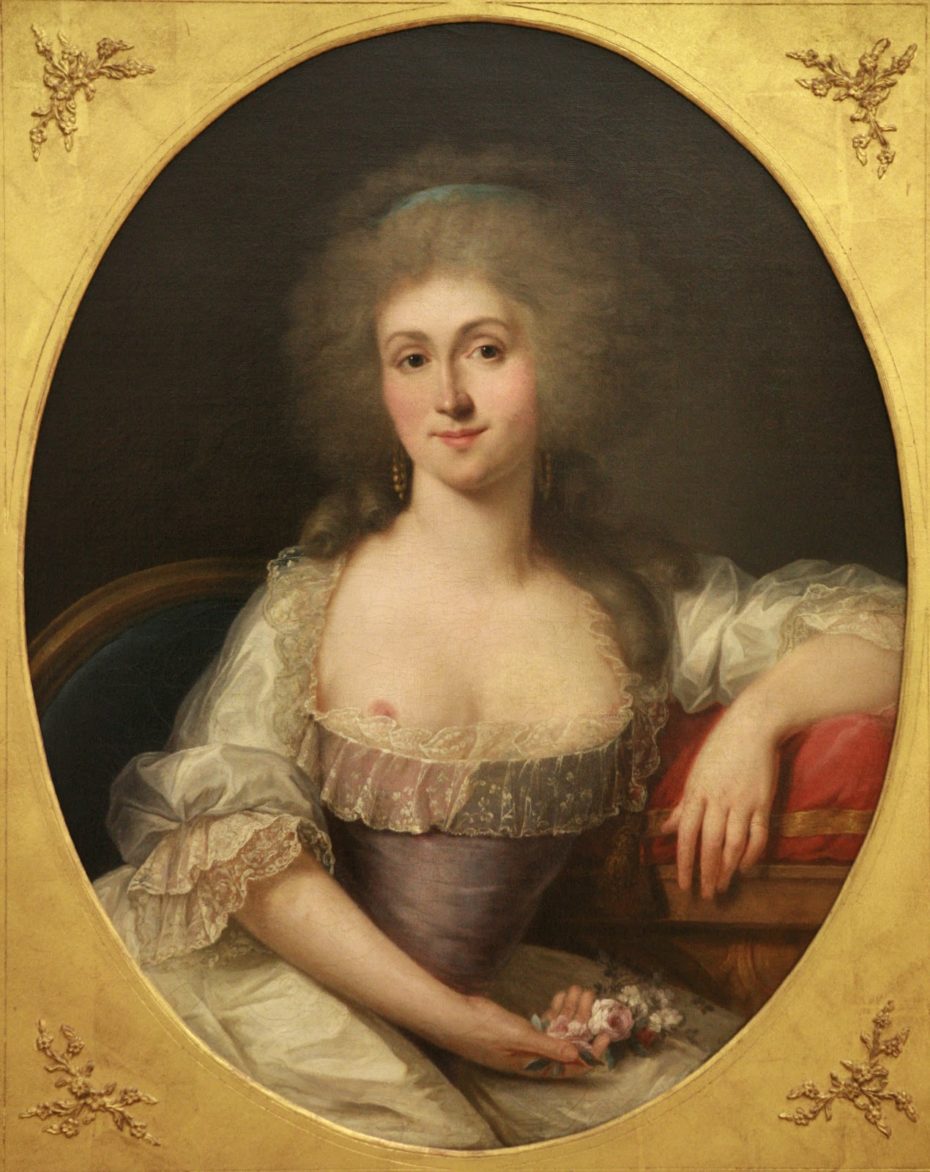
Marie-Thérèse Louise de Savoie-Carignan Princess of Lamballe
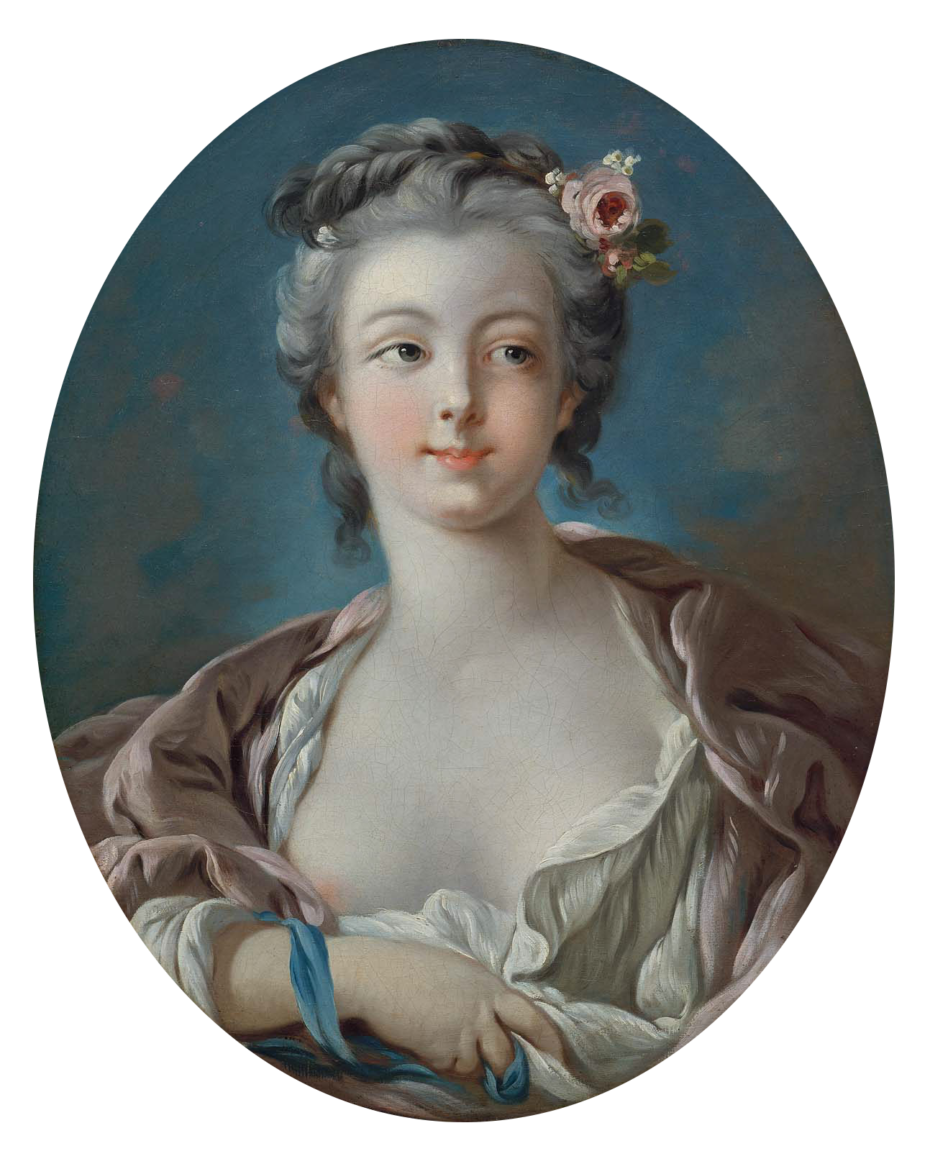
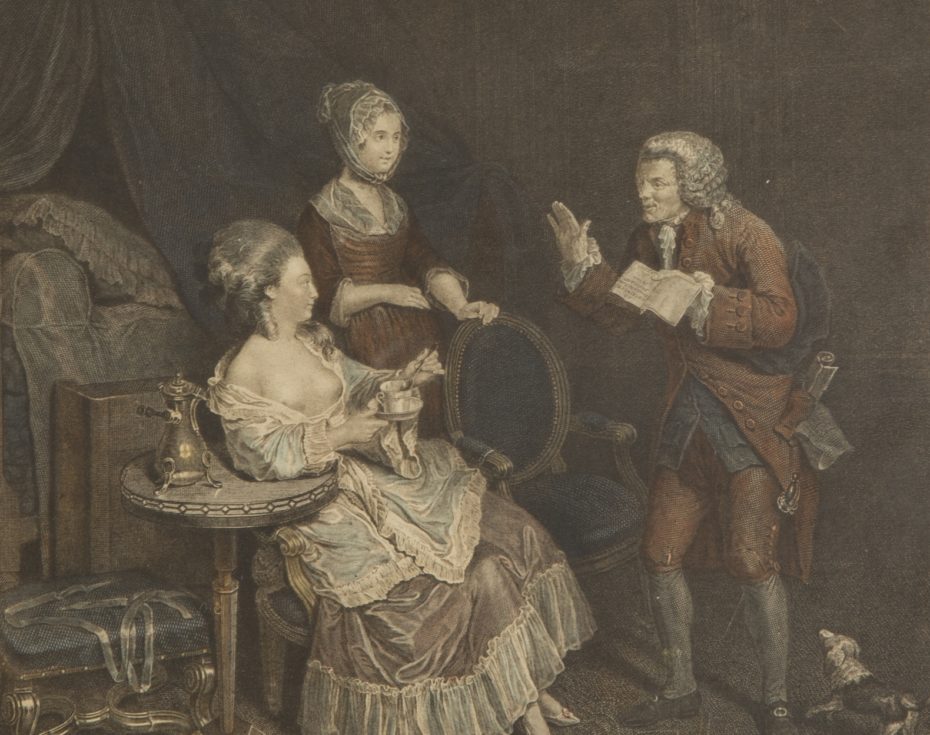
Eighteenth century France was a good time for the nipple – not so much for legs. Flashing an ankle or a knee was far more shocking than exposing cleavage, which said more about your status in society than your sexuality. On the contrary, exhibiting ones youthful-looking breasts implicated the innocence and purity of woman who hadn’t yet nursed a child and therefore (in theory) hadn’t yet been deflowered.
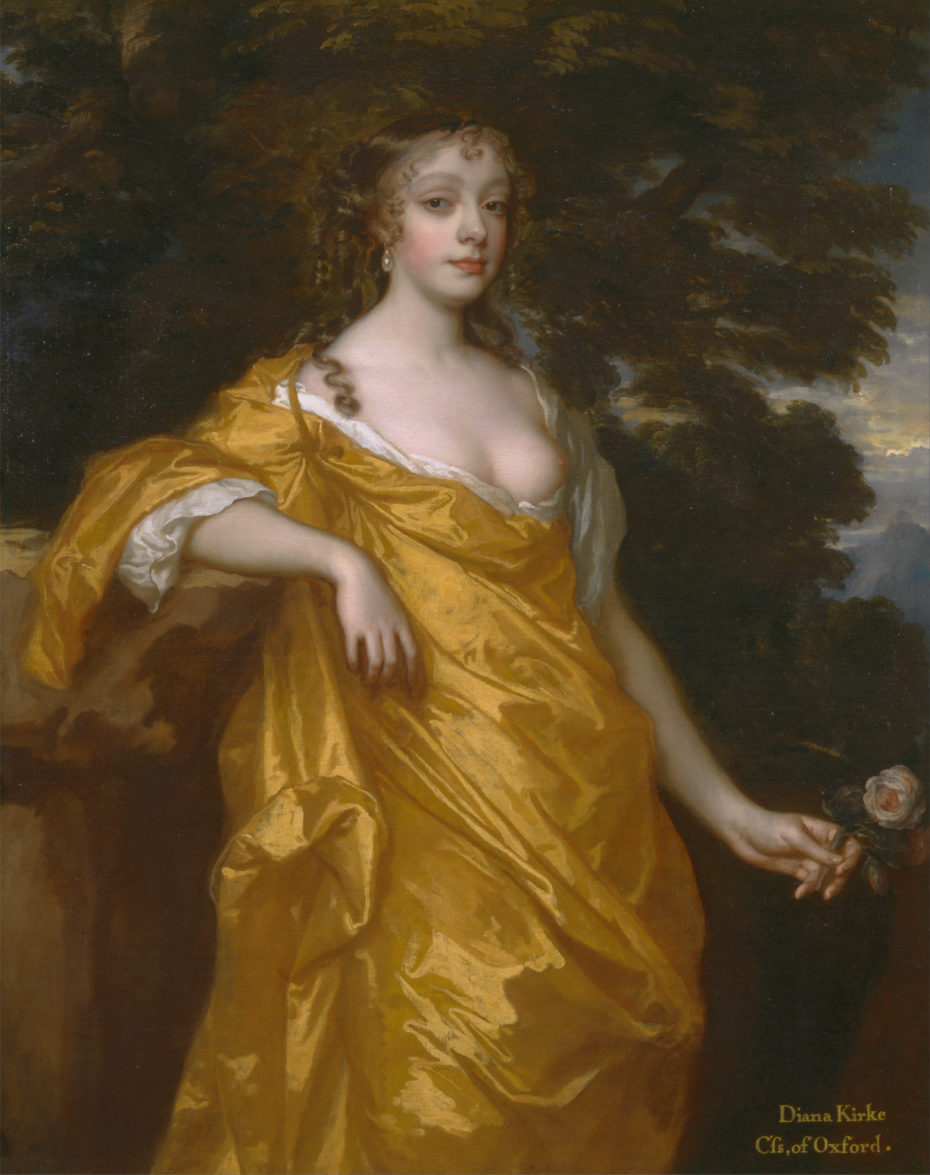
Alternatively, breasts could also be used in portraiture to communicate a lady’s maternal nature towards her humble servants. The exposure of one breast typically symbolised high birth and strong moral character. There was no shame and no explicit message of sexual availability.
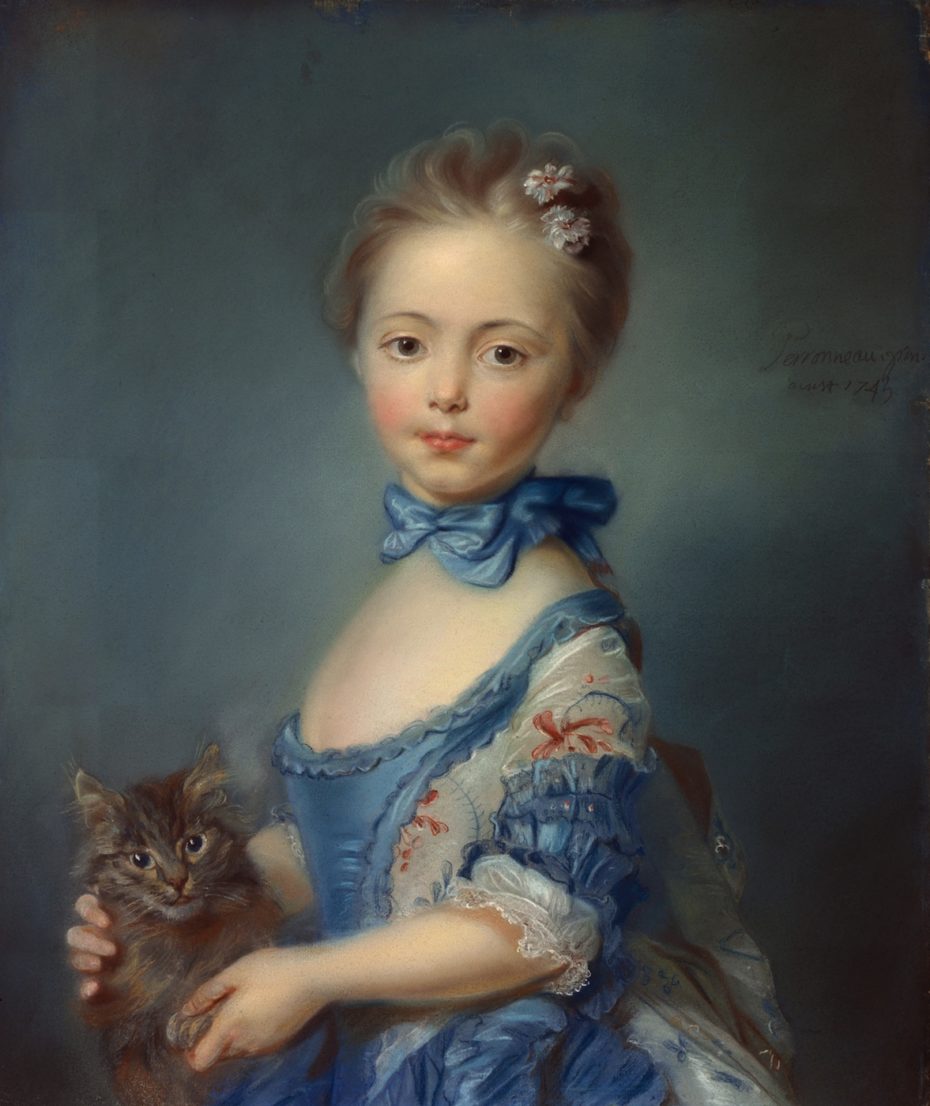
A Girl with a Kitten Artist: Attributed to Jean-Baptiste Perronneau Date made: 1745 © The National Gallery, London
But their nakedness wasn’t just reserved for the canvas. In the 17th and 18th centuries, nipple spillage was an everyday occurrence for queens and courtiers and everyday women of society. Intentional or unintentional, either way, it just wasn’t a big deal – akin perhaps to seeing an exposed bra strap today.
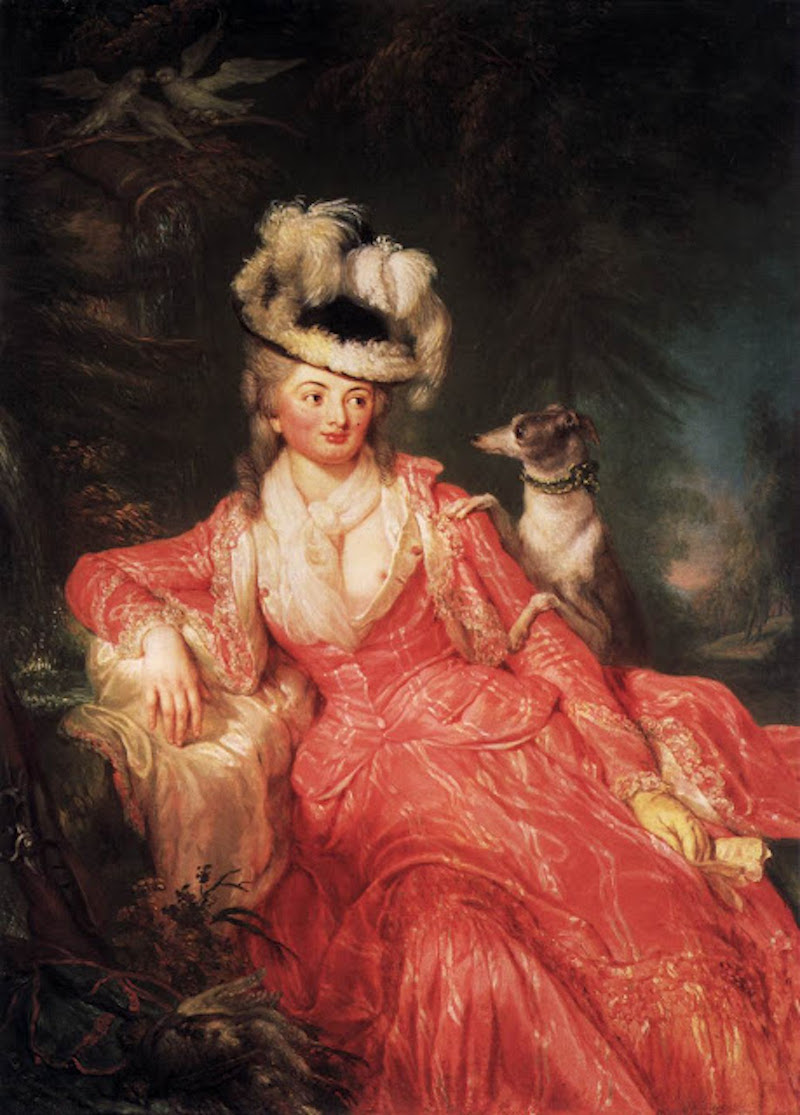
Wilhelmine Encke, Countess Lichtenau by Anna Dorothea Therbusch, 1776
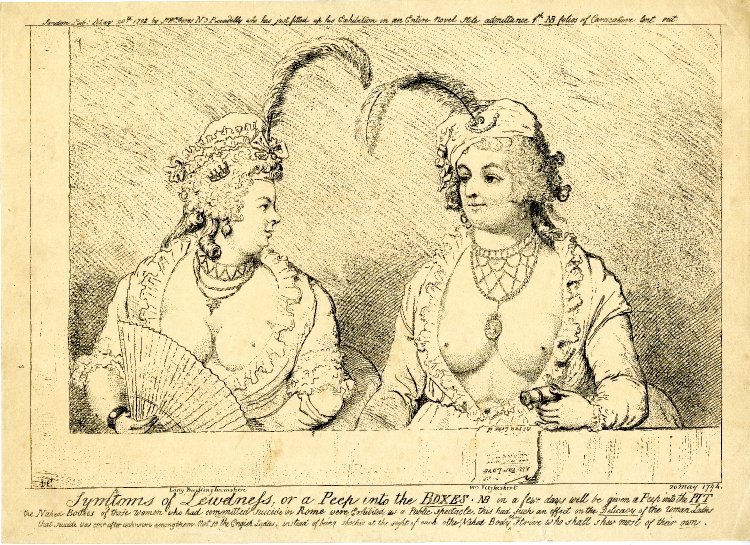
Corsets pushed the breasts upwards almost at level with the arm pits and the latest fashions were cut so low that applying nipple make-up or nipple rouge became a part of some women’s beauty routine at the vanity table.
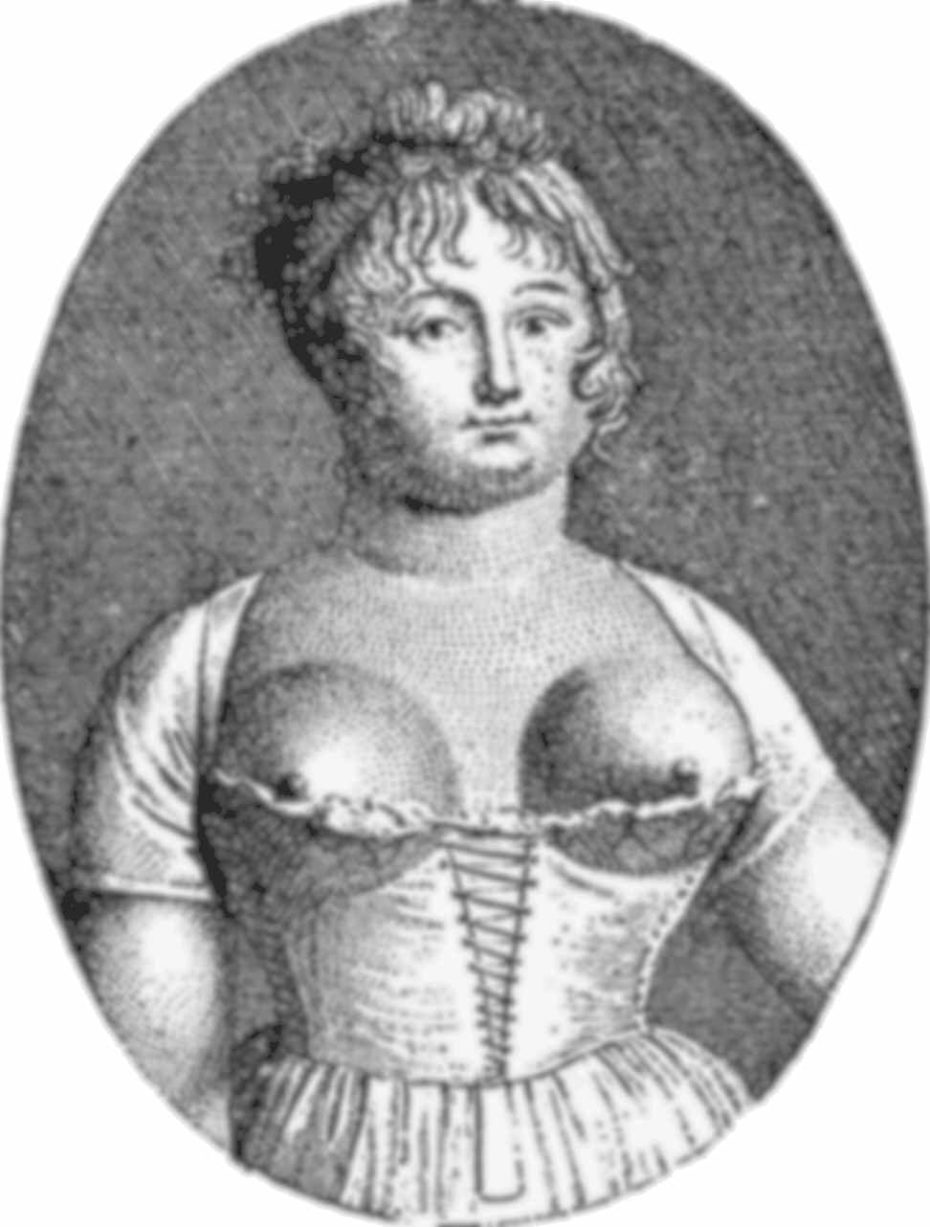
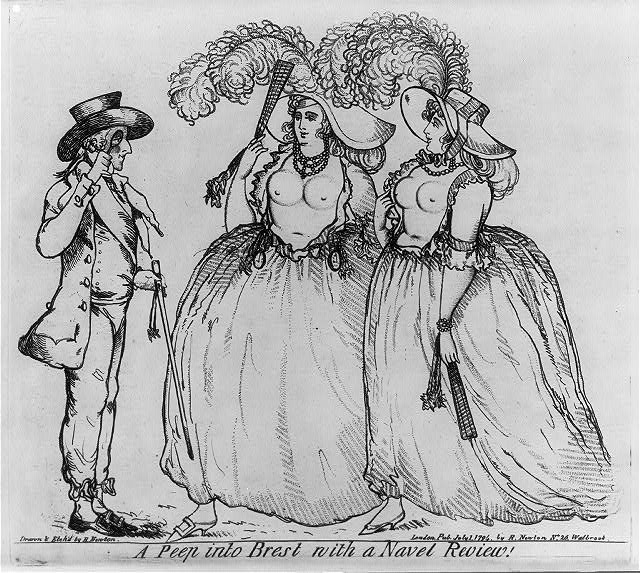
Voltaire’s mistress, Emilie du Chatelet, both an intellect and fashionista of her day, was famous for her rouged nipples and flamboyant low cut dresses. Numerous caricatures from the period appear to confirm the look was so widely adopted that society started to poke fun at its fashion victims.
If a woman were to show both breasts however, in portraiture or in public, this generally hinted something else about her virtues and social standing. Nell Gwyn was the long-time mistress of King Charles II and one of the most celebrated actresses of her day. She was painted with both breasts fully exposed, which was more common in the costumed world of theatre, plays and ballets.
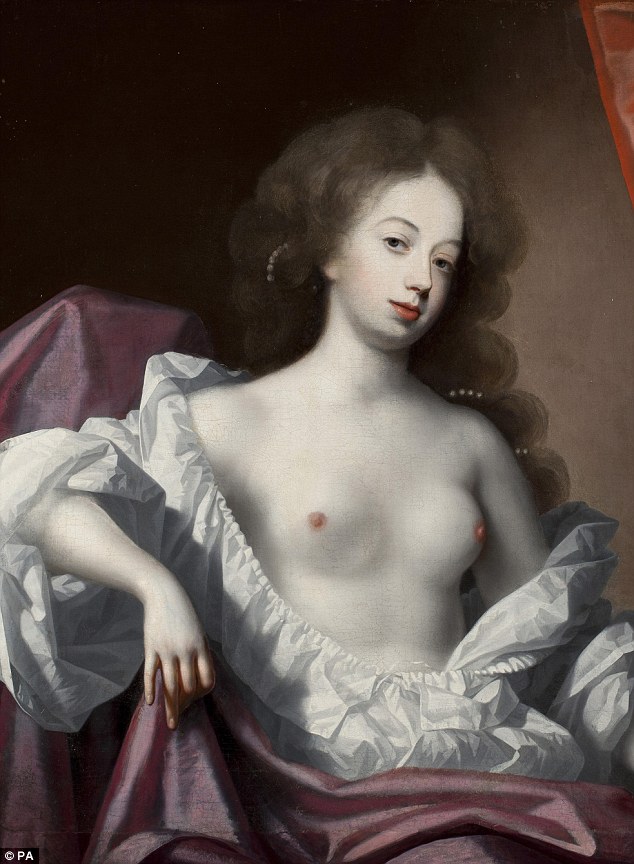
Nell Gwyn, 1860, Simon Verelst
Nell was painted in 1860 by Simon Verelst, but the painting was altered in the 19th century to cover up her nudity. It has since been restored and now hangs in the National Portrait Gallery. A lot of art was indeed altered, censored or even destroyed to put the nipple back in its box so to speak when the puritanical sex-shaming Victorians decided to ruin the fun.
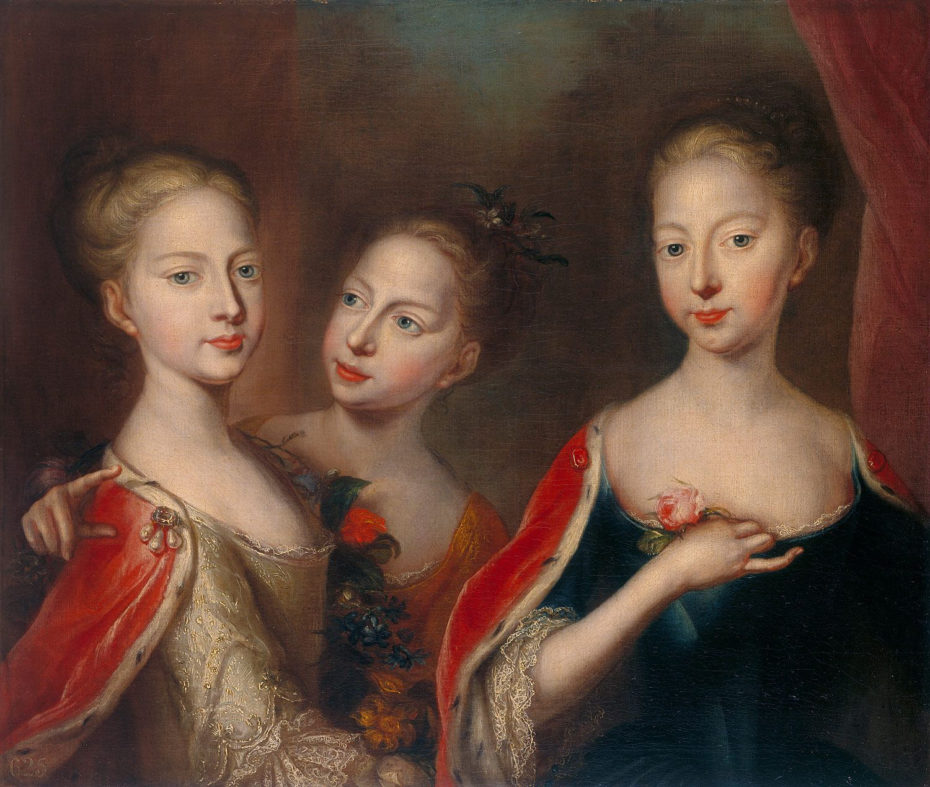
You can usually spot the “fig leafing” giveaways in art – an extra sash across the chest, a cleverly placed rose held close to the heart or just a bad paint job; numerous tricks were used to cover up history’s exposed nipple. That censorship has been carried through to modern times and social media’s banning of the nipple today arguably keeps us with one foot in the dark ages of sexual prejudice.
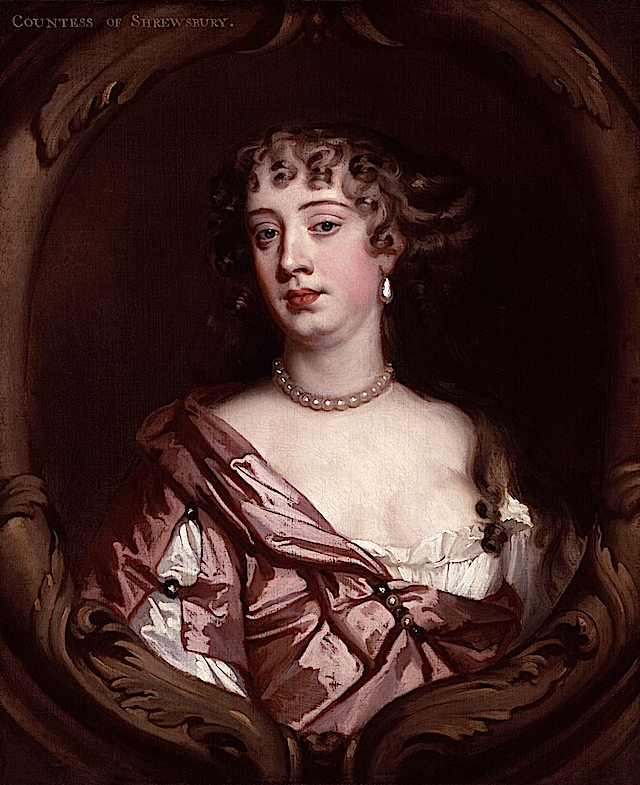
Anna Maria, Countess of Shrewsbury by Sir Peter Lely, ca 1670.
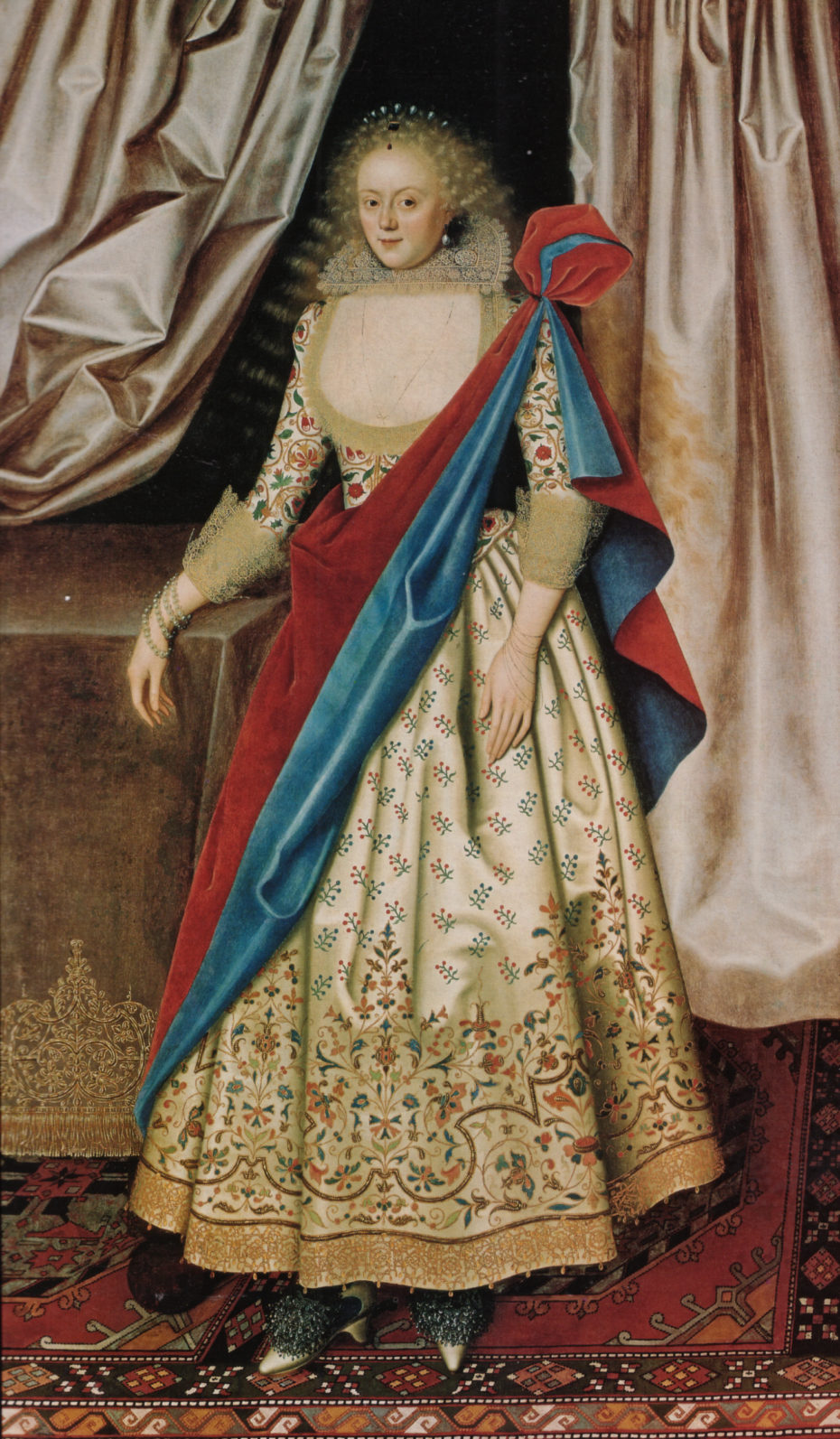
Lady Isabella Rich circa 1614
It was no big deal several hundred years ago but I’m still going to have to paste a pink star over one of these ladies’ boobs to make it past the Facebook police.
Even history is telling us: Free the nipple!
Cabecilha at 7:58:00 PM No comments:
Share

More Obscene than De Sade

du Bois

Issue 228


More Obscene than De Sade


By Luc Sante
 May 16, 2019

PINAKOTHEK


In his biweekly column, Pinakothek, Luc Sante excavates and examines miscellaneous visual strata of the past.

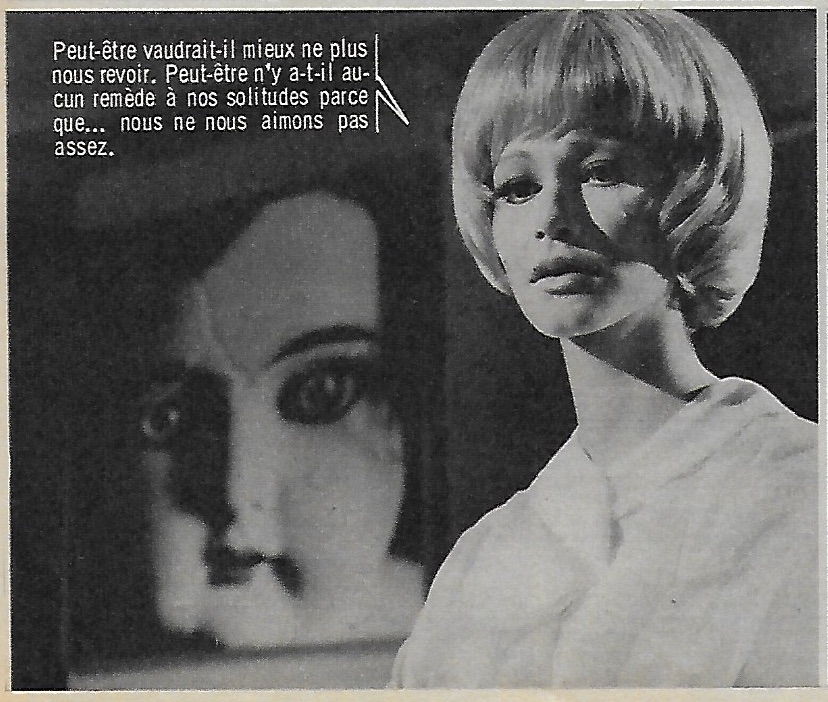
“MAYBE IT WOULD BE BETTER IF WE STOPPED SEEING ONE ANOTHER. MAYBE THERE IS NO REMEDY TO OUR SOLITUDE BECAUSE … WE DON’T LOVE EACH OTHER ENOUGH.”
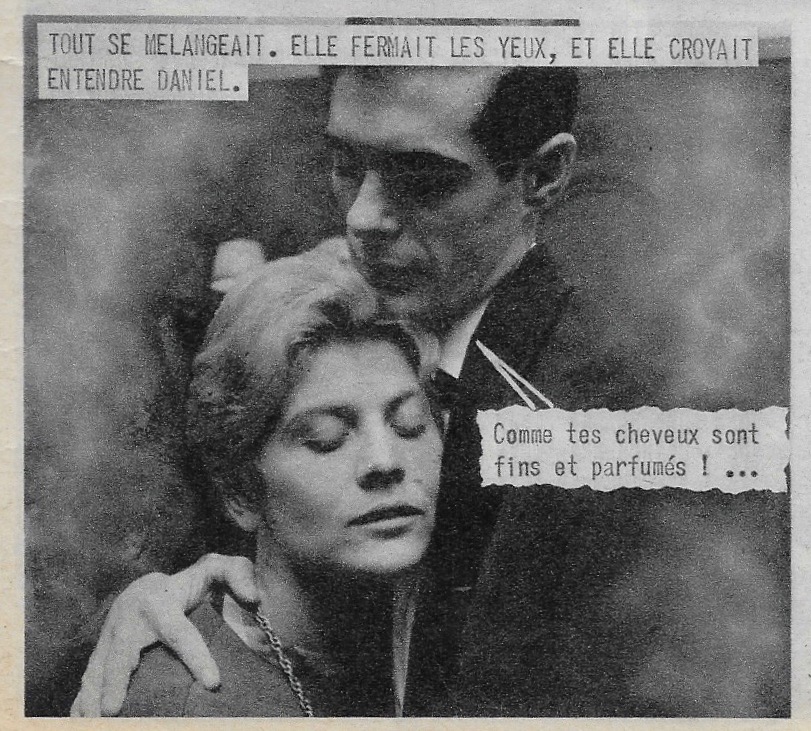
Fotonovela, fumetti, roman-photo—the terms betray the fact that the form never got much traction in the Anglo-Saxon realm. There is no word for it in English, exactly. You could say “photo-comics,” but you’d risk being misunderstood. These narratives, often but not always romantic, are conveyed by means of photographs arrayed in panels on a page, with running text often in talk balloons. Their impact has been almost entirely restricted to countries that speak Spanish, Italian, or French; their readership is overwhelmingly female, at least in Europe. Their history formally begins in 1947 in Italy, in the magazine Grand Hotel, soon followed by its French sibling, Nous Deux; both magazines still exist. Fotonovelas flourished in the fifties and early sixties (into the eighties in Latin America), then began a slow decline that still refuses to yield to extinction.


EVERYTHING WAS ALL MIXED UP. SHE CLOSED HER EYES AND THOUGHT SHE HEARD DANIEL. “YOUR HAIR IS SO FINE AND AROMATIC!”

The culprit of their near-demise, of course, was television, in combination with social anxiety. Fotonovelas were associated with the poor and unlettered (my mother aspirationally ignored their weekly appearance in Femme d’Aujourd’hui, to which she subscribed for almost fifty years), the naive and sheltered and perhaps delusional. Roland Barthes, having written that “love is obscene precisely in that it puts the sentimental in place of the sexual,” went on to call Nous Deux “more obscene than de Sade.” Some years earlier, in a less militant phase, he noted of the fotonovelas that “their stupidity touches me” and ranked them with other “pictographic” forms, such as stained-glass windows and Carpaccio’s Legend of St. Ursula. There are even more specific antecedents, although no record of actual influence: Nadar’s famous conversation with the centenarian chemist Michel Chevreul was published as sequential captioned photographs in Le Journal Illustré in 1886, and La Folle d’Itteville, the collaborative photo-novel by Germaine Krull and Georges Simenon, was published in 1931.


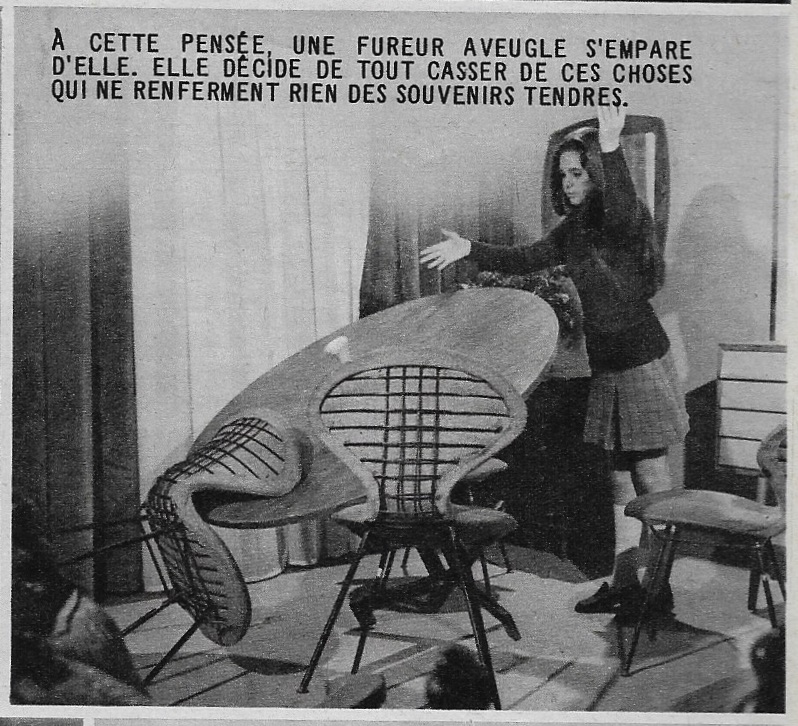
AT THIS THOUGHT A BLIND FURY TAKES HER OVER. SHE DECIDES TO SMASH EVERYTHING THAT DOESN’T ENCLOSE TENDER MEMORIES.

It comes as no surprise to learn that the immediate ancestor of the form was an Italian magazine series that adapted American films by using ordered stills and minimal text to convey their plots. The fotonovela is essentially a low-budget movie on paper, relying heavily on certain cinematographic conventions: the two-shot, the three-quarter shot, the close-up. Or it could be simply defined as a paper-based soap opera, since televised soap operas don’t waste much time on establishing shots, either. The forms also share romance-centered story lines and a traditionally female audience. There have been exceptions, such as the long-running Italian title Killing (Satanik in France), which ditched romance for sadistic violence, although it observed the same intimate scale; unlike most implacable, masked super-criminals, Killing preferred to murder with his hands. Other genres, including many low-budget film staples (the Western, the monster movie, the heist picture), are out of the question owing to their practical demands. On the other hand, the enclosed nature of the form means that you can set a story in the United States, say, by simply ensuring a few sartorial details, such as police uniforms.


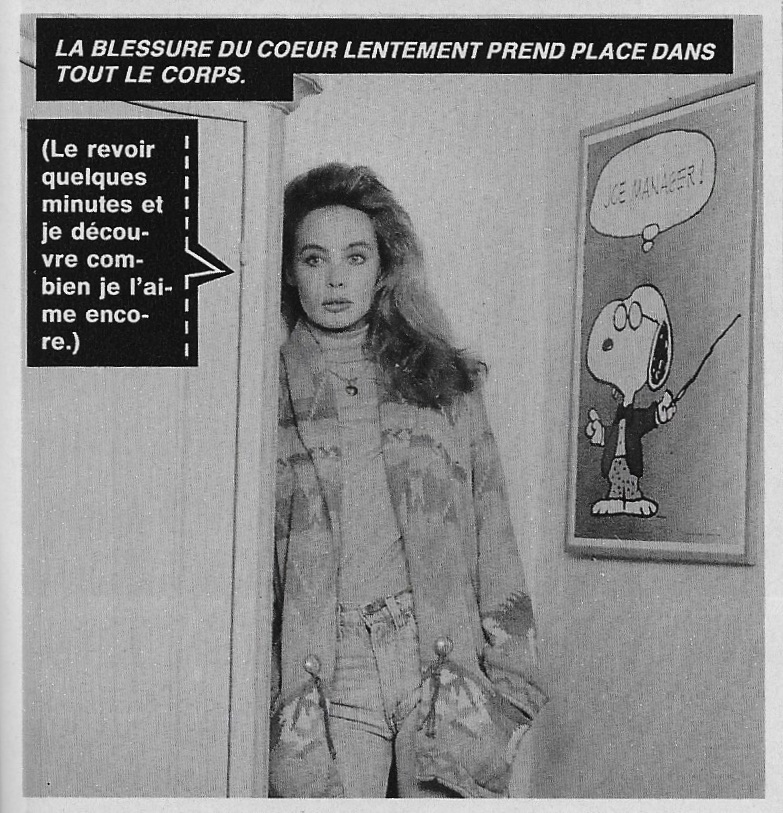
THE WOUND TO THE HEART SLOWLY SETTLES THROUGH THE BODY. “(I SEE HIM AGAIN FOR A FEW MINUTES AND REALIZE HOW MUCH I STILL LOVE HIM.)”

The European sartorial details, for their part, can intermittently put you in mind of French new wave movies, which were similarly low-budget and intimate. The visual difference between them has mostly to do with lighting; the fotonovela defaults to the soap opera’s full-coverage model, which has the intent and effect of eliminating any possible ambiguity. Its settings are ruthlessly bon chic, bon genre (but then you could say that about almost anything by Éric Rohmer); its casting choices tend toward archetypes of beauty, waywardness, or authority while avoiding distinctive appearances (but then, Sophia Loren and Claudia Cardinale both made their professional debuts in fotonovelas). Every frame is simply composed and centered; nothing is happening at the edges. The form differs most radically from cinema in its treatment of time, which in the fotonovela is entirely determined by the individual consumer. You can linger between frames if you wish—and you can also run the story backward or interleave it with another story—but the makers cannot introduce a long take or a jump cut or a music cue.


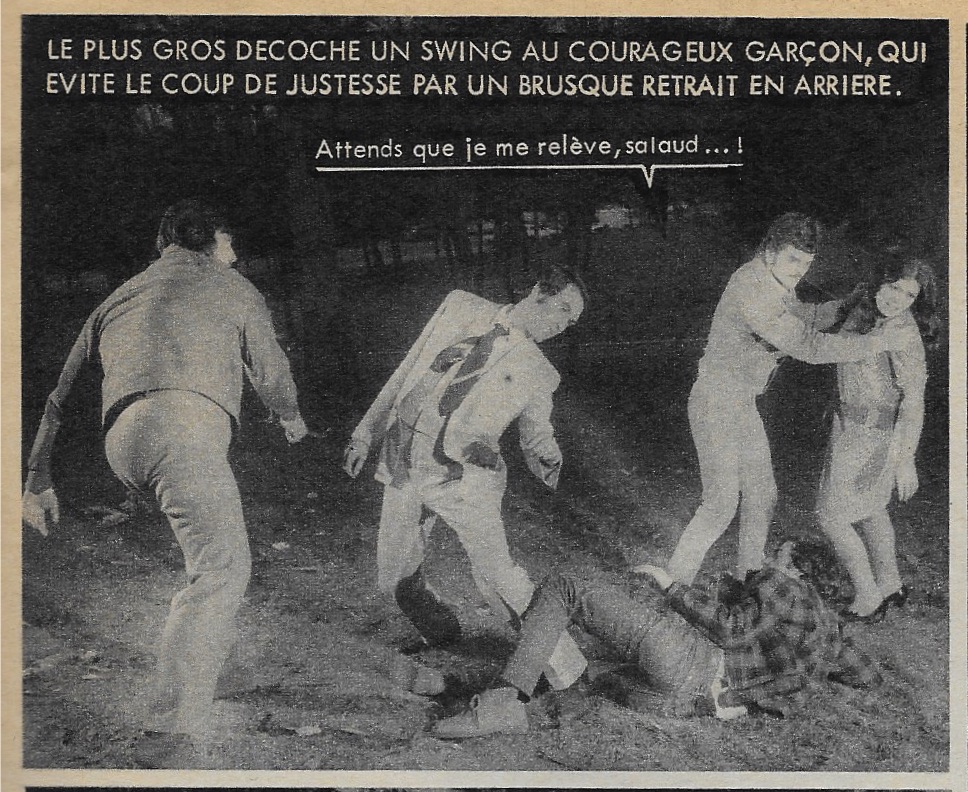
THE BIGGEST GUY SWINGS AT THE BRAVE BOY, WHO NARROWLY AVOIDS IT BY SUDDENLY STEPPING BACK. “WAIT TIL I GET UP, YOU BASTARD!”

The form is simple and utilitarian, geared in every detail to meet common understanding. It is a screen for the reader to project upon while ostensibly immersed in the travails of fictional characters. It traffics in emotional hardware—longing, doubt, regret, passion, envy, betrayal—chiefly through verbal expression and mostly without dramatization. Plot points occur principally in the dialogue. Action, when it happens, is staged neoclassically; fights are choreographed and frozen, as on a Hellenic amphora or in a painting by Poussin. There is rarely any physical damage, and the actors are never mussed. Even when terrible things occur, the effects are muted. Fotonovelas can often seem like extended modeling sessions; the actors seldom strike poses that do not display their clothing to its advantage. It is as if the figures in a department-store catalog enacted a semblance of life, imagining what it must be like to feel, but held back by the immobility of their outfits. In their way, fotonovelas are a guide to comportment, promoting restraint and self-possession, directed at a working-class public that owns little but its emotions.


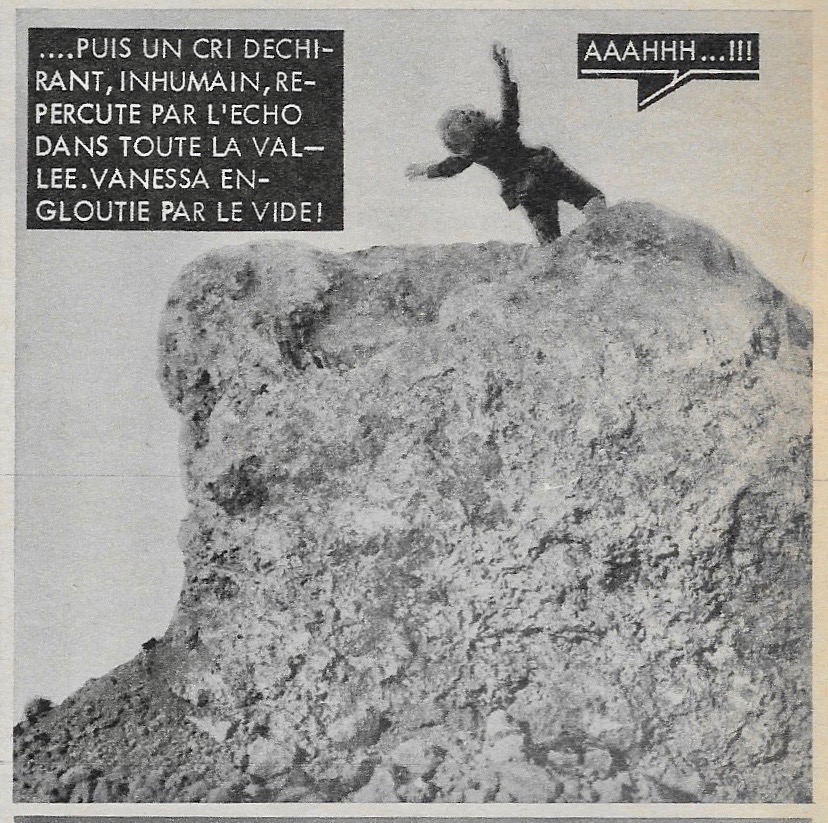
THEN A PIERCING, INHUMAN SCREAM ECHOES THROUGH THE VALLEY. VANESSA SWALLOWED UP BY THE VOID!

Read our Art of Nonfiction interview with Luc Sante here.
Luc Sante’s books include Low Life, Evidence, Kill All Your Darlings, and The Other Paris. 


Cabecilha at 7:53:00 PM No comments:
Share

What Your Favorite Color Says About You


https://www.newyorker.com/humor/daily-shouts/what-your-favorite-color-says-about-you?utm_campaign=aud-dev&utm_source=nl&utm_brand=tny&utm_mailing=TNY_Humor_051619&utm_medium=email&bxid=5be9ebfd3f92a404691104e5&cndid=25315071&esrc=&utm_term=TNY_Humor


Daily Shouts

What Your Favorite Color Says About You

By Olivia de Recat
May 15, 2019


  • Olivia de Recat has been contributing cartoons and writing to The New Yorker since 2017.
    Read more »
    More:
  • Humor
  • Satire
  • Colors
  • Personalities
  • Illustrations


Sign up for the Daily Humor newsletter and get The New Yorker cartoons and Shouts—plus more funny stuff—every day in your in-box!

Video


How To Write A New Yorker Cartoon Caption: Zach Galifianakis & Zoe Saldana Edition
The “Missing Link” stars Zoe Saldana and Zach Galifianakis team up to tackle our cartoon-caption contest.
Recommended Stories

Daily Shouts

How I’ll Get Out of Chelsea’s Bachelorette Party


Feigning an allergy to phallic candy, sabotaging the “Magic Mike” show, and other methods of removing yourself from the party.

By Olivia de Recat
Feb. 15, 2019

Daily Shouts

A Message from Your Laptop, Which Hasn’t Been Backed Up for Three Hundred and Eleven Days


I write to you today with many updates, the majority of which are uninstalled.

By Olivia de Recat
Nov. 27, 2018

Personal History

My Grandmother’s Desperate Choice


My grandmother died of a self-induced abortion. In the Trump era, her story has taken on a new sense of urgency.

By Kate Daloz
May 14, 2017

Puzzles Dept.

The Weekend Crossword: Friday, May 17, 2019


Most of the characters in “Annie”: seven letters.

By Aimee Lucido
May 17, 2019


Cabecilha at 6:46:00 PM No comments:
Share
‹
›
Home
View web version
Powered by Blogger.